
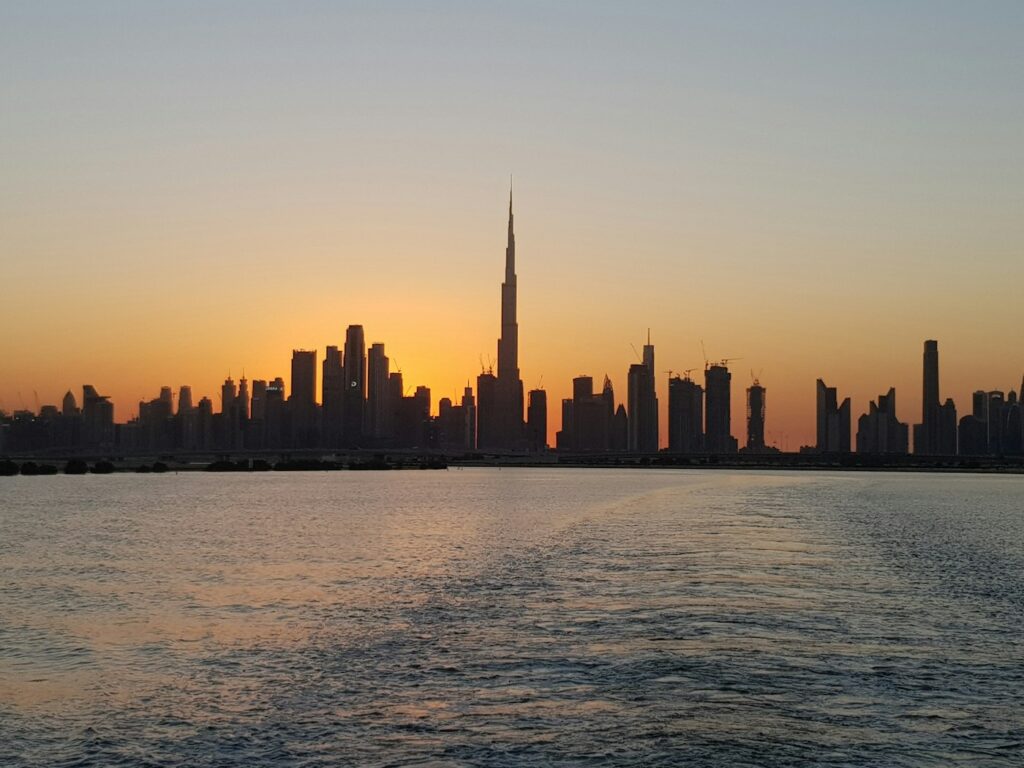
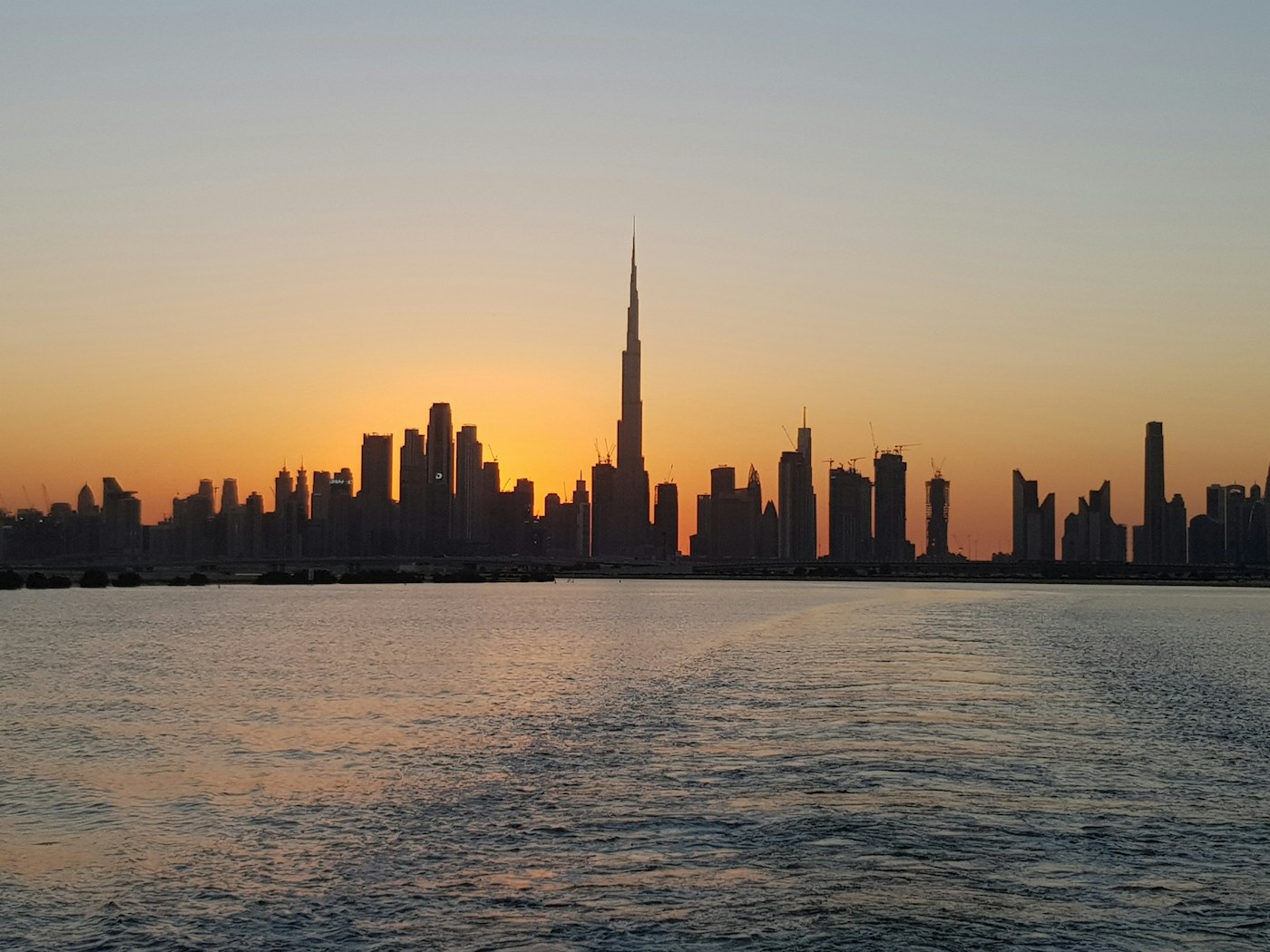
Dubai gets written off by people who’ve never been and misunderstood by people who went for a long weekend, walked around the Burj Khalifa, visited a mall, and flew home. Neither group is telling you the full story.
The full story is this: Dubai is home to over 200 nationalities, and roughly 90 percent of its population is made up of expats and migrant workers. The city’s backbone is South Asian — Indian, Pakistani, Bangladeshi, Sri Lankan — and the food that comes out of that demographic reality is extraordinary. The best biryani I’ve eaten outside of Hyderabad was in a basement restaurant in Deira that seated thirty people and had no website. The best Iranian grills I’ve had anywhere were in Dubai. The city’s food scene doesn’t get the credit it deserves because the conversation about Dubai never gets past the superlatives.
This guide is an attempt to cut through that. Yes, the Burj Khalifa is worth seeing. Yes, the mall with the ski slope is a peculiar thing that exists. But there’s a real city here that rewards the traveller who looks past the obvious, and this is how to find it.
What’s in This Guide
- Why Dubai in 2026
- The neighbourhoods that matter
- What to eat and drink
- The desert
- Getting to Dubai
- Where to stay
- Realistic budget breakdown
- Things nobody tells you
- More destination guides
- FAQ
Why Dubai in 2026
The practical case for Dubai has always been the airport: it’s the most connected hub on earth, and a stopover has become a genuine short-trip option for anyone travelling through on a long-haul route. But the city has earned a longer stay on its own merits.
The food scene is the best it’s ever been. The coffee culture that started taking root around 2018 has fully matured — the third-wave roasters in Al Quoz and Al Wasl now compete with anything in Melbourne or London. The gallery and arts scene around Alserkal Avenue has produced a cluster of genuinely interesting spaces. None of this replaces the history that Dubai doesn’t have, but it makes the city more interesting on its own terms than it was even five years ago.
The practical timing argument is also significant. October through April, Dubai has some of the best winter weather of any city on earth — consistently 22–28°C, low humidity, long sunny days. The UAE dirham is pegged to the US dollar, which keeps prices predictable. Budget accommodation has improved substantially in the last few years: there are now hostels and value hotels in the old city that didn’t exist a decade ago.
The Neighbourhoods That Matter
Al Fahidi and Deira
This is the Dubai that predates the skyscrapers. Al Fahidi Historical Neighbourhood (also called Al Bastakiya) is a preserved district of wind-tower architecture, narrow lanes, and courtyard museums along the Dubai Creek. The XVA Art Hotel sits in the middle of it and runs an excellent café. The Dubai Museum is here — small, worth an hour, genuinely informative about what the city was before the oil money arrived.
Cross the Creek on an abra — the traditional wooden boat taxi, AED 1 per crossing — and you’re in Deira, the city’s original commercial heart. The Gold Souk is a tunnel of jewellery stalls that sells more gold per square metre than almost anywhere on earth. The Spice Souk next door fills the air with saffron, dried limes, cardamom, and frankincense. Neither is a tourist attraction in the manufactured sense — they’re working markets where serious quantities of product change hands daily. Spend time here before you go anywhere else in Dubai; it reframes the whole city.
Downtown Dubai
The Burj Khalifa is 828 metres tall and the observation deck on the 124th floor gives a view that earns the entry fee (AED 135–200 depending on time slot; book ahead online). The Dubai Fountain show below it runs every evening and is free to watch from the waterfront. The Dubai Mall is next door — it contains an aquarium, an ice rink, a dinosaur skeleton, and more retail square footage than most small towns. You will probably end up in the Dubai Mall. That’s fine. Go once, orient yourself, and move on.
Downtown is where you stay if you want to be central to the spectacle. It’s not where you eat, beyond a handful of restaurants that justify the prices in the Address hotels and DIFC adjacent buildings.
Marina and JBR
The Marina is a purpose-built waterfront neighbourhood of gleaming towers around a yacht marina. The Walk at JBR (Jumeirah Beach Residence) is Dubai’s most accessible beach strip — open public beach, a promenade of restaurants and cafés, the Ain Dubai observation wheel at the far end. It’s touristy and it’s fine. The beach is clean. The water is warm. If you want a beach day without a hotel pool, this is where to go.
DIFC and Dubai Design District
The Dubai International Financial Centre is technically a financial hub but has become the city’s best restaurant district. The Gate Village and the surrounding streets hold a concentration of serious restaurants — Lebanese, Japanese, modern European, and a handful of genuinely creative Emirati-influenced places. D3 (Dubai Design District) nearby has the galleries, concept stores, and the kind of coffee shops where the barista will explain the processing method if you ask. This is where Dubai’s creative class has landed.
Al Quoz
Al Quoz is an industrial district that has been slowly colonised by artists, roasters, and independent businesses operating out of warehouses. Alserkal Avenue is the nucleus — around fifty creative spaces, galleries, studios, a cinema, a yoga studio, and several of Dubai’s best coffee shops occupying repurposed industrial units. It’s not polished. It’s genuinely interesting. Take an Uber and walk the avenue on a weekday morning.
What to Eat and Drink
Dubai’s food scene is built on its demographics. With migrants and workers from across South Asia, the Levant, Iran, and Southeast Asia forming the majority of the population, the city has developed one of the most diverse and genuinely excellent mid-range food cultures of any city in the world. Some specifics:
- Ravi Restaurant, Satwa — Open since 1978, cash only, tables outside on the pavement, queues most evenings. The Pakistani curry and grilled meats here have been called the best in the UAE for decades. The dal is extraordinary. A full meal with naan is AED 25–35. This is the restaurant every Dubai resident eventually mentions when you ask where to eat.
- Bu Qtair, Fishing Harbour — A corrugated-roof fish shack at the Fishing Harbour in Jumeirah. No menu, no reservations, no sign. You point at the fresh fish on display, choose a preparation (fried or grilled), and they cook it. The masala-fried hammour (grouper) with rice and curry sauce is as good as any seafood I’ve eaten anywhere in the world. AED 30–50 per person. Queue and wait; it’s worth it.
- Gold Souk and Deira street food — The streets around the Gold Souk in the early morning are lined with Indian and Pakistani breakfast spots: paratha with chai, halwa puri, keema with fresh bread. AED 5–10 per person, eaten standing at a counter. This is where Dubai actually eats breakfast.
- Manaqeesh — The Levantine flatbread topped with za’atar and olive oil, or cheese, or minced meat. Eaten fresh off a wood-fired oven at a Lebanese bakery for AED 3–5. Every neighbourhood has one. Find yours on the first morning and go back daily.
- Emirati food — Harder to find than it should be in a country where local cuisine is extraordinary. Machboos (slow-cooked spiced rice with chicken or lamb), harees (a slow-cooked wheat and meat porridge that sounds simple and tastes profound), and luqaimat (fried dough balls with date syrup) are the dishes to find. A handful of Emirati restaurants have opened in DIFC and Downtown; the quality varies but the effort is worth it.
- Camel milk — Available at supermarkets and the odd café, slightly richer than cow’s milk, a gentle flavour that’s difficult to describe. Try it at least once. Al Ain Farms is the main brand; the chocolate-flavoured version is better than expected.
On alcohol: it’s available but only in licensed venues — hotel bars and restaurants, licensed clubs, and a handful of specifically licensed standalone restaurants. You cannot drink on the street, in the souks, or in most neighbourhood restaurants. Budget for it accordingly: a beer in a hotel bar runs AED 45–65. The non-alcoholic options — fresh juices, the lemon-mint drink that appears on every Lebanese menu, the chai at any South Asian café — are uniformly excellent and a fraction of the price.
The Desert
Dubai is 40km from the Hajar mountains and about the same distance from the red sand dunes of the Dubai Desert Conservation Reserve. If you don’t go into the desert, you’ve missed the part of the trip that has no equivalent anywhere else.
- Hot air balloon at sunrise — The standard tour launches at 5:30am and floats over the red dunes as the light comes in low across the sand. One of the most visually extraordinary mornings I’ve had anywhere. The operator picks you up from your hotel; the balloon flight itself is 45–60 minutes. Around AED 950–1,200 per person. Worth every dirham.
- Hatta Pools day trip — Drive 90 minutes east through the Hajar mountains to reach a series of rock pools and dramatic mountain scenery entirely unlike the flat desert elsewhere. Rent kayaks, hike the trails, swim in the pools. Free to access; kayak rental is around AED 60/hour. This is what Dubai residents do when they want to escape the city, and almost no tourists think to go there.
- Dune bashing — The sunset 4×4 tour with dune bashing and a Bedouin camp dinner is the standard tourist experience and it genuinely delivers. Prices have come down with competition; expect AED 200–350 for an evening including transfers, barbecue, and shisha. Book through your hotel or a reputable operator rather than the first street tout.
Getting to Dubai
Dubai International Airport (DXB) is one of the busiest airports on earth and is served by direct flights from almost every major city. Emirates operates the hub and covers the premium and business market; Flydubai covers the budget routes. From the UK: 7 hours, from New York: 13 hours, from Sydney: 14 hours. Al Maktoum International Airport (DWC) is a second, smaller airport about 45km south — mostly Flydubai and some charter routes; factor in the longer transfer time if you land there.
- Dubai Metro (Red Line): Runs directly from DXB Terminal 1 and Terminal 3 into the city. Clean, air-conditioned, reliable. Journey to Downtown Dubai is about 35 minutes, to Marina is about 50 minutes. Costs AED 7–12 depending on destination. Buy a Nol card at the airport (AED 25 including AED 19 credit). The best option for most travellers.
- Careem / Uber: AED 45–80 to Downtown from DXB depending on traffic. Quick in off-peak hours, slow during the evening rush. Both apps work seamlessly throughout the city.
- Official taxis: Metered, reliable, available at the airport rank. Comparable to Careem on price. The cream-coloured Dubai taxis are safe and honest; no need to negotiate.
Where to Stay
The neighbourhood decision matters more than the hotel brand. Staying in Al Fahidi puts you close to the real city; staying in Downtown puts you close to the spectacle; Marina puts you close to the beach. For a first visit, Downtown or near DIFC gives the most flexibility.
- Budget (AED 80–180): Dubai now has a solid hostel scene that didn’t exist before 2015. XVA Art Hotel in Al Fahidi is the best-value unique property in the city — twelve rooms in a restored wind-tower building, courtyard, excellent café. Dorm beds start around AED 80 in the nearby budget properties; private rooms AED 150–220.
- Mid-range (AED 250–500): The Rove Hotels are Dubai’s best mid-range chain — modern, well-located (Rove Downtown, Rove Healthcare City), good Wi-Fi, rooftop pools. Premier Inn has multiple locations and is consistently reliable. Expect comfortable rooms, pools, and breakfast from AED 300.
- Splurge (AED 700–2,500+): The Address Downtown for the Burj Khalifa view from the pool. Atlantis the Palm for the resort experience. The Burj Al Arab if you want to stay in the most photographed hotel on earth — it earns its seven-star reputation, though one night here costs more than most people’s flights to get here.
Realistic Budget Breakdown
- Accommodation: AED 80–2,500/night depending on category
- Meal at Ravi or a Deira local restaurant: AED 20–40 per person
- Meal at a DIFC or Downtown restaurant: AED 120–250 per person with drinks
- Beer at a hotel bar: AED 45–70
- Fresh juice from a street vendor: AED 5–10
- Metro single journey: AED 3–8 (Nol card required)
- Careem across the city: AED 20–70 depending on distance
- Abra (Creek crossing): AED 1
- Burj Khalifa observation deck: AED 135–200
- Desert hot air balloon: AED 950–1,200
- Daily total, mid-range: AED 400–700 (approx. USD 110–190). Budget travellers eating local can manage AED 200–300.
Things Nobody Tells You
- June to September is genuinely brutal. Temperatures regularly hit 42–48°C with high humidity. The entire city retreats indoors. If you go in summer, you will spend the majority of your time in air conditioning. October to April is some of the best weather anywhere on earth — 22–28°C, low humidity, long clear days. Plan accordingly.
- The dress code is less strict than people think — but it’s real. At JBR beach, the Marina, hotel pools, and licensed restaurants you can wear whatever you like. In the souks, at government buildings, at the mosque, and in residential neighbourhoods, cover your shoulders and knees. It’s a sign of respect and the enforcement is inconsistent, but do it anyway.
- Ramadan changes everything. If your visit falls during Ramadan (dates shift each year on the lunar calendar), eating, drinking, and smoking in public during daylight hours is prohibited by law for everyone, not just Muslims. Most restaurants close during the day or operate discreetly. The evenings, however, are extraordinary — the city comes alive after sunset, the Iftar meals are some of the best eating of the year, and the atmosphere is unlike anything outside of that period.
- The Metro covers the main spine but not everywhere. The Red Line (airport to Marina) and Green Line (Deira to Bur Dubai) are useful and reliable. But Al Quoz, Jumeirah, Satwa, and large parts of the old city aren’t well served. Careem is cheap enough that this isn’t a major issue — budget AED 15–25 for most short hops. Do not try to walk long distances outside of the Marina walkway or the Al Fahidi district.
- Friday is the weekend in the UAE. Government offices, banks, and many businesses are closed Friday morning. The big Friday brunch culture is real — hotel brunches running AED 300–500 per person with unlimited drinks are a genuine Dubai institution. Thursday night is the social peak of the week; Saturday and Sunday are normal working days.
- Get a local SIM at the airport. Etisalat and du both have kiosks at DXB arrivals. A tourist SIM with 30GB data costs around AED 75 and is valid for 30 days. WhatsApp calls work fine; VoIP calls (Skype, FaceTime audio) are technically restricted but widely used via VPN. Download Careem before you land.
Get our next destination guide in your inbox
One offbeat travel guide every Friday. Hidden cities, quieter coastlines, shoulder-season logistics. Free.
Experiences & Activities
Book Tours & Activities in Dubai
Skip the planning stress. Browse hundreds of guided tours, skip-the-line tickets, day trips, and local experiences in Dubai — all bookable online with free cancellation on most options.
Browse Dubai Experiences →Frequently Asked Questions
Do I need a visa to visit Dubai?
Citizens of most Western countries — including the UK, US, Canada, Australia, all EU member states, and many others — receive a free visa on arrival valid for 30 days, extendable for another 30. Passport holders from South Asian, African, and some Middle Eastern countries require a pre-arranged visa. Check the UAE government’s official visa page with your specific passport before travelling; the rules are clear and the list of eligible countries is long. The application process for those who need it is straightforward and typically takes 2–3 business days.
Is Dubai safe for solo travellers?
Dubai is among the safest major cities in the world, including for solo women travellers. The crime rate is extremely low, street harassment is uncommon by the standards of any large city, and the police presence is visible and professional. The main things to be aware of are the legal restrictions around public alcohol consumption, photography of government buildings and certain individuals (always ask before photographing locals), and the importance of dressing modestly in religious and government areas. Solo travel here is genuinely low-stress.
What is the dress code in Dubai?
Dubai operates a context-dependent dress code rather than a blanket rule. At beaches, hotel pools, the Marina promenade, and licensed restaurants and bars, Western clothing including swimwear is entirely appropriate. In souks, malls, residential neighbourhoods, and government buildings, covering shoulders and knees is expected and legally required in some spaces. Bikinis and swimwear belong on the beach and at the pool — walking through a shopping mall in swimwear will attract attention and potentially a request to cover up. The simplest approach: carry a light scarf or sarong and use it when you’re uncertain about the context.
Can you drink alcohol in Dubai?
Yes, but only in licensed venues. Alcohol is served at hotel bars and restaurants, licensed standalone restaurants, and a number of specifically licensed clubs and bars. You cannot drink in public spaces, in the souks, or at unlicensed restaurants. The licensing system means that most of the better alcohol options are in hotels, which tends to push prices up: a beer runs AED 45–65, a glass of wine AED 50–80. Non-alcoholic alternatives — the lemon-mint drink, fresh juices, mocktails — are excellent and far cheaper. During Ramadan, alcohol is typically restricted even in licensed venues until after Iftar.
What is the best time of year to visit Dubai?
October through April is the clear answer. Temperatures sit at 22–28°C, humidity is low, and the outdoor spaces — the Creek, the desert, JBR beach — are genuinely pleasant to be in. November and March are the sweet spots: comfortable weather, hotel prices softer than peak December/January, and the city’s outdoor food markets and events calendar in full swing. December and January see peak tourist arrivals, higher hotel prices, and the best outdoor weather of the year. Avoid June through September unless you have no choice: the heat and humidity are extreme and the city essentially moves indoors.
How do I get from Dubai Airport to the city?
The Dubai Metro Red Line connects Dubai International Airport (Terminals 1 and 3) directly to the city centre. Trains run from 5:30am to midnight on weekdays (later on weekends) and the journey to Downtown Dubai takes about 35 minutes, costing AED 7–12 with a Nol card. Buy the card from a machine in the arrivals hall — you’ll need it throughout your stay. Alternatively, Careem and Uber are reliable and cost AED 45–80 to Downtown depending on traffic. Official metered taxis are available at the airport rank and are honest and safe — flag them if the apps are showing surge pricing.