
Everyone who’s been to Dubrovnik and left disappointed, too crowded, too expensive, cruise-ship-hollowed, usually ends up in Kotor six months later and wonders why they didn’t go there first. The two cities are separated by two and a half hours of road. The drop in tourist density is somewhere between fifty and eighty percent. The prices are meaningfully lower. The old town is still full of people who live there.
I’ll be honest about one thing: Kotor has its own cruise ship problem from May to September. The bay is a regular stop on Mediterranean itineraries and the mornings can be genuinely overwhelming. But the ships leave by 6pm. After that, the old town belongs to the cats and the people staying for more than one night, and it’s one of the better places to be anywhere on the Adriatic.
Plan Your Kotor Trip
What’s in This Guide
- Why Kotor
- The old town and what’s around it
- What to eat and drink
- Getting to Kotor
- Where to stay
- Realistic budget breakdown
- Things nobody tells you
- More destination guides
- FAQ
Why Kotor
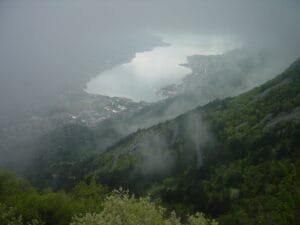
The Bay of Kotor is one of those things that stops you mid-sentence. It’s technically a flooded river canyon rather than a fjord, though that distinction doesn’t matter much when you’re standing at the water’s edge looking at mountains that drop straight into the water. The bay is 28km deep, enclosed on three sides, and the light on it in the late afternoon is the kind that makes amateur photographers look like they know what they’re doing.
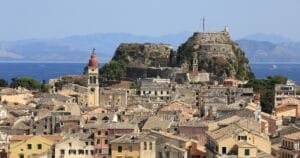
The old town is compact — you can walk corner to corner in ten minutes, but it’s layered in ways that take time to read. The Venetian and Byzantine architectural influences sit against each other in the same alley. The cathedral is 12th century. The fortress walls above the town are medieval, intact, and climbable. The cats that have lived here for centuries have their own museum.
Montenegro as a country is also an interesting place to be right now: EU accession talks are ongoing, the infrastructure has improved noticeably, and the tourist economy is developing in a direction that feels careful rather than chaotic. Prices are in euros, which makes budgeting straightforward.
The Old Town and What’s Around It
Stari Grad (Old Town)
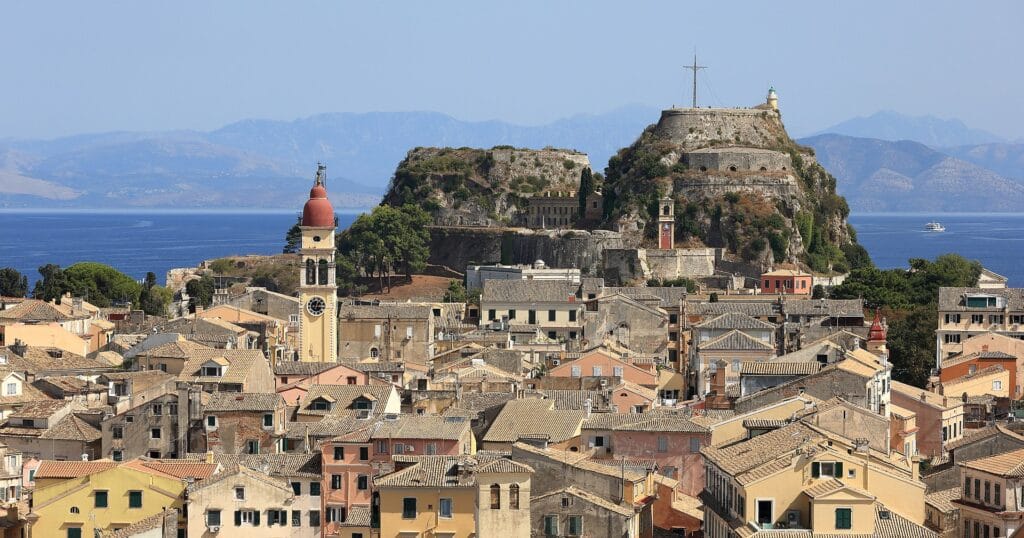
The walled old town is small enough that calling it a “neighbourhood” is generous: it’s more a few dozen interlocking squares and alleys enclosed by 4.5km of medieval walls. The main squares (Trg od Oružja, Trg od Brašna) are the social centre. Restaurants, ice cream shops, a few good cocktail bars. Most of them family-run, most of them open late.
The Cathedral of Saint Tryphon (12th century, twin towers visible from anywhere on the bay) is worth 20 minutes inside. The Maritime Museum in the Grgurina Palace gives context on the bay’s long history as a Venetian and Byzantine trading hub. Both are inexpensive and usually uncrowded after 4pm.
The Fortress of St John
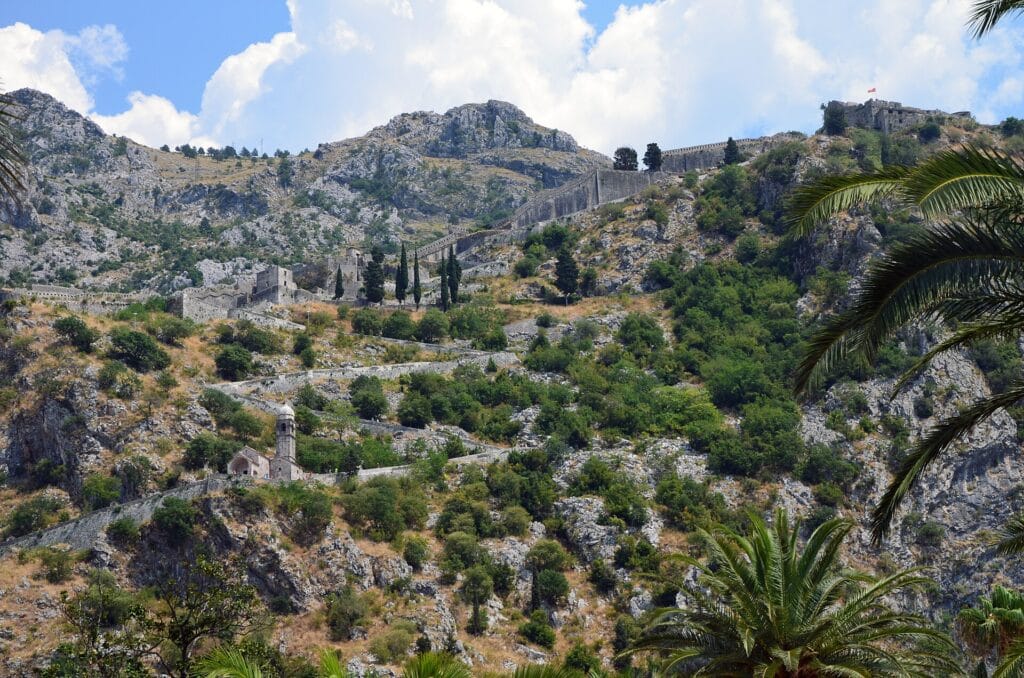
The climb above the old town is 1,350 steps up the fortress walls, steep, uneven stone, no shade in summer, entirely worth it. The view from the top stretches the entire length of the bay. Start early in the morning or in the late afternoon. The entry fee is €8. Wear shoes with grip. The fortifications themselves are partially ruined and atmospheric in the way that medieval things tend to be when they’re not over-restored.
Perast
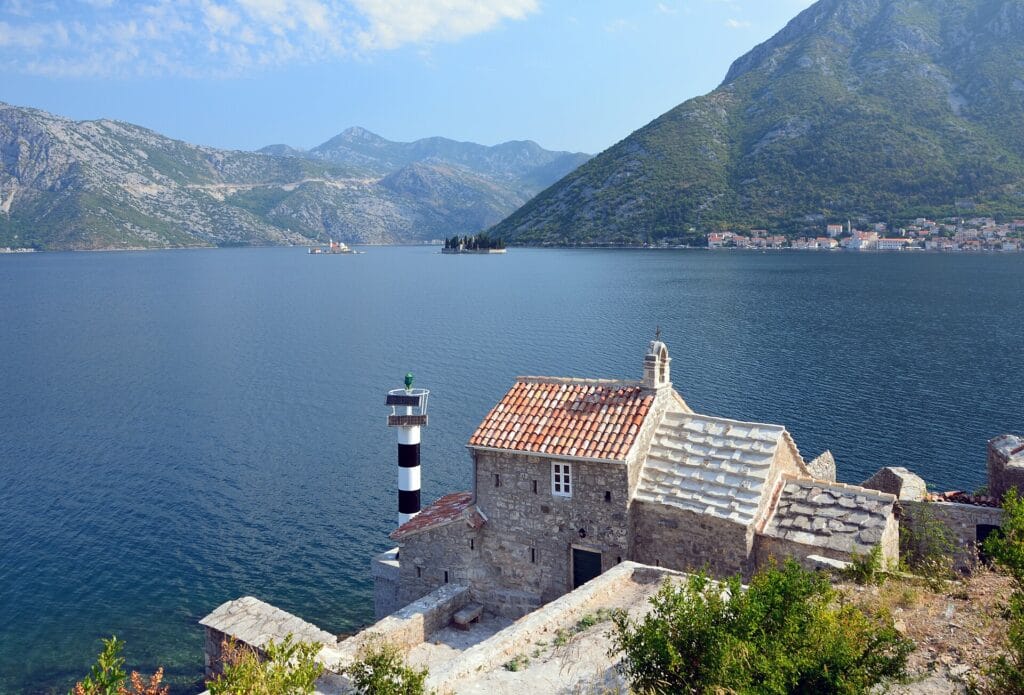
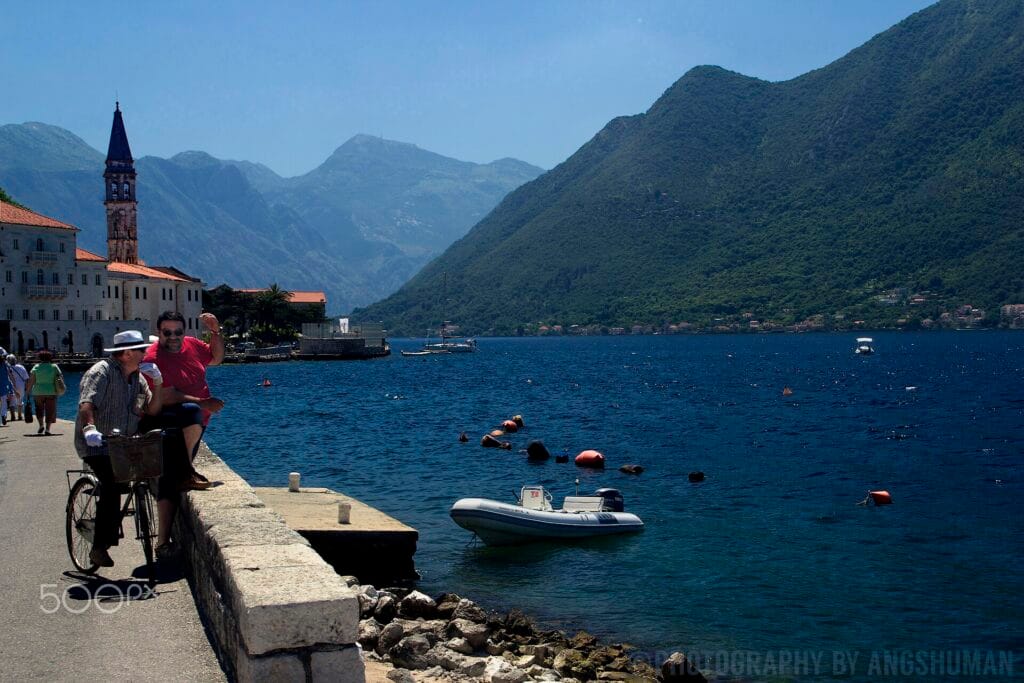
Ten kilometres north on the bay, Perast is the village that postcard photographers go to when Kotor isn’t photogenic enough. A single main street along the waterfront, Baroque palaces, the island church of Our Lady of the Rocks accessible by taxi boat (5 minutes, a few euros). Population around 350. One very good fish restaurant. Absolutely no cruise ships. Go for an afternoon.
Budva
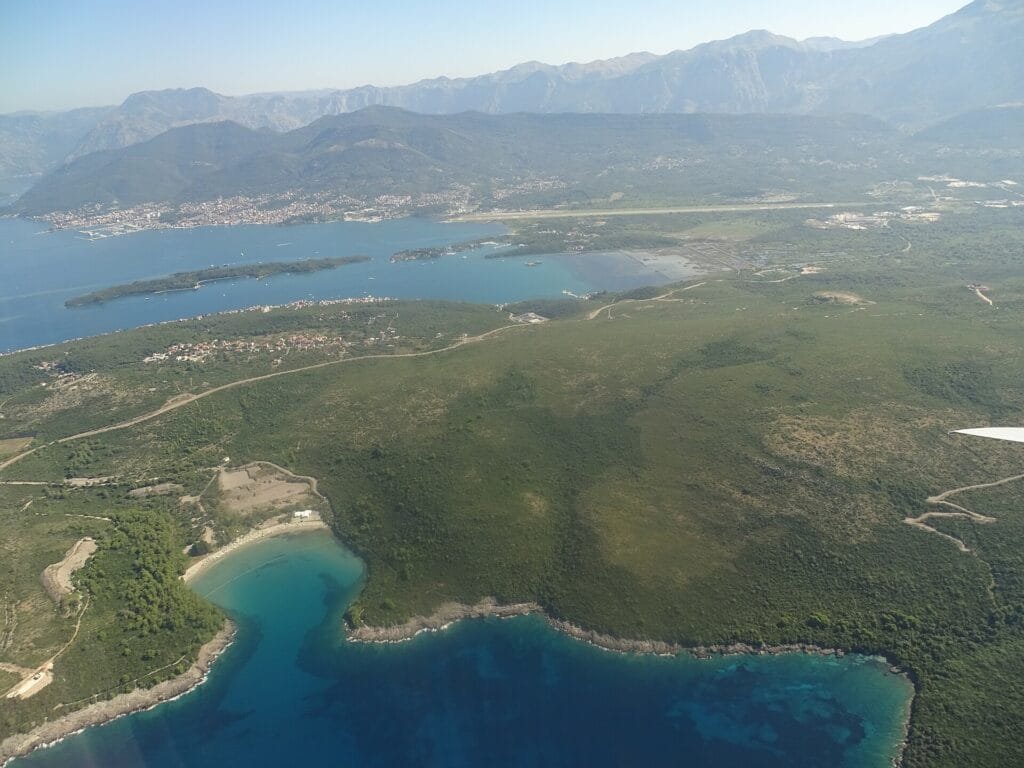
45 minutes south, Budva is Montenegro’s beach resort town — livelier, more developed, significantly more expensive in summer. The old town has its own medieval walls and is genuinely worth an afternoon. The beach clubs and party infrastructure attract a different kind of traveller. Use it as a day trip from Kotor if the night life appeals, but Kotor is the better base.
What to Eat and Drink
Adriatic coastal cooking is built on fresh fish, olive oil, and restraint, the fish is good enough that it doesn’t need much. What the Montenegrin coast adds is its own regional character: smoked ham from the mountains, aged cheese from the plateau, black risotto that turns your teeth briefly interesting.
- Grilled fish: sea bass (brancin), sea bream (orada), whatever the board says is fresh. Priced by weight at most places along the waterfront. €15–25 for a full fish. Order it with blitva (Swiss chard with boiled potatoes, garlic, olive oil), the standard local side.
- Black risotto (crni rižot): squid ink risotto, intensely savoury, turns everything it touches dramatically black. A staple of the Adriatic coast from Montenegro to Croatia. Order it without apology.
- Škamp na buzaru: Adriatic scampi in a sauce of white wine, garlic, breadcrumbs and olive oil. Eaten by tearing them apart with your hands. Provide yourself with extra napkins and no self-consciousness.
- Njegoški pršut: the smoked mountain ham from the Lovćen plateau. Dry-cured and cold-smoked, served thinly sliced. Available everywhere, best eaten with local sheep’s cheese and a glass of Vranac.
- Vranac wine: Montenegro’s indigenous red grape. Medium-bodied, earthy, with a dark fruit profile that works well with the grilled meat and fish. €8–14 a bottle in a restaurant. The white equivalent is Krstač: lighter, slightly floral, good with seafood.
For coffee, Montenegro runs on strong espresso served with a glass of water. Cafés are open all day and the pace is slow. Find a table on a square, order a coffee, and stay for an hour. Nobody is watching the clock.
Getting to Kotor
There’s no airport in Kotor. Two airports serve the bay
- Tivat Airport (TIV): 8km from Kotor, about 15 minutes by taxi (€10–15). The more convenient option if you’re flying directly. Airlines including Air Serbia, Wizz Air, easyJet, and charter operators fly here from European cities, particularly in summer.
- Dubrovnik Airport (DBV): In Croatia, about 90km away. More international connections (including from the US, Middle East, and many European capitals). A bus or shared transfer to Kotor takes 2–2.5 hours across the Croatian border. FlixBus and local operators run this route for €10–20.
Direct flights into Tivat from London, Vienna, Warsaw, Istanbul, and major Russian cities (seasonally). Winter connections thin out significantly. Dubrovnik Airport is the more reliable year-round option.
Where to Stay
Staying inside the old town walls is the obvious first choice, there’s nothing quite like waking up inside a medieval city. Space is limited and availability in peak season requires booking well ahead.
- Budget (€25–50): Private rooms in family-run guesthouses just outside the old town walls, particularly along the north side. Basic but clean, breakfast sometimes included. The host knowledge of local restaurants and ferry schedules is worth the price difference from a hotel.
- Mid-range (€55–110): Boutique hotels and apartments within or just outside the old town. Look for properties with balconies and bay views — they exist at this price point. Hotel Cattaro is reliably good within the walls.
- Splurge (€150–300): Palazzo Radomiri in Dobrota (3km north on the bay) is an 18th-century manor converted into a small hotel with a private dock and pool. The views are extraordinary and the pace is very slow in the best way.
Realistic Budget Breakdown
- Accommodation: €30–110/night depending on style
- Meals: €12–22 for a sit-down dinner with wine. Coffee €1.50–2.50.
- Fortress of St John: €8 entry
- Taxi boat to Our Lady of the Rocks (Perast): €5–7 each way
- Day trip to Budva by bus: €3–5 each way
- Total per day, mid-range: €60–90 comfortably. It’s cheaper than Croatia’s coast by a meaningful margin.
Things Nobody Tells You
- The cruise ship timing is everything. Large ships dock May through September and disgorge thousands of passengers into the old town between roughly 9am and 6pm. After 6pm the passengers reboard. The old town then returns to being a quiet medieval city. If you have any flexibility, avoid the old town during those hours on days when ships are docked, the harbour board outside the south gate lists arrivals.
- The cats are real, not a tourist gimmick. Kotor has been home to a significant cat population for centuries, originally brought on ships as rat control. They are fed, looked after by residents, and very much part of the city’s daily life. The Cat Museum (Muzej Mačaka) in the old town is small and old rather than kitschy.
- Montenegro is cheap by Adriatic standards. Compared to Croatia’s Dalmatian coast: Split, Hvar, Dubrovnik. Montenegro is approximately 30–40% less expensive for equivalent quality accommodation and food. This gap narrows in July and August but doesn’t disappear.
- The Lovćen National Park is one hour away. The mountain plateau above the bay is a different world, cool, forested, with panoramic views down over the bay from the Njegoš Mausoleum at the top. Rent a car or join a day tour. If you have a car, the road up through the switchbacks from Kotor is one of the more dramatic drives in the region.
- Evening walks in the old town are the experience. Once the day-trippers have gone, walking the old town alleys at night, the stone walls lit by wall sconces, cats weaving past your feet, the sound of a guitar from somewhere above — is genuinely one of the better free experiences in the Adriatic.
Get our next underrated destination in your inbox
One offbeat travel guide every Friday. Hidden cities, quieter coastlines, shoulder-season logistics. Free.
Experiences & Activities
Book Tours & Activities in Kotor
Skip the planning stress. Browse hundreds of guided tours, skip-the-line tickets, day trips, and local experiences in Kotor, all bookable online with free cancellation on most options.
Browse Kotor Experiences →Frequently Asked Questions
Is Kotor better than Dubrovnik?
For most travellers, yes, especially if you’re going in summer. Kotor has comparable medieval architecture, a more dramatic natural setting (the enclosed bay versus an open coastline), and significantly fewer tourists. It’s also 30–40% cheaper. Dubrovnik has better restaurants at the higher end and more international flights, but the overtourism problem there is severe in July and August. If you’re choosing one Adriatic walled city and haven’t been to either, start with Kotor.
When is the best time to visit Kotor?
May, early June, and September are ideal: warm, clear, relatively uncrowded, and the cruise ship traffic is lighter than peak summer. July and August are busy and hot (35°C+), but the evening and early morning beauty of the old town still justifies the trip if that’s when you can go. Winter (November–March) is quiet, cheaper, and the bay is extraordinary in mist and low light, though some restaurants and the Tivat Airport connections thin out.
How long should you stay in Kotor?
Two nights gets you the old town properly, the fortress climb, and an evening after the cruise ships have left. Three nights lets you add a day trip to Perast and Budva. Four nights gives you time for the Lovćen National Park drive and a proper slow-morning pace. Most people find two nights feels slightly rushed and wish they’d booked three.
Do I need a visa for Montenegro?
Citizens of EU member states, the US, UK, Canada, Australia, and most other western countries can enter Montenegro visa-free for up to 90 days. Check the official Montenegro e-visa portal for your specific nationality. Montenegro uses the euro despite not being an EU member, which makes currency straightforward.
Is it worth renting a car in Kotor?
If you’re staying more than two nights and want to explore the bay villages, Lovćen, or the inland mountains, a car makes a significant difference. Parking inside the old town isn’t possible and the streets are pedestrian-only, but guesthouses outside the walls have parking. Car rental from Tivat Airport is straightforward through the major international agencies. Driving around the bay on the narrow coastal road is itself worth doing.
More from Packzup
Frequently Asked Questions
Is Kotor worth visiting?
Yes. Kotor rewards travelers who are willing to look beyond the surface. From local food to cultural sites, there is plenty to discover for every type of traveler.
How many days should I spend in Kotor?
Plan for at least 3-4 days to cover the main highlights. A week allows for day trips and a more relaxed pace that lets you experience the destination more deeply.
What is the best way to get to Kotor?
Options typically include flights to the nearest international airport, followed by local transport. Check for direct flight routes from your departure city for the most convenient travel.
Do I need travel insurance for Kotor?
Travel insurance is strongly recommended for any international trip. It covers medical emergencies, trip cancellations, and lost luggage — risks that are expensive to handle out of pocket.
Adriatic comparison: Croatia vs Montenegro
You Might Also Love


Written by
Founder of Packzup. Independent travel writer covering offbeat destinations across six continents since 2018. Every guide is independently researched and self-funded — no press trips, never sponsored.
Before you go: see whether they speak English in Kotor and what to wear, check the tap water, sort your mobile data, and find out if it is a cash or card destination, and brush up on local etiquette.
