
I had Porto filed under “already been everywhere in Portugal” for years before I finally went. Lisbon had the reputation, the Algarve had the postcards, and Porto was just the place that made port wine and had a famous bookshop. That framing, I can now confirm, was completely wrong.
Porto is better than Lisbon. I don’t say that to be contrarian — I say it because every person I know who has been to both, and spent enough time in Porto to actually understand it, says the same thing. The food is more interesting. The architecture is more layered. The city feels more alive, in the way that places feel alive when they’re primarily inhabited by people who actually live there rather than people who are there to photograph it.
This is the guide I put together after three visits. No fluff, no booking affiliate links — just what the city is actually like and how to navigate it well.
What’s in This Guide
- Why Porto right now
- The neighbourhoods that matter
- What to eat and drink
- Getting to Porto
- Where to stay
- Realistic budget breakdown
- Things nobody tells you
- More destination guides
- FAQ
Why Porto Right Now
Porto has been “discovered” for at least a decade, but it’s done something that most discovered cities don’t: it’s grown into tourism without losing its core. The old city is still lived in. The restaurants are still primarily for locals. The trams still run because people need them, not because it’s charming to watch tourists ride them (though it is charming).
The practical argument is also hard to ignore. A sit-down dinner with a bottle of decent Douro wine costs €12–18 here. The same meal in Lisbon costs €25–35. In Barcelona or Rome, €45+. Porto’s food is better than most of those cities. The price gap is significant and it won’t last forever — Lisbon’s inflation has already caught up and Porto’s is a few years behind.
If you’re thinking about going, the window where Porto is both excellent and affordable is open now. It will not always be this open.
The Neighbourhoods That Matter
Ribeira
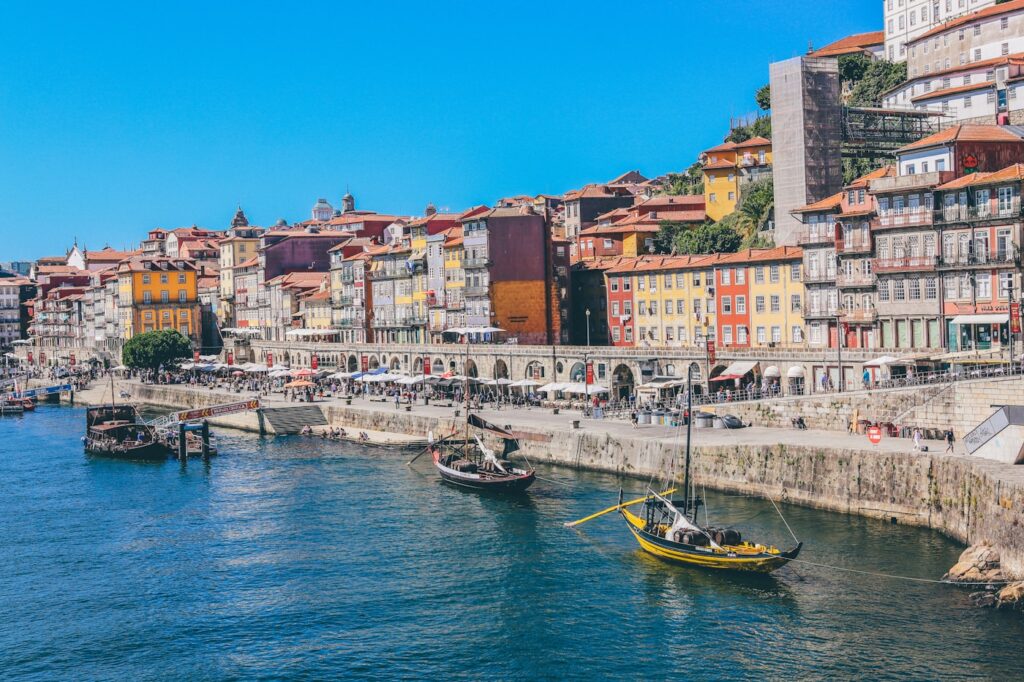
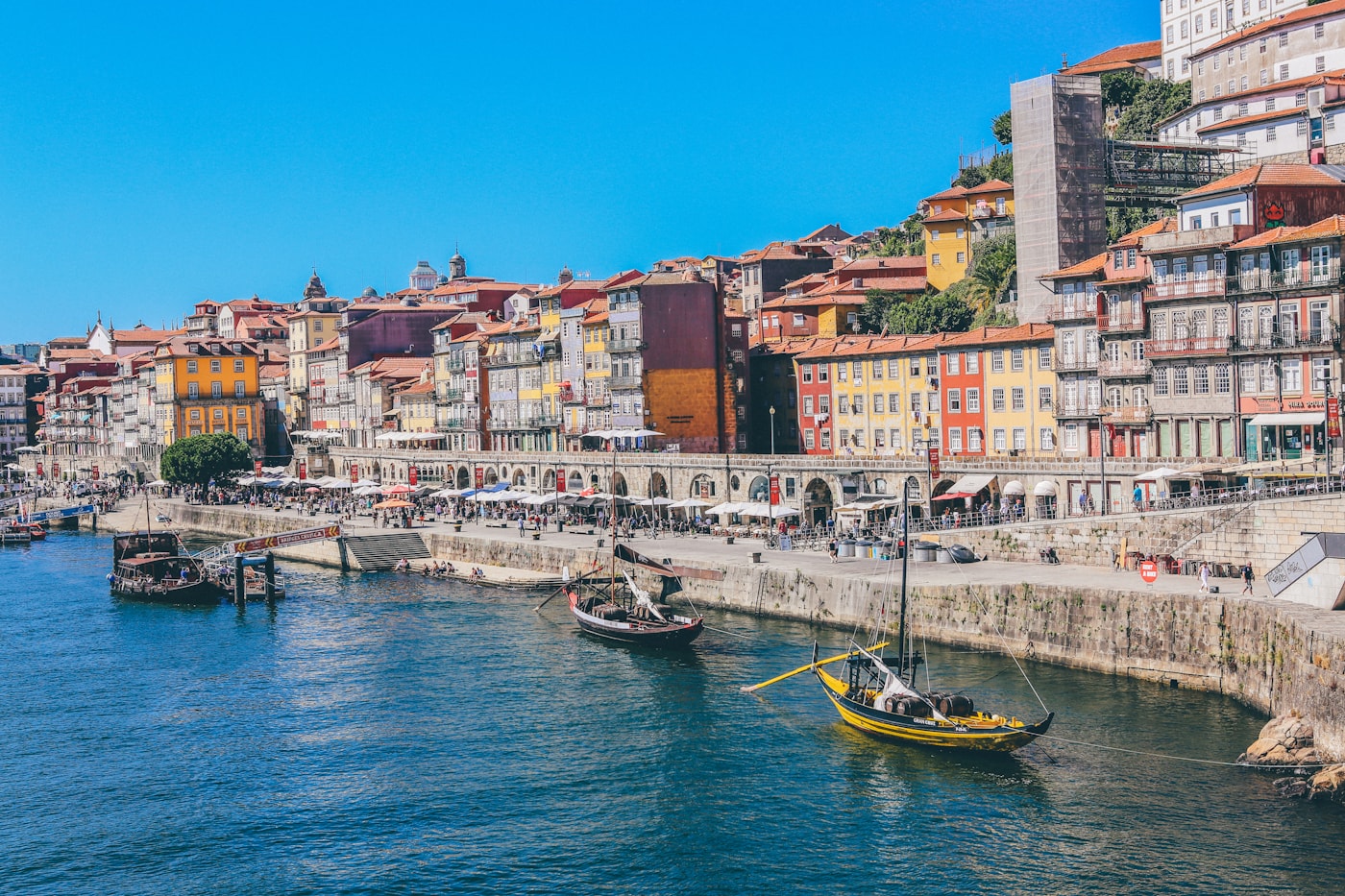
The UNESCO-listed riverside district is where the city’s postcard image comes from — colourful azulejo-tiled facades, boats bobbing on the Douro, the Dom Luís I bridge framing everything at the far end. It’s genuinely as beautiful as photographed. It’s also, during peak hours, thick with tourists and the restaurants on the riverfront promenade are overpriced and mediocre.
The workaround is simple: visit in the morning before 9am or in the evening after 7pm when the day-trippers have left. Walk the alleys behind the main waterfront — Rua da Reboleira, Rua dos Mercadores — and you’ll find the tiled buildings without the crowds. For dinner, walk one block back from the river and the quality immediately improves.
Bonfim
The neighbourhood east of the centre is where Porto’s creative energy has landed. Independent coffee shops, good natural wine bars, ceramics studios, record shops. The buildings still have peeling facades and ageing tile work but the ground floors have been taken over by younger residents who seem to have found a version of city life that’s both local and interesting. Rua de Antero de Quental and the streets around Praça de Lisboa are the nucleus.
This is where I’d stay on a second or third visit. Fewer tourists, better food per euro, and a much clearer sense of what Porto actually is right now rather than what it looked like in 1890.
Foz do Douro
Follow the river west to where it meets the Atlantic and you’re in Foz — the residential end of the city, broad avenues, a long promenade along the ocean, fish restaurants with terraces. The beach isn’t what you come to Porto for, but spending an afternoon here watching the waves crash at the Molhe lighthouse while eating grilled sea bass is a very good use of a day. Take the vintage tram (line 1) along the riverside for the route.
Vila Nova de Gaia
Technically a separate city across the Dom Luís I bridge, but functionally Porto’s south bank. This is where the port wine lodges are — Sandeman, Taylor’s, Graham’s, Ramos Pinto and dozens more, all with their terracotta-roofed warehouses stacked up the hillside. Walk across the lower level of the bridge, pick a lodge, do the tasting. The terrace views back at Ribeira from the Gaia waterfront are the best in the city.
What to Eat and Drink
Porto takes food seriously in a way that isn’t performative about it. The city has a strong sense of its own culinary identity — the dishes are defined and Portuenses are fiercely opinionated about where you should eat them. A few essentials:
- Francesinha — Porto’s signature dish, and nothing like anything else. A toasted sandwich filled with cured meats, steak, and sausage, covered with melted cheese and then flooded with a spiced beer-and-tomato sauce, usually served with chips to soak up the sauce. It’s heavy, it’s ridiculous, it’s exactly right for a cold October lunch. Cafè Santiago on Rua de Passos Manuel is the most argued-about address; Bufete Fase and A Capa Negra are equally valid arguments. Around €12–15.
- Bacalhau — salt cod is Portugal’s obsession and the Portuenses claim 1,001 preparations. Bacalhau com natas (with cream and potato gratin) is the gateway version. Bacalhau à Brás (scrambled with eggs, potato, olives, parsley) is the weekday version. Order it wherever the specials board looks handwritten.
- Bifana — the pork sandwich of Portugal. Thin marinated pork slices, mustard, slightly crusty roll, eaten standing at the counter of a café. Under €3. Look for the queue of workers at lunchtime.
- Tripas à moda do Porto — the tripe stew that gave Portuenses the nickname tripeiros (tripe eaters). An acquired taste, deeply savoury, white beans, chouriço. Order it once at a traditional tasca to understand the city’s culinary history.
- Pastéis de nata — yes, they’re from Lisbon (Pastéis de Belém has the original), but every café in Porto does them and they’re excellent. Have two with an espresso at 10am and you will not regret it.
On wine: the Douro Valley, an hour’s drive east, is one of the world’s great wine regions. The red Douro wines — Touriga Nacional, Touriga Franca blends — are structured and serious. A bottle in a restaurant runs €12–22 for something genuinely excellent. White port with tonic water on the Gaia terrace at sunset is the drink of the trip; order it before you decide you’re above it.
For coffee: Porto takes espresso seriously. Candelabro in Bonfim is both a bookshop and coffee bar, which is a combination that should exist everywhere. Moustache on Rua do Almada has excellent single-origin pour-overs. Café Majestic on Rua de Santa Catarina is beautiful and historic — go once for the Belle Époque interior, not for the coffee (it’s fine).
Getting to Porto
Francisco Sá Carneiro Airport (OPO) is 11km northwest of the centre. It’s one of the best-connected airports in Portugal for budget flights.
- Metro line E (violet): Runs directly from the airport to the city centre. About 35 minutes to Trindade hub, costs €2.50 including the reusable Andante card. The best option with any luggage.
- Uber/Bolt: €12–18 to the old town, 20–30 minutes. Convenient, especially at night.
- Official taxis: Available at the rank, flat rate of about €25 to the city centre. More expensive than apps for no real benefit.
Direct flights from London, Dublin, Edinburgh, Manchester, Amsterdam, Paris, and most major European cities — Ryanair, easyJet, Wizz Air, TAP, and others. From the US: TAP flies direct from New York, Boston, Newark, and a few other cities into Lisbon with easy onward connections; direct Porto flights from North America are rarer but increasing.
Where to Stay
For a first visit, staying in or close to Ribeira gives you the best morning and evening access to the old city. For return visits or if you prefer a local feel, Bonfim is worth considering.
- Budget (€20–40): The hostel scene in Porto is genuinely excellent. Gallery Hostel in Bonfim and Equity Point Porto near the centre both have strong social scenes and reliable facilities. Private rooms available at most.
- Mid-range (€50–100): The best value is in the small guesthouses and boutique hotels on the side streets of Ribeira and Miragaia. Many are in converted townhouses with the original tile work — look for places with 4.5+ stars on Booking and read the actual reviews carefully. Breakfast often included.
- Splurge (€120–200): Torel Avantgarde has extraordinary public spaces (the bar alone is worth a drink). The Yeatman in Vila Nova de Gaia is the hotel for anyone who wants a serious wine list and a view of the city across the river.
Realistic Budget Breakdown
- Accommodation: €25–100/night
- Meals: €8–18 for a full sit-down lunch or dinner with wine. Bifana or pastel de nata from a café: €2–3.
- Port wine tasting (Gaia lodge): €15–25 for a guided tasting of 3–4 wines
- Metro (unlimited day pass): €7.60
- Tram line 1 (Ribeira to Foz): €4 one way (old tram, tourist pricing)
- Serralves Museum entry: €10
- Total per day, mid-range: €65–100 comfortably. Budget travellers can do €40–50.
Things Nobody Tells You
- The viewpoints (miradouros) are all free and worth every one. Serra do Pilar monastery on the Gaia side gives the best panoramic view of Porto. Jardim do Morro park below it is excellent at sunset. Miradouro da Vitória above Ribeira gives a rooftop-level view of the old town’s terracotta roofs. None of them cost anything.
- Livraria Lello requires a ticket now. The famous “Harry Potter bookshop” (the connection is tenuous) charges €8 entry, redeemable against a book purchase. It’s genuinely a beautiful Art Nouveau interior. But if you’re not buying a book, it’s expensive for what amounts to five minutes of looking at a staircase. The Livraria Bertrand in Lisbon is older, free, and also beautiful.
- Book the Douro Valley for a day. Rent a car or join a wine tour. An hour east of Porto, the terraced vineyards along the river valley are extraordinary — and at the end of any trail there’s a quinta offering tastings at a table with a view over the river. It’s one of the best day trips in Europe.
- The 28 tram is for photos, not transport. Line 28 in Lisbon is famously overcrowded with tourists. Porto’s vintage trams are less extreme, but line 1 to Foz during peak hours requires patience. Budget an extra 15 minutes or take an Uber if you’re on a schedule.
- Try the Super Bock. The Portuguese lager that isn’t Sagres. Extremely cold, slightly less sweet, €1.50–2.00 in a proper café. It pairs surprisingly well with a Francesinha and it’s just genuinely good.
Get our next underrated destination in your inbox
One offbeat travel guide every Friday. Hidden cities, quieter coastlines, shoulder-season logistics. Free.
Experiences & Activities
Book Tours & Activities in Porto
Skip the planning stress. Browse hundreds of guided tours, skip-the-line tickets, day trips, and local experiences in Porto — all bookable online with free cancellation on most options.
Browse Porto Experiences →Frequently Asked Questions
Is Porto worth visiting or is it just a cheaper Lisbon?
Porto is not a cheaper Lisbon — it’s a different city with its own distinct character, food culture, and architectural identity. Most travellers who spend meaningful time in both say they prefer Porto. The azulejo tile work is more elaborate, the food is more distinctively regional, the wine culture is more accessible, and the city feels less hollowed-out by mass tourism. If you’re choosing between them, visit Porto first.
How many days do you need in Porto?
Three full days covers the old town, a port wine tasting in Gaia, the main viewpoints, and enough food stops to build a proper picture of the cuisine. Four or five days lets you do the Douro Valley properly (the day trip alone justifies at least a half day each way), walk Bonfim, and get to Foz for the Atlantic end of the city. Most people who stay four days wish they’d booked five.
What’s the best time to visit Porto?
May, June, and September are ideal — warm (20–26°C), relatively dry, and without the peak summer crowds of July and August. The Festa de São João on June 23rd–24th is Porto’s biggest annual celebration: the entire city is in the streets, plastic hammers are used to hit strangers’ heads (it’s a tradition, it’s fine), and it’s one of the more joyful public events in Europe. Winter is mild (10–15°C), grey and rainy but functional, with significantly lower prices and almost no crowds at the main sites.
Is it safe to drink tap water in Porto?
Yes. Portuguese tap water is among the cleanest in Europe — treated, regularly tested, and safe to drink directly from the tap. Skip the bottled water and use a refillable bottle. Restaurant staff sometimes bring bottled water automatically; you can ask for tap (água da torneira) to avoid being charged for it.
Do I need to speak Portuguese in Porto?
No — English is widely spoken at hotels, restaurants, and tourist-facing businesses throughout Porto. In more local tascas and neighbourhood cafés, the older generation may speak little English, but pointing at a menu and a warm obrigado (thank you) goes further than you’d expect. Learning five to ten basic Portuguese words gets you a noticeably warmer reception everywhere.
What currency does Portugal use and how do payments work?
Portugal uses the euro. Card payment is universally accepted in Porto — hotels, restaurants, shops, cafés, and most market stalls. Contactless payments work almost everywhere. Keep a small amount of cash (€20–30) for street food carts, small market vendors, and the occasional tasca that runs on old-school cash-only principles. ATMs are abundant; bank ATMs charge lower fees than independent machines.