
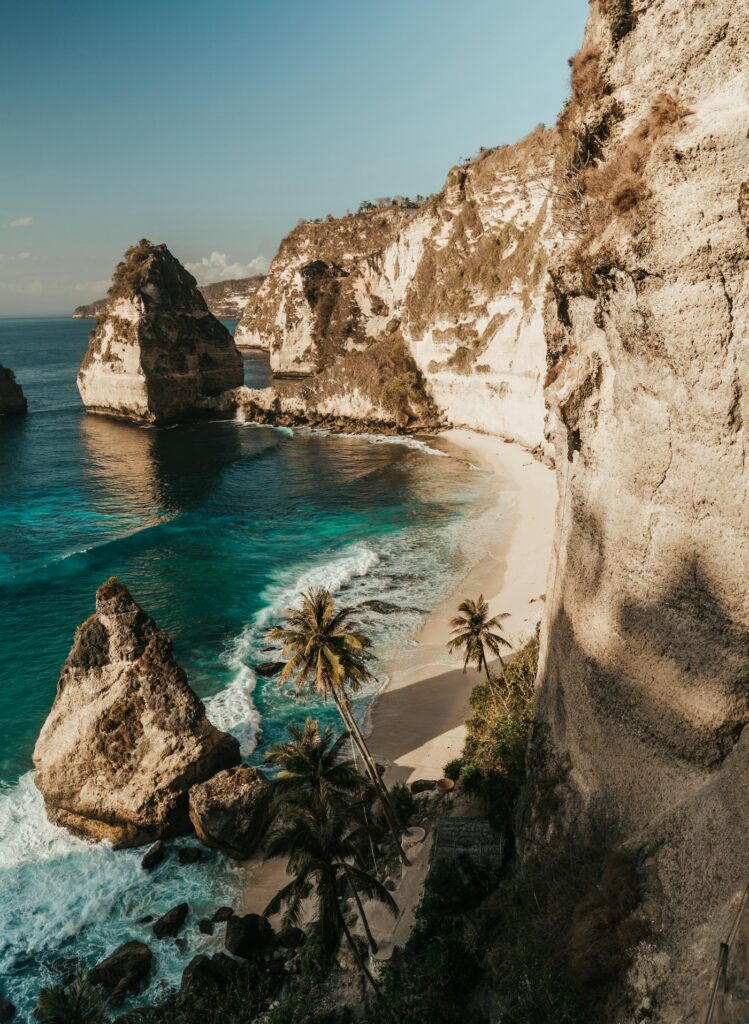
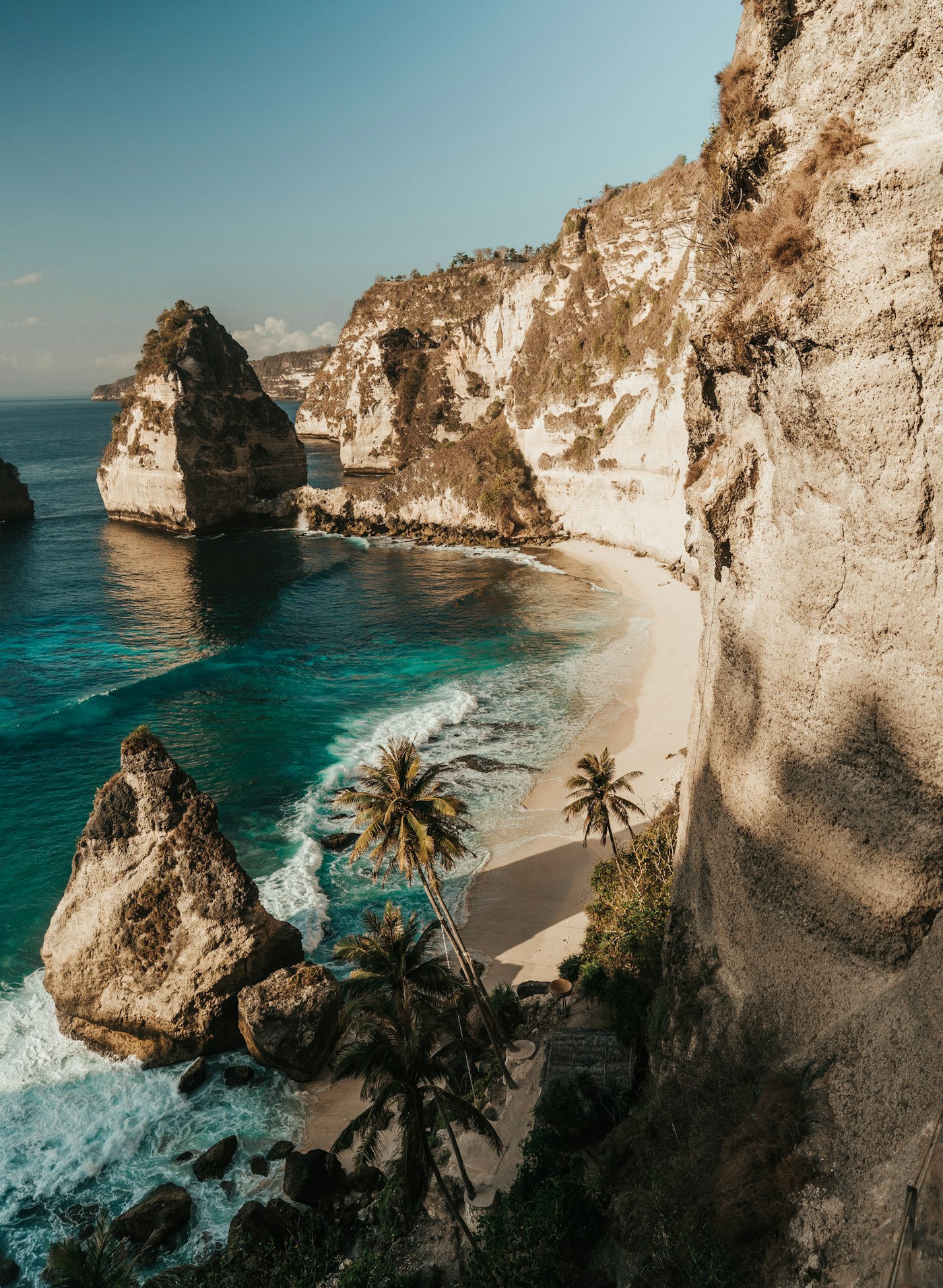
The simple answer to “when should I visit Bali?” is April to October: the dry season, when the days are clear, the rice terraces are green, the beaches are swimmable, and the ceremonies at the island’s thousands of temples proceed uninterrupted by afternoon downpours. But the simple answer leaves out something important: July and August inside that dry season are when Bali is most expensive, most crowded, and most different from the version of the island that draws people back.
May, June, and September are the current sweet spots. The weather is as good as July and August — often better in September, when the dry season is settling into its most reliable period — but the crowd levels at Ubud’s rice terraces, the Tegallalang valley, and the beach clubs of Seminyak are noticeably more manageable. Prices for accommodation drop 20–40 percent from the August peak. And the island feels more like itself: the morning temple offerings, the gamelan rehearsals, the family compounds — things you can actually observe when you’re not three deep in a queue.
This guide breaks down the real trade-offs across the year.
What’s in This Guide
- Quick answer
- Season by season
- Month-by-month summary
- Best areas by season
- Best time by travel style
- Key events and ceremonies
- More destination guides
- FAQ
Quick Answer
The best time to visit Bali is May–June or September. These months sit within the dry season and before/after the July–August peak crowds. You get the clear skies and low humidity of the dry season without the school holiday surge. The wet season (November–March) is not as dramatic as people expect — mornings are often clear, rain falls mainly in heavy afternoon showers, and prices are significantly lower — but some attractions and surf spots are affected. The absolute quietest period for prices is November, and if you’re going for the culture rather than the beach, the wet season has real merits. Avoid July–August if you have flexibility, and avoid the Christmas–New Year week if budget matters.
Season by Season
Dry Season (April–October)
Bali’s dry season is driven by southeast trade winds from the Australian continent that push moisture away from the island. Days are warm (27–32°C), nights cool enough to sleep without air conditioning in the highlands, and humidity is at its lowest. The rice terraces are in various stages of cultivation — the iconic stepped-field green is most vivid when the paddies are young and freshly planted, which varies by location and doesn’t follow a fixed seasonal calendar. The Tegallalang terraces north of Ubud and the Jatiluwih terraces in central Bali are the most reliably photogenic.
Within the dry season, July and August are the peak. Australian school holidays drive the single largest tourist wave — Bali is Australia’s most popular international destination and its school holiday timing shapes the island’s high season more than any other factor. European summer holidays add to this. The result: Canggu’s surf breaks with queues, Ubud’s Monkey Forest with queues, the Tegallalang rice terraces with queues, and hotels priced at their yearly maximum. May, June, and September have the same weather with a fraction of the pressure.
Shoulder Season (April and October)
April and October are transition months — typically dry with occasional showers appearing as the seasons shift. April marks the entry into the dry season: most days are clear, the wet season is winding down, and prices are beginning to rise towards the May–June shoulder period. It’s a good month that’s slightly underused. October works in the other direction — the dry season is ending, occasional afternoon storms return, but morning conditions are generally good and prices have dropped from the August peak. Both months are solid choices with the slight caveat that weather is less predictable than June or September.
Wet Season (November–March)
Bali’s wet season is less extreme than many people expect. The pattern is consistent: mornings are usually clear and bright, the heat builds through midday, and heavy tropical rain arrives in the afternoon or evening — often intense for an hour or two before clearing. This leaves mornings usable for sightseeing, temple visits, and outdoor activities, and afternoons for indoor time, cafés, or spa days. The rice terraces are at their most lush and brilliant green during the wet season — the paddies are newly planted and the colour intensity is exceptional.
The exceptions: surf spots on the southwest coast (Kuta, Seminyak, Canggu) are affected by the wet season swell pattern — conditions can be excellent or chaotic depending on the specific storm track. The east coast (Amed, Candidasa) and north coast (Lovina) are drier in the wet season than the south and west. December’s Christmas and New Year week is a major exception to wet-season pricing — despite the rain, this is the most expensive week of the year, when Bali fills with Australian and European visitors on holiday regardless of weather.
Nyepi — The Day of Silence
Nyepi is the Balinese Hindu New Year and one of the most extraordinary events in Southeast Asia. The date falls on the new moon of the Saka calendar — usually in March, occasionally in late February or early April. For 24 hours starting at 6am, the entire island of Bali shuts down completely. No lights, no fires, no working, no travel. The airport is closed. Roads are empty. Tourists are required to stay in their hotels. The island is genuinely silent — the silence is enforced by community patrol groups (pecalang) who walk the streets. The night sky fills with stars over a blacked-out island. It is one of the most unusual and memorable experiences available to a traveller anywhere, and completely unique to Bali. If you can be on the island for Nyepi, be on the island for Nyepi.
Month-by-Month Summary
- January: Wet season. Warm and humid with afternoon rain. Rice terraces very green. Low prices outside Christmas hangover period. Excellent for cultural visits.
- February: Wet season continues. Nyepi can fall in late February some years — check the Balinese calendar. Surf on the west coast can be good. Low prices.
- March: Wet season with Nyepi usually this month. Ogoh-ogoh parade (giant demon effigies carried through the streets the night before Nyepi) is extraordinary to witness. Transitioning to dry towards month end.
- April: Dry season beginning. Mostly clear days with occasional showers. Good month with moderate prices. Temple ceremonies beginning to intensify.
- May: Excellent. Dry, clear, relatively uncrowded, prices below peak. One of the best months of the year.
- June: Excellent. Still pre-peak. Clear days, good surf, manageable beach clubs, prices reasonable. Strong recommendation.
- July: Peak season. Australian and European school holidays. Crowded and expensive. Weather good but the experience is different from May.
- August: Peak continues. Most expensive accommodation of the year. Kuta, Seminyak, Canggu, and Ubud at maximum tourist volume. Late August prices begin to ease.
- September: Excellent. Peak crowds gone. Dry season still in good form. Prices dropping. Often the best month of the year overall.
- October: Transition to wet season. Mornings still dry, afternoon showers appearing. Good prices. East and north Bali drier than south.
- November: Cheapest month. Wet season in full swing but manageable pattern of morning-clear/afternoon-rain. Good for budget travellers and culture-focused visits.
- December: Wet season but Christmas–New Year week is most expensive. Book ahead for the holiday period. Rest of December reasonable. Good for those who don’t mind rain.
Best Areas by Season
- Ubud (cultural centre, highlands): Best April–June and September–October. The highland location means it can be cooler and cloudier even in dry season. The rice terraces are magnificent in any month — wet season green is actually more vivid than dry season. Avoid July–August for Monkey Forest and rice terrace viewpoint crowds.
- Seminyak, Kuta, and Canggu (beach and surf): Best May–September for surf conditions and beach weather. Avoid December–February for consistent beach use. The beach club and nightlife culture here peaks in July–August and the Christmas–New Year week.
- Uluwatu (clifftop temples and surf): Best April–October for the south-facing swells that make the break world-class. The Uluwatu Temple sunset ceremony (Kecak dance against the clifftop backdrop) runs year-round but is best appreciated in dry season when the setting sun is unobscured.
- Amed and East Bali (diving, snorkelling, quieter pace): Good year-round but best October–April — the east coast sits in Bali’s rain shadow and is drier during the wet season than the south. The USS Liberty wreck dive at Tulamben is best in the calmer November–April sea conditions.
- North Bali / Lovina: The driest part of Bali year-round. Good in any month, particularly useful as a wet-season escape from the wetter south. Dolphin boat trips at sunrise are the main draw.
Best Time by Travel Style
- Beach and pool holidays: May–June and September for the best combination of dry weather and lower prices. July–August for those who don’t mind the crowds. Avoid November–January for consistent beach use on the south and west coast.
- Surfing: April–October for the reliable dry season swells on the west coast (Kuta, Canggu, Uluwatu). November–March brings larger and less predictable swells — good for experienced surfers, less so for intermediates.
- Culture and temples: Year-round, but November–March in the wet season is when the Balinese temple ceremony calendar is busiest. The island is most itself when the tourists are fewest. Nyepi (usually March) is the unmissable cultural event.
- Yoga and wellness retreats: Ubud-based retreats run year-round. May and September offer the best combination of pleasant highland climate and manageable visitor numbers at the studios and wellness centres.
- Budget travellers: November is the cheapest month — significantly lower prices on accommodation and fewer tourists at attractions. The wet season pattern (clear mornings, afternoon showers) allows full morning sightseeing.
- Families: July–August for school holiday alignment, or April in many European school calendars. Accept the crowds or choose less-visited areas (east Bali, north Bali) for a more relaxed family experience.
Key Events and Ceremonies
- Nyepi (Balinese New Year / Day of Silence) — Usually March (Saka calendar new moon). 24 hours of complete island silence. Airport closed. Roads empty. Required hotel stay becomes one of the most memorable experiences in travel. The night before, the Ogoh-ogoh parade — giant papier-mache demons carried through the streets to drums and fire — is extraordinary to witness.
- Galungan and Kuningan — Occurs roughly every 210 days (Pawukon calendar). Galungan celebrates the victory of dharma over adharma and runs for 10 days ending with Kuningan. Every village road is lined with penjor — tall decorated bamboo poles arching over the street — and the island’s temple life reaches its peak intensity. Check the calendar for dates during your planned visit.
- Saraswati Day — Every 210 days (Pawukon calendar). The day celebrating the Hindu goddess of learning and the arts. Books and musical instruments are blessed at temples, school children carry offerings. A visible and beautiful ceremony across the island.
- Kecak Fire Dance, Uluwatu — Nightly at sunset, Uluwatu Temple. The temple’s clifftop setting with the ocean beyond and the sun setting into it provides the backdrop for the nightly Kecak performance — the chanting circle of men, the Ramayana story, the fire dance finale. Arrive 30 minutes early for a good position. Runs year-round.
- Bali Spirit Festival, Ubud — April (dates vary). World music, yoga, and dance festival drawing international practitioners to Ubud for a week of performances and workshops. One of Southeast Asia’s best wellness festivals.
- Ubud Writers and Readers Festival — October. An international literary festival drawing authors, journalists, and thinkers from across Asia and beyond for panels and readings in the grounds of the royal palace. One of the best literary events in the region.
Get the best destination timing tips in your inbox
One practical travel guide every Friday. When to go, what to skip, how to save. Free.
Experiences & Activities
Find & Book Tours in Bali
Browse thousands of guided tours, day trips, and experiences across Bali — from cultural walks to adventure activities. Book in advance to secure the best availability.
Browse Bali Experiences →Frequently Asked Questions
What is the best month to visit Bali?
May, June, and September are the strongest recommendations. All three sit within the dry season and outside the July–August peak crowd period. You get clear skies and low humidity without the school holiday surge. September has a slight edge for overall conditions — the dry season is at its most settled, the summer tourist wave has passed, and prices have dropped from the August peak. For the best combination of cultural experience and good weather, late September through early October is exceptional.
Is Bali’s rainy season really that bad?
No — it’s significantly more manageable than its reputation suggests. The wet season pattern is predictable: mornings clear and usable, heavy rain in the afternoon or evening for one to two hours, then clearing. This gives you the entire morning for sightseeing, temple visits, rice terrace walks, and outdoor activities. The rice paddies are at their most vivid green. Prices are substantially lower. The island is less crowded. The main genuine trade-off is inconsistent beach conditions on the south and west coasts. If you’re there for the culture, the food, and the temples rather than the beach, November to March is a legitimate and cost-effective time to visit.
What is Nyepi and should I plan my trip around it?
Nyepi is the Balinese Hindu New Year, celebrated as a Day of Silence — 24 hours of complete island shutdown. The airport closes, roads are empty, lights are extinguished, and all tourists are required to stay in their accommodation. It typically falls in March (occasionally late February or early April). The night before Nyepi, the Ogoh-ogoh parade fills Denpasar and every village with enormous papier-mache demon effigies carried by chanting groups — one of the most visually extraordinary events in Southeast Asia. Staying in Bali for Nyepi and experiencing the silence and darkness is genuinely memorable. If you need to fly in or out during those 24 hours, plan around the date carefully — the airport closure is absolute.
How crowded is Bali in July and August?
July and August are Bali’s peak tourist months, driven primarily by Australian and European school holidays. The most popular areas — Seminyak, Kuta, Canggu, the Monkey Forest in Ubud, the Tegallalang rice terraces — see significant crowds. Beach clubs require reservations. Popular restaurants have waits. Accommodation prices are at their yearly maximum. The experience is still very good — Bali is large enough that quieter areas exist even at peak season — but it’s noticeably different from the shoulder months. If your schedule is fixed on July or August, focus your itinerary on less-visited parts of the island: east Bali (Amed, Candidasa), north Bali (Lovina), and the inland villages of Sidemen and Munduk.
Is Bali good for surfing year-round?
The west and south coast breaks (Kuta, Canggu, Uluwatu, Padang Padang) are best from April to October, when the dry season southeast swell provides consistent, rideable waves for all levels. These months are prime surf season. November to March brings larger, more powerful swells that are better suited to experienced surfers and can make beginner breaks like Kuta choppy and inconsistent. The east coast (Nusa Dua, Sanur) is more sheltered and suitable for beginners year-round. For those travelling specifically for surfing, May and September are the sweet spots — good consistent swells with fewer other surfers in the water.