
Last updated September 16, 2026 · Editorial policy
- How New York's seasons actually behave
- Hotel prices: the seasonality that actually matters
- Summer: hotter and stickier than the averages suggest
- Hurricane remnants, nor'easters, and other wildcards
- The event anchors that move the calendar
- The shoulder-season sweet spots
- Month by month at a glance
- The worst times, honestly
The short answer: the best times to visit New York City are late April through early June and mid-September through early November, when average highs run roughly 60–78°F (16–26°C) and the event calendar is at full strength. The cheapest window is early January through February, when hotel-price trackers put average nightly rates near $196 against a citywide 2025 average of $333.71. The most expensive, most crowded stretch runs from Thanksgiving week through New Year’s Eve, when December averages climb past $500 a night. July and August work for travelers who tolerate heat: normal highs reach 84.9°F (29°C) with heavy humidity, but the city compensates with restaurant deals and free programming. The month-by-month math follows.
How New York’s seasons actually behave
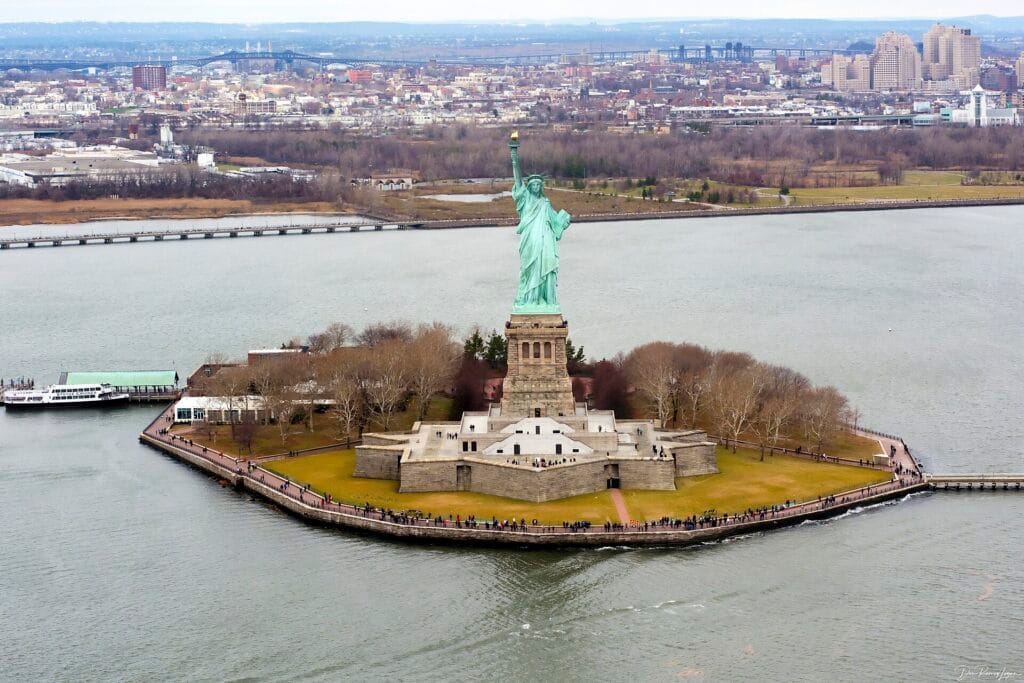
New York has four genuine seasons, and the official numbers frame every trade-off. Under the National Weather Service’s 1991–2020 climate normals for Central Park, January is the coldest month, averaging a 39.5°F (4°C) high and a 27.9°F (-2°C) low, while July is the warmest at 84.9°F (29°C) and 70.1°F (21°C).
The detail that surprises planners: precipitation is nearly even across the year. Central Park averages 49.52 inches (1,258 mm) annually, and every month falls between February’s 3.19 inches (81 mm) and July’s 4.60 inches (117 mm). There is no dry season to target and no monsoon to dodge; a rain layer belongs in the bag in any month. Snow is a different matter. The city averages 29.8 inches (76 cm) per season, concentrated from December through March, with February the snowiest month at 10.1 inches (26 cm) on average.
Hotel prices: the seasonality that actually matters
New York hotels run full and expensive. The citywide average daily rate hit a record $333.71 in 2025 with occupancy of 84.1 percent, the highest of any major US market, so “cheap” is always relative here. The seasonal swings, however, are large and predictable.
The trough is early January through February, once New Year’s visitors leave. Booking-platform data puts January hotel averages near $196 a night, roughly 40 percent below the annual citywide average, and the off-season lull typically lasts through February. The peak is December, averaging about $541 a night, more than 60 percent above the annual average, with rates typically at their highest around the Christmas-to-New-Year stretch. Thanksgiving week, marathon weekend in early November, and the United Nations General Assembly’s high-level week in late September (which squeezes Midtown East in particular) are the other reliable surge dates. Value hunters should aim at the stretch from about January 5 to mid-February, when the winter editions of NYC Restaurant Week and NYC Broadway Week (both January 20 to February 12 in 2026) stack prix-fixe menus and two-for-one theater seats on top of the year’s lowest room rates.
Summer: hotter and stickier than the averages suggest
July’s normal high of 84.9°F (29°C) understates how summer feels at street level. Central Park averages about 17 days a year at 90°F (32°C) or hotter, most of them from June through August, and Manhattan’s concrete holds that heat deep into the evening. Humidity is the real tax: the air regularly feels thicker than the thermometer implies, and subway platforms, which trap heat from trains and machinery, routinely feel hotter than the street above. July is also the wettest month on average at 4.60 inches (117 mm), much of it arriving in short, violent afternoon thunderstorms.
Summer still earns its crowds. The summer edition of NYC Restaurant Week ran July 20 to August 16 in 2026 with fixed-price menus at hundreds of restaurants, free outdoor programming fills the parks, and the US Open brings championship tennis to Flushing Meadows from late August. Visitors who book air-conditioned rooms, schedule indoor afternoons, and treat evenings as prime time can do summer well. Those who wilt in humidity should hold out for the shoulder seasons.
Hurricane remnants, nor’easters, and other wildcards
The Atlantic hurricane season runs June 1 to November 30, with its statistical peak from late August into September. Direct hurricane landfalls on the city are rare; remnant storms are the practical risk. On September 1, 2021, the remains of Hurricane Ida dropped 3.15 inches (80 mm) of rain on Central Park in a single hour, nearly double the 1.75 inches (44 mm) per hour the city’s sewers were built to handle, flooding streets and halting subways. Superstorm Sandy arrived even later in the season, making landfall in late October 2012. None of this makes a late-summer or fall trip a bad bet; it makes flexible bookings and travel insurance sensible ones for the September–October window.
Winter’s wildcard is the nor’easter, the coastal storm type behind the city’s biggest snows. Most seasons land near the 29.8-inch (76 cm) average, but the spread is enormous: the 1995–96 season delivered 75.6 inches (192 cm), and February 2010 alone produced 36.9 inches (94 cm). A January or February visitor should build one flexible day into the itinerary in case flights or trains stall.
The event anchors that move the calendar
New York’s headline events are worth planning around, either to join them or to dodge their price effects. The verified anchors:
- Winter NYC Broadway Week and Restaurant Week: January 20 to February 12 in 2026, with two-for-one Broadway seats and prix-fixe menus at more than 600 restaurants. A second Broadway Week edition typically runs in early fall (September 8–20 in 2026).
- Tribeca Festival: June 3–14 in 2026, the festival’s 25th edition, across downtown Manhattan venues.
- NYC Pride: Pride Week fell on June 22–28 in 2026, with the Pride March on Sunday, June 28, the anniversary of the 1969 Stonewall Uprising.
- Summer NYC Restaurant Week: July 20 to August 16 in 2026, with some restaurants extending toward Labor Day.
- US Open tennis: August 23 to September 13 in 2026 at Flushing Meadows, with free-admission Fan Week August 23–29 and the main draw from August 30.
- TCS New York City Marathon: Sunday, November 1, 2026, finishing in Central Park. Hotel rates jump citywide that weekend.
- Macy’s Thanksgiving Day Parade: Thursday, November 26, 2026, and a milestone one: the parade’s 100th edition, likely to make an already packed week busier still.
- Times Square Ball Drop: every December 31. Spectators typically enter viewing pens by early afternoon and stand for hours without re-entry.
The shoulder-season sweet spots
Two windows combine good weather, full programming, and sane (if never cheap) prices. The first is late April through early June: average highs climb from 61.8°F (17°C) in April to 79.7°F (26°C) in June, the parks bloom, and the humidity has not yet settled in. Early June adds the Tribeca Festival; late June adds Pride crowds and Pride pricing.
The second is the day after Labor Day through early November. September averages a 76.2°F (25°C) high and cools week by week; October is the classic month, with a 64.5°F (18°C) average high, crisp air, and park foliage that typically peaks from late October into early November; and the first days of November keep most of October’s virtues. The caveats are calendar-driven: late September’s UN week squeezes Midtown hotels, and marathon weekend (November 1 in 2026) spikes rates citywide.
Month by month at a glance
| Month | Avg high / low | Precipitation | Crowds & hotel rates | Verdict |
|---|---|---|---|---|
| January | 39.5 / 27.9°F (4 / -2°C) | 3.6 in (92 mm), some snow | Low crowds; cheapest rates of the year | Best value; pack for real cold |
| February | 42.2 / 29.5°F (6 / -1°C) | 3.2 in (81 mm); snowiest month | Low crowds; bargain tier | Deal season: Broadway and Restaurant Week |
| March | 49.9 / 35.8°F (10 / 2°C) | 4.3 in (109 mm) | Moderate; rates typically begin climbing | Changeable weather; a transition month |
| April | 61.8 / 45.5°F (17 / 8°C) | 4.1 in (104 mm) | Building; mid-tier rates | Spring proper from mid-month on |
| May | 71.4 / 55.0°F (22 / 13°C) | 4.0 in (101 mm) | High; high rates | Prime weather; book well ahead |
| June | 79.7 / 64.4°F (26 / 18°C) | 4.5 in (115 mm) | High; high rates | Tribeca and Pride; early June is the pick |
| July | 84.9 / 70.1°F (29 / 21°C) | 4.6 in (117 mm); wettest | High tourist crowds; upper-mid rates | Hot and humid; Restaurant Week softens it |
| August | 83.3 / 68.9°F (29 / 21°C) | 4.6 in (116 mm) | High; upper-mid rates | Sticky; US Open from late month |
| September | 76.2 / 62.3°F (25 / 17°C) | 4.3 in (109 mm) | Moderate-high; UN week spikes Midtown | Excellent once Labor Day passes |
| October | 64.5 / 51.4°F (18 / 11°C) | 4.4 in (111 mm) | High; peak-season rates | The classic month: foliage and crisp air |
| November | 54.0 / 42.0°F (12 / 6°C) | 3.6 in (91 mm) | Spikes at marathon and Thanksgiving | Great early; expensive and packed late |
| December | 44.3 / 33.8°F (7 / 1°C) | 4.4 in (111 mm), some snow | Peak crowds; priciest month (~$541 avg) | Festive and costly; late month is the crush |
The worst times, honestly
Every month has a case, but a few windows fail the cost-benefit test for most travelers. Skip these unless the event itself is the point:
- December 26 to January 1: typically the most expensive week of the year, inside a month that already averages about $541 a night. Fifth Avenue and the Rockefeller Center area become shoulder-to-shoulder, and Ball Drop viewing means hours of standing in winter cold with no re-entry. Worth it only for travelers who specifically want New Year’s Eve in Times Square.
- Thanksgiving week (November 23–29 in 2026): hotels price at a hard premium, and parade morning closes a roughly 2.5-mile corridor from Central Park West to Herald Square. The 100th-anniversary parade in 2026 will likely intensify both effects.
- Mid-July through mid-August, for the heat-averse: the hottest, most humid stretch of the year, with most of the city’s roughly 17 annual 90°F (32°C) days and the wettest monthly averages.
- Late September’s UN high-level week, for Midtown East stays: motorcades, security closures, and some of the year’s highest Midtown rates. Staying downtown or in Brooklyn largely sidesteps it.
- Marathon weekend (October 30 to November 1 in 2026), for non-runners: a five-borough Sunday of road closures and citywide rate spikes for a race most visitors are not there to see.
- Deep-winter cold snaps in late January: statistically the coldest days of the year, with lows averaging 27.9°F (-2°C) and occasional single-digit-Fahrenheit outbreaks. This is also the cheapest window, so budget travelers may choose to embrace exactly what everyone else avoids.
You Might Also Love



Written by
Founder of Packzup. Independent travel writer covering offbeat destinations across six continents since 2018. Every guide is independently researched and self-funded — no press trips, never sponsored.
