
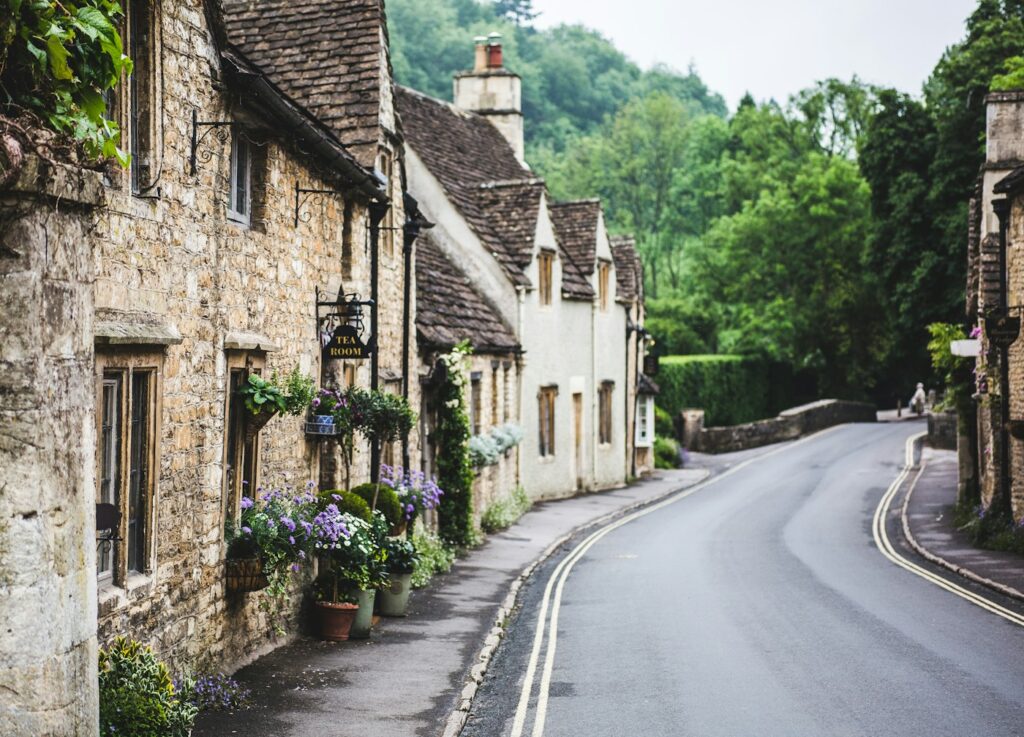
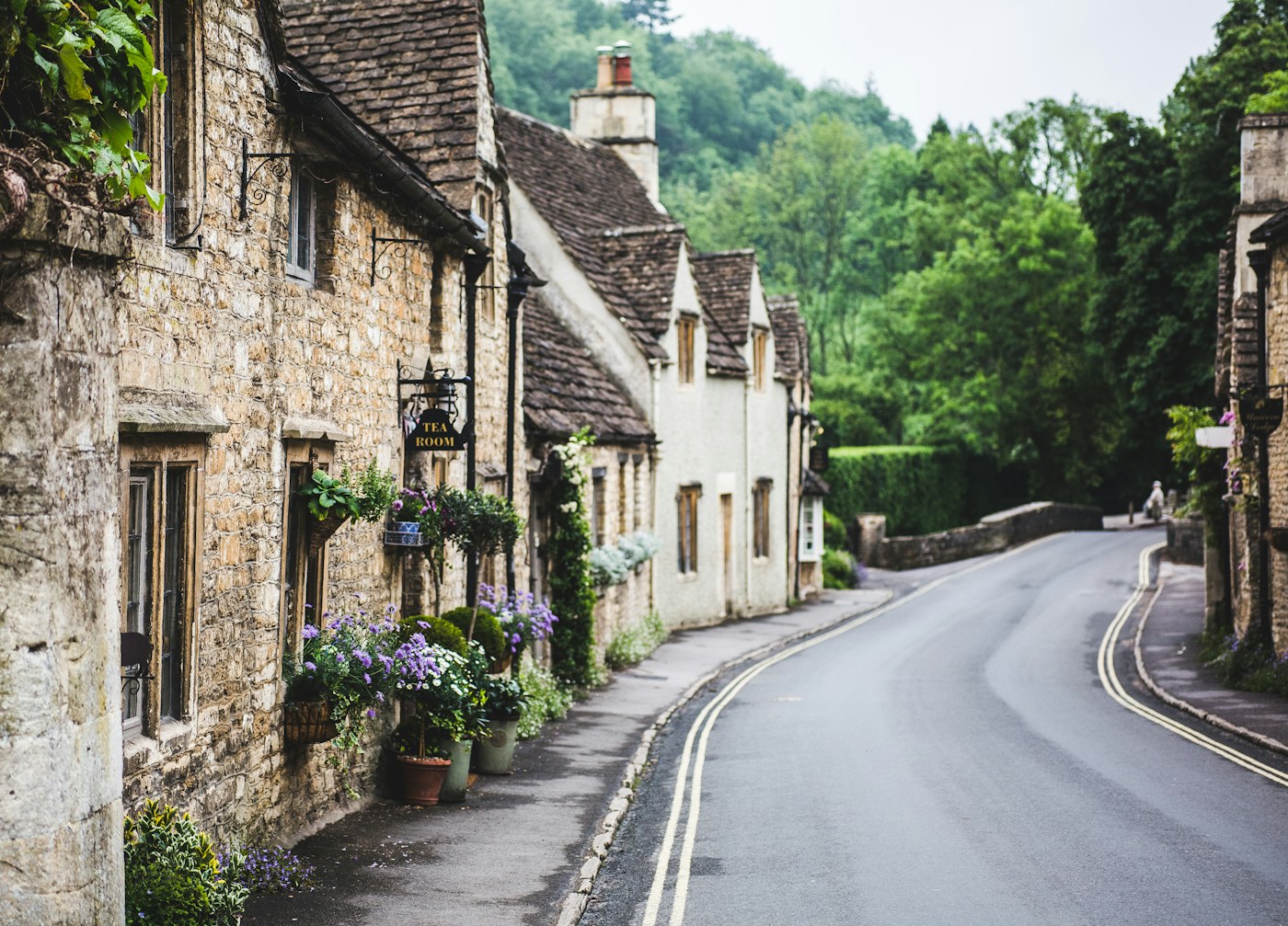
England’s reputation for bad weather is not entirely wrong — but it’s not entirely right either. The country doesn’t get dramatic seasons in the way that continental Europe does. It gets a long, mild murkiness for much of the year, punctuated by windows of genuine beauty: the long evenings of May and June when the light stays until 9pm and the countryside looks like a film set, and the brief brilliant warmth of July and August when the whole country staggers outside and acts surprised that the sun works.
The practical question for a visitor is less “when is it nice?” and more “what am I trading off?” Every season in England has something to recommend it and something to warn against. This guide lays out those trade-offs honestly, by season and by what you’re trying to do.
What’s in This Guide
- Quick answer
- Season by season
- Month-by-month summary
- Best time by travel style
- Key events and festivals
- More destination guides
- FAQ
Quick Answer
The best time to visit England is May and June. These two months give you the longest daylight hours (up to 17 hours in midsummer), the highest probability of dry, pleasant weather, countryside and gardens at their most spectacular, and enough tourist infrastructure running without the full summer price surge. July and August are warmer but more crowded and noticeably more expensive. September is an underrated option — the summer crowds thin out, temperatures remain reasonable, and the light takes on an autumn quality that makes the countryside extraordinary.
Season by Season
Spring (March–May)
Spring arrives later in England than in much of Europe — you’re unlikely to see consistent warmth until late April. March and early April alternate between cold grey spells and brilliant bright days. Daffodils appear from February in milder years; bluebells peak across woodland floors in late April to mid-May and are one of England’s genuinely extraordinary natural spectacles. The Lake District, the Cotswolds, and the North Yorkshire Moors look their best from mid-April onwards.
May is the standout month of spring. Average temperatures in London reach 15–18°C, the countryside is intensely green, the gardens are at their early peak, and the light in the evenings is long and golden. The Chelsea Flower Show happens in late May — worth attending if gardens are your thing, though book tickets months ahead. Hotel prices are moderate relative to summer, and the tourist sites are manageable.
Summer (June–August)
June combines the long days of late spring with the full opening of outdoor attractions, festivals, and the country’s outdoor dining culture. Wimbledon runs from late June into July. Glastonbury (late June) fills the Somerset fields with music. The Cotswolds villages, the Jurassic Coast, and the Peak District are all in prime condition. Temperatures average 18–22°C in London, cooler in the north.
July and August are the warmest months and the most crowded. The August Bank Holiday weekend (last Monday of August) is when England takes its collective holiday — roads, trains, and coastal resorts are packed beyond reason. Cornwall, the Lake District, and the Yorkshire Dales are overwhelmed in August. Prices at popular destinations are at their yearly peak. That said, England in a warm August week — when the sun actually stays out — is genuinely lovely. The beer gardens fill up, the cricket is on, the beach towns come alive. Just don’t visit on a Bank Holiday weekend expecting a relaxed experience.
Autumn (September–November)
September is arguably the most underrated month to visit England. The summer crowds have left, the school year has started, and temperatures remain comfortable at 14–18°C. The cities are back to their working rhythms, which makes them more interesting to be in. The countryside starts its colour change from late September in the north and the highlands, reaching the south by mid-October. The New Forest, Epping Forest, and the Lake District in October colours are quietly spectacular.
October brings autumn in full force. Shorter days, more frequent rain, but also cosy pubs, open fires, and an England that feels authentically itself rather than performing for tourists. November is genuinely grey and cold, but Bonfire Night (November 5th) is a uniquely English event worth catching in a large public park — fireworks, bonfires, and the smell of toffee apples in the dark.
Winter (December–February)
English winters are cold (3–8°C) and frequently grey, but they’re rarely severe. Snow is possible and occasionally hits hard, particularly in northern England and on higher ground, but London winters are typically wet and mild rather than dramatically cold. The days are short — sunrise around 8am, darkness by 4pm in December — which takes some adjustment.
The upside: December is genuinely magical in the market towns and cities. Bath, York, Winchester, and Canterbury all run Christmas markets of real quality — not the generic stall affairs, but events that make these already-beautiful cities look extraordinary. Prices drop sharply in January and February. Museum queues disappear. The country is at its most local and least performative, which for certain kinds of travellers is exactly the point.
Month-by-Month Summary
- January: Cold, quiet, cheap. Museums and galleries without queues. Short days. Best for cities; countryside is bleak but striking.
- February: Still cold. Snowdrops and early crocuses. Half-term school holiday week sees family attractions crowded for a few days.
- March: Variable. Daffodils arrive. Easter can fall in March and drives short breaks in popular areas. Prices start rising.
- April: Brightening up. Bluebells begin late month. Easter weekend if not already in March — pack or avoid tourist spots. Countryside lovely.
- May: Best month. Long days, good temperatures, gardens in bloom, manageable crowds. Chelsea Flower Show late May.
- June: Wimbledon, Glastonbury, open-air events. Long evenings. Tourist numbers rising but not yet peak. Excellent overall.
- July: Warmest month. Peak tourist season. School holidays from mid-July onwards push up prices and crowds everywhere.
- August: Peak crowds and prices. August Bank Holiday weekend is chaos on roads and trains. Beautiful if you have no choice; choose early August over late.
- September: Underrated gem. Crowds thin rapidly. Temperatures still pleasant. Excellent value. Autumnal light stunning.
- October: Autumn colour. Cosy pub season. Half-term week (late October) brings families out briefly. Rain more frequent.
- November: Grey and cold but Bonfire Night (5th) is uniquely English. Christmas lights go up mid-month. Prices at yearly low.
- December: Christmas markets in historic cities. Prices spike around the holiday then crash in the final week. Short days but festive atmosphere genuinely good.
Best Time by Travel Style
- First-time visitors: May or September. Both deliver good weather, manageable crowds, and the country operating at full capacity without the August chaos.
- Gardens and countryside: Late April for bluebells; May for full spring bloom; September–October for autumn colour. The Royal Botanic Gardens at Kew and the great English country house gardens (Sissinghurst, Great Dixter, Hidcote) peak in May–June.
- History and museums: Winter (January–February). The British Museum, National Gallery, V&A, and Natural History Museum in London are dramatically quieter. National Trust properties are open but quieter.
- Pubs, food, and cities: September–October. The summer tourists have left, the food and pub culture is back in full local swing, and the cities feel real again.
- Families: July–August is unavoidable for many, but go outside London to the national parks and coast for better experiences. Easter week (April) is a good alternative if school schedules allow.
- Budget travellers: January–February for the lowest prices across accommodation, dining, and attractions. November is also very good value.
Key Events and Festivals
- Chelsea Flower Show — Late May, London. The world’s most famous garden show. Book tickets well in advance; the press preview days are quieter.
- Wimbledon Championships — Late June to early July, London. Tickets for show courts require ballot entry months ahead; the queue for outside courts is first-come-first-served and genuinely accessible. Strawberries and cream mandatory.
- Glastonbury Festival — Late June, Pilton, Somerset. 200,000 people in a field. Tickets sell out in minutes, usually in October the year before. One of the great music events anywhere.
- Notting Hill Carnival — Late August Bank Holiday, London. Europe’s largest street festival. Two million people over two days; August Bank Holiday Sunday and Monday. Spectacular and crowded in equal measure.
- Bonfire Night (Guy Fawkes Night) — November 5th nationwide. Public fireworks displays in parks across the country. London’s Victoria Park and Alexandra Palace events are the largest. Free to attend.
- Christmas Markets — November to December in Bath, York, Winchester, Canterbury, Manchester, and elsewhere. Bath and York are the most celebrated; arrive on a weekday for manageable crowds.
Get the best destination timing tips in your inbox
One practical travel guide every Friday. When to go, what to skip, how to save. Free.
Experiences & Activities
Find & Book Tours in England
Browse thousands of guided tours, day trips, and experiences across England — from cultural walks to adventure activities. Book in advance to secure the best availability.
Browse England Experiences →Frequently Asked Questions
What is the best month to visit England?
May is the best single month for first-time visitors. The days are long (sunrise before 5am, sunset after 9pm), temperatures are pleasant at 15–18°C in the south, the countryside is at its most vivid green, and gardens across the country are in full spring bloom. June is a close second, offering slightly warmer weather and all the summer events in full swing without the August crowds. September is the best value option — good weather, far fewer tourists, and the country feeling authentically itself.
Does England get a lot of rain?
England gets moderate, year-round rainfall rather than dramatic downpours. London averages 600mm of rainfall a year — less than New York, Rome, or Sydney. The rain is often light and drizzly rather than heavy. The wettest months are October and November; the driest are April through June. The northwest (Lake District, Manchester) is significantly wetter than the southeast. A light waterproof layer is useful year-round, but the rain is rarely severe enough to ruin a trip. Many days described as “cloudy” in the forecast end up dry.
Is summer in England worth visiting despite the crowds?
Yes, particularly if you’re flexible about where you go. The obvious tourist hotspots — Bath, the Cotswolds, Cornwall, the Lake District — are genuinely overcrowded in August. But England has enormous amounts of beautiful, under-visited countryside: the North York Moors, the South Downs, Northumberland’s coast and castles, the Welsh borders. Summer in London itself is excellent — outdoor cinema, rooftop bars, the parks at their best, the Thames embankment alive in the evenings. The key is avoiding the Bank Holiday weekends, which are the worst traffic and price spikes of the year.
Is England worth visiting in winter?
Yes, particularly December and the second half of January. December in Bath, York, and Winchester with their Christmas markets is genuinely magical — the medieval architecture dressed in lights, the market stalls selling mulled wine and local crafts, the streets legitimately festive. Museums and galleries in London in January are quieter than any other time of year. The Brontë country in Yorkshire has a particular bleakness in winter that fits it perfectly. Prices are at yearly lows in January. The short days (dark by 4pm) require some mental adjustment, but the experience is authentically English in a way that the tourist-season version isn’t.
How many days do you need in England?
A week covers London thoroughly and allows one overnight excursion (Bath, Oxford, Cambridge, Stratford-upon-Avon). Two weeks lets you properly do London and either the Cotswolds and southwest (Bath, Glastonbury, Cornwall) or the north (York, Peak District, Lake District). Three weeks or more is enough to feel like you’ve understood the country rather than ticked it. England rewards slow travel — the countryside reveals itself over days, not hours, and the pub culture, the market towns, and the walking routes only really land when you’re not rushing.
What is the weather like in London in April?
London in April is unpredictable but hopeful. Average temperatures range from 9°C at night to 14°C during the day. Showers are frequent but often short. The famous “April showers” expression exists for a reason. That said, April frequently delivers brilliant clear days with a sharp, clean light that photographers love. Carry a light jacket and a packable rain layer and you’ll be comfortable. The tulips in the Royal Parks peak in mid-April and are worth seeing.