
Last updated September 10, 2026 · Editorial policy
- Best time to visit England: at a glance
- Best Time to Visit England: Month-by-Month Guide
- Best Months to Visit England
- England Travel Seasons at a Glance
- Festivals & Events in England
- When to Visit by Travel Goal
- What to Avoid
- Booking Tips
- The Real Sweet Spot: Late May and September Over Peak July
- Frequently Asked Questions
- Related Articles
Best time to visit England: at a glance
Short answer: May to September for the warmest, driest weather.
| Season | Months | What to expect |
|---|---|---|
| Peak | Jul–Aug | Warmest, long days, festivals; busiest & priciest |
| Shoulder (best value) | May–Jun, Sep | Mild, fewer crowds, pleasant |
| Low | Nov–Mar | Cold, short days; quiet |
Best Time to Visit England: Month-by-Month Guide
Quick take: The short answer on England: The longer answer involves weather windows, festival timing, and the difference between ‘technically open’ and ‘actually enjoyable.’

Peak: summer (June-August) · Off-season: winter (December-February)
Knowing the best time to visit England can transform your trip — saving you hundreds on flights and hotels while putting you in better weather with fewer crowds. This guide breaks down each season, key events, and what to expect month by month so you can pick the right travel dates.
Best Months to Visit England
Top pick: Late May to mid June, with September a close runner-up. You get mild days around 15 to 20 C, the year’s longest daylight, and gardens at their peak, while dodging the July and August school holiday crush, when lodging in coastal towns and the Cotswolds often runs roughly 20 to 40 percent higher and big attractions sell out.
England Travel Seasons at a Glance
| Season | Months | What to Expect |
|---|---|---|
| Peak | summer (June-August) | Best weather (for that region), highest prices, biggest crowds. Book hotels 3-6 months ahead. |
| Shoulder | shoulder seasons (typically April-May and September-October) | Sweet spot: good weather, moderate crowds, 15-30% lower prices than peak. |
| Off-season | winter (December-February) | Cheapest, quietest. Some sights may be closed. Best for budget travelers and shoulder-month flexibility. |
Festivals & Events in England
Wimbledon, 29 June to 12 July 2026, is the one window that punishes late planning: the public ticket ballot typically opens the autumn beforehand and closes months ahead, and southwest London rooms tighten across the fortnight. Decide on those dates first, then build the rest of the trip around them.
- Wimbledon Championships (Jun-Jul)
- Glastonbury Festival (Jun)
- Notting Hill Carnival (Aug)
- Bonfire Night (Guy Fawkes Night) (Nov)
- Trooping the Colour (Jun)
When to Visit by Travel Goal
- Best weather: May through September offers the mildest, driest weather, with highs of 18-24C in the south and midsummer daylight stretching past 9pm, ideal for long sightseeing days.
- Lowest prices: winter (December-February). Hotels and flights cut 30-50%. Trade weather for savings.
- Fewest crowds: Mid-January to mid-March is the emptiest stretch, with early November close behind before Christmas shopping begins. Sidestep the February and late-October half-term weeks. The trade is grey skies and short afternoons, but major museums and cathedrals rarely need timed tickets then.
- Festivals & culture: Wimbledon runs 29 June to 12 July 2026, and Notting Hill Carnival takes over west London on the late-August bank holiday weekend. Note that Glastonbury takes a fallow year in 2026 and returns in June 2027, so late June frees up somewhat.
- Outdoor activities: Hike the Lake District and Peak District or reach Cornwall beaches from late May to September; skip November through February, when high fells see snow, ice, and darkness by 4pm.
- Budget travelers: Mid-January to early March is England’s genuine bargain window, skipping the February half-term week. London hotels often price lower on weekends when business travel thins, while country and seaside stays are usually cheapest midweek. Mid-November, before Christmas market season, is another quiet lull.
What to Avoid
- Peak crowds: summer (June-August) brings 2-3x the visitors. Major sites require ticket reservations weeks ahead.
- Major holidays: Bank holiday weekends move the most people here: Easter, the early-May and late-May Mondays, and the late-August weekend that coincides with Notting Hill Carnival. Add the February and late-October half-terms, and the Christmas-to-New-Year window when London fills and rural England largely shuts down.
- Closures: London’s major museums stay open year-round, but many country houses, National Trust and English Heritage properties and formal gardens typically shut or cut to weekend-only hours from about November to March. Seaside towns and Cornwall quieten sharply, and on Christmas Day most shops, restaurants and trains stop entirely.
Booking Tips
- For July or August, aim to lock fares roughly four to six months out; London summer seats and the Wimbledon fortnight (29 June to 12 July 2026) tighten first. May, June and September usually still price well eight to ten weeks ahead, and quiet January to March weeks often hold longer.
- The sharpest windows are late May into mid-June, once the spring bank holiday passes, and the first three weeks of September after English schools return in early September. You trade a few degrees and earlier sunsets for calmer sites; September highs near 18C (mid-60s F) still suit long walking days.
- Two calendars matter most. England’s own term dates drive domestic demand: the summer break from roughly mid-July to early September, plus half-terms in February, late May and late October. Then the American summer break, June through August, which fills London hotels and transatlantic flights. Scottish schools typically break earlier, in late June.
- England has no hurricane or monsoon season, so the real exposure is disruption: Atlantic storms roughly October through February regularly ground flights, flood low-lying routes and cancel trains, and rail strikes can strand plans. Cover delay, missed connections and cancellation rather than weather catastrophe, especially for non-refundable summer bookings.
The Real Sweet Spot: Late May and September Over Peak July
July is the warmest month, with London daytime highs around 23C (73F) and southern and central England occasionally pushing past 30C. It is also the most expensive and most crowded stretch, when major sites lean on timed-entry tickets booked well ahead. The shoulder months of late May and September give you most of that warmth at a calmer pace. September days still hover near 18C (mid-60s F), schools are back, and accommodation eases off its August peak.
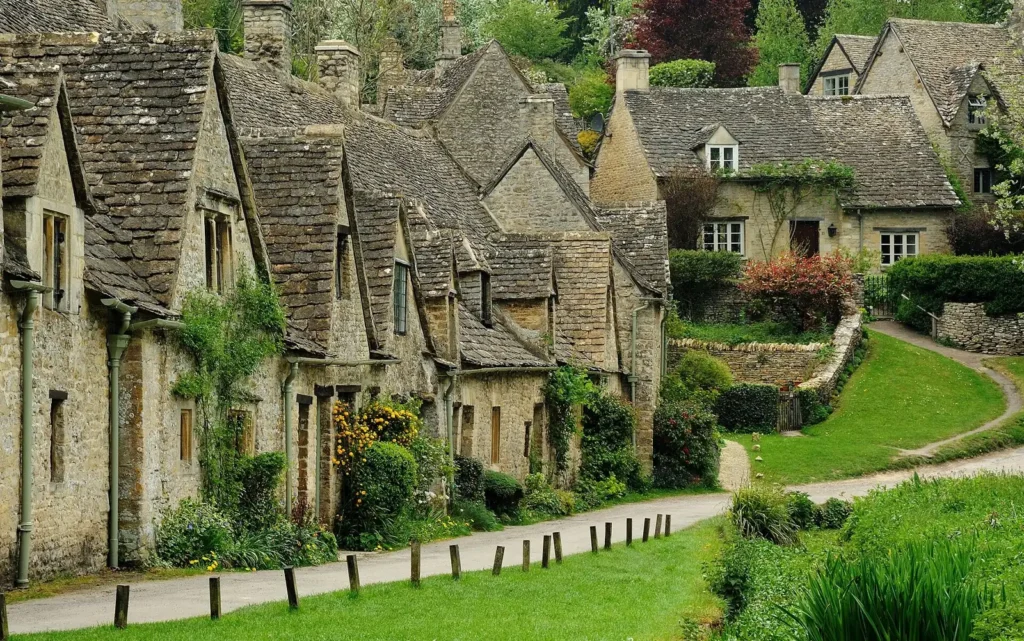
What each window actually delivers:
- Late May: the RHS Chelsea Flower Show opens to the public around 21-23 May 2026 at the Royal Hospital Chelsea, and gardens across the country hit their stride.
- Mid-June: Trooping the Colour on 13 June 2026 fills Horse Guards Parade with full royal pageantry and an RAF flypast.
- September: harvest fairs and food festivals run while the light stays long and golden.
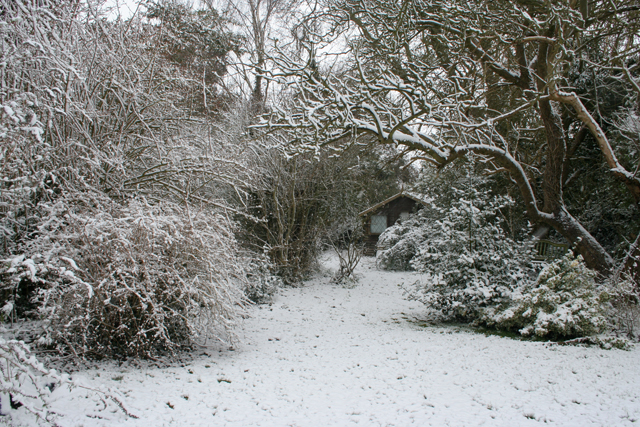
The period to skip is roughly mid-November through January. November is the wettest month on average, December tends to peak near a 7C (45F) high, and daylight collapses to about 7.8 hours by the December solstice. You lose the country views to grey skies and short afternoons.
Frequently Asked Questions
Are there major festivals in England?
Yes — England hosts notable events including: Wimbledon Championships (Jun-Jul), Glastonbury Festival (Jun), Notting Hill Carnival (Aug), Bonfire Night (Guy Fawkes Night) (Nov), Trooping the Colour (Jun). Major festivals can spike hotel prices 50-200% — book 3-6 months ahead if attending.
What should I pack for England?
Pack for the season you’re visiting and the climate zone. Summer in England: lightweight breathable clothes, sunscreen, hat, comfortable walking shoes. Winter: layers, waterproof jacket, warm accessories. Check the 10-day forecast 1-2 weeks before departure and adjust.
Related Articles
- Things to Do in Faroe Islands: 12 Experiences You Can’t Miss
- Things to Do in Albania: 12 Experiences You Can’t Miss
- Things to Do in Albania: Hidden Mediterranean
- Things to Do in Estonia: Tallinn + Beyond
Torn between destinations? See our honest, first-hand comparisons: England vs Spain, England vs Italy, England vs Germany, England vs France, England vs Portugal.
You Might Also Love




Written by
Founder of Packzup. Independent travel writer covering offbeat destinations across six continents since 2018. Every guide is independently researched and self-funded — no press trips, never sponsored.
