
Last updated September 12, 2026 · Editorial policy
- Best time to visit the USA: at a glance
- Best Time to Visit USA: Month-by-Month Guide
- Best Months to Visit USA
- USA Travel Seasons at a Glance
- Festivals & Events in USA
- When to Visit by Travel Goal
- What to Avoid
- Booking Tips
- There Is No Single Best Time – Pick Your Month by Region
- Frequently Asked Questions
- Related USA Travel Guides
- Related Articles
Best time to visit the USA: at a glance
Short answer: It varies by region — broadly April–June and September–October are mild nationwide.
| Season | Months | What to expect |
|---|---|---|
| Peak | Jun–Aug | Summer; national parks & coasts busiest |
| Shoulder (best value) | Apr–May, Sep–Oct | Mild, fewer crowds, fall colour |
| Low | Nov–Mar | Cold in the north; warm in the south & ski season |
Best Time to Visit USA: Month-by-Month Guide
Quick take: Timing your Usa trip right makes everything better: lower prices, better weather, fewer crowds. Month-by-month reality below.
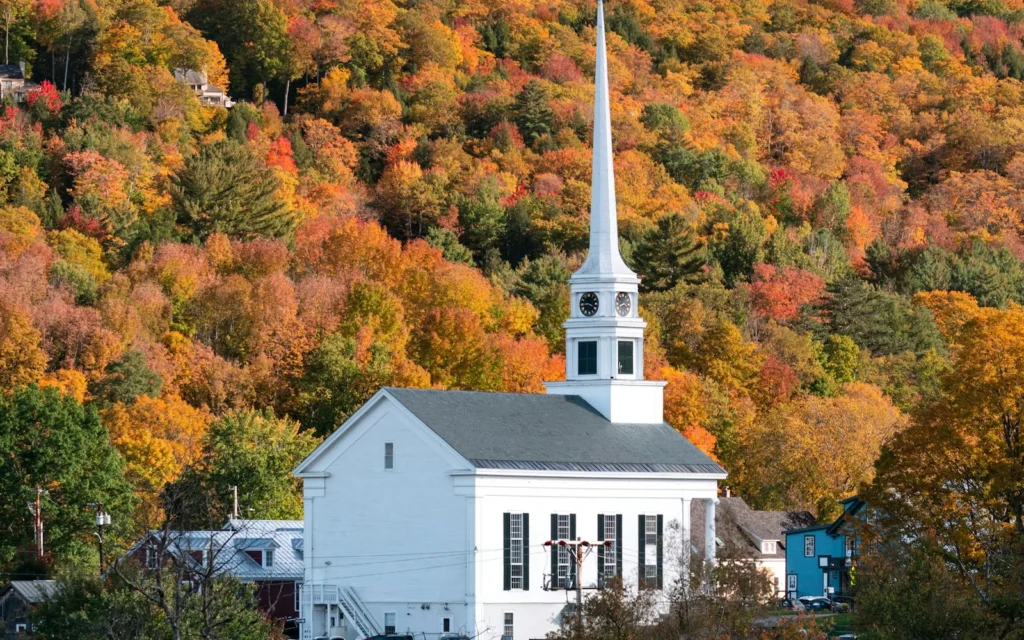
Peak: summer (June-August) · Off-season: winter (December-February)
Knowing the best time to visit USA can transform your trip — saving you hundreds on flights and hotels while putting you in better weather with fewer crowds. This guide breaks down each season, key events, and what to expect month by month so you can pick the right travel dates.
Best Months to Visit USA
Top pick: Mid-September through October is the strongest window for most of the country: summer crowds vanish after Labor Day, national parks stay fully open with crisp, stable weather, and hotel rates drop roughly 20 to 30 percent. May is the spring runner-up, but skip the Gulf coast in September, the peak of hurricane season.
USA Travel Seasons at a Glance
| Season | Months | What to Expect |
|---|---|---|
| Peak | summer (June-August) | Best weather (for that region), highest prices, biggest crowds. Book hotels 3-6 months ahead. |
| Shoulder | shoulder seasons (typically April-May and September-October) | Sweet spot: good weather, moderate crowds, 15-30% lower prices than peak. |
| Off-season | winter (December-February) | Cheapest, quietest. Some sights may be closed. Best for budget travelers and shoulder-month flexibility. |
Festivals & Events in USA
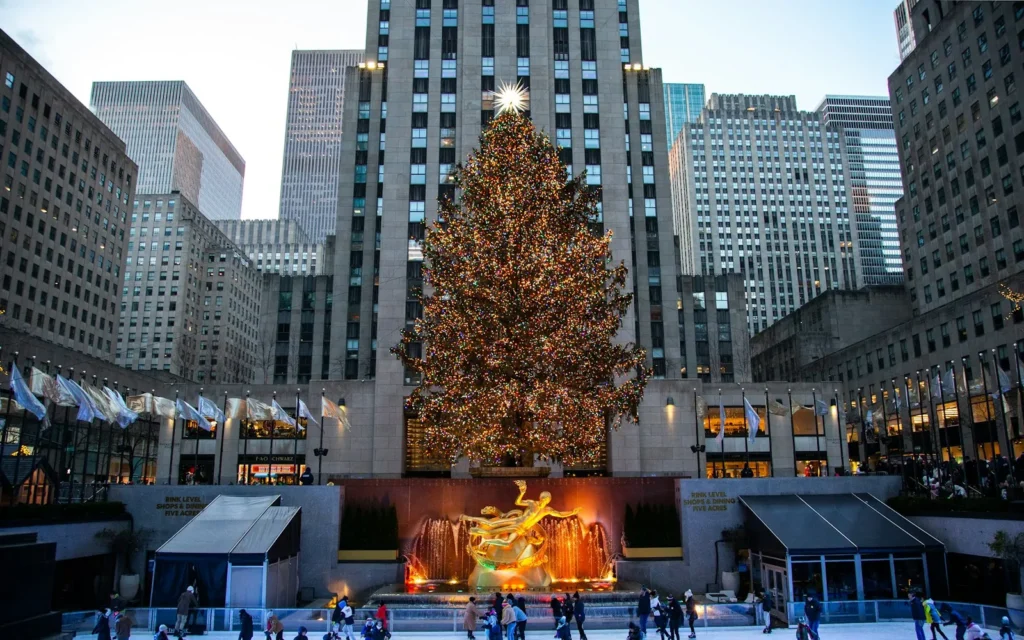
Mardi Gras is the tightest window in the country. New Orleans hotels inside and around the French Quarter sell out for the final parade week before Fat Tuesday, often with multi-night minimums, so lock lodging months in advance, typically by the previous autumn, and expect thin late availability.
- Mardi Gras (Feb-Mar)
- Macy’s Thanksgiving Day Parade (late Nov)
- Coachella (Apr)
- South by Southwest (SXSW) (Mar)
- Burning Man (late Aug-Sep)
When to Visit by Travel Goal
- Best weather: Regional, not national: May-June and late September-October suit the Northeast and Midwest; July-September is driest in Seattle and Portland; November-April is the comfortable, less humid season across Arizona, the Deep South, and Florida.
- Lowest prices: winter (December-February). Hotels and flights cut 30-50%. Trade weather for savings.
- Fewest crowds: Late January through February is the quietest nationwide stretch, along with the first three weeks of November and early December. Western national parks empty out from November to March, though snow closes many roads. Florida and the desert Southwest stay busy all winter.
- Festivals & culture: Mardi Gras in New Orleans is the marquee date, falling on Fat Tuesday in February or early March after a Carnival season that starts January 6. Coachella takes two April weekends in the California desert, and SXSW fills Austin in mid-March.
- Outdoor activities: Sierra and Rockies high country is dependably snow-free from mid July through September; skip Southwest deserts late May-September for 40C heat and monsoon flash floods, and Gulf and Atlantic coasts during the August-October hurricane peak.
- Budget travelers: The cheapest weeks are typically mid-January to early March and the first half of December, before holiday fares climb. Northern cities and non-ski mountain towns discount hardest then. Sunbelt exceptions apply: Florida and Arizona are at their most expensive in exactly those months.
What to Avoid
- Peak crowds: summer (June-August) brings 2-3x the visitors. Major sites require ticket reservations weeks ahead.
- Major holidays: Memorial Day, Independence Day and Labor Day bracket the summer and jam national parks and beaches. Thanksgiving week is the country’s heaviest travel period, and Christmas through New Year fills cities and ski towns. Presidents Day weekend in February spikes mountain-resort rates.
- Closures: Little closes in the big cities, but high-country park roads do: Glacier’s Going-to-the-Sun Road, Yosemite’s Tioga Road and Rocky Mountain’s Trail Ridge Road typically stay shut from around October into late May or June, and the Grand Canyon’s North Rim closes for winter. Cape Cod and Outer Banks beach towns also wind down.
Booking Tips
- Domestic summer fares for June to August usually bottom out around two to four months ahead, and small park-gateway airports such as Jackson Hole or Bozeman typically firm up earlier. For Thanksgiving week and late December, book by roughly September. April-May and September-October trips tolerate six to eight weeks.
- The sharpest windows are the two weeks after Labor Day and the two weeks before Memorial Day. September buys near-summer warmth in the Pacific Northwest and thin crowds, but sits inside the Atlantic hurricane peak. Late May trades warmth for high-country roads that may still be snowed shut.
- Domestic calendars dominate. American spring break runs staggered from late February to mid-April, peaking in March, and it floods Florida, Arizona and the desert parks. The US summer break from June to mid-August is the main driver everywhere else. Canadian March break and UK summer holidays matter secondarily.
- Coverage earns its keep here for two reasons: named-storm disruption on the Gulf and Southeast coasts between roughly August and mid-October, and winter-storm cancellations across the Northeast and Midwest from December to March. Non-US visitors should also confirm the policy covers American medical treatment, which is expensive.
There Is No Single Best Time – Pick Your Month by Region
The USA spans too many climates for one answer, so the real skill is matching your month to your region rather than chasing a national shoulder season. The window that ruins a Phoenix trip is the same one that makes the Pacific Northwest sing.
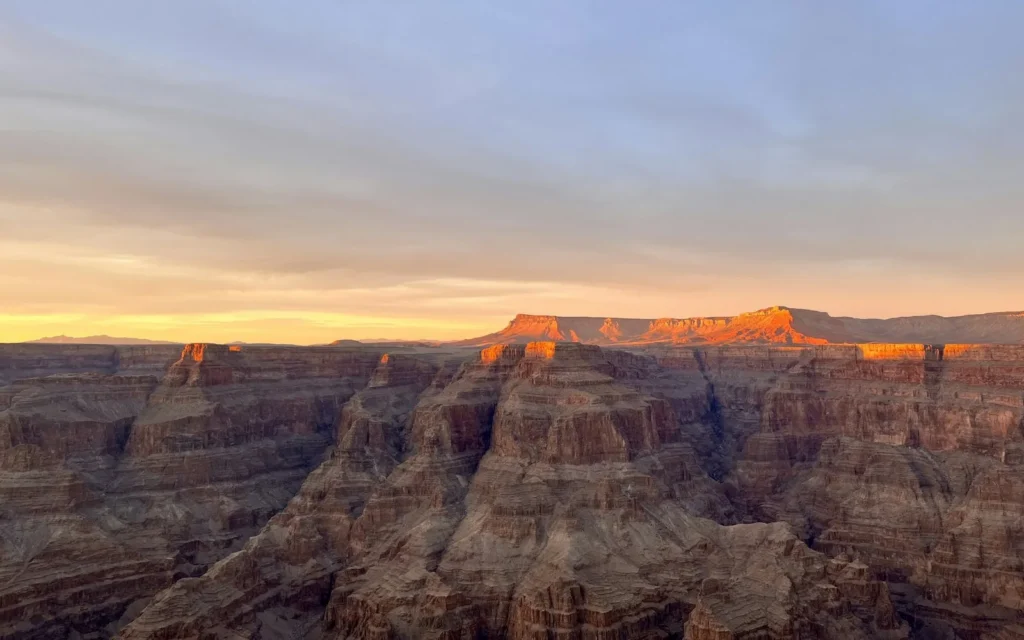
For the desert Southwest (Utah, Nevada, New Mexico), aim for March to May or late September into November, when daytime highs sit around 40 to 70F. Skip June through August in those parks, when readings regularly top 100F and afternoon monsoon storms bring flash-flood risk. The Pacific Northwest flips this logic: July through September is the only reliably dry stretch, and September is the smart pick because the crowds thin out after Labor Day while Olympic National Park stays warm.
Two narrow windows reward precise timing:
- New England leaf-peeping peaks late September through the first week of October in northern Vermont, New Hampshire and Maine, then drifts south through mid-October.
- The Southeast and Gulf Coast carry real risk during Atlantic hurricane season (June 1 to November 30), and activity concentrates between roughly August 20 and October 10, with the statistical peak around September 10. Book Florida beaches outside that band.
Frequently Asked Questions
Are there major festivals in USA?
Yes — USA hosts notable events including: Mardi Gras (Feb-Mar), Macy’s Thanksgiving Day Parade (late Nov), Coachella (Apr), South by Southwest (SXSW) (Mar), Burning Man (late Aug-Sep). Major festivals can spike hotel prices 50-200% — book 3-6 months ahead if attending.
What should I pack for USA?
Pack for the season you’re visiting and the climate zone. Summer in USA: lightweight breathable clothes, sunscreen, hat, comfortable walking shoes. Winter: layers, waterproof jacket, warm accessories. Check the 10-day forecast 1-2 weeks before departure and adjust.
Related USA Travel Guides
Related Articles
- 15 Best Things to Do in Louisiana
- 15 Best Things to Do in Massachusetts
- 15 Best Things to Do in Oregon
United States weather & climate by month
Best months to visit: May, June, July, August, September, October. United States’s warmest month is July (avg 30°C / 86°F), the coolest is January (low -3°C / 27°F). The wettest is July (110 mm) and the driest is February.
| Month | Avg high | Avg low | Rainfall | Rainy days |
|---|---|---|---|---|
| January | 5°C / 41°F | -3°C / 27°F | 73 mm | 7 |
| February | 6°C / 43°F | -2°C / 28°F | 66 mm | 7 |
| March | 11°C / 51°F | 1°C / 34°F | 89 mm | 9 |
| April | 16°C / 60°F | 6°C / 43°F | 82 mm | 8 |
| May | 21°C / 69°F | 11°C / 52°F | 100 mm | 9 |
| June | 26°C / 79°F | 17°C / 62°F | 107 mm | 8 |
| July | 30°C / 86°F | 21°C / 70°F | 110 mm | 8 |
| August | 28°C / 83°F | 20°C / 68°F | 83 mm | 7 |
| September | 25°C / 76°F | 16°C / 61°F | 100 mm | 7 |
| October | 19°C / 66°F | 11°C / 52°F | 93 mm | 6 |
| November | 12°C / 54°F | 4°C / 38°F | 74 mm | 6 |
| December | 7°C / 45°F | 0°C / 32°F | 87 mm | 8 |
Climate source: Open-Meteo / WMO climate normals (WMO 1991–2020, or ERA5 2019–2023 where unavailable). Compare destinations in the Best Time to Visit Index.
You Might Also Love



Written by
Founder of Packzup. Independent travel writer covering offbeat destinations across six continents since 2018. Every guide is independently researched and self-funded — no press trips, never sponsored.
