
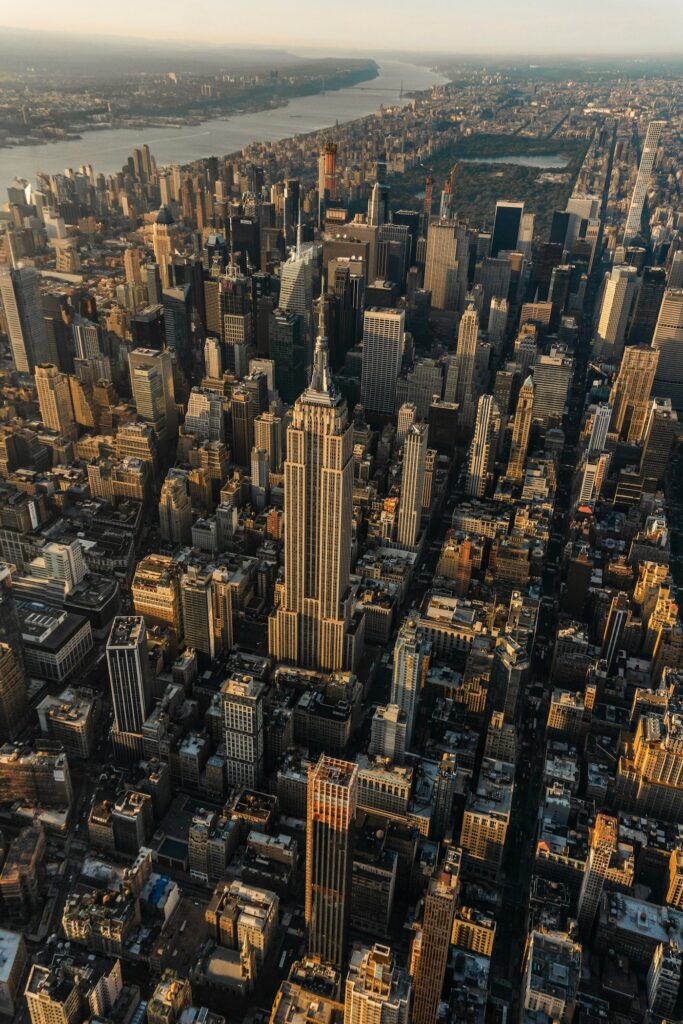
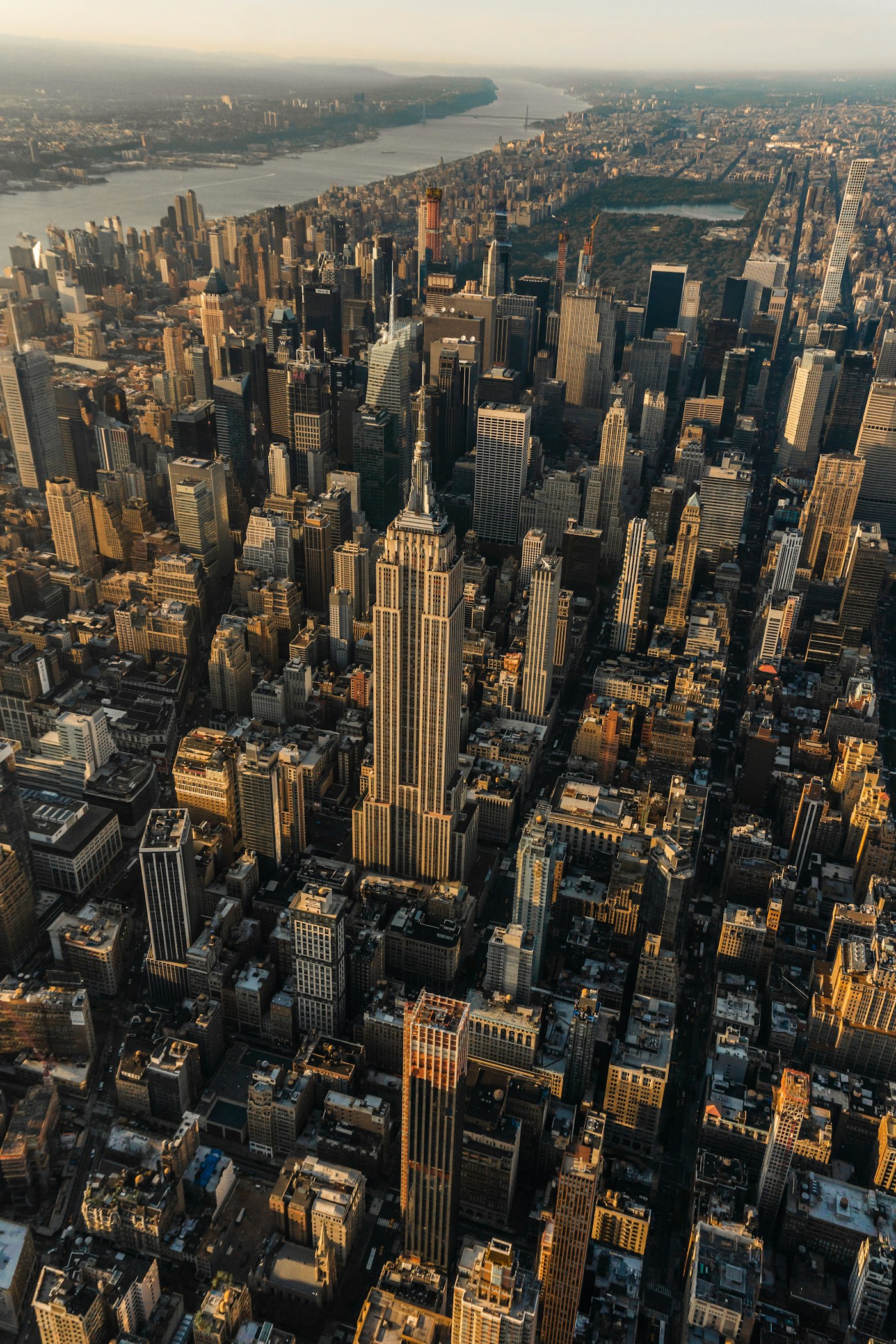
New York City doesn’t have a bad season — it has a best season, a second-best season, and two seasons that require some preparation and a realistic attitude. Unlike a beach destination or a mountain resort, the city is fully operational year-round. The museums don’t close in winter. The restaurants don’t shut in summer. Broadway runs continuously. The question is less “is it worth visiting?” and more “what kind of New York do you want?”
The honest answer for most visitors is that May and September are when the city works best. The weather is genuinely pleasant, the parks are at their peak, Central Park and Brooklyn Bridge Park are full of locals rather than tourists sheltering from heat or cold, and the prices — though never low in New York — are meaningfully below the July and December peaks. Everything else is a trade-off worth understanding before you book.
What’s in This Guide
- Quick answer
- Season by season
- Month-by-month summary
- Best time by travel style
- Key events and festivals
- More destination guides
- FAQ
Quick Answer
The best time to visit New York City is May and September. Both months deliver temperatures of 18–24°C, long enough days for sightseeing and evening plans, hotel rates below the summer and holiday peaks, and the city in a mode that feels celebratory without being frantic. October is an excellent secondary option, particularly for the autumn colours in Central Park and Brooklyn, and for anyone who wants mild weather at further reduced prices. December is worth considering specifically for the holiday atmosphere, with the trade-off of cold temperatures and significantly higher hotel rates. January through March is the budget window — cold, but cheap, with the best hotel values of the year.
Season by Season
Spring (March–May)
New York’s spring is somewhat unreliable in March and early April — cold snaps alternate with warm days, rain is frequent, and the city is emerging from its grey winter mood. The cherry blossoms in Central Park and the Brooklyn Botanic Garden peak in mid-April, which is worth building a day around: the Japanese Hill-and-Pond Garden in Brooklyn is extraordinary at blossom time. By late April the weather has stabilised and May is when the city fully opens up.
May in New York is close to perfect. Temperatures of 18–24°C, the parks in full green, outdoor markets and food festivals beginning, rooftop bars opening their seasons. The High Line is at its most beautiful — the planted walkway above the Meatpacking District, which is spectacular in early summer bloom. Hotel rates in May are noticeably lower than June through August. The city is operating at full capacity without the summer crowd intensity.
Summer (June–August)
New York in summer is hot (28–35°C in July and August), humid, and fully alive. This is peak tourist season — the most expensive time for hotels, the busiest period at all major attractions (the Top of the Rock and the SUMMIT observation decks require advance booking), and the most crowded weekend at the Statue of Liberty. But summer in New York has genuine pleasures that the other seasons don’t: outdoor cinema in Bryant Park, the SummerStage concerts in Central Park, Governors Island ferry and the beaches and parks there, the Coney Island boardwalk, the rooftop bar culture that defines the season.
June is the best summer month — warm without August’s oppressive humidity, longer nights, and the season just beginning to rev up rather than peaking. July 4th is worth seeing once — the fireworks over the Hudson or East River are spectacular, but the city is simultaneously crowded and oddly quiet as residents escape to the Hamptons and the Catskills. Late August drops in price as school approaches; early September is still warm and very good.
Autumn / Fall (September–November)
September is the other peak recommendation alongside May. The summer humidity clears, temperatures drop to the ideal 18–24°C range, the school year brings the city back to its working rhythm, and the light in September in New York — low-angled, golden, sharp — is extraordinary. The weekend farmers’ markets at Union Square and Grand Army Plaza are at their harvest best. The High Line is copper and amber. The city feels purposeful and alive without summer’s tourist overload.
October brings Central Park and Prospect Park into their autumn colour peak — a genuinely spectacular event in a city that is already beautiful. Temperatures are still comfortable in early October (16–20°C) before dropping in November. The New York City Marathon (first Sunday of November) is one of the world’s great sporting and civic events: 50,000 runners, two million spectators lining the five-borough course from Staten Island to Central Park. Hotel prices in November drop sharply outside marathon weekend. Thanksgiving (fourth Thursday of November) brings the Macy’s parade down 34th Street and pushes prices and crowds for that specific week.
Winter (December–February)
December in New York is a legitimate reason to visit: the Rockefeller Center tree and ice rink, the holiday windows on Fifth Avenue (Bergdorf Goodman and Saks are the most elaborate), the Bryant Park Winter Village, the decorated avenues. The city in December is as close to a film version of itself as it gets all year. The trade-off is cold (0–8°C) and expensive — hotel rates peak around Christmas and New Year, and the tourist volume is high despite the weather.
January and February are the cheapest months for hotels in New York — sometimes dramatically so, with rates 40–50 percent below summer peaks. The cold (often -5 to 5°C, occasionally colder with wind chill that feels arctic in Manhattan’s street-level corridors) requires preparation, but the city is entirely functional. The museums are at their quietest. The restaurants are grateful for the business. A New York winter week done right — good coat, good boots, museum mornings, restaurant evenings, Chelsea galleries in the afternoon — is one of the best value city trips anywhere.
Month-by-Month Summary
- January: Cheapest hotel rates of the year. Cold (-2 to 5°C). Museums quiet. Best budget month. Blizzards possible but rare.
- February: Still cold. Fashion Week mid-month. Valentine’s Day week sees price uptick. Still good value overall.
- March: Transitional. Cold snaps and warm spells alternate. St. Patrick’s Day parade (March 17) — a major event that turns Midtown into a party zone.
- April: Cherry blossom in Central Park and Brooklyn Botanic Garden peak mid-month. Warming up. Good month with some price increases.
- May: Best overall month. Perfect temperatures, everything open, parks at their best, prices below June–August. Strong recommendation.
- June: Early summer, still manageable. LGBTQ+ Pride Month with Pride March at month end — the city’s largest annual event. Prices begin rising.
- July: Hot and humid. Peak tourist volume. July 4th fireworks. Expensive. Great if you embrace the heat and energy.
- August: As July but slightly more expensive. Locals escape to the coast; city has tourist saturation. Late August cheaper as summer ends.
- September: Excellent. Best weather combination of the year alongside May. Fashion Week early month. Strong recommendation.
- October: Autumn colour peak in the parks. Comfortable temperatures early month. NYC Marathon first Sunday of November. Prices easing.
- November: Thanksgiving week is crowded and pricey. Rest of November is excellent value with cold but beautiful weather. Macy’s Parade on Thanksgiving morning.
- December: Holiday season atmosphere is real and worth experiencing. Expensive. Rockefeller Center tree, window displays, Bryant Park ice rink.
Best Time by Travel Style
- First-time visitors: May or September. Both deliver the best version of the city at reasonable prices with comfortable weather for walking the five boroughs.
- Budget travellers: January–February. Hotel rates 40–50 percent below summer, museums quiet, restaurants welcoming. Pack a serious winter coat.
- Families: June–early July or April. School holiday timing often dictates this; if it does, go to the outer boroughs (Brooklyn, Queens) for less crowded versions of the New York experience.
- Culture and arts: Autumn and winter for theatre, opera, and art. The Metropolitan Opera season runs September to May. Broadway is year-round but autumn and winter feel more native to the theatre district.
- Food: September–October for the harvest markets and the restaurant scene in full autumn swing. January is Restaurant Week (two weeks of prix fixe deals at the city’s best restaurants).
- Holiday atmosphere: December for the unquestionable magic of a New York Christmas. Accept the cost and the cold, lean into the atmosphere.
Key Events and Festivals
- St. Patrick’s Day Parade — March 17. The world’s largest St. Patrick’s Day parade runs up Fifth Avenue. The entire Midtown area is affected; plan around it or join in.
- NYC Pride March — Last Sunday of June. The city’s largest annual event, drawing millions of participants and spectators along Fifth Avenue from Midtown to the West Village.
- Independence Day (July 4th) — Macy’s fireworks over the East River are world-class; Midtown and the waterfront are extremely crowded. Book rooftop viewing spots weeks ahead.
- US Open Tennis — Late August to early September, Flushing Meadows, Queens. The final Grand Slam of the year. Day session tickets available on the day for outer courts; main court tickets sell out fast.
- New York City Marathon — First Sunday of November. 50,000 runners through all five boroughs, finishing in Central Park. One of the most spectacular sporting events in the world to watch as a spectator. Free to watch from most of the route.
- Macy’s Thanksgiving Day Parade — Fourth Thursday of November, starting at 77th Street and Central Park West, ending at 34th Street. The balloons are inflated the evening before at 77th Street — arrive at 10pm Wednesday for a crowd-free close-up view.
- New Year’s Eve, Times Square — December 31. The ball drop at midnight is broadcast to billions globally; attending in person means standing in a closed-off section for 6+ hours in the cold with limited bathroom access. Worth knowing before you commit.
Get the best destination timing tips in your inbox
One practical travel guide every Friday. When to go, what to skip, how to save. Free.
Experiences & Activities
Find & Book Tours in New York
Browse thousands of guided tours, day trips, and experiences across New York — from cultural walks to adventure activities. Book in advance to secure the best availability.
Browse New York Experiences →Frequently Asked Questions
What is the best month to visit New York City?
May and September are the two strongest recommendations. May brings the city into full spring operation — 18–24°C, Central Park in green, rooftop bars opening, prices below summer peaks. September delivers a similar experience after the summer crowds thin and the humidity drops. Both months offer the best combination of good weather, functional city, and reasonable prices relative to July and December. If you have to choose one, May has a slight edge for the parks and the energy of the city coming back to life.
Is New York cold in winter?
Yes, genuinely. January and February average -2 to 5°C with wind chill making it feel colder on exposed streets and bridges. Snowfall is possible throughout winter, occasionally heavy. The city functions entirely normally through winter — the subway, restaurants, museums, and Broadway operate year-round — but you need a proper winter coat, warm layers, and waterproof boots. The upside: winter is when hotels are cheapest (40–50 percent below summer rates) and the city’s indoor offerings — world-class museums, restaurants, theatre — are most accessible without crowds.
Is Times Square on New Year’s Eve worth it?
The honest answer: the television version and the in-person version are radically different experiences. Attending the ball drop in person means being corralled into a closed section of Midtown by early afternoon, standing for 6–8 hours in cold weather (December 31 averages 0–4°C), with no bathroom access inside the viewing zone and limited food options. The fireworks in Central Park and the midnight display from a rooftop bar or viewing spot elsewhere are more comfortable and often better visually. That said, experiencing Times Square at midnight on December 31 once in your life is a genuinely extraordinary, uniquely New York thing — just go in knowing what you’re signing up for.
How far ahead should I book New York hotels?
For summer (June–August) and December/New Year, booking 2–3 months ahead is advisable for good value. For specific events — NYC Marathon weekend in early November, Thanksgiving week, Pride weekend in late June — 4–6 months ahead. For the shoulder seasons (May, September, October), 4–6 weeks is generally sufficient. New York hotels rarely sell out completely, but the good mid-range options at fair prices go quickly in peak periods. Use rate alerts and consider booking refundable rates then switching to non-refundable if the price drops closer to the date.
Which is better — spring or autumn in New York?
Both are excellent and the choice comes down to what you want from the city. Spring (May) has the energy of the city waking up — the parks in fresh green, the outdoor season just beginning, the sense of collective exhale after winter. Autumn (September–October) has the city in its working prime — the cultural season in full swing, the light at its most extraordinary, the restaurants and markets at their harvest best. Autumn colours in Central Park and Brooklyn in mid-October are spectacular. Most people who’ve done both say they’d go back for either; if you have to choose, pick autumn for the colours and September’s reliably good weather.