
I went to Bali expecting to be disappointed. I’d seen too many influencer photos, too many “living my best life” captions over sunset pools, too many YouTube videos of digital nomads explaining how they’d “found themselves” in a co-working space in Canggu. I was prepared for a paradise theme park. What I found instead was a place where a farmer in a rice field paused to explain the subak irrigation system that UNESCO considers a masterpiece of cooperative engineering, where a temple ceremony at Tirta Empul involved actual devotion from actual Balinese people (not a tourist performance), and where the food in a roadside warung cost 25,000 rupiah ($1.60) and was the best I’d eaten in weeks.
The disconnect between Instagram Bali and actual Bali is vast. The island is the only Hindu-majority province in Indonesia, and the religious culture is not a backdrop — it’s the operating system. Every house has a family temple. Every village has three communal temples. Every morning, small offerings of flowers, rice, and incense (canang sari) are placed on doorsteps, car dashboards, and shop counters. The Balinese calendar includes over 200 religious ceremonies per year. On Nyepi (the Day of Silence), the entire island shuts down — no flights, no cars, no electricity, no internet — for 24 hours of meditation and reflection. Try that in Ibiza.
Bali is also small — just 5,780 square kilometres, roughly the size of Delaware — which means the diversity of landscape within a short drive is startling. The south coast has the surf breaks and beach clubs. The central highlands (Ubud and surrounding villages) have the rice terraces, art galleries, and monkey forests. The northeast has the volcanic landscape of Mount Agung and the old-money temples. The northwest has the national park and the coral reefs. You can experience an entirely different Bali every day without driving more than two hours.
What’s in This Guide
- Why Bali in 2026
- The regions
- Temples worth visiting
- The rice terraces
- Beaches and surf
- Food
- Getting around
- Realistic budget
- What nobody tells you
- FAQ
Why Bali in 2026
Bali’s government has been making deliberate moves to reshape tourism. A new tourist levy ($10 per international visitor) funds cultural preservation and environmental cleanup. The “quality tourism” initiative aims to move the island away from budget partying toward cultural and wellness tourism. New regulations on villa construction in rice-terrace zones are slowing the development that was threatening Ubud’s landscape. Meanwhile, the food and wellness scenes have matured significantly — the farm-to-table movement around Ubud is producing genuinely world-class restaurants, and the yoga and wellness infrastructure is the most developed in Southeast Asia.
The Regions
Seminyak and Kerobokan — The upscale beach strip. Beach clubs (Potato Head, Ku De Ta), boutique shopping on Jalan Laksmana, the island’s best international restaurants, and a nightlife scene that’s more sophisticated than Kuta’s chaos. Where Bali’s expat and fashion crowds overlap.
Canggu — The surfer-digital-nomad hybrid that’s become Bali’s most divisive neighbourhood. Co-working spaces, smoothie bowls, surf breaks (Batu Bolong, Echo Beach), and a community of remote workers from everywhere. Loved or loathed depending on whether you think Bali needed another Australian brunch café. The surf is genuinely good.
Ubud — The cultural heart. Rice terraces, traditional dance performances, the Sacred Monkey Forest, art museums (ARMA, Neka, Agung Rai), and a wellness industry that ranges from legitimate yoga retreats to questionable spiritual tourism. The surrounding villages — Tegallalang, Penestanan, Campuhan — are where the real Ubud lives, away from the Jalan Raya Ubud tourist strip.
Uluwatu and the Bukit Peninsula — The southern tip. Dramatic cliff-top temples, world-class surf breaks (Uluwatu, Padang Padang), and clifftop beach clubs that have replaced backpacker warungs in recent years. The Uluwatu Temple kecak dance at sunset — a chanting chorus of 70+ men performing a Ramayana episode against an ocean backdrop — is Bali’s most dramatic cultural performance.
East Bali (Amed, Candidasa, Sidemen) — The quiet side. Amed is a fishing village turned dive-and-snorkel destination with a volcanic black-sand beach and a Japanese shipwreck just offshore. Sidemen is a valley of rice terraces and traditional villages that looks like what Ubud used to be. Candidasa is a small coastal town with good snorkelling and a slower pace.
North Bali (Lovina, Munduk) — The least touristy coast. Lovina has black-sand beaches and dolphin-watching boat trips at dawn. Munduk, in the highlands, has waterfalls, coffee plantations, and mountain trekking. Both are significantly quieter and cheaper than the south.
Temples Worth Visiting
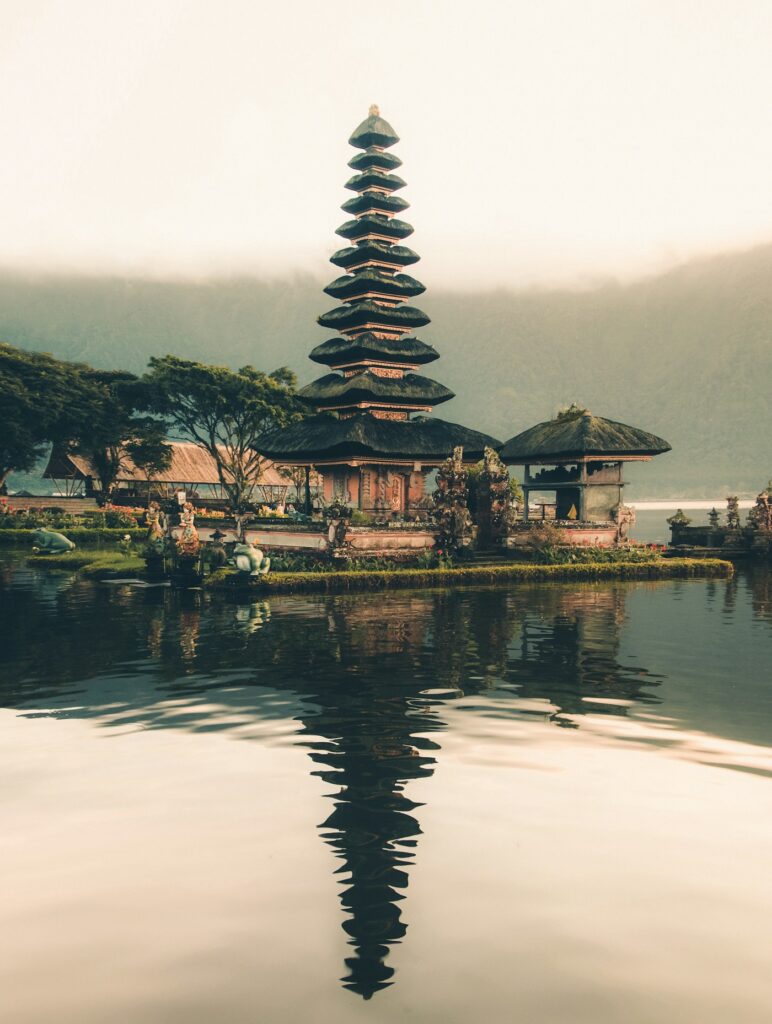
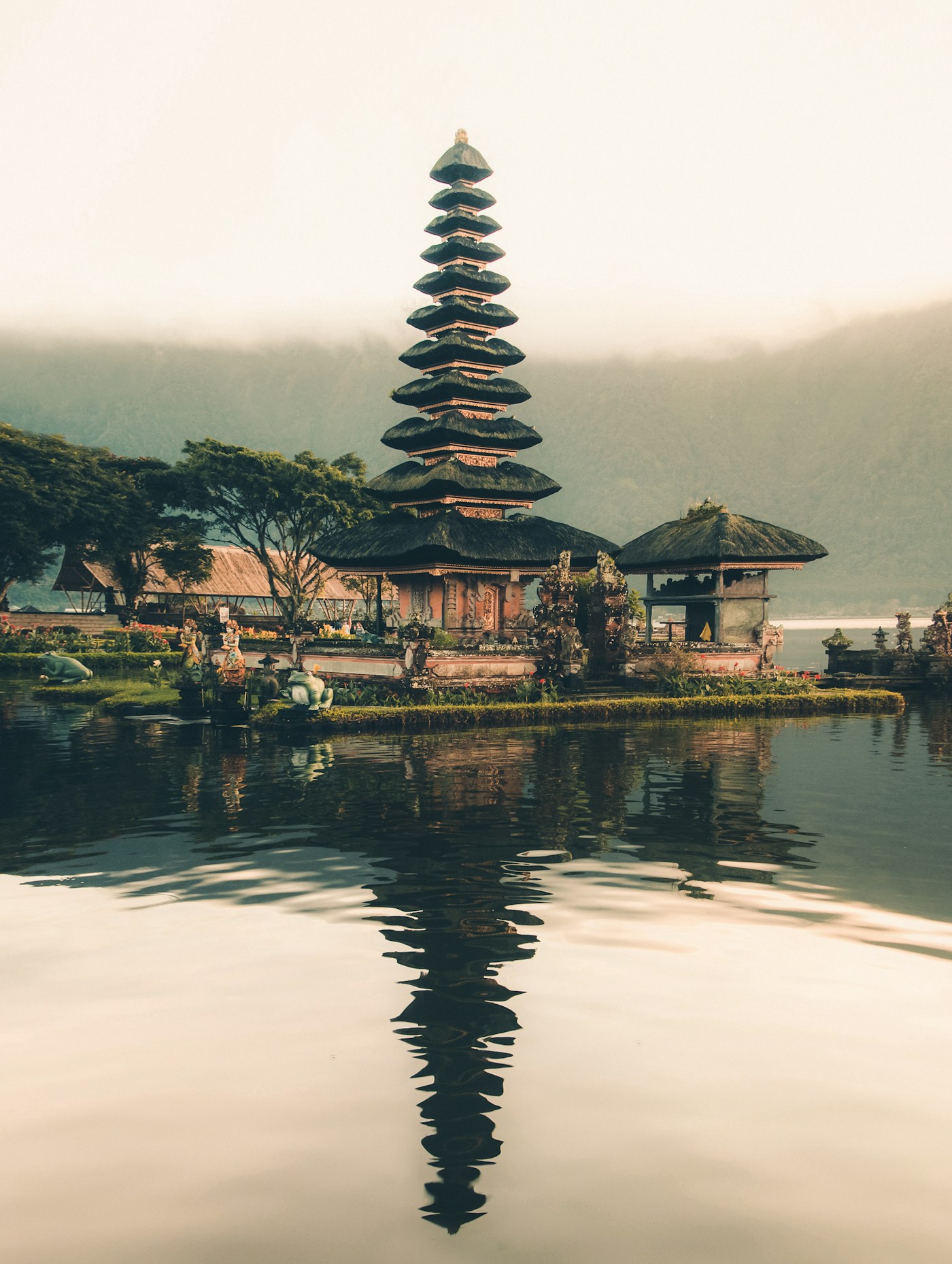
Tirta Empul — A water temple where Balinese Hindus come for ritual purification. You can participate (respectfully, wearing a sarong, following the order of the springs). One of the most moving cultural experiences on the island. Uluwatu Temple — Perched on a cliff 70m above the Indian Ocean. The kecak fire dance at sunset is unmissable. Watch your sunglasses — the monkeys are thieves. Tanah Lot — The sea temple on a rock formation, silhouetted against sunset. Crowded and heavily commercialised on the approach, but the temple itself is beautiful. Besakih (Mother Temple) — Bali’s holiest temple complex on the slopes of Mount Agung. Vast, multi-tiered, and genuinely sacred. Go with a knowledgeable guide to understand what you’re seeing.
The Rice Terraces
Bali’s rice terraces are engineered landscapes — the subak cooperative water management system has been running for over a thousand years and is a UNESCO-recognised cultural landscape. Tegallalang, north of Ubud, is the most photographed and most crowded — arrive before 8am or after 4pm. Jatiluwih, in the central highlands, is the largest terrace system and far less touristed — you can walk for an hour and see almost nobody. Sidemen Valley, in the east, has terraces backed by the dramatic cone of Mount Agung and virtually no tourist infrastructure.
Beaches and Surf
Padang Padang — A small cove at the base of a cliff, reached through a rock split. Clear water, good bodysurf waves. The setting is spectacular. Nyang Nyang — A long, empty beach below Uluwatu’s cliffs, accessed by a steep 15-minute hike down. No facilities, no crowds — just sand and surf. Batu Bolong (Canggu) — The beginner-friendly surf break. Consistent waves, board rental on the beach, sunset sessions with a Bintang afterwards. Uluwatu — A world-class left-hand reef break for experienced surfers. The cliffside warungs above the break are the best surf spectator seats in Indonesia.
Food
Balinese food is distinct from the rest of Indonesian cuisine — spicier, more complex, and built on a base of fresh spice pastes (base genep) that combine turmeric, galangal, ginger, lemongrass, shallots, garlic, and chilli. Babi guling (suckling pig) is the island’s signature dish — whole pigs stuffed with spice paste, slow-roasted over coconut husks. Ibu Oka in Ubud was the famous one (Anthony Bourdain’s endorsement), but Warung Babi Guling Pak Malen in Seminyak is equally good and less of a queue.
Nasi campur (mixed rice) is the everyday meal — a mound of rice surrounded by small portions of vegetables, meat, sambal, and kerupuk (crackers). At a local warung, it costs 25,000–40,000 IDR ($1.60–2.50). Lawar (chopped meat and vegetables with grated coconut and spices) and sate lilit (minced fish satay wrapped around lemongrass sticks) are Bali-specific dishes you won’t find elsewhere in Indonesia.
The international food scene in Seminyak and Ubud has matured: Locavore (Ubud) holds a spot on Asia’s 50 Best Restaurants with hyper-local tasting menus. Sarong (Seminyak) does pan-Asian cuisine at a high level. But honestly, a 35,000 IDR nasi campur from a roadside warung with a view of rice paddies is hard to beat at any price point.
Getting Around
Traffic in south Bali is genuinely terrible — a 10km journey from Seminyak to Uluwatu can take 90 minutes. Options: rent a scooter (70,000–100,000 IDR/day, $4.50–6.50 — the dominant local transport, but Bali traffic is aggressive and accidents are common), hire a private driver for the day (500,000–700,000 IDR, $32–45 — the best option for temple-hopping and day trips), use Grab or Gojek ride-hailing apps (cheap and reliable within zones), or rent a car (rare for tourists, the roads reward local knowledge). For trips between regions, a driver is the clear winner.
Realistic Budget
- Budget (guesthouse, warungs, scooter): $25–45/day
- Mid-range (boutique hotel, mix of warungs and restaurants, driver): $80–150/day
- Comfortable (villa, fine dining, spa treatments, tours): $200–400/day
- Nasi campur at a warung: 25,000–40,000 IDR ($1.60–2.50)
- Babi guling plate: 50,000–75,000 IDR ($3.20–4.80)
- Private driver (full day): 500,000–700,000 IDR ($32–45)
- Surf lesson (2 hours): 350,000–500,000 IDR ($22–32)
- Balinese massage (1 hour): 100,000–200,000 IDR ($6.50–13)
What Nobody Tells You
- The offerings on the ground are sacred. The canang sari (small palm-leaf trays of flowers, rice, and incense) placed on doorsteps and sidewalks are religious offerings. Don’t step on them. Walk around them. This is not decorative — it’s devotional.
- Scooter accidents are the number one cause of tourist injuries. Bali’s roads are narrow, the traffic is chaotic, and most travel insurance policies don’t cover scooter accidents unless you have a valid international motorcycle licence. If you ride, get the licence, wear a helmet, and drive defensively.
- Dry season (April–October) is when you should go. The wet season (November–March) brings daily heavy rain, flooded roads, and much higher humidity. The upside: lower prices and fewer tourists, especially in the shoulder months of November and March.
- Dress modestly at temples. A sarong and sash are required at all Balinese temples. Most temples provide rental sarongs at the entrance (10,000–20,000 IDR), but carrying your own is more respectful and practical. Cover your shoulders and knees.
- Get out of the south. Most visitors never leave the Seminyak–Canggu–Ubud–Uluwatu circuit. East Bali (Amed, Sidemen) and the north (Munduk) are where the island still feels like itself. Spend at least two or three nights outside the tourist triangle.
Experiences & Activities
Book Tours & Activities in Bali
Browse Mount Batur sunrise treks, Ubud rice terrace walks, temple tours, and snorkelling trips — all bookable online with free cancellation on most options.
Browse Bali Experiences →New guides every few months — no noise, no spam.
Subscribe freeFrequently Asked Questions
What is the best time to visit Bali?
April to October (dry season). May, June, and September offer the best balance of dry weather and fewer crowds. July and August are peak season — busier and more expensive.
How many days do I need in Bali?
Ten days to two weeks is ideal for the south, Ubud, and the east or north coast. A week works if you focus on two areas. Less than five days and you’ll spend too much time in traffic.
Is Bali safe?
Generally very safe. The main risks are scooter accidents, petty theft, and drink spiking in nightlife areas. Use common sense, don’t leave valuables on the beach, and be cautious with arak (local spirit) from unknown sources.
Is Bali expensive?
Bali can be extremely cheap or very expensive depending on your choices. Warungs, guesthouses, and scooters keep costs under $30/day. Beach clubs, villas, and fine dining push costs to $200+/day. The range is wider than almost any other destination.