
Aldous Huxley called Lake Atitlán the most beautiful lake in the world, which is the kind of claim that sounds like travel-writer inflation until you see it for yourself. The lake sits in a volcanic caldera at 1,560 metres, surrounded by three volcanoes — San Pedro, Tolimán, and Atitlán — whose reflections on the water’s surface in the early morning, before the wind picks up, are genuinely hallucinatory. Twelve Maya Tz’utujil and Kaqchikel villages line the shore, each with its own textile tradition, market day, and patron saint. The whole scene feels like it was designed by someone who wanted to create the most dramatic landscape possible and then populated it with the most colourful culture they could imagine.
But Guatemala is not just Atitlán — though it would be worth visiting for the lake alone. The country packs an absurd density of experience into its 108,000 square kilometres. Antigua, the former colonial capital, is a UNESCO World Heritage city of cobblestone streets, ruined churches, and volcano views that would be a headline destination in any country. Tikal, rising from the Petén jungle, is the greatest ancient Maya city and one of the most awe-inspiring archaeological sites in the Americas. The highlands are a patchwork of indigenous communities where Maya traditions — weaving, ceremony, language — are not museum artefacts but daily life. And the Pacific and Caribbean coasts, though less developed, offer surf, mangrove swamps, and a Garifuna culture on the Caribbean side that’s entirely distinct from the highland Maya.
The country is also complicated. Guatemala’s history includes a 36-year civil war that ended in 1996, genocide against the indigenous Maya population, and ongoing issues with poverty, inequality, and corruption. Travelling here with open eyes means acknowledging that the beauty exists alongside real hardship, and that the indigenous communities you’ll encounter are resilient in ways that deserve respect rather than romanticisation.
What’s in This Guide
- Why Guatemala in 2026
- Antigua Guatemala
- Lake Atitlán
- Tikal and the Petén
- The Western Highlands
- Volcano hiking
- Food and drink
- Getting around
- Realistic budget
- What nobody tells you
- FAQ
Why Guatemala in 2026
Guatemala has been quietly building tourism infrastructure while remaining significantly less visited than its neighbours. New direct flights from several US cities have improved access. Antigua’s restaurant scene has matured, with chefs combining Maya ingredients with modern techniques. The community-based tourism initiatives around Atitlán have expanded, offering more authentic homestays and indigenous-guided experiences. And the cost remains remarkably low — Guatemala is one of the cheapest countries in the Americas for travellers, with prices roughly half those of Costa Rica and a third of Mexico’s tourist zones.
Antigua Guatemala
Antigua is a city built, destroyed, and rebuilt by earthquakes — the 1773 quake that finally ended its 200-year run as the colonial capital left the ruins that are now its most distinctive feature. Roofless church naves open to the sky, monastery walls crumbling photogenically into gardens, and the Arco de Santa Catalina framing Volcán de Agua in the distance: it’s a city that looks like a period painting came to life.
The cobblestone streets are compact and walkable. The central park is the social hub, surrounded by the cathedral, the municipal palace, and vendors selling textiles. The side streets are where the real life happens — coffee shops in repurposed colonial houses, chocolate workshops (Guatemala is where cacao originated), mezcalerias and cocktail bars that wouldn’t be out of place in Mexico City, and restaurants that have turned Guatemalan ingredients into something genuinely exciting.
Antigua is also the country’s Spanish-school capital. Dozens of language schools offer one-on-one immersion courses — a week of classes (4 hours/day) with homestay accommodation runs $150–250 total. It’s one of the cheapest and most pleasant places in the world to learn Spanish.
Lake Atitlán
Atitlán is 2.5 hours from Antigua by shuttle, and arriving at the lakeshore for the first time is one of those travel moments that stays with you. The lake has no outlet — it sits in an ancient caldera, fed by rain and underground springs, and the water is deep, cold, and extraordinarily clear. Lanchas (small motorboats) connect the lakeside villages, and each one has a distinct personality.
Panajachel — The main town and transport hub. Tourist-facing, with a market street, ATMs, and shuttle connections. Functional rather than charming. San Pedro La Laguna — The backpacker and digital-nomad village. Cheap accommodation, yoga retreats, language schools, and a party scene. San Marcos La Laguna — The spiritual village. Meditation centres, cacao ceremonies, holistic healing, and vegetarian restaurants. San Juan La Laguna — The art village. Textile cooperatives, natural-dye workshops, and community-run tours of the weaving and painting traditions. Santa Cruz La Laguna — The quiet one. Accessible only by boat, with a handful of lakeside lodges and excellent hiking to the neighbouring villages.
Tikal and the Petén
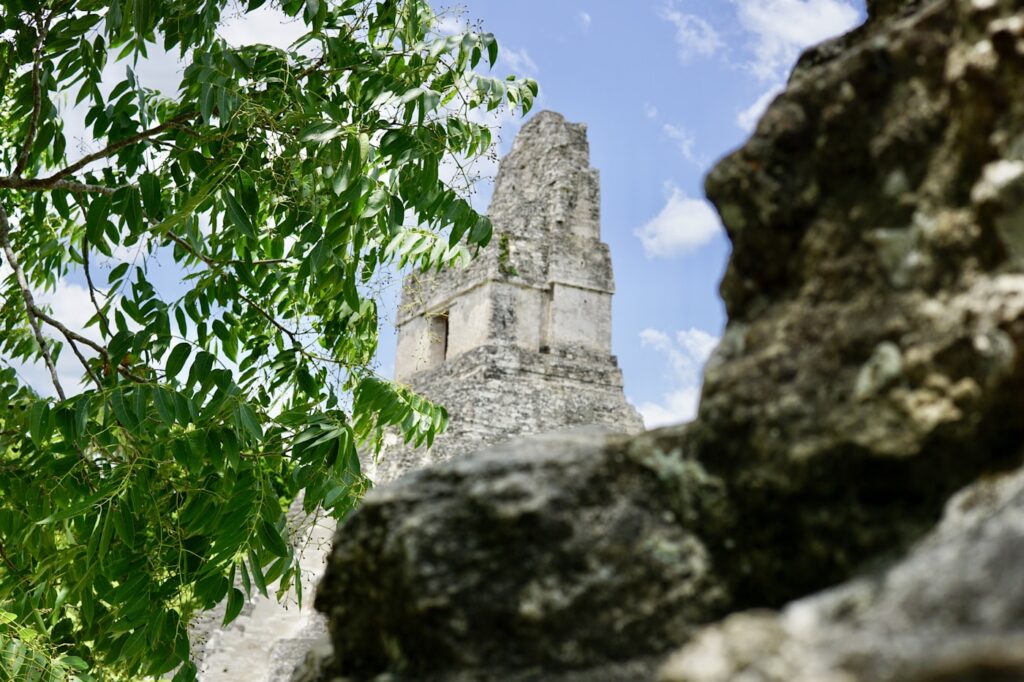
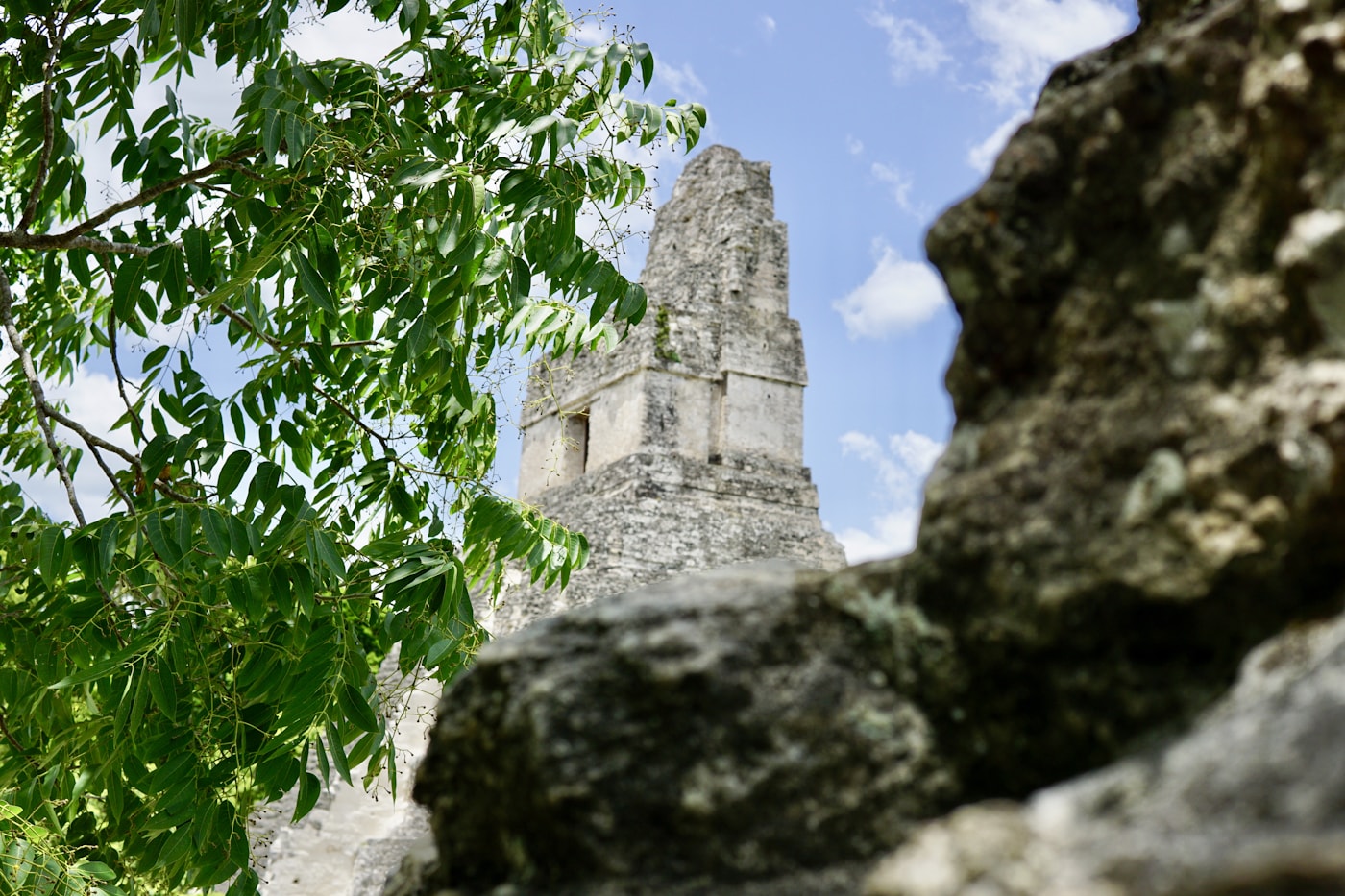
Tikal is a Maya city that was home to 100,000 people at its peak around 700 AD. The ruins sit in a national park of dense jungle in the Petén lowlands — you hear howler monkeys before you see the first temple, and the sound is primordial and slightly terrifying. Temple IV, the tallest structure at 65 metres, offers a view over the jungle canopy that extends to the horizon, broken only by the limestone peaks of other temples rising above the trees.
The sunrise tour is the classic experience — enter the park before dawn, climb Temple IV, and watch the mist burn off the jungle as the sun comes up. It’s popular for a reason. Budget a full day for the site; it’s enormous, and rushing through it means missing the wildlife (toucans, spider monkeys, coatis, ocellated turkeys) that’s as impressive as the architecture.
Flores, a small island town on Lake Petén Itzá, is the base for Tikal visits. It’s a pleasant place to spend a night — cobblestone streets, colourful buildings, lakeside restaurants — but not a destination in itself. Flights from Guatemala City to Flores take about an hour; the bus takes 8–10 hours on a road that’s improved but still long.
The Western Highlands
The highlands northwest of Atitlán are the heartland of living Maya culture. Chichicastenango hosts one of the Americas’ most famous markets every Thursday and Sunday — textiles, masks, ceramics, produce, and religious ceremonies on the steps of the Santo Tomás church where Maya and Catholic rituals blend seamlessly. Quetzaltenango (Xela), Guatemala’s second city, is a highland base for volcano hikes, indigenous community visits, and language schools that are even cheaper than Antigua’s. Nebaj and the Ixil Triangle, further north, are among the most beautiful and culturally intact areas — Ixil Maya communities in cloud-forest valleys, accessible by chicken bus and hike.
Volcano Hiking
Guatemala has 37 volcanoes, several of them active. Hiking them is a signature experience. Volcán de Acatenango (3,976m) — the most popular overnight hike. Camp near the summit and watch Volcán de Fuego erupting across the valley — lava and ash plumes against a night sky. Genuinely unforgettable. The hike is strenuous (6–8 hours up) and cold at altitude. Go with a licensed guide agency from Antigua (Q250–450 per person including gear). Volcán de Pacaya — an easier, half-day hike from Antigua to an active lava field where you can roast marshmallows on volcanic vents. Volcán San Pedro — a 5-hour round-trip hike from San Pedro La Laguna with lake views from the summit.
Food and Drink
Guatemalan food is corn-based, simply prepared, and deeply satisfying. Pepián — a thick stew of chicken or pork with roasted seeds, chillies, and tomatoes — is the national dish and tastes like something that’s been perfected over centuries, because it has. Kak’ik — a turkey soup with chilli and coriander from the Q’eqchi’ Maya tradition — is rich, spicy, and available at markets in the highlands. Tamales here are wrapped in banana leaves or corn husks and come in dozens of regional varieties.
Guatemala is also one of the world’s great coffee origins. Huehuetenango, Antigua, and Cobán produce beans that specialty roasters pay premium prices for. In Antigua, coffee shops serve single-origin cups for Q15–30 ($2–4 USD) — coffee that would cost $6 in Brooklyn. The chocolate tradition is equally deep — Guatemala was the birthplace of cacao cultivation, and bean-to-bar workshops in Antigua let you make your own from local beans.
Getting Around
Tourist shuttles connect the main destinations (Antigua–Atitlán–Xela–Flores) and are the standard option: comfortable minivans, door-to-door service, roughly Q100–250 per journey ($13–33 USD). Chicken buses (repurposed US school buses, painted in wild colours) are the local transport — cheap, chaotic, and an experience in themselves. They go everywhere but slowly. Domestic flights (TAG Airlines) connect Guatemala City to Flores. A rental car works for adventurous drivers with 4WD tolerance, but the roads in rural areas can be challenging.
Realistic Budget
- Budget (hostels, street food, chicken buses): $25–40/day
- Mid-range (boutique hotel, restaurants, shuttles): $60–100/day
- Comfortable (design hotel, guided tours, domestic flights): $120–200/day
- Market lunch (pepián with tortillas): Q20–35 ($2.50–4.50)
- Acatenango volcano overnight tour: Q250–450 ($33–60)
- Tikal entry fee: Q150 ($20)
- Spanish school (week, 4hrs/day + homestay): $150–250
What Nobody Tells You
- The altitude is real. Antigua (1,530m), Atitlán (1,560m), and Xela (2,330m) are all at significant elevation. Acatenango tops 3,900m. Drink water, acclimatise for a day, and don’t underestimate the volcano hikes.
- Chicken buses are safe but not comfortable. They’re crowded, loud, and driven with enthusiasm. They’re also the cheapest way to get around and connect to places shuttles don’t reach. Keep valuables close and enjoy the ride.
- Buy textiles directly from weavers. The market vendors in Chichicastenango and Antigua are middlemen. In villages like San Juan La Laguna and Nebaj, cooperatives sell directly to you — the women who made the textiles explain the patterns and you know the money stays local.
- Fuego erupts constantly. Volcán de Fuego is one of the most active volcanoes in the world. It erupts multiple times daily — small explosions visible from Acatenango and even from Antigua on clear nights. The major eruption of 2018 was a tragedy that killed hundreds. Respect the volcano and follow your guide’s instructions.
- ATMs are unreliable outside main towns. Carry cash in quetzales. ATMs in Panajachel, Antigua, and Xela work fine; in smaller villages they may be empty or non-functional. Credit cards are accepted in tourist restaurants and hotels but not at markets or local eateries.
Experiences & Activities
Book Tours & Activities in Guatemala
Browse Acatenango volcano hikes, Tikal sunrise tours, Lake Atitlán village visits, and Antigua walking tours — all bookable online with free cancellation on most options.
Browse Guatemala Experiences →New guides every few months — no noise, no spam.
Subscribe freeFrequently Asked Questions
Is Guatemala safe for tourists in 2026?
The main tourist areas — Antigua, Atitlán, Flores — are generally safe. Guatemala City has higher crime rates; most travellers transit through quickly. Use registered transport, avoid walking alone at night in cities, and keep valuables out of sight. Thousands of backpackers travel Guatemala safely every year.
How many days should I spend in Guatemala?
Two weeks is ideal for Antigua, Atitlán, Tikal, and the highlands. Ten days works if you cut one region. A week is tight but covers Antigua + Atitlán or Antigua + Tikal.
Do I need to speak Spanish?
Basic Spanish is very helpful and deeply appreciated. English is spoken in tourist-facing businesses in Antigua and Atitlán but rare elsewhere. Guatemala is an excellent place to learn — the Spanish schools in Antigua and Xela are among the best value in the world.
What is the best time to visit Guatemala?
November through April is dry season — clear skies, comfortable temperatures, best for volcano hikes. The rainy season (May–October) brings afternoon storms but greener landscapes and fewer tourists. Semana Santa (Easter week) in Antigua is spectacular but extremely crowded.