
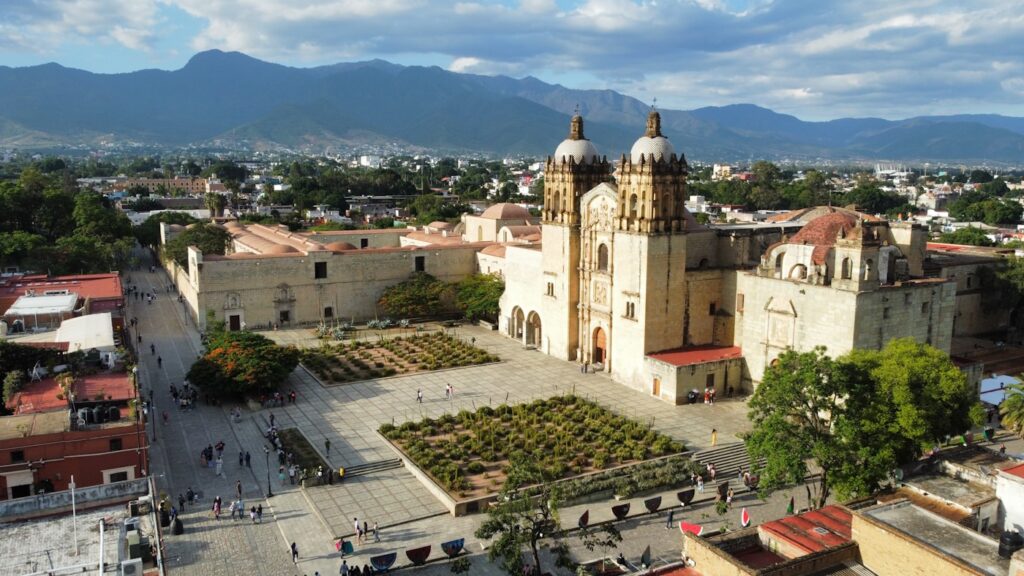
There is a particular sound that follows you through Oaxaca city in the early morning, before the cafés open and the calle ten de noviembre fills with cars. It is the sound of corn being patted by hand into tortillas on a comal, faintly amplified between the colonial walls of the central streets. It comes from twenty different doorways in any given block, and it has been the soundtrack of this city for five hundred years. The tortillerias have not yet been industrialised here. The town has not yet decided to be more efficient than it has historically been. The slowness, which is the first thing a first-time visitor notices, is not laziness. It is something closer to dignity.
Oaxaca is the food city Mexico City is supposed to be. It is also a state, the second-poorest in Mexico, with sixteen recognised indigenous languages still spoken in the villages, that has held onto its cultural surface in a way that almost nowhere else in North America has. The mistake people make is to come for two nights, eat three good meals, and leave. The city rewards five nights, and the valleys around it, the mezcal villages, the weaving towns, the great archaeological sites at Monte Albán and Mitla, reward another five. Plan, this time, to stay.
Planning around the season?
See Oaxaca in October for month-specific timing, pricing, and crowd realities.
When to come
Oaxaca has a long, mostly dry season from November through April and a wet, intense afternoon-storm season from June through September. May is the bridge month, hot and slowly drying.
The two famous windows: Día de los Muertos (the last days of October through November 2nd) and Guelaguetza (the two Mondays of July, plus the surrounding fortnight). Both are extraordinary. Both are, now, harder and more expensive to do than the marketing implies. Day of the Dead in Oaxaca means hotel prices three to four times their normal rate, restaurants on prix-fixe-only menus, and a town full of foreign visitors. If you come for it, book the previous February. Go to the cemeteries in Xoxocotlán and San Felipe del Agua rather than only the central tourist version. Bring respect.
The underrated months are January, February, March — cool nights, warm afternoons, the city decorated for the season but unwound from the autumn surge. Late September into early October is the second window: the rains tapering off, the surrounding valleys at their greenest of the year, and the city just beginning to ramp toward Día de los Muertos preparations.
The honest geography
Three zones matter. The centro histórico, the gridded colonial centre around the Zócalo and the Templo de Santo Domingo: is small, walkable in twenty minutes from edge to edge, and where most visitors stay. The bohemian neighbourhood of Jalatlaco, ten minutes’ walk northeast of the centre, is the prettiest residential pocket of the city and the place most well-prepared travellers actually base themselves now. And then the valleys, the three main arms of the Central Valleys radiating out from the city, full of villages each specialising in something (mezcal in Santiago Matatlán, weaving in Teotitlán del Valle, black pottery in San Bartolo Coyotepec, green-glazed pottery in Santa María Atzompa).
Treat the city as the home base. Treat the valleys as half-day excursions you do two or three of across a week.
The food
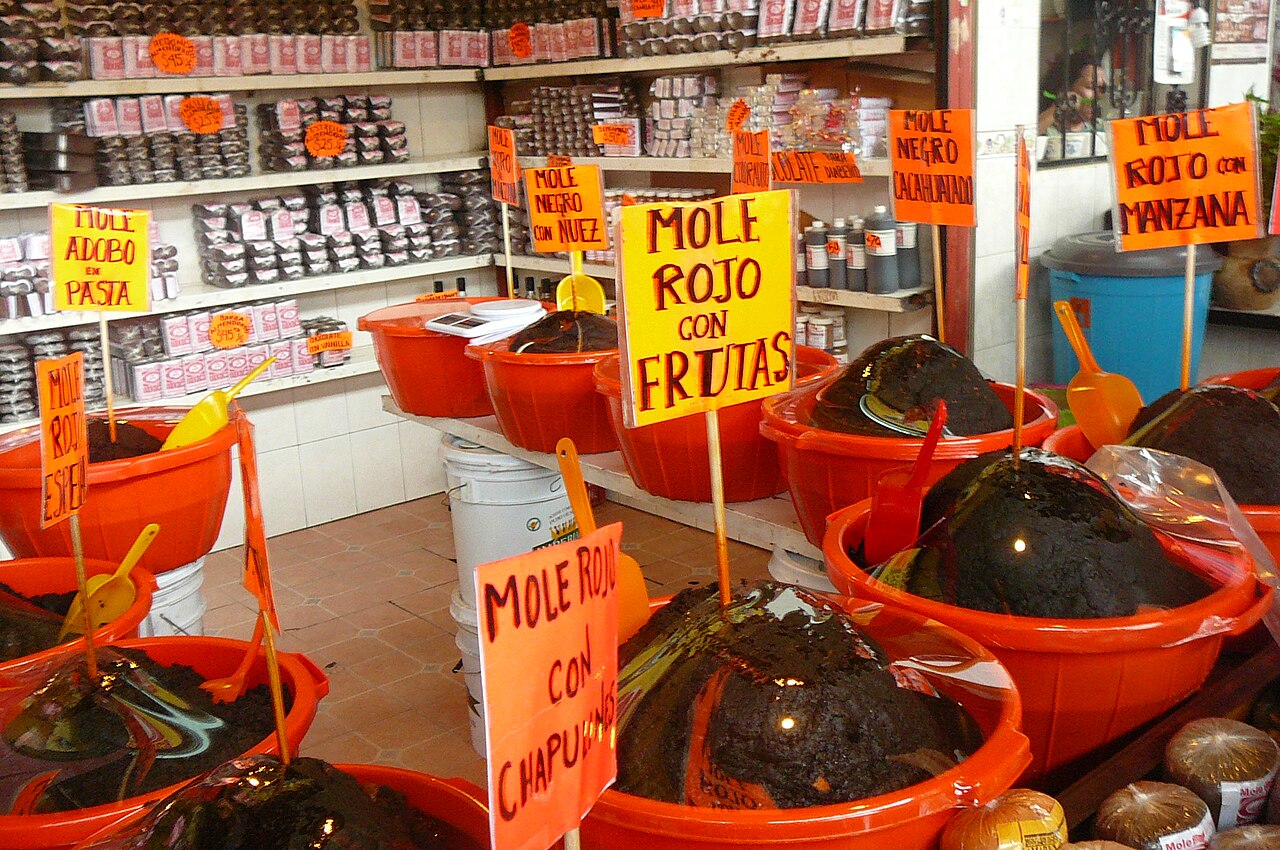
Oaxaca’s claim is that it has seven moles. The claim is correct and slightly misleading. Mole negro and mole rojo are the famous two, the other five (amarillo, verde, coloradito, chichilo, manchamantel) are less common but still findable. Eat at least three. The right places: Itanoní for the simplest fresh-corn things (memelas, tlayudas, atoles), Las Quince Letras for the proper mole negro, Tlamanalli in Teotitlán for the Sunday lunch that justifies the drive (Zapotec cooking, run by Abigaíl Mendoza, prepared on a wood fire, the kind of meal you do not forget).
The tortillerias have not yet been industrialised here. The town has not yet decided to be more efficient than it has historically been.
The new generation of restaurants, Origen, Pitiona, Levadura de Olla, Criollo, Casa Oaxaca — have given Oaxaca a contemporary fine-dining identity in the last decade. Origen is the standout if you only pick one. Casa Oaxaca is the older fashionable choice and still excellent. Criollo, in a beautiful courtyard restaurant in Centro, is the chef Enrique Olvera (of Pujol fame) project.
The markets are essential. Mercado 20 de Noviembre at lunchtime for the smoky meat hall (pasillo de humo) where you point at raw meat at a stall, hand it across to a grill, and eat it at a long communal table ten minutes later with tortillas and salsas you’ve assembled yourself for forty pesos. Mercado de la Merced for produce and the proper chocolate vendors. Mercado de Abastos for the size of Oaxaca’s real food trade, on a Saturday: vast, overwhelming, the actual heart of the regional economy.
And the chocolate. The state grows cacao; the city grinds it on the spot. Mayordomo and Soledad are the famous storefronts; the quieter Choco-Solar and La Soledad mills will grind beans you bring in with cinnamon and sugar while you wait. A bag of fresh ground chocolate is twenty pesos. Make hot chocolate with it for a month after you get home.
Mezcal, properly
Mezcal is to Oaxaca what wine is to Burgundy. It is also the part of the visit travellers most often do wrong. By taking a guided minibus tour that hits three big distilleries (palenques) and lets you taste twelve mezcals in two hours, none of them at the right temperature, in plastic cups.
The right way is slower. Hire a driver for the day. Go to two palenques, not five. The names worth knowing are Real Minero in Santa Catarina Minas, Mezcaloteca and El Rey Zapoteco in Santiago Matatlán, El Cortijo in San Baltazar Guelavila. Ask to taste three mezcals slowly with the maestro mezcalero present. Drink them from a copita (a small clay or hollow-gourd cup) and at room temperature, not on the rocks. Eat oranges with salt and worm-salt (sal de gusano) between tastes. Pay attention to the agave varieties, espadín is the everyday workhorse, tobalá is the wild small one, madrecuixe is the green herbaceous one, tepeztate is the rare, slow-growing one. Buy a bottle of each from the palenque rather than from a shop in town.
In the city itself, the bars worth your time are Mezcaloteca (the educational, small-batch one — you sit through a tasting), In Situ (the largest selection, plus great food), and Sabina Sabe for cocktails.
The valleys, by half-day
Pick three of these for a week’s visit; pick five for ten days.
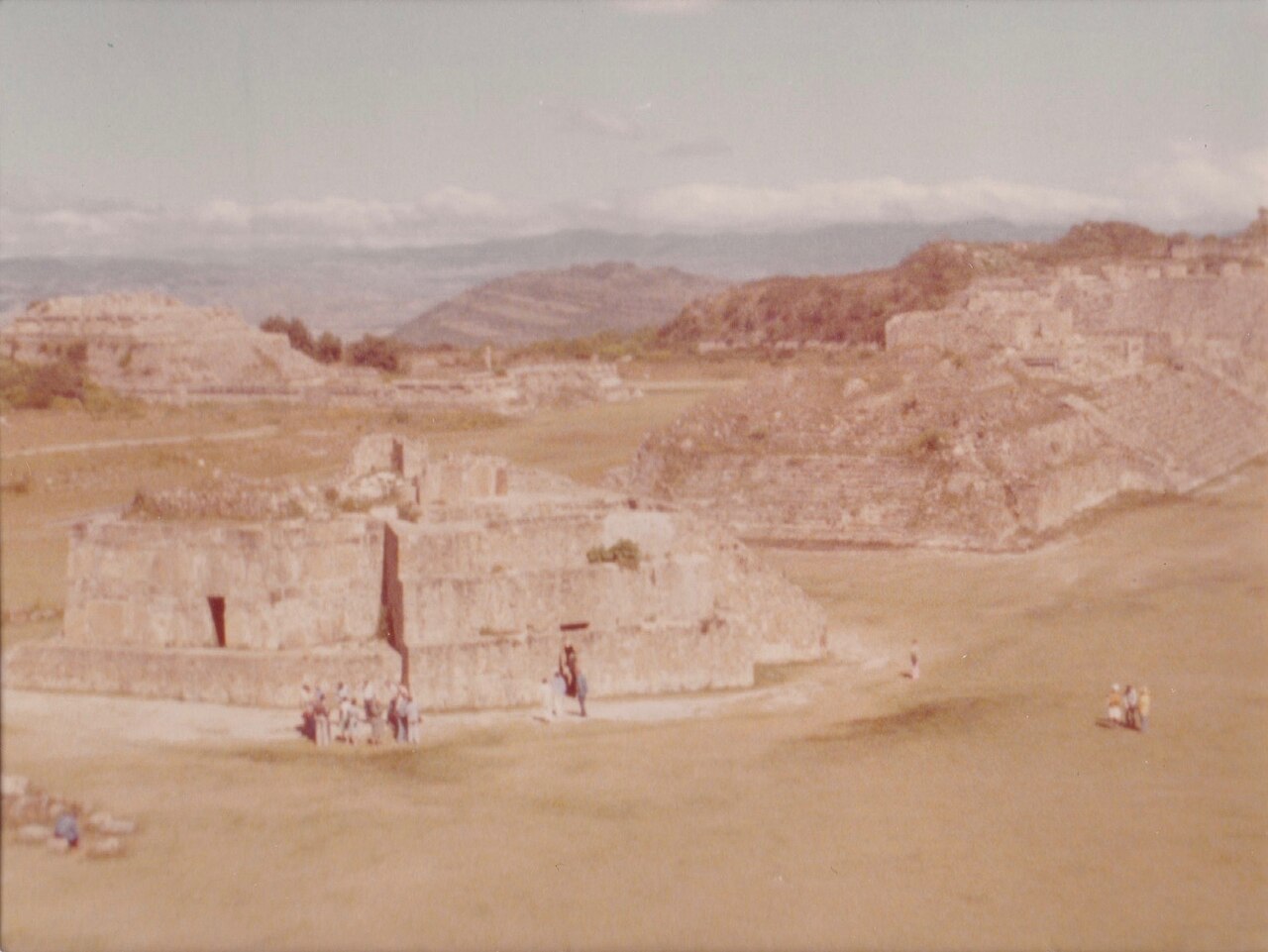
Monte Albán, the Zapotec mountain-top city, the major archaeological site of the region, an hour outside the city. Worth a half-day. Go in the morning when the light is right and the heat is bearable.
Mitla, the second great Zapotec site, smaller but with extraordinary geometric stone friezes in the surviving palace. Less crowded than Monte Albán. Combine with the nearby petrified waterfalls at Hierve el Agua (a swim in a calcified spring at the edge of a cliff, beautiful and now overly photographed: go early or late, not at midday).
Teotitlán del Valle, the weaving town. Family workshops on every block, the better ones using natural dyes from cochineal, indigo, and pomegranate. Vida Nueva Cooperative or Casa Don Taurino for serious rugs. A serious tapete from a serious weaver is a three-to-six-thousand-peso piece of art.
San Bartolo Coyotepec, the black-pottery village. The famous Doña Rosa Real workshop and a dozen smaller family workshops along the same street. Take cash; the pieces don’t travel well in a backpack so plan accordingly.
Tlacolula market on a Sunday, one of the oldest continuous markets in the Americas, running since before the Spanish arrived. Triqui and Zapotec women come down from the mountain villages from four in the morning, in the embroidered huipiles of their specific village, with baskets of huitlacoche, dried chillies, chapulines roasted in lime, copal incense, and live turkeys held under one arm. The barbacoa stalls in the rear of the building open at six; the meat has been cooking in maguey-lined pits since the previous afternoon. You sit at a plastic table on a plastic stool and eat a kilo of lamb with hand-pressed tortillas and three salsas for under a hundred and forty pesos. The Sunday market shapes the week of the entire valley; if you can only do one valley trip, do this one.
Where to stay
Pug Seal Oaxaca and Hotel Sin Nombre are the design-forward boutiques in the centre. Small, careful, mid-three-figures a night, the kind of place where breakfast is on a small interior patio with bougainvillea. Casa Oaxaca, attached to the restaurant of the same name, is the polished colonial option. Pluma is the newer, very tasteful art-hotel choice in Jalatlaco. Most budgets are well-served by the small family-run posadas in the centre at fifty to ninety dollars; check that the room is not facing the calle, as the wedding processions on Saturday nights are loud and lovely.
What will surprise you
The altitude. Oaxaca sits at 1,560 metres and a first-day headache is more common than people warn. Drink more water than you think. The night cold in winter, December evenings drop to ten degrees, and most colonial rooms have no heating. The number of churches, and the seriousness of the Catholic-syncretic religion in the smaller villages. The traffic the city has begun to develop, particularly around the carretera in late afternoon. The way every Saturday brings a different wedding parade through the central streets, with a brass band, a paper-mâché giant couple, mezcal pressed into your hand by strangers. The Zapotec language is alive in the markets, alongside Spanish. The kindness of the strangers.
What will disappoint you if you let it
The crowds in late October. The traffic on the carretera to Mitla on a Sunday. The bus-group palenque tours. Avoid these. The aggressive sales pressure at some weaving workshops in Teotitlán; the better ones do not push. The price of restaurants that have crossed over into international fame; Origen is now hard to book in November, Casa Oaxaca’s terrace is on hold months in advance.
Practical, briefly
Oaxaca International Airport (OAX) has direct flights from Mexico City, Houston, Dallas, and a few seasonal connections. Mexico City to Oaxaca is also a beautiful daylight bus on ADO GL (six hours) or a one-hour flight. The taxi from the airport is set-fare; Uber works in the city centre. Mezcal palenque day trips are best done with a private driver — your hotel will arrange it for around 2,500 pesos for the day. Spanish is genuinely useful in a way it is not in Mexico City. The water is not drinkable but every hotel and restaurant has filtered. Cash for markets and palenques; cards for restaurants and shops.
A final thought
Oaxaca is the rare travel city that keeps its scale. You walk it. You eat in the same three places twice. You go to the same chocolate shop on consecutive mornings. By the fourth day, the woman at the comedor in the market knows what you want before you order it, and the city stops being a place you are seeing and starts being a place you are in. Most travellers leave on day three, and the city, gently, withholds. Stay longer. The mezcal is patient, and so is the city.
Seasonal questions
When is the best time to visit Oaxaca?
October-November (Day of the Dead spans Oct 31-Nov 2 with surrounding weeks energized) or February-April (dry, warm, less crowded). Avoid June-September if you dislike afternoon rain.
Is Oaxaca worth visiting outside Day of the Dead?
Yes, the city is excellent year-round. Dia de los Muertos crowds (Oct 28-Nov 4) push hotels 3-4x normal rates and double the wait at major restaurants. February-March is when locals say Oaxaca shows its real face: dry, warm, uncrowded, mezcal villages open.
How far ahead do I need to plan for Día de los Muertos?
Eight to twelve months for hotel bookings in the city center, six-plus months for boutique mezcalerias and the Xoxocotlan cemetery visit. Flights to OAX double in price by August. Locals will say everything is full; they are not exaggerating.
More from Packzup

Written by
Founder of Packzup. Independent travel writer covering offbeat destinations across six continents since 2018. Every guide is first-hand and self-funded — no press trips, never sponsored.