
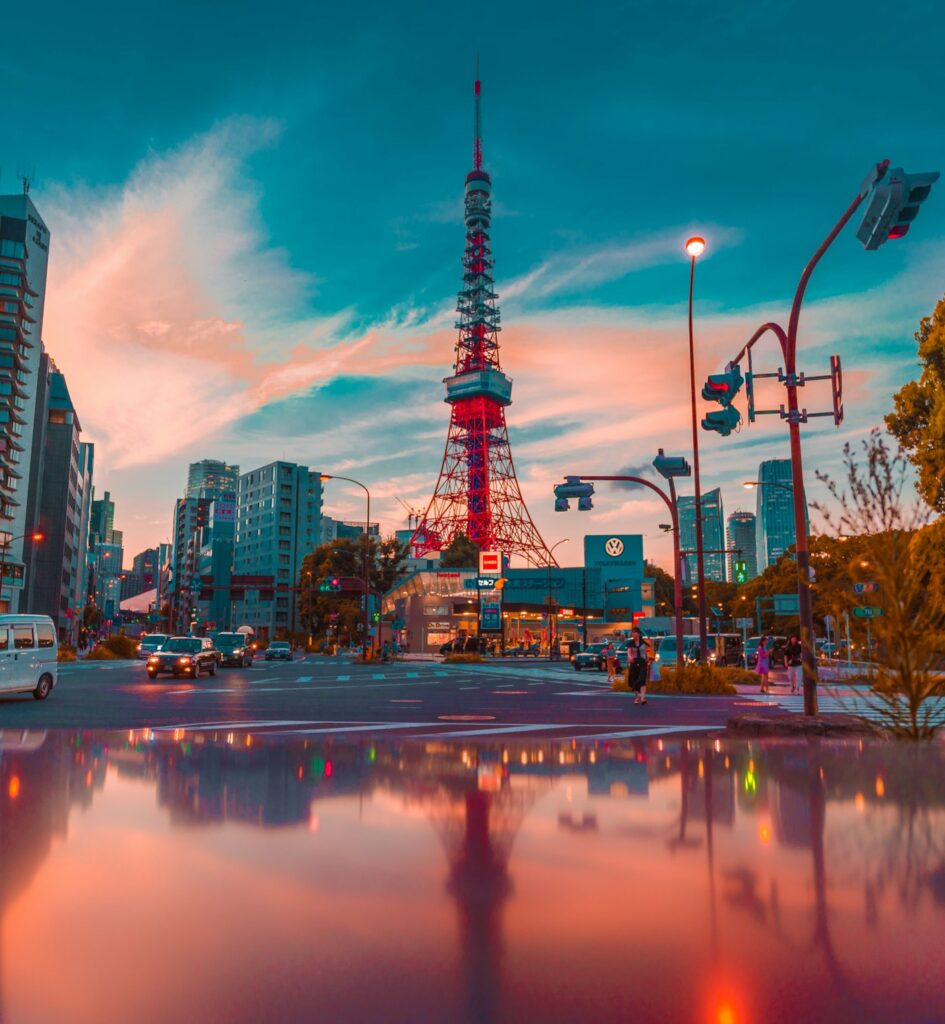
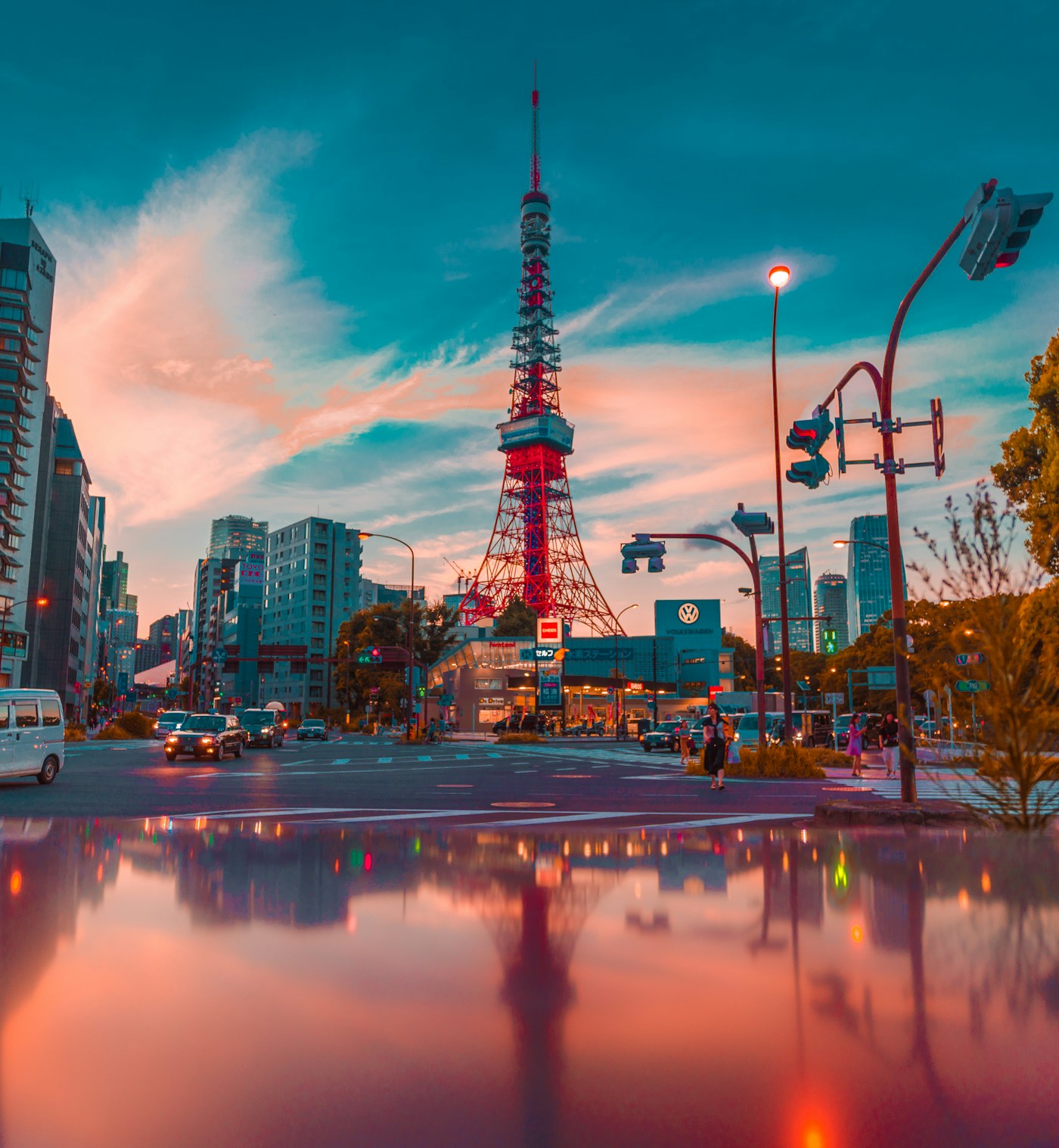
The first 24 hours in Tokyo are sensory overload in a way that no other city replicates. You land at Narita or Haneda, take a train that arrives to the second, emerge into a station the size of a small city, and find yourself in a place where neon signs stack ten stories high, vending machines sell hot coffee and cold soup on the same street, and a convenience store lunch is better than most sit-down restaurants in other countries. A 7-Eleven onigiri (rice ball) in Tokyo costs ¥130 ($0.85) and is genuinely excellent. This is the baseline.
Tokyo is not one city — it’s dozens of villages that grew into each other and are now connected by rail. Each neighbourhood has its own personality, and moving between them is like channel-surfing through different versions of Japan. Shinjuku is neon and noise and the world’s busiest railway station. Shimokitazawa is vintage shops and live music venues in narrow alleys. Yanaka is a temple district that survived the war and still looks like 1950s Tokyo. Akihabara is the electronics and anime district where the future arrived early. Daikanyama is quiet bookshops and architect-designed coffee shops. And Tsukiji (the outer market) is the best seafood breakfast on earth.
What takes time to understand is the depth. Tokyo’s culture operates on layers that reveal themselves slowly — the etiquette, the seasonal obsessions (cherry blossoms in spring, autumn leaves in November), the craft traditions that make a single bowl of ramen the result of a decade of refinement. A sushi chef trains for ten years before touching fish. A kissaten (old-style coffee shop) owner roasts beans by hand and serves them in ceramic cups that were chosen with the same care as the coffee. This level of dedication to ordinary things is what makes Tokyo extraordinary.
What’s in This Guide
- Why Tokyo in 2026
- The neighbourhoods
- Food: the main event
- Temples, shrines, and tradition
- Shopping
- Day trips
- Getting around
- Realistic budget
- What nobody tells you
- FAQ
Why Tokyo in 2026
The yen has remained weak against the dollar and euro, making Tokyo — historically one of the world’s most expensive cities — genuinely affordable by international standards. A Michelin-starred ramen bowl costs ¥1,200 ($8). A night in a clean, modern business hotel runs ¥8,000–12,000 ($55–80). The exchange rate has brought a wave of international visitors, but Tokyo absorbs crowds like few other cities can — the infrastructure was built for 37 million commuters, and tourists barely register on the capacity gauge.
New openings include the expanded teamLab installations, several rooftop parks in the Shibuya redevelopment zone, and the ongoing transformation of the Nihonbashi district into a mixed cultural quarter. The Hokuriku Shinkansen extension now reaches Tsuruga, making day trips to Japan’s Sea of Japan coast faster. And Tokyo’s food scene, always the world’s deepest, continues to evolve — a new generation of chefs trained in French and Italian kitchens are reinterpreting washoku (traditional Japanese cuisine) in ways that would have been unthinkable a decade ago.
The Neighbourhoods
Shinjuku — The bright-lights district. The west side has the skyscrapers and the Tokyo Metropolitan Government Building (free observation deck, better than the Skytree and cheaper — it’s free). The east side has Kabukichō’s neon-drenched entertainment streets, Golden Gai (a cluster of tiny bars seating 6–8 people each, over 200 of them crammed into six alleys), and Omoide Yokochō (Memory Lane, also called Piss Alley — yakitori stalls under the railway tracks).
Shibuya — The scramble crossing is the photo op, but the neighbourhood beyond it has evolved into a mix of shopping, dining, and newly opened public spaces. Shibuya Stream and Shibuya Sky offer rooftop views. The backstreets behind Centre-gai have excellent ramen and izakaya. Miyashita Park, rebuilt as an elevated retail-and-park hybrid, is worth a walk.
Shimokitazawa — Tokyo’s indie village. Vintage clothing shops, vinyl record stores, small theatres, and cafés in buildings that haven’t been renovated since the 1970s. The recent Bonus Track development added a cluster of independent shops and restaurants without destroying the neighbourhood’s character. The best neighbourhood in Tokyo for aimless walking.
Yanaka — The old Tokyo that survived the 1945 firebombing. Temple-lined streets, a cemetery that doubles as a park, traditional craft shops, and Yanaka Ginza — a retro shopping street where the locals still buy their groceries. Cat statues everywhere. The afternoon light through the temple trees is beautiful.
Asakusa — The gateway to Sensō-ji, Tokyo’s oldest temple (built 628 AD). The Nakamise-dōri approach is touristy but the temple itself is magnificent, especially at night when the crowds thin and the lanterns glow. The surrounding streets have traditional craft shops, tempura restaurants, and the Hoppy Street izakaya cluster.
Food: The Main Event
Tokyo has more restaurants than any other city on earth — roughly 80,000 — and more Michelin stars than Paris and London combined. But the magic isn’t at the top end. It’s in the depth of the middle: the ramen shop where the owner has spent 20 years perfecting his tonkotsu broth. The sushi counter where an omakase of 12 pieces costs ¥4,000 ($27) and each piece is seasonal and perfect. The tempura specialist where the chef fries each piece individually and places it on your plate at the exact moment it reaches peak crispness.
Ramen — Every neighbourhood has a specialist. Fuunji in Shinjuku does tsukemen (dipping noodles) with a queue that moves fast. Ichiran in Shibuya serves tonkotsu in individual booths — you don’t even see the chef. Afuri in Ebisu does a lighter, yuzu-flavoured shio ramen. Budget ¥900–1,400 per bowl.
Sushi — The Tsukiji outer market (the inner market moved to Toyosu) is still the seafood epicentre. Sushi Dai and Daiwa are the famous names with long queues; the smaller counters nearby are nearly as good with shorter waits. For a sit-down omakase, mid-range sushi-ya in Ginza or Nihonbashi run ¥8,000–15,000 ($55–100) at lunch and are world-class.
Izakaya — Japanese gastropubs, serving small plates with beer and sake. Gonpachi in Roppongi (the inspiration for the Kill Bill restaurant scene) is the famous one. Better experiences at the unnamed izakaya under the railway tracks in Yurakuchō, where salarymen drink ¥300 beers and eat yakitori that’s been grilled on the same charcoal setup for decades.
Convenience stores — This sounds absurd but is completely serious. Japanese konbini (7-Eleven, Lawson, FamilyMart) sell onigiri, sandwiches, bento boxes, and pastries that are better than casual restaurants in most countries. A ¥500 ($3.50) lunch from a konbini is a legitimate meal. The egg salad sandwich at 7-Eleven is a cult item for a reason.
Temples, Shrines, and Tradition
Sensō-ji (Asakusa) — Tokyo’s oldest and most visited temple. Best at dawn or after dark. Meiji Jingū (Harajuku) — A Shinto shrine in a forest that feels like it’s a hundred miles from the city. The gravel approach through towering torii gates is one of Tokyo’s most peaceful walks. Nezu Shrine — A quieter alternative in Yanaka with vermillion torii gates and a seasonal azalea garden. Zōjō-ji — A temple at the foot of Tokyo Tower with a jizo statue garden that’s quietly moving.
Shopping
Vintage and second-hand — Shimokitazawa for clothing, Jimbocho for used books (the largest second-hand book district in the world), Nakano Broadway for vintage manga and collectibles. Electronics — Akihabara, though it’s as much about anime culture now as electronics. Yodobashi Camera in Shinjuku is the serious electronics department store. Design and craft — Daikanyama T-Site (a bookshop-as-lifestyle complex), Kappabashi-dōri (kitchen equipment street — professional-grade knives, ceramics, plastic food samples), and the Tokyo National Museum shop for traditional craft items.
Day Trips
Kamakura — The ancient capital, 1 hour south by train. The Great Buddha (Daibutsu), bamboo groves at Hokoku-ji, and the Enoden coastal tram. A perfect day trip. Nikko — Ornate Shinto shrines in a cedar forest, 2 hours north. The Tōshō-gū shrine complex is Japan’s most decorated. Hakone — Hot springs (onsen), a pirate ship on a crater lake, and views of Mount Fuji (on clear days). 1.5 hours from Shinjuku on the Romancecar express. Mount Fuji — Climbable July–September. The overnight climb (start at 5th Station around midnight, summit for sunrise) is a bucket-list experience. Outside climbing season, the view from Kawaguchiko (2 hours by bus) with the lake in the foreground is the classic photo.
Getting Around
Tokyo’s train network is the best urban transit system on earth. The JR Yamanote Line loops around central Tokyo, connecting major districts. The Tokyo Metro and Toei Subway fill the gaps. Buy a Suica or Pasmo IC card (rechargeable, tap-on/tap-off) and forget about individual tickets. A 72-hour Tokyo Metro pass costs ¥1,500 ($10) and covers unlimited rides on metro lines — extraordinary value. Google Maps works perfectly for route planning in Tokyo.
Realistic Budget
- Budget (capsule hotel, konbini meals, rail pass): ¥8,000–12,000/day (~$55–80)
- Mid-range (business hotel, restaurants, day trips): ¥18,000–30,000/day (~$120–200)
- Comfortable (boutique hotel, omakase, taxis): ¥40,000–70,000/day (~$270–470)
- Bowl of ramen: ¥900–1,400 ($6–9)
- Sushi omakase (lunch, mid-range): ¥8,000–15,000 ($55–100)
- 7-Eleven onigiri: ¥130 ($0.85)
- 72-hour metro pass: ¥1,500 ($10)
- Capsule hotel: ¥3,000–5,000/night ($20–33)
What Nobody Tells You
- Cash is still king. Japan has more cash transactions than any other developed country. Many restaurants, especially smaller ones, don’t accept cards. Carry ¥10,000–20,000 in cash at all times. 7-Eleven ATMs accept foreign cards reliably.
- Tipping is offensive. Don’t tip. Anywhere. It’s considered rude — an implication that the service was insufficient and needs financial compensation. The price on the menu is the price you pay.
- Quiet is expected. Talking on the phone on trains is a serious social violation. Eating while walking is frowned upon (buy your street food, stand at the stall, eat, dispose of your rubbish, then walk). These norms aren’t written down but they’re rigidly observed.
- Cherry blossom season (late March–early April) is worth planning around. The sakura bloom transforms the city. Ueno Park, Meguro River, Shinjuku Gyoen, and Chidorigafuchi moat are the classic viewing spots. The bloom lasts about 10 days and the timing shifts each year — check forecasts.
- Luggage forwarding exists and is life-changing. Takkyubin (delivery services, available at every konbini) will send your suitcase to your next hotel for ¥1,500–2,500. Travel between cities with just a daypack. This is one of Japan’s greatest innovations for tourists and almost nobody uses it.
Experiences & Activities
Book Tours & Activities in Tokyo
Browse Tsukiji market tours, sake tasting experiences, Akihabara guided walks, and Mount Fuji day trips — all bookable online with free cancellation on most options.
Browse Tokyo Experiences →New guides every few months — no noise, no spam.
Subscribe freeFrequently Asked Questions
What is the best time to visit Tokyo?
Late March to early April for cherry blossoms. October to November for autumn colours and comfortable temperatures. Avoid the rainy season (June–mid July) and the August heat and humidity.
How many days do I need in Tokyo?
Five days minimum. A week lets you add day trips to Kamakura or Hakone. You could spend a month and not run out of neighbourhoods to explore.
Do I need to speak Japanese?
Not essential. Train stations have English signage, Google Translate’s camera mode handles menus, and hotel staff generally speak some English. A few Japanese phrases (sumimasen, arigatou, kudasai) are appreciated and helpful.
Is Tokyo safe?
Exceptionally safe. Tokyo is one of the safest major cities in the world. Violent crime against tourists is virtually unheard of. You can walk anywhere at any time. The main risk is leaving something in a taxi — you’ll probably get it back.