
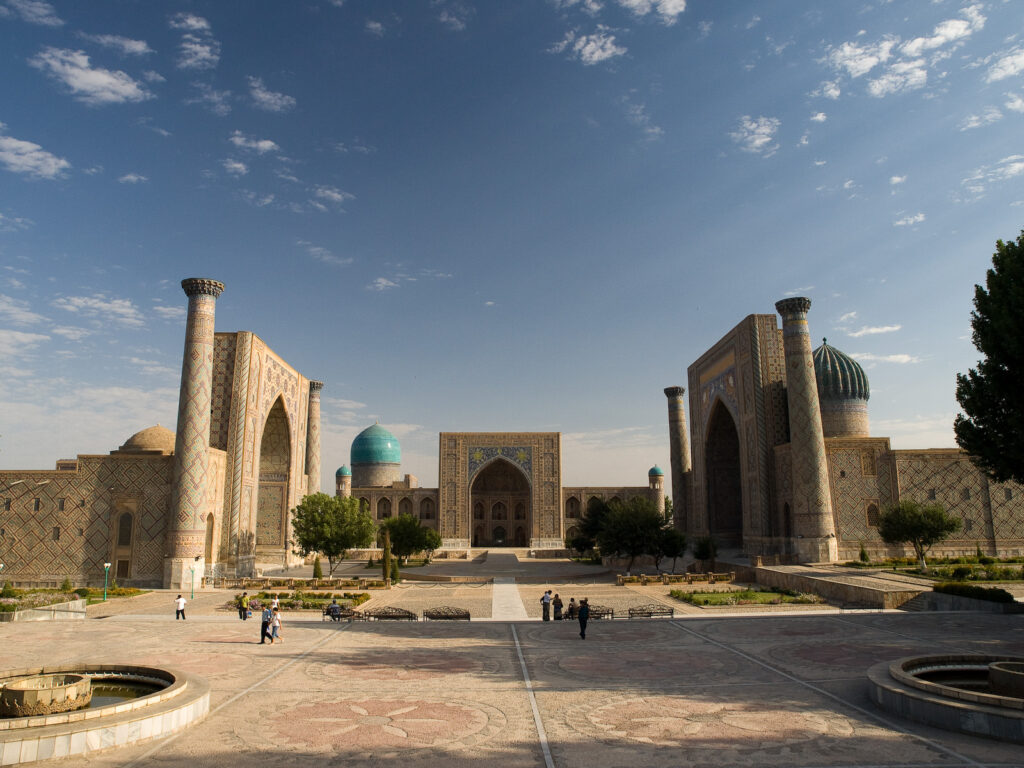
The Middle East is two regions wearing the same label. There’s the Gulf: Dubai, Abu Dhabi, Doha, Riyadh, Muscat. Skyline cities built in a generation, world-class airline hubs, sand-and-skyscraper aesthetics, the easiest entry points for first-time visitors. And then there’s the historic Middle East and Central Asia: Jordan, Lebanon, Uzbekistan, Iran, parts of Turkey beyond Istanbul, the rest of the Levant. Older. Slower. Cheaper. The places where Silk Road history happened.
This is our growing collection of guides to both sides of the region. The Gulf is well-mapped at this point; the historic side is where the more interesting trips happen. Both belong in the same conversation.
The Gulf, properly
The Gulf cities (Dubai, Abu Dhabi, Doha, Muscat) have made themselves easy to visit on purpose. Most Western passports get visa-on-arrival or 30-day visa-free entry. Airports are world-class. Public transport in Dubai is genuinely better than most European capitals. English is the working language of tourism. The experience is engineered.
What the Gulf does well that travels brochures undersell: the food. Emirati cuisine, Levantine restaurants run by chefs who left Damascus and Beirut, Iranian-Khuzestani classics in Sharjah, the Pakistani diaspora’s biryani in Deira. The high-rise spectacle gets the photos; the food is the reason to actually spend a week.
What it does less well: history depth. The Gulf is genuinely a new region in built form. If you want pre-1970s heritage, go to the old districts (Al Bastakiya in Dubai, Souq Waqif in Doha, Mutrah in Muscat) and accept that they’re curated rather than continuous. The deeper history lives further west and north.
The historic Middle East and Central Asia
This is where the trips that change how you think about the region happen. Some highlights worth structuring a trip around:
- Jordan. Petra plus Wadi Rum plus the Dead Sea plus Amman’s food scene. 8-10 days. The Jordan Pass bundles the Petra entry and the visa.
- Uzbekistan. Samarkand-Bukhara-Khiva is the Silk Road golden triangle, doable in 10 days on a comfortable high-speed train network that opened in the last decade. Visa-free for most Western passports since 2019.
- Lebanon. Beirut plus Byblos plus the Bekaa Valley wine country plus Tripoli’s old city. The food is unmatched anywhere outside maybe Italy. Five to seven days.
- Eastern Turkey. Cappadocia is the gateway, but the Black Sea coast, Lake Van, Mardin’s old city, and Gobeklitepe in Sanliurfa are the deeper trip. Two weeks if you do it properly.
- Oman. The mountain region of Jebel Akhdar, the canyons of Wadi Bani Khalid, and the southern monsoon-green Dhofar in July-September. Genuinely the underrated Arabian Peninsula trip.
Every Middle East destination we’ve published
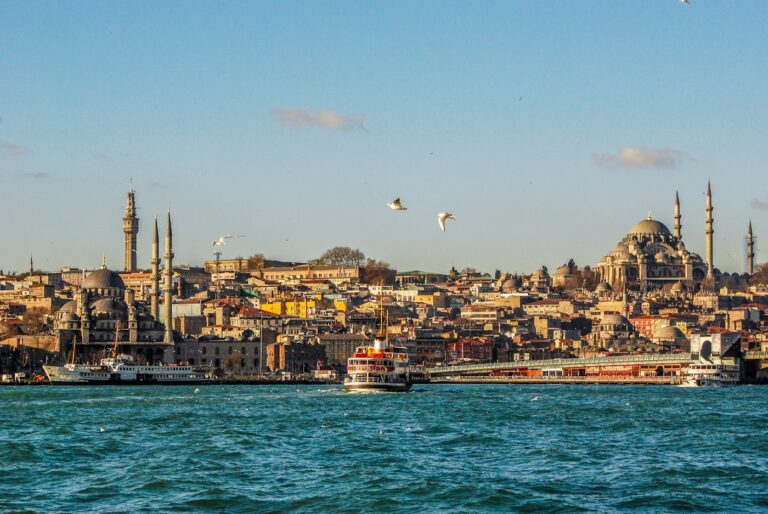
Istanbul in 2026: Two Continents, One City, No Simple Explanation
Istanbul is the only city in the world that sits on two continents, and the tension between its European and Asian halves — historic and mod…

Abu Dhabi in 2026: The UAE Capital Most Visitors Drive Straight Through
Most people who fly into the UAE go to Dubai and never make it to the capital. That’s an understandable itinerary and a genuine missed…
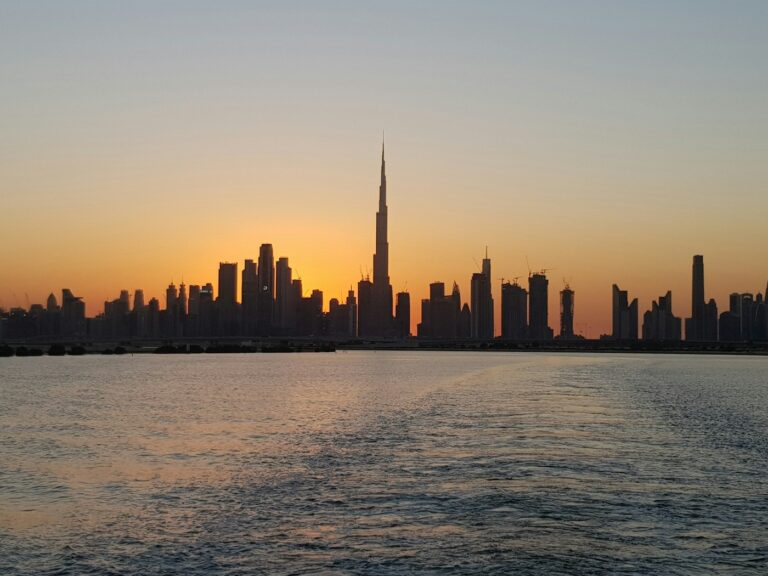
Dubai in 2026: What the City Actually Is Underneath the Spectacle
Dubai gets dismissed by people who haven’t been and misunderstood by people who went once and saw only the malls. The Burj Khalifa is …
Practical things worth knowing
When to go. The region splits sharply by climate. Gulf cities are perfect October-April, brutal May-September (Dubai summer routinely hits 45C). Jordan and Lebanon are best March-May and September-November. Uzbekistan is at its best April-June and September-October. Oman’s Dhofar region is the climatic outlier — June to September brings the monsoon and turns the southern mountains green.
Cultural notes. Modesty matters more than tourist brochures admit, especially outside the Gulf glass-and-steel zones. Shoulders and knees covered in mosques and old-city districts. Ramadan affects opening hours across the region; check dates if your trip falls in spring 2026.
Alcohol. The Gulf is broadly more relaxed than reputation suggests in tourist contexts (licensed hotel bars, dedicated retail stores), but public consumption is illegal almost everywhere. Saudi Arabia is dry; Iran is dry; Kuwait is dry. Lebanon and Turkey are completely normal.
Connectivity. Airalo eSIMs work region-wide. WhatsApp and most major social platforms work; LinkedIn and certain VoIP services are restricted in the UAE specifically (use Botim or a VPN).
Experiences across the Middle East
Book desert safaris, city tours and day-trips
Browse curated experiences across the Gulf, the Levant, and the Silk Road corridor — free cancellation on most options.
Browse Middle East experiences →Frequently Asked Questions about Middle East Travel
Is the Middle East safe to travel?
The UAE, Oman, Qatar, Saudi Arabia, and Jordan rank among the safer travel destinations on the planet by violent-crime metrics. Lebanon and Egypt require situational awareness in specific areas but tourism-zone safety is consistently high. Uzbekistan and Central Asia are quietly very safe. Active conflict zones (Syria, Yemen, parts of Iraq) are not tourism destinations and government advisories should be checked before travel.
What is the best time of year to visit the Gulf?
November to March. December and January are the peak comfortable months — daytime temperatures in the low 20s C, almost no rain. May to September is genuinely too hot for most outdoor tourism (45C+ in midsummer Dubai).
Do I need a visa for Uzbekistan, Jordan, or the UAE?
Most Western passports get 30-day visa-free entry to Uzbekistan as of 2019 reforms, and 30-90 day visa-on-arrival to the UAE. Jordan requires a $56 visa-on-arrival, or buy the Jordan Pass (75 JD upwards, includes Petra entry and waives the visa fee if staying 3+ nights).