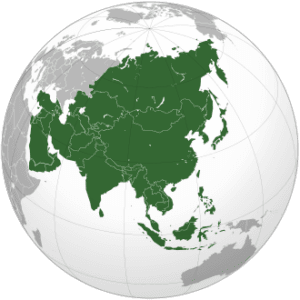
Asia is forty-eight countries, eleven major language families, two billion years of geological variety, and roughly half the world’s humans. Treating it as one travel destination is like treating "the Americas" as one destination. The first decision you make about Asia travel isn’t where to go, it’s which Asia.
This page is our running map of the continent: every guide we’ve published, plus an honest take on how to think about where to start, the practical things that change between regions, and the trips we’d recommend to a friend depending on what they’re after.
The four Asias, and how to choose one
It helps to think of the continent in four travel-distinct regions, because the visas, climates, foods, and cultural codes change dramatically across them.
East Asia — Japan, South Korea, Taiwan, urban China. The infrastructure is world-class. Trains run to the second. Cities are immaculate. Service is detail-obsessed in a way that takes some adjustment. Costs are higher than Southeast Asia (Tokyo and Seoul roughly match a mid-tier European capital), and the cultural learning curve for body language and etiquette is steep but rewarding. Best months: April (cherry blossom in Japan, mild Korea), October (autumn colour and clear skies across all four).
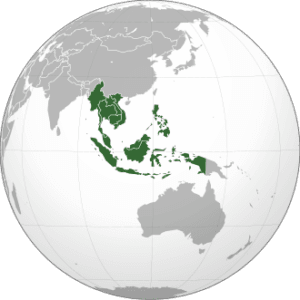
Southeast Asia: Thailand, Vietnam, Indonesia, Cambodia, Laos, Malaysia, Philippines, Singapore. The traveller heartland of the continent. Visa-on-arrival or visa-free for most passports. Cheap by global standards. Tropical weather with wet and dry seasons that shift the optimal itinerary every 4-6 weeks. The food is the strongest argument for travelling here regardless of season. Best months depend on country: November-March for mainland Southeast Asia, April-October for Indonesia’s south coast.
South Asia. India, Sri Lanka, Nepal, Bhutan, Pakistan, Bangladesh, Maldives. The most intense in every direction: colour, noise, food, scenery, contradiction. India alone is six countries in a trench coat. Logistics demand patience, this is the region where flights get cancelled, trains run six hours late, and a 200km journey takes 8 hours. Reward for that patience is the highest food and cultural density on the planet. Best months: October-March for the bulk of the subcontinent; June-September for Ladakh and the high Himalayas.
Central Asia, Uzbekistan, Kazakhstan, Kyrgyzstan, Tajikistan, Turkmenistan, Mongolia. The Silk Road heartland is now realistically visitable for the first time in a generation. Uzbekistan dropped visas for most Western passports in 2019. The high-altitude alpine of Kyrgyzstan and Tajikistan rivals anything in the Alps for a fraction of the cost. Mongolia is the empty country experience: 3.4 million people in an area three times France. Best months: May-September across the region (winters are brutal except for Uzbekistan, which is mild and beautiful in winter).
Where to start if it’s your first Asia trip
The honest answer depends entirely on what you want.
- If you want order, design, and food culture: Japan. Two weeks, Tokyo plus Kyoto plus one rural prefecture (Wakayama, Tohoku, or Setouchi). The cleanest first-trip-to-Asia experience.
- If you want beaches, low costs, and easy logistics: Thailand or Bali. Bangkok or Ubud, then a beach. Internet works. Coffee is good. The travel learning curve is gentle.
- If you want the maximum sensory experience: Vietnam or India. Vietnam is the easier first step (Hoi An, Hanoi, Saigon, the Mekong Delta). India is the more intense version, and you need at least three weeks to do it any justice.
- If you want quiet, mountains, and almost no tourists: Central Asia. Kyrgyzstan for hiking, Uzbekistan for the architecture along the Silk Road, Tajikistan for the Pamir highway road trip.
- If you want modern megalopolis without the tropical heat: Seoul or Taipei. Both deeply underrated as solo first-trip destinations.
Every Asia destination we’ve published

Bali in December : Weather, Surf, Crowds & What to Pack
Bali in December: 24-30°C, 18 rain days, very busy crowds, wet + holiday spike. Pros & cons, who should visit, photography conditio…
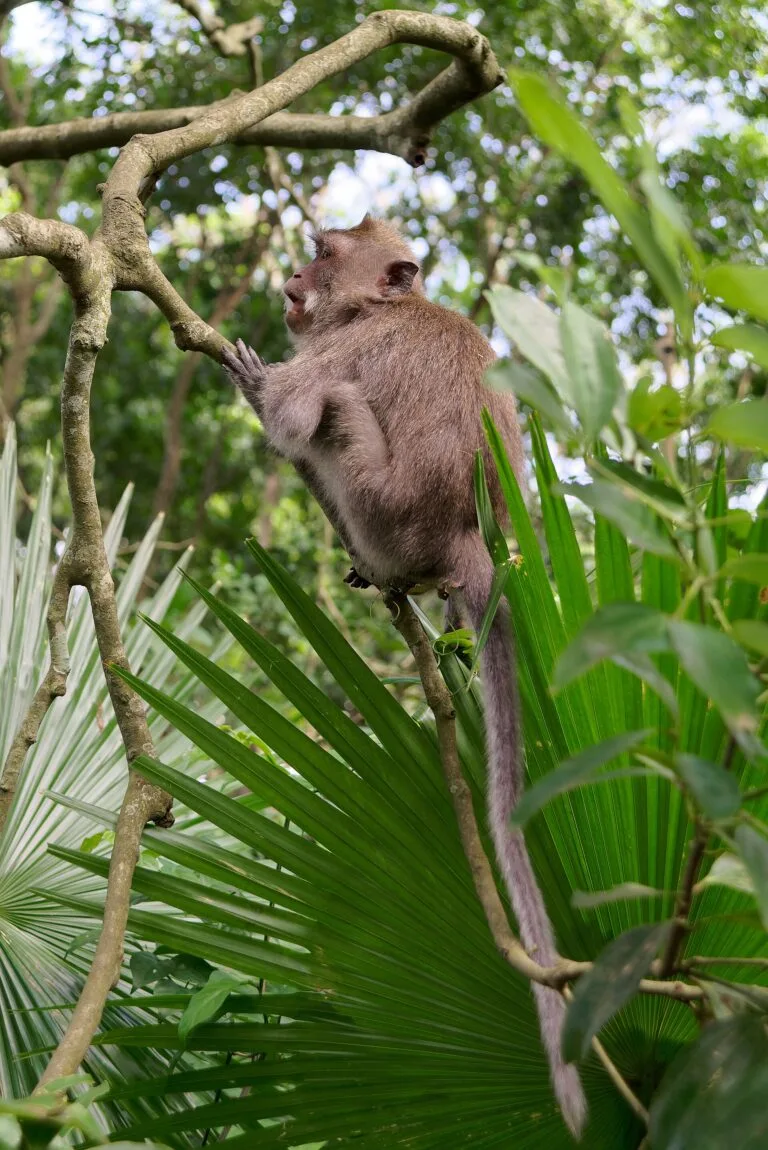
Bali in November : Weather, Surf, Crowds & What to Pack
Bali in November: 24-30°C, 12 rain days, moderate crowds, early wet season. Pros & cons, who should visit, photography conditions, …
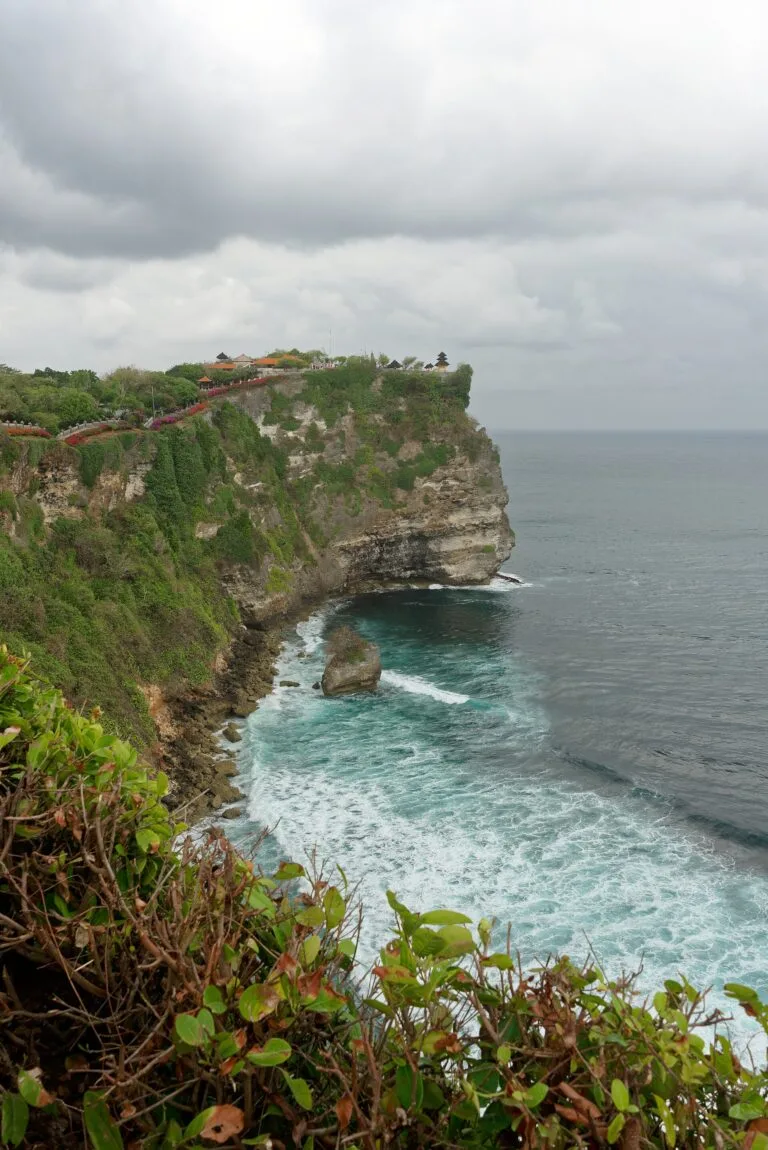
Bali in October : Weather, Surf, Crowds & What to Pack
Bali in October: 23-30°C, 6 rain days, busy crowds, transitional, best value. Pros & cons, who should visit, photography conditions…
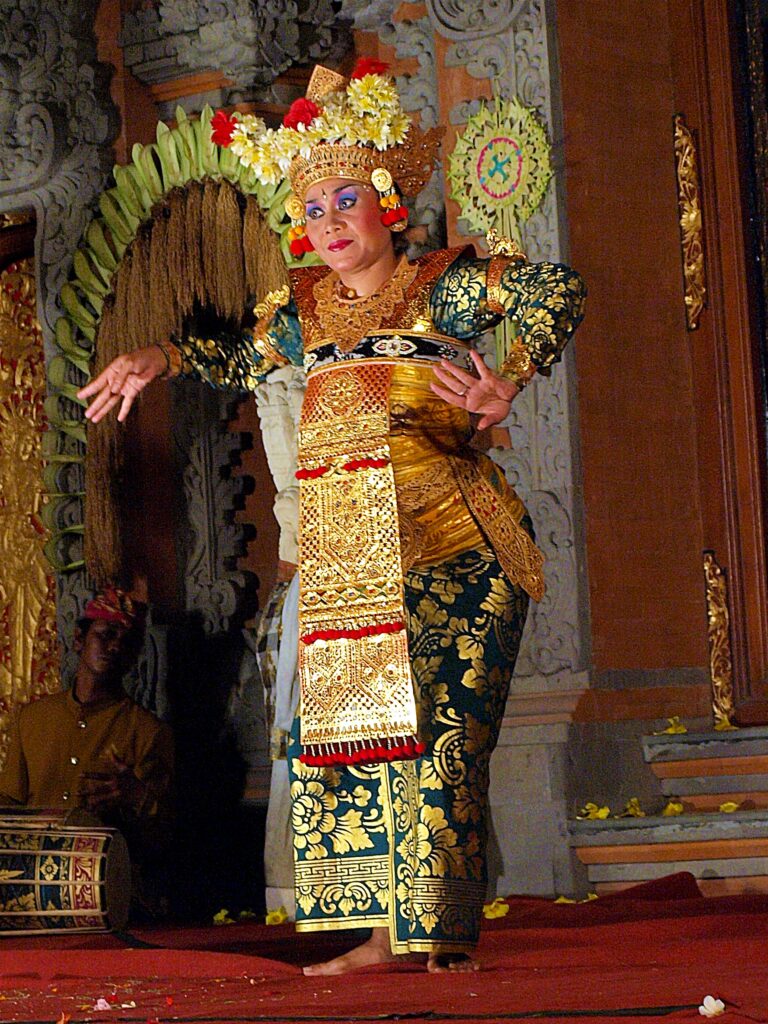
Bali in September : Weather, Surf, Crowds & What to Pack
Bali in September: 22-29°C, 3 rain days, busy crowds, shoulder value. Pros & cons, who should visit, photography conditions, and ho…
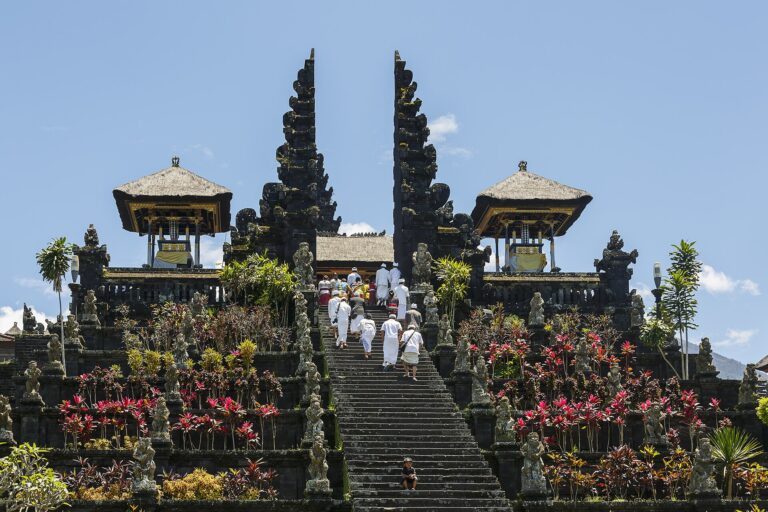
Bali in August : Weather, Surf, Crowds & What to Pack
Bali in August: 22-29°C, 3 rain days, peak crowds, peak season. Pros & cons, who should visit, photography conditions, and how Augu…
Bali in July : Weather, Surf, Crowds & What to Pack
Bali in July: 22-29°C, 3 rain days, peak crowds, peak season. Pros & cons, who should visit, photography conditions, and how July c…
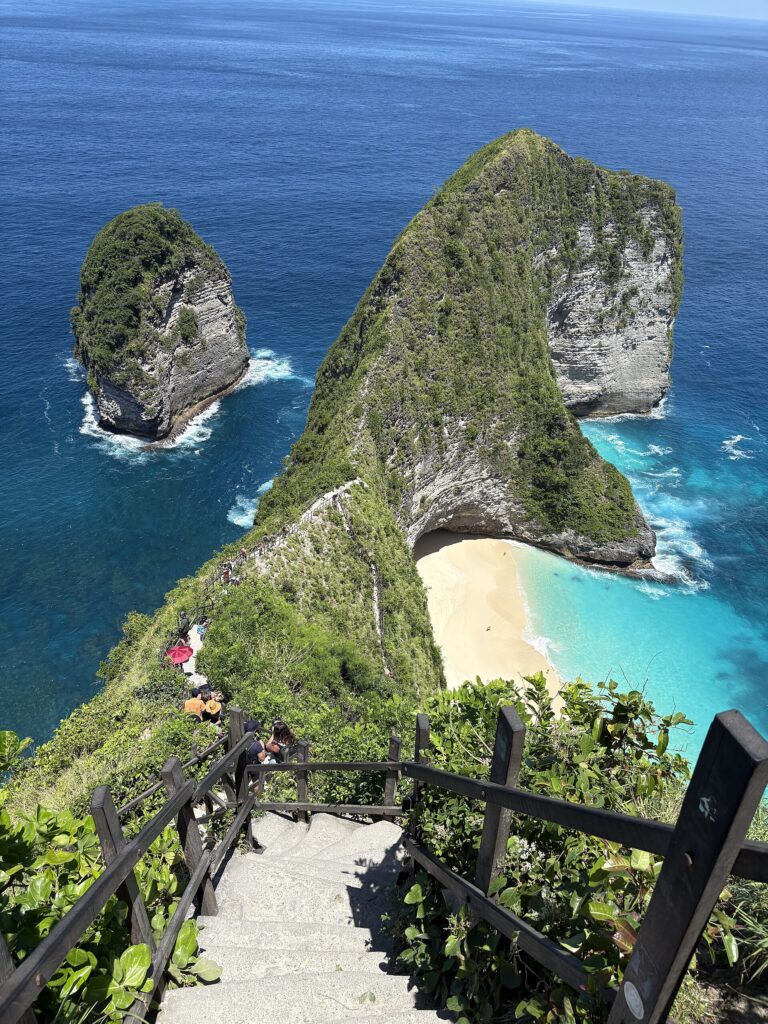
Bali in June : Weather, Surf, Crowds & What to Pack
Bali in June: 22-29°C, 4 rain days, very busy crowds, peak dry, peak shoulder. Pros & cons, who should visit, photography condition…
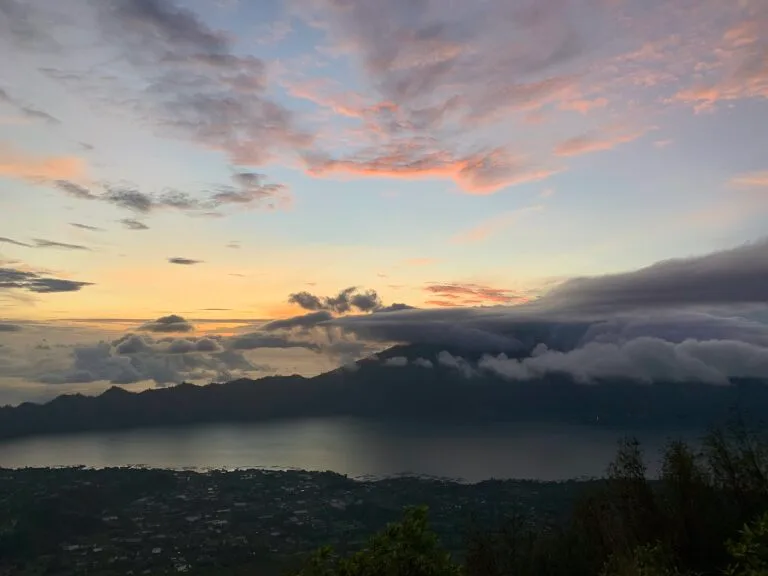
Bali in May : Weather, Surf, Crowds & What to Pack
Bali in May: 23-30°C, 7 rain days, busy crowds, dry season sweet spot. Pros & cons, who should visit, photography conditions, and h…
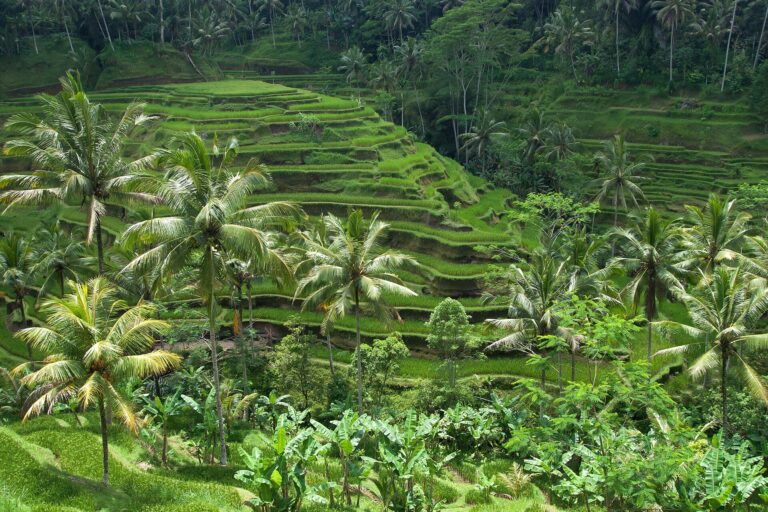
Bali in April : Weather, Surf, Crowds & What to Pack
Bali in April: 24-31°C, 10 rain days, busy crowds, early dry season. Pros & cons, who should visit, photography conditions, and how…
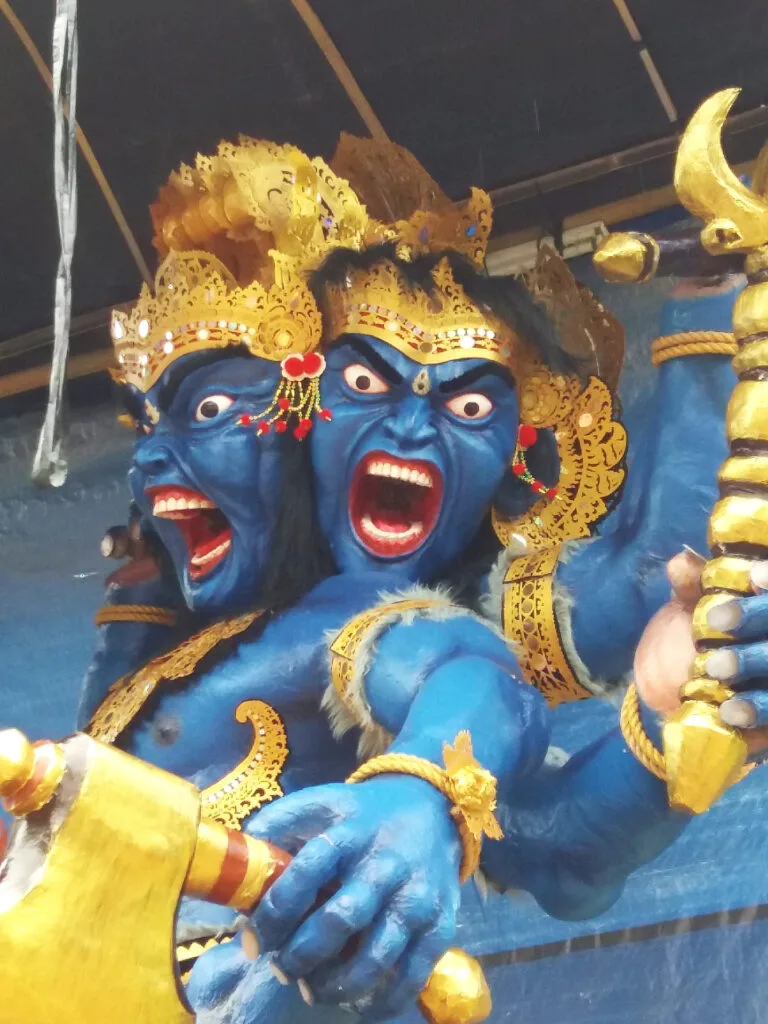
Bali in March : Weather, Surf, Crowds & What to Pack
Bali in March: 24-31°C, 15 rain days, moderate crowds, wet season tail (Nyepi). Pros & cons, who should visit, photography conditio…
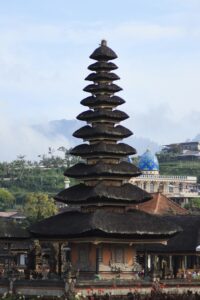
Bali in February : Weather, Surf, Crowds & What to Pack
Bali in February: 24-31°C, 19 rain days, moderate crowds, wet season. Pros & cons, who should visit, photography conditions, and ho…
Bali in January : Weather, Surf, Crowds & What to Pack
Bali in January: 24-31°C, 22 rain days, busy crowds, deep wet season. Pros & cons, who should visit, photography conditions, and ho…
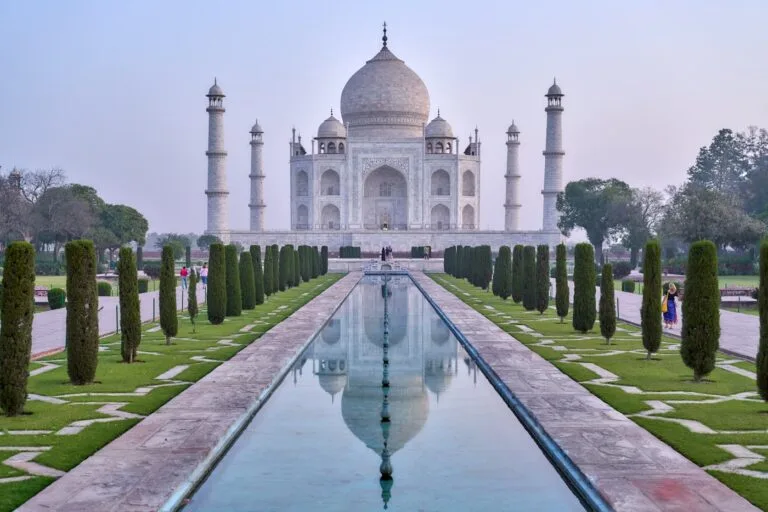
India Travel Guide: Itineraries, Costs & Honest Tips
Plan your India trip with verified prices, tested itineraries, and practical tips for Delhi, Rajasthan, Goa, Kerala, Varanasi and beyond. Up…
Tokyo: The World’s Most Overwhelming City, Explained
Tokyo is 14 million people in a metropolitan area of 37 million, spread across a flatland between mountains and sea, connected by the most p…
Bali: The Island Behind the Instagram Filter
Bali is the most instagrammed island on earth and also one of the most misunderstood. The infinity-pool, digital-nomad, açaí-bowl version ex…
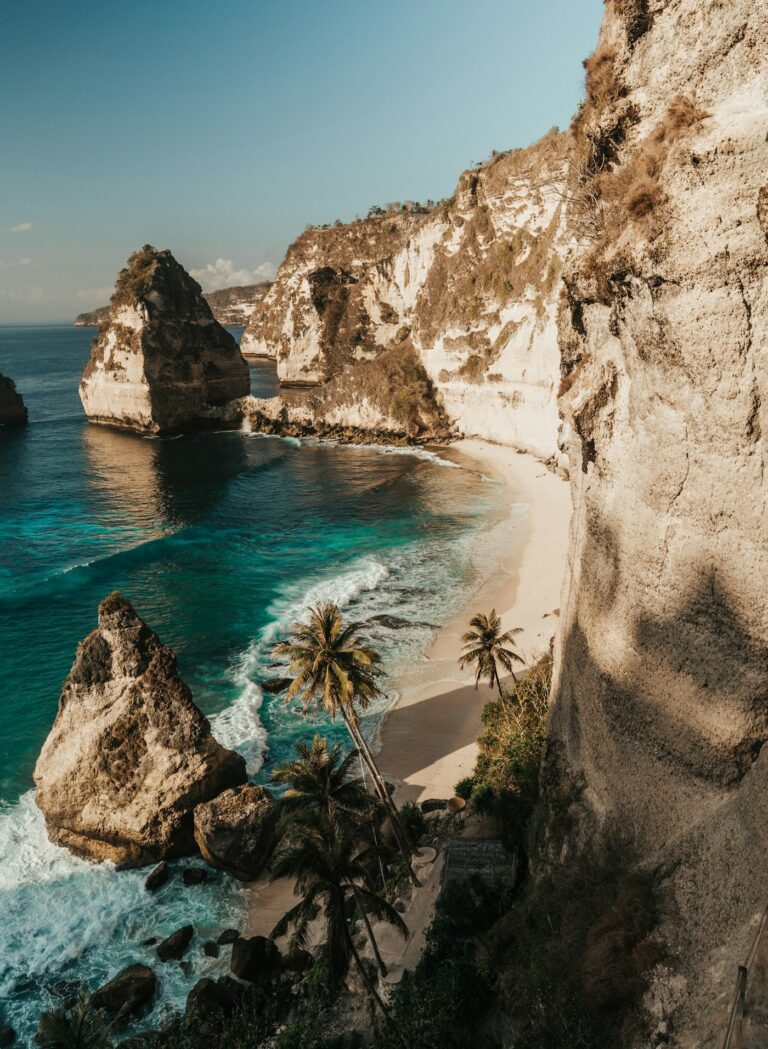
Best Time to Visit Bali: The Dry Season, the Crowds, and the Sweet Spots
Bali’s dry season runs April to October — that’s the simple answer. But July and August inside that window are when the island i…
Samarkand: The Silk Road City That Still Looks Exactly Like the Legend
Americans can now arrive in Uzbekistan visa-free. High-speed trains connect the major Silk Road cities. And the Registan: three 15th-centur…
Seoul: The City the Korean Wave Has Been Hiding in Plain Sight
K-pop, K-drama, and K-beauty brought millions of visitors to Seoul. But the city that created all of that culture is far more interesting th…
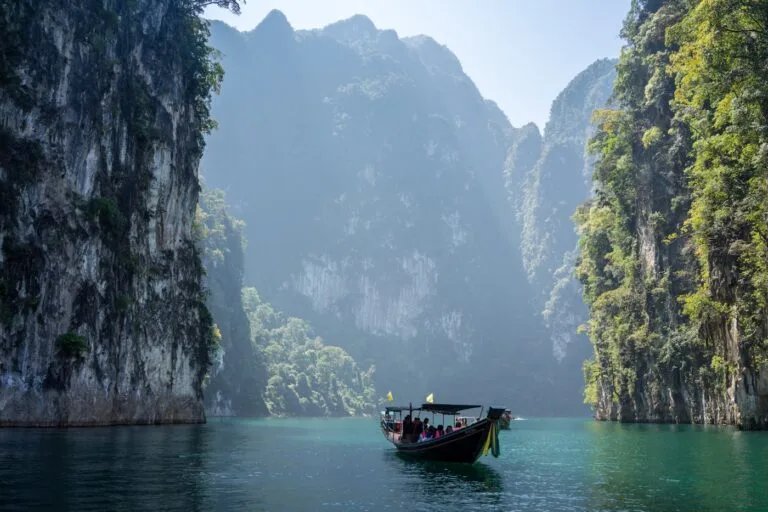
Best Time to Visit Thailand: The Region-by-Region Seasonal Guide
Thailand’s two coastlines have opposite monsoon seasons, which means the answer to ‘when should I go?’ depends entirely on…
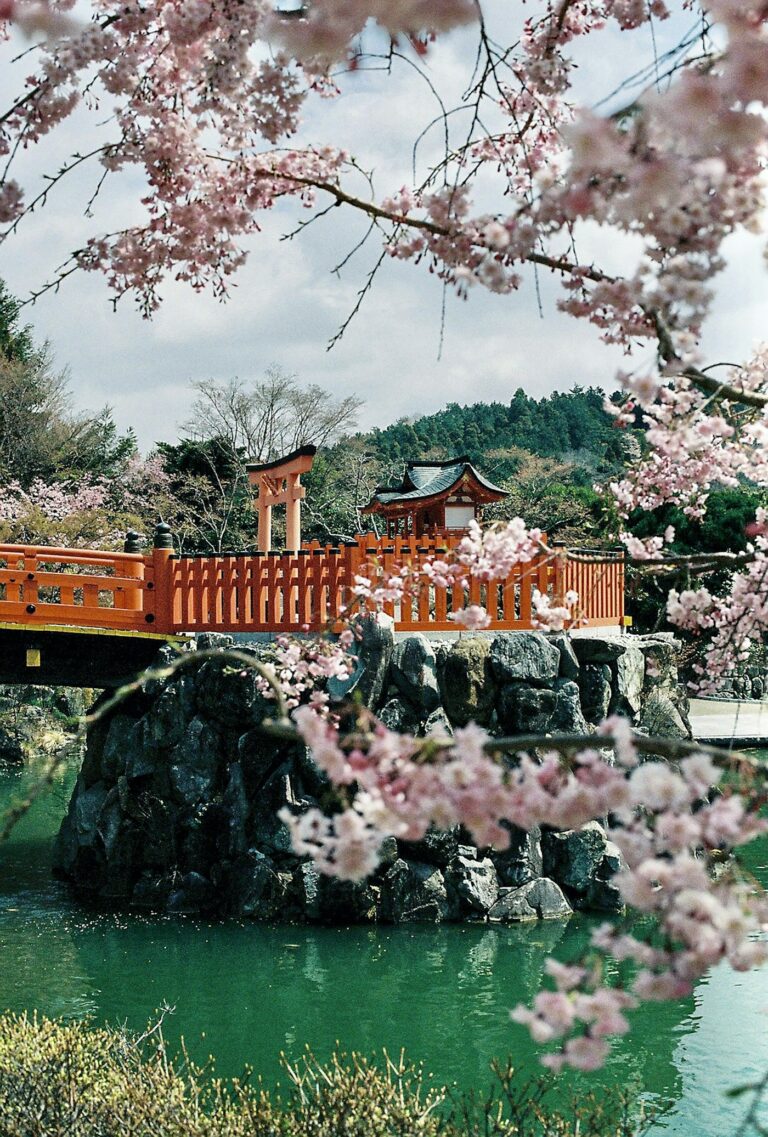
Best Time to Visit Japan: Cherry Blossom, Autumn Leaves, and the Honest Trade-Offs
Cherry blossom season in March and April is spectacular, and now genuinely overwhelming in the famous spots. Autumn foliage from October to…
Kyoto: Japan’s Most Beautiful City, Seen Properly
Kyoto contains a third of Japan’s national treasures. It also attracts millions of visitors a year. The difference between a remarkabl…
Chiang Mai: Why Thailand’s Northern City Rewards Slow Travel
People go to Chiang Mai for two days and stay for two months. The temples, the food, the cost of living, the cool-season climate, and Khao …
Hoi An: The Ancient Town That Still Earns Its Reputation
Most places get oversold. Hoi An actually delivers. If you know where to go and when. A first-timer’s honest guide to the old town, t…
Cultural specifics worth knowing before you go
Asia rewards small upfront effort here. A few things that translate across most of the region, and the few that don’t.
- Shoes off indoors. Japan, Korea, Thailand, parts of Indonesia, much of India: indoor shoes come off at the entrance. Slip-on footwear genuinely matters here.
- Modest dress at religious sites. Shoulders and knees covered for temples, mosques, and shrines across the region. Sarongs and shoulder wraps are sold at most major sites if you forget.
- The left-hand rule. Across most of South and Southeast Asia, the left hand is the toilet hand. Eat, gesture, and hand things over with the right.
- Tipping is local, not universal. Japan and Korea: don’t. Thailand and Vietnam: small notes for guides and drivers. India: 10% in nice restaurants, small change for hotel staff. China: increasingly normalised in tourist contexts, still not expected.
- Bargaining etiquette. Markets in Vietnam, India, Morocco-style souks: yes, expected. Department stores, restaurants, fixed-price tourism counters: never. Asking is fine; aggressive pressure is rude.
Visas, climate, and the practicalities
Visas. Japan, Korea, Singapore, Malaysia, Thailand, Indonesia, Vietnam (for short stays), Sri Lanka, and most of Central Asia are visa-free or e-visa-on-arrival for most Western passports as of. India still requires an e-visa for almost everyone (apply at indianvisaonline.gov.in, takes 3-5 days, $25-100 depending on length). China relaxed considerably in late with 30-day visa-free transit for several Western nationalities.
Climate is the dominant variable. Asia is broadly divided by the monsoon system. Mainland Southeast Asia (Thailand, Vietnam, Laos, Cambodia) has its dry season from November to early April. Indonesia’s south coast (Bali) flips this: dry season April-October, wet November-March. India runs October-March for most of the country, but the Himalayan north (Ladakh, Spiti) is best June-September when the lowlands are flooded. Japan and Korea are temperate and four-seasoned. Plan around the season, not the date.
Money. Cards work in cities across East and Southeast Asia and the major cities of India. Cash is still king in Vietnam, Cambodia, Laos, Nepal, and rural areas everywhere. Avoid airport ATMs (poor rates); use a major bank ATM in the first city. Carry small notes, large-denomination changes are the standard local hustle.
Connectivity. Airalo eSIMs work in 200+ countries. For a multi-country Asia trip the Asialink regional eSIM gives you 10-15 countries for the price of one. For a single-country deep dive, a local SIM is cheaper (a Vietnam Viettel SIM at the airport: $5 for 30 days, 10GB).
Experiences across Asia
Book tours, transfers and entry tickets
Browse curated experiences across East, Southeast, South and Central Asia — bookable online with free cancellation on most options.
Browse Asia experiences →Frequently Asked Questions about Asia Travel
Where is the best place to start an Asia trip?
For most first-time travellers: Japan if you want order and design, Thailand or Bali if you want beaches and low costs, Vietnam if you want sensory intensity at a manageable pace. Singapore makes a useful soft-landing entry point because everyone speaks English and the city is easy to navigate before a more challenging onward leg.
How many days do I need for an Asia trip?
Two weeks for one country done well. Three to four weeks for two countries. Six weeks if you’re mixing East and Southeast Asia. India and China genuinely demand four weeks minimum to do any justice; everywhere else, ten days to two weeks works.
What is the cheapest country to travel in Asia?
As: Vietnam, Laos, Cambodia, and India hold the lowest day-rates: comfortable budget travel is genuinely possible for $30-45/day. Thailand has crept up to $45-65/day. Indonesia and the Philippines sit in the middle. Japan, Korea, and Singapore are roughly mid-tier European prices.
Is Asia safe for solo travellers?
East Asia (Japan, Korea, Taiwan, Singapore) sits among the safest destinations on the planet. Southeast Asia is broadly safe with standard urban precautions; the main risks are scooter accidents, drink-spiking in nightlife areas, and petty theft in tourist zones. India and Nepal are safe for most solo travellers with cultural awareness, though women solo travellers report more harassment in India and should pick first cities and accommodation carefully.
Latest additions
Recently published in our Asia coverage
You Might Also Love
Before you go: see whether they speak English in Asia and what to wear, check the tap water, sort your mobile data, and find out if it is a cash or card destination.