The United States is a road-trip continent inside a single country. Most international visitors design a trip the way they’d design a European one: three cities in two weeks, each three nights. That formula is exactly wrong for the US, where the genuinely distinctive experiences live in the spaces between cities, the regional cultures vary as widely as any two European countries, and the cheapest and best way to travel is by car.
This is our living index of US destinations we’ve covered, alongside a working understanding of how to think about American travel: where to fly into, which regions are worth more time than they sound on paper, and the practicalities that catch international visitors out.
There is no "American" trip. There are six.
The US is large enough that the country splits into six travel regions, each with a distinct culture, food, climate, and reason to visit. Picking one and going deep beats hopping coast to coast.
- Northeast Corridor. New York, Boston, Philadelphia, DC. Walkable, transit-friendly, the closest the country gets to European city density. Best September-November and April-June. Avoid August in DC (sticky), January-February in Boston (cold and grey).
- Pacific Coast. San Francisco, Los Angeles, the Pacific Coast Highway, Seattle, Portland. Genuine regional food cultures, the country’s best coffee scene, dramatic coastal geography. Best March-May and September-October.
- Mountain West. Denver, Salt Lake City, the national parks of the Southwest (Zion, Bryce, Grand Canyon, Yellowstone, Glacier). The big-landscape America people fly in for. Best May-October for parks; December-March for skiing.
- Southwest. Phoenix, Santa Fe, Albuquerque, Tucson, Las Vegas. Desert, indigenous cultures, hatch-chile food country, the Grand Canyon. Best October-April; summer is genuinely dangerous (47C in Phoenix is normal).
- South. New Orleans, Charleston, Savannah, Nashville, Austin. The food and music heartland. Best October-November and March-April. Don’t do Mardi Gras as a first New Orleans trip unless you specifically want chaos.
- Midwest and Great Lakes. Chicago, the Upper Peninsula, Minneapolis-St Paul, the Driftless Area. Often skipped, deeply underrated. Best May-October; the lake-effect snow makes winter a niche speciality.
The national parks: America’s strongest export
If there’s one thing the US does at a quality unmatched anywhere else, it’s landscape preservation at scale. 63 national parks plus several hundred national monuments, recreation areas, and historic sites. These are the parks worth structuring a trip around.
- Grand Canyon (Arizona): South Rim accessible year-round, North Rim closes mid-October. Stay overnight inside the park (book 6-12 months ahead for El Tovar or Bright Angel) to catch sunset and sunrise.
- Zion (Utah): Narrow slot canyons, vertical sandstone, the Angel’s Landing hike (now requires a permit). Best March-May before the heat.
- Bryce Canyon (Utah): Hoodoos and a smaller park than Zion. The Rim Trail at sunset is the highlight. Often paired with Zion in a 5-day Utah loop.
- Yellowstone (Wyoming): Geothermal features, megafauna, the world’s largest supervolcano. Crowds are real; visit late September or early June if you have flexibility.
- Glacier (Montana): Going-to-the-Sun Road is the single most spectacular drive in the lower 48. Open early July to mid-September only.
- Acadia (Maine): The east-coast counterpoint to the western parks. Best in October for the fall foliage; brutally crowded in July-August.
- Olympic (Washington): The only park with rainforest, alpine, and Pacific coast in one. Spring and fall are quiet; summer is high season.
The reservation reality. The post-pandemic reservation systems have stuck. As of, the most-visited parks (Arches, Glacier’s Going-to-the-Sun, Rocky Mountain’s Bear Lake, Yosemite peak weekends, Zion’s Angel’s Landing) all require timed-entry or hike-specific permits booked months ahead via recreation.gov. Plan accordingly; this is the single change that catches most international visitors out.
The road-trip routes that work
A car gets you places trains and buses can’t. These four loops are the cleanest beginner road trips for international visitors and US domestic travellers alike.
- The Utah Mighty 5 Loop. Salt Lake City -> Zion -> Bryce -> Capitol Reef -> Canyonlands -> Arches -> back to SLC. 7-10 days, 1,200 miles, the densest cluster of dramatic geology in the lower 48.
- The Pacific Coast Highway. San Francisco -> Big Sur -> Hearst Castle -> Santa Barbara -> Los Angeles. 5-7 days, 450 miles, the coastal drive that’s actually as good as the photos.
- The Great River Road. Minneapolis -> St Paul -> New Orleans, following the Mississippi. 10-14 days, 2,000 miles, the underrated cultural-Americana trip.
- The Northern Lights of Lake Superior. Duluth -> the North Shore -> Thunder Bay (Canada) -> back. 5-7 days, 600 miles, summer or autumn. The Midwest’s underrated coastal experience.
Every US destination we’ve published

16 Cheap Ski Holidays in North America (2026/27 Season)
Lift tickets at Vail and Aspen crossed $300 a day for the 2024/25 season. Park City hit $310. Meanwhile an hour south of Salt Lake you can s…

Best Places to Travel in the USA: Complete Guide
United States is full of cities, skyscrapers, landscapes, lakes, and river falls. Here the top 10 places that your can visit within the USA….

Best Places to Visit in USA for First-Time Travelers
First US trips usually try to cover too much. Ten days, seven cities, three flights, and you’re exhausted before the second jet lag we…

10 Best Places to Visit in the USA in January
January in the US divides into three trips. Warm: Miami averages 76°F daytime, Maui 81°F, San Diego 65°F. Ski: Colorado, Utah, a…
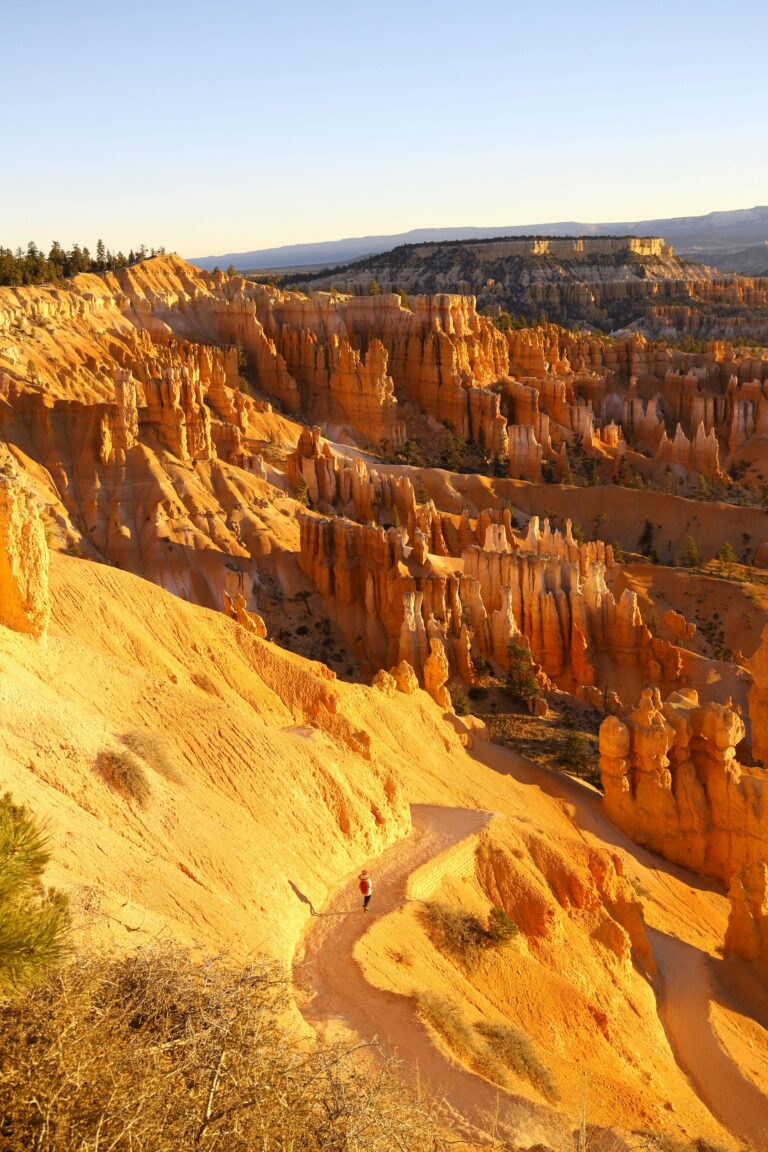
8 Best Campgrounds Near Bryce Canyon National Park
Bryce Canyon National Park: A Unique Landscape of Hoodoos and Elevated Adventure Bryce Canyon National Park, known for its good hoodoos—…
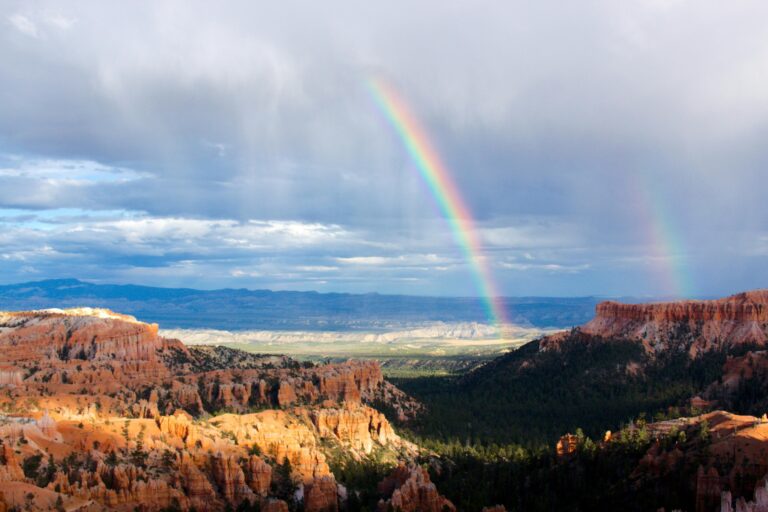
17 Best National Parks in Utah: Mighty 5 + State Parks
Utah has five national parks, the famous “Mighty 5”, plus a dozen state parks that routinely outperform the nation…

12 Best Ski Resorts in Colorado (2026/27 Season)
Colorado is home to some of the finest skiing and snowboarding in the United States, with abundant snowfall during winter storms that makes …

10 Cheap Ski Resorts in Colorado (2026/27 Season)
Affordable Skiing and Snowboarding in Colorado: Discover Budget-Friendly Resorts Yes, skiing and snowboarding in Colorado can be budget-frie…

Sedona to Grand Canyon: 4 Best Ways to Travel
Journeying from Sedona to the Grand Canyon South Rim: 100 Miles of Unforgettable Scenery The drive from Sedona to the Grand Canyon South Rim…

5 Best Ski Resorts in North Carolina (2026/27 Season)
Discover North Carolina’s Hidden Ski Gems: A Guide for Skiers and Snowboarders North Carolina’s mountains offer a delightful sur…
12 Best Ski Resorts in New Hampshire (2026/27 Season)
New Hampshire’s White Mountains boast the tallest peaks in the northeastern U.S. Providing an ideal setting for skiing with their impr…
Practical things international visitors should know
The ESTA. If you hold a passport from a Visa Waiver Programme country (most of Europe, UK, Japan, Korea, Australia, Singapore, NZ, plus a few others), you need an ESTA before you fly. $21, valid two years, apply at the official site (esta.cbp.dhs.gov, the rest are scams). Apply 72 hours before travel. UK passport holders: make sure your passport is the new biometric type.
Tipping. Genuine cultural confusion point for international visitors. In sit-down restaurants and bars: 18-22% standard, paid on top of the listed price. Counter-service places: rounding up or 10% if there’s a tip jar. Hotel housekeeping: $3-5 per night. Taxis and rideshares: 15-18%. Tour guides: $10-20 per person for a day tour. Yes, it adds up; budget 20% on top of restaurant prices.
The distances. The country is larger than most international visitors viscerally understand. New York to Los Angeles is roughly the same as Lisbon to Moscow. Domestic flights are heavily used for a reason. If you’re flying multiple US legs, look at Southwest (no change fees, generous bags) or Delta (broadest network); avoid the legacy carriers’ basic economy fares which charge for everything.
Rental cars. SUVs are usually only marginally more expensive than compacts for the trunk space alone if you have luggage. Decline rental-counter insurance if you have a credit card that includes CDW (Chase Sapphire Preferred, Amex Platinum, several others); accept the supplemental liability if you don’t. Watch for "facility fees" at airport pick-up, which can add 25-35% to the headline rate — off-airport pickup is often dramatically cheaper.
SIMs and connectivity. Airalo eSIMs work fine. T-Mobile and Verizon prepaid SIMs run $40-50/month for unlimited; available at any retail store on arrival.
Experiences across the United States
Book national park tours and city activities
Browse curated experiences across the US: from Grand Canyon helicopter tours to New York skyline access, with free cancellation on most options.
Browse USA experiences →Frequently Asked Questions about US Travel
What is the best region of the US to visit for a first-time international trip?
For most international visitors: the Mountain West (Grand Canyon, Zion, Bryce, with Las Vegas as the airport base) gives you the famous American landscape in a manageable 7-10 day loop. The Pacific Coast Highway from San Francisco to Los Angeles is the other top first-trip option. New York alone is fine if your trip is short.
Do I need an ESTA or a visa for the US?
Most European, UK, Japanese, Korean, Australian, NZ, and Singaporean passport holders qualify for the Visa Waiver Programme. You need an ESTA ($21, valid 2 years, apply online at esta.cbp.dhs.gov). All other passports need a traditional B1/B2 visa, applied for at a US embassy, with appointment wait times currently 2-8 months depending on country.
How much should I tip in the US?
Sit-down restaurants and bars: 18-22% on top of the bill. Counter-service or coffee shops: rounding up or 10% if there’s a tip prompt. Hotel housekeeping: $3-5 per night. Taxis and rideshares: 15-18%. Tour guides: $10-20 per person per day. Budget roughly 20% extra on top of restaurant menu prices.
Is it safe to road-trip the US?
Yes. The interstate system is well-maintained, gas is plentiful and cheaper than Europe, and the rural road network is signed clearly. Standard precautions: keep your fuel tank above quarter-full in remote desert and mountain stretches, don’t leave valuables visible in parked cars at trailheads, and check road status with the relevant state DOT before crossing mountain passes in winter.
Latest additions
Recently published in our North America coverage