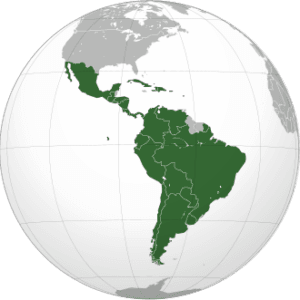
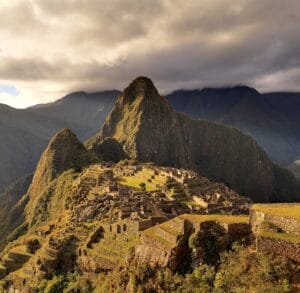
Latin America rewards depth over breadth in a way that’s rare in modern travel. The cliché trips (Cancun, Cusco-and-Machu-Picchu-and-leave) skim the surface. The genuinely transformative Latin American trips spend three weeks in one country, learn enough Spanish to order food and ask directions, and end up in a small town somebody mentioned on a bus.
Our coverage here is still early days. This page tracks what we’ve published, plus the thinking we use when planning a Latin America trip ourselves.
The four gateways: pick where to start
For most first-time travellers, the practical decision is which of these four gateway cities to fly into. Each opens a different version of the region.
- Mexico City. The food capital of the region by any reasonable measure. Pyramids 90 minutes out (Teotihuacan), Oaxaca 6 hours south by overnight bus or a 45-minute flight, Yucatan accessible. Two weeks, easily.
- Cartagena (or Bogota), Colombia. The cleanest first-trip-to-Colombia entry. Coffee region 90 minutes by air, Medellin two hours, the Caribbean coast on the doorstep. Visa-free for most Western passports; the only real friction is altitude in Bogota.
- Cusco, Peru. The gateway to the Inca world. Plan three days in Cusco itself to acclimatise before Machu Picchu and the Sacred Valley. The food in Lima is the country’s other major draw; book one of the major restaurants well ahead.
- Buenos Aires, Argentina. The European-flavour city of South America, plus Patagonia in the south, Mendoza wine country in the west, Iguazu Falls to the north. The peso volatility means you’ll get value if you arrive with USD or EUR cash.
The places that should be on more itineraries
- Oaxaca, Mexico. The food and craft heart of the country. Mezcal distilleries in the surrounding villages, Day of the Dead in early November.
- Medellin, Colombia. Transformed in the last 15 years into one of the most pleasant cities to spend a month in.
- Guatemala. Antigua, Lake Atitlan, Tikal. A week or ten days, the most concentrated Mayan-cultural-heritage trip outside of southern Mexico.
- Salvador, Brazil. The Afro-Brazilian capital. Better food and music than Rio.
- Salta, Argentina. The high desert north. The 7-Coloured Hill, the Salinas Grandes salt flats, Quebrada de Humahuaca, and proper Andean food.
- Bolivia’s Salar de Uyuni. The world’s largest salt flat, paired with the Lagunas Route to Atacama. Three to four days, life-list material.
Every Latin America destination we’ve published
Practical things worth knowing
Spanish matters more than you think. Mexico City and Buenos Aires have plenty of English; Cusco and Cartagena tourism zones get by; once you’re outside those zones, even fifty Spanish words make a meaningful difference. Apps like Duolingo or Pimsleur for 4-6 weeks before a trip pay back substantially.
Altitude. Cusco sits at 3,400m. La Paz, Bolivia, is at 3,640m. The Atacama is at 2,400m and the salt flats higher. Plan two to three days of acclimatisation at altitude before any serious hiking. Coca tea helps. Aggressive workouts the first 48 hours don’t.
Money. ATMs work in cities. Carry small notes; large bills are hard to break in rural areas. Argentina is the genuine outlier, the peso’s instability means USD cash gets a parallel-market rate dramatically better than the official rate, so arrive with $200-500 in clean small-denomination US bills.
Safety. Standard urban precautions in major cities. The biggest practical risk is robbery, not violent crime, don’t flash phones, don’t carry visible camera bags, don’t walk unfamiliar streets at night.
Experiences across Latin America
Book tours, transfers and entry tickets
Browse curated experiences across Mexico, Central America, and South America — bookable online with free cancellation on most options.
Browse Latin America experiences →Frequently Asked Questions about Latin America Travel
Where should I start a Latin America trip?
Mexico City for the easiest first-trip combination of food, history, and convenient onward travel. Cartagena or Bogota for Colombia. Cusco for the Inca and Andean trip. Buenos Aires for the wine country and Patagonia entry point.
Is Latin America safe for solo travellers?
With standard urban precautions, yes. The major tourist cities (Mexico City, Cartagena, Cusco, Buenos Aires, Medellin) are broadly safe in tourist zones. The biggest practical risks are petty theft and scam taxis, not violent crime. Solo women travellers report Colombia and Argentina as the most comfortable.
How long do I need for a Latin America trip?
Two weeks for one country done well (Peru, Colombia, Mexico, or Argentina each work). Three to four weeks if you want to combine two countries or do Patagonia properly. The distances are larger than they look on the map; don’t plan more than 3 countries in three weeks.
Latest additions
Recently published in our Latin America coverage