Best Meditation Retreats in the World: 10 Top Centers
Quick answer: The world's best meditation retreats combine experienced teachers, proven traditions, and structured environments. Below are 10 top centers spanning Theravada, Tibetan, Zen, and Insight Meditation traditions across 5 continents.
Choosing a meditation retreat shapes the entire experience. This guide covers 10 of the most respected meditation centers in the world, with details on tradition, teaching style, duration, and cost so you can match a retreat to your needs and experience level.
Top 10 Meditation Retreats Worldwide
1. Plum Village, France
Best months: Jun–Aug · 15–26°C days · some rain (climate data)
Thich Nhat Hanh's mindfulness tradition. Vietnamese-French monks. Family-friendly retreats. €60-150/day donation.
2. Spirit Rock, California
Insight meditation in Marin County. World-class teachers. Weekend ($350) to 3-month ($8,500) retreats.
3. Insight Meditation Society, Massachusetts
Year-round retreats. Mainstream U.S. vipassana hub. $200-1,800 sliding scale.
4. Tushita Meditation Centre, India
Best months: Nov–Jan · 9–21°C days · dry (climate data)
10-day intro to Buddhism. Tibetan tradition. McLeod Ganj near Dharamsala. $400 all-inclusive.
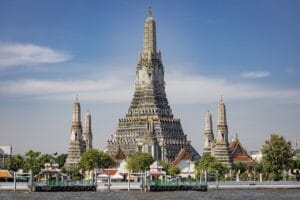
5. Wat Suan Mokkh, Thailand
Best months: Nov–Jan · 22–31°C days · dry (climate data)
Free 10-day silent retreats. Monthly. International dharma hermitage. $15/day food/lodging.
6. Dhamma Giri, India
Best months: Nov–Jan · 9–21°C days · dry (climate data)
S.N. Goenka original vipassana center. Free 10-day retreats. Donation-based after completion.
7. Gaia House, England
UK insight meditation. Donation-based. Weekend to 6-week formats.
8. Mountain Stream Meditation Center, California
Forest tradition Theravada. Affordable retreats. Sliding scale.
9. Cloud Mountain Retreat Center, Washington
Pacific Northwest insight meditation. 1-day to 2-week retreats. $300-2,500.
10. Tergar Monastery, Bodhgaya
Mingyur Rinpoche. International English-language program. $400-1,000 for 7-10 days.
How to Choose Your Retreat
- Experience level: First-timers: weekend or 5-day intro. Intermediate: 7-day silent. Advanced: 10-30 day deep retreats.
- Tradition: Theravada (vipassana), Tibetan (deity practice), Zen (zazen), Insight (Western non-sectarian).
- Budget: Free Vipassana to $2,500+ luxury retreats. Sliding scales available at many centers.
- Location: Travel as part of the practice — or local to maintain context.
- Teacher: Research the resident teachers. Their lineage and reputation matter for deep practice.
Preparing for a Meditation Retreat
- Begin daily meditation 4 weeks ahead (20-30 minutes)
- Adjust sleep to retreat-friendly schedule (early to bed)
- Reduce stimulants (caffeine, sugar, screen time)
- Tell family/work you'll be unreachable
- Pack only what's allowed — leave electronics at home
- Mentally prepare for physical discomfort and emotional intensity
Frequently Asked Questions
What's the best meditation retreat for beginners?
For first-time meditators: Spirit Rock (California), Insight Meditation Society (Massachusetts), or Plum Village (France) offer accessible weekend or 5-day formats. Avoid 10-day Vipassana until you've done a shorter retreat first.
How much does a meditation retreat cost?
Free (Vipassana, some monastery stays) to $2,500+ (luxury Western retreats). Average mid-range: $400-800 for a 5-7 day retreat including meals, lodging, and teaching.
Are meditation retreats safe?
Reputable retreat centers (those listed in this guide) have decades of safe operation. People with serious mental health conditions should consult a professional before attending. Centers screen applicants.
What if I've never meditated?
Start with a weekend introduction retreat. Many centers offer 'Intro to Meditation' formats specifically for beginners. The 10-day Vipassana is not recommended as a first experience.
What should I do after a retreat?
Maintain a daily practice (20-60 min). Join an online or local sangha (community). Read post-retreat resources. Plan annual return retreats. Integration is where transformation actually happens.
Do meditation retreats work?
Multiple studies show measurable changes in brain structure, stress hormones, and emotional regulation after even short retreats. Long-term benefits depend on continued practice after the retreat.