
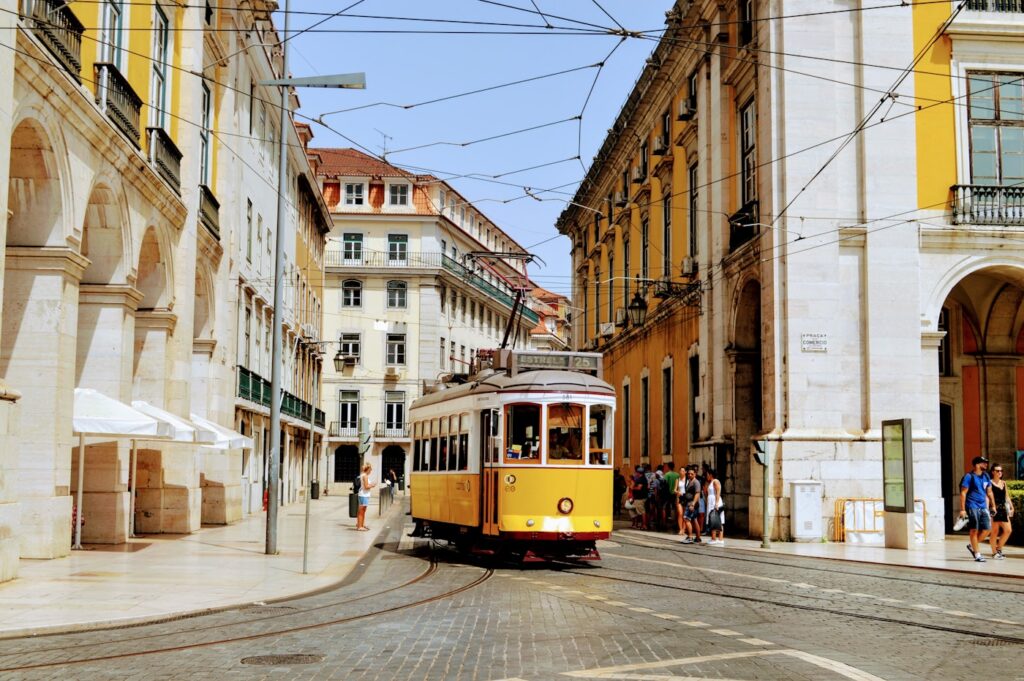
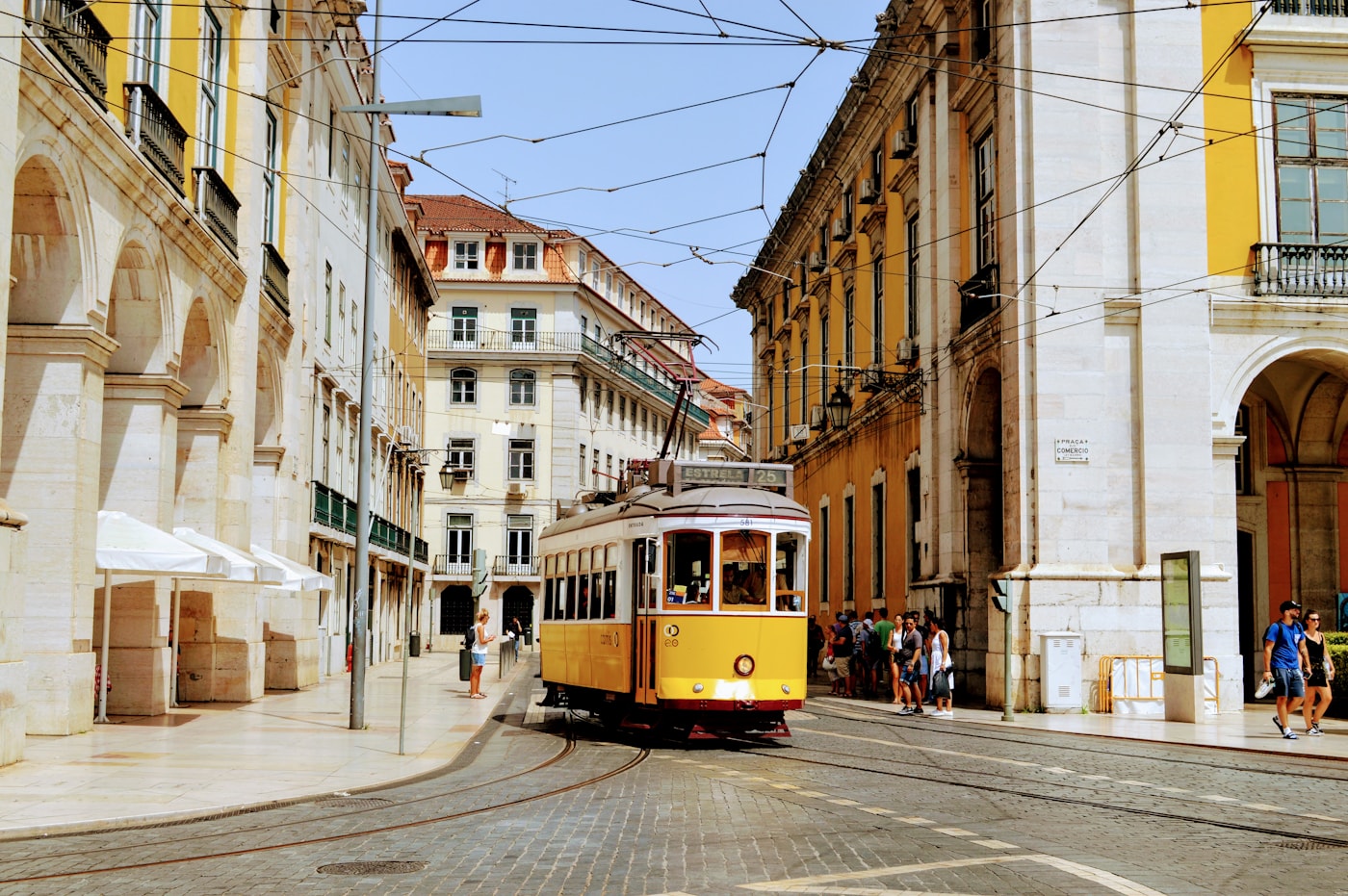
Lisbon gets recommended so often that it risks becoming the travel equivalent of a band everyone discovered once they were already famous. The hills, the tiles, the trams, the pastéis de nata — these have been extensively photographed and written about. The Atlantic light that makes the city glow gold at 6pm is real. The melancholic tradition of fado music is real. The fact that you can still eat exceptionally well for less than you’d spend on a mediocre meal in Paris or London is real. The question isn’t whether Lisbon is worth visiting — it obviously is — but whether it can still offer something genuine in an era of over-tourism.
The answer is yes, with qualifications. The central tourist areas (Alfama, Bairro Alto, Chiado, Belém) are genuinely crowded in summer and increasingly priced for visitors rather than residents. The city’s housing crisis — caused partly by tourism-driven Airbnb expansion — has pushed many long-term residents to the outskirts, and that displacement is visible in the demographics of the central neighbourhoods. But move even slightly off the main routes — into Mouraria, Mouraria, Intendente, the eastern Marvila riverfront, the Penha de França hills — and you find a real city that’s still negotiating with its own extraordinary bones.
What’s in This Guide
- Why Lisbon in 2026
- Alfama and the castle
- Chiado, Bairro Alto, and Príncipe Real
- LX Factory and the western waterfront
- Belém
- What to eat and drink
- Day trips: Sintra and beyond
- Getting to Lisbon
- Where to stay
- Realistic budget breakdown
- Things nobody tells you
- FAQ
Why Lisbon in 2026
Portugal’s capital has several structural advantages that keep it relevant beyond the hype cycle. The climate is exceptional — 300+ days of sunshine, mild winters, summers that are warm but not brutal by Mediterranean standards. The food and wine scene continues to develop, with a new generation of chefs working with Portuguese ingredients in ways that don’t require a special-occasion budget. The city is walkable in a way that few European capitals manage at comparable size.
Guimarães, a smaller Portuguese city, was named European Green Capital 2026, bringing additional attention to Portugal as a travel destination this year. The country’s tourism infrastructure remains excellent value compared to Western European competitors. And the fado scene, which for years attracted more tourists than Portuguese people, has seen a genuine revival among younger Lisboetas who’ve rediscovered it as their own.
Alfama and the Castle
Alfama is the city’s oldest neighbourhood — an Arab-era quarter that survived the 1755 earthquake that levelled most of Lisbon, which is why its narrow, irregular streets look nothing like the Pombaline grid of the Baixa district below. The São Jorge Castle at the top of the hill is a Moorish fortification with excellent views over the city and the Tagus estuary. The interior is a modest museum but the battlements are the point — spend an hour up there at sunset and you’ll understand immediately why Lisbon has the reputation it does.
Below the castle, Alfama’s streets run down to the Tagus through a maze of steps (calçadas), tiny praças, and houses covered in azulejo tiles in various states of repair. The fado houses here are the real ones — restaurantes that run until 1am, where the music starts at 10pm and the food (bacalhau, roast lamb, açorda) is made fresh. Prices are higher than you’d pay in Mouraria, but you’re paying for an experience that’s been happening in this specific form for at least a century. A fado dinner in Alfama runs €35–60 per person including food and minimum drinks.
Chiado, Bairro Alto, and Príncipe Real
These three adjacent neighbourhoods form the cultural and commercial heart of contemporary Lisbon. Chiado is the sophisticated shopping and café district — the Livraria Bertrand (the world’s oldest operating bookshop, founded 1732) is here, the pastry shop A Brasileira where Fernando Pessoa used to drink coffee is here, and a cluster of good restaurants has replaced the former tourist trap concentration. Bairro Alto behind it is the nightlife district — narrow streets packed with bars that spill onto the pavements from 10pm.
Príncipe Real is the neighbourhood to the northwest of Chiado, slightly less-visited but increasingly the most interesting of the three. A weekend antique and organic market runs in the main square. The streets are lined with concept stores, design studios, and restaurants that cook for the kind of person who moved to Lisbon for the lifestyle and now lives there. The Jardim do Príncipe Real is a good park with a kiosk café where the locals outnumber the tourists at most hours.
LX Factory
A former industrial complex in the Alcântara neighbourhood, converted into a cluster of independent shops, restaurants, a book market, studios, and event spaces. It’s become a tourist destination in its own right but retains a genuinely interesting character — partly because it hosts actual businesses and events rather than pure retail. The Sunday market (books, vintage clothing, plants, food) is excellent. Several of the restaurants are among the better spots in the city for a weekend lunch with the city’s creative industries crowd.
Belém
The riverfront district of Belém, 6km west of the city centre, is where Portugal’s Age of Discovery is commemorated in stone. The Jerónimos Monastery is a UNESCO World Heritage Site — Manueline architecture at its most elaborate, a building style unique to Portugal that fuses Gothic structure with nautical and non-European ornamental motifs. The Belém Tower (Torre de Belém), standing in the Tagus, is the postcard image of the city. The Monument to the Discoveries (Padrão dos Descobrimentos) is polarising — a celebration of the explorers who expanded the Portuguese empire, with all the historical complexity that involves. Worth seeing regardless of your view on it.
And the pastéis de Belém at the original Pastéis de Belém shop (founded 1837) are the best version of the custard tart in the world. The recipe has not changed. The queue outside the shop has, and it is long. Go at 9am when they open or accept the wait.
What to Eat and Drink
Portuguese cuisine is built around excellent ingredients treated with restraint. Bacalhau (salt cod) in its hundred traditional preparations — bacalhau à Brás (flaked cod with eggs, onions, and fried potato strips) is the one to know. Caldo verde, the national soup of potato, kale, and chouriço. Bifanas, the pork sandwich that is Lisbon street food at its most fundamental, sold from tiny restaurants near the central markets for around €3.
For serious food, the Mercado da Ribeira (Time Out Market) on the waterfront is a food hall of solid quality — about 35 kitchens from good Lisbon restaurants, all in one space. Useful for a first evening when you’re overwhelmed with choices; by your third day you’ll know enough to eat elsewhere. The Mouraria neighbourhood’s market area has excellent petiscos (Portuguese tapas) restaurants that are considerably cheaper than Chiado equivalents. Taberna da Rua das Flores in Chiado is worth a booking for proper Portuguese kitchen cooking.
Wine: Portuguese wine remains one of the world’s best-kept secrets. The Douro produces the world’s port wine but also excellent dry reds. The Alentejo region makes full-bodied reds that outperform their price point. Vinho Verde from the northwest is not just the cheap wine you remember — the better single-variety versions (Alvarinho, Loureiro) are genuinely sophisticated. House wine in a tasca (traditional neighbourhood restaurant) costs €1–2 a glass and is often very good.
Day Trips: Sintra and Beyond
Sintra is 40 minutes by train from Rossio Station (€2.35 each way), and it is genuinely extraordinary — a UNESCO-listed village of palaces and fairy-tale architecture in the hills above the coast, where the Portuguese royal family built their summer residences. The Pena Palace (a kaleidoscope of yellow and red neo-Romantic architecture on a mountain peak) is the headline sight. The Moorish Castle above the village predates it by 700 years and is quieter. Arrive early on a weekday if possible — summer weekends in Sintra are very crowded.
Setúbal and the Arrábida Natural Park are a 45-minute drive south — arguably the most beautiful coastline in mainland Portugal, with turquoise water and limestone cliffs that look more like southern Croatia than northern Europe. The Arrábida coast doesn’t serve itself up on public transport as easily as Sintra, but a rental car for a day is entirely worth it.
Getting to Lisbon
Humberto Delgado Airport (LIS) is one of Europe’s most-connected, with TAP Air Portugal, Ryanair, easyJet, British Airways, and major US carriers all flying routes. Direct flights from New York and Boston run 7 hours; from the US West Coast via connection through European hubs. The metro red line connects the airport to central Lisbon in 20 minutes for €1.65 (using a Viva Viagem card); taxis run €15–20. Lisbon is also extremely well-connected by international train (Alfa Pendular from Porto takes under 3 hours).
Where to Stay
Chiado or Príncipe Real for the best central location with access to good restaurants and less tourist-trap exposure than Alfama. Alfama itself for the atmosphere, at the cost of hills (everywhere in Alfama involves stairs) and tourist-facing pricing. Mouraria for a more local experience at lower prices, a short walk from everything. Avoid the Baixa (lower city centre) — it’s convenient but soulless, dominated by chain hotels and souvenir shops.
Budget options (hostel dorms, basic private rooms): €25–50 per night. Mid-range boutique hotels: €120–220. High-end (Bairro Alto Hotel, Memmo Alfama, Palácio do Governador): €350–600. The city has good Airbnb stock in residential neighbourhoods, though the local government’s restrictions on short-term rentals have reduced availability and raised prices somewhat.
Realistic Budget Breakdown
- Budget traveller (hostel, tascas and markets, tram): €50–70/day
- Mid-range (private hotel, restaurant meals, museums): €130–200/day
- Comfortable (boutique hotel, fado dinner, day trip): €250–400/day
- Pastel de nata (from bakery, not tourist shop): €1.20–1.50
- Coffee (bica/espresso): €0.80–1.20
- Tram 28 (historic route, Alfama): €3 with Viva Viagem card
- Jerónimos Monastery entry: €10
- São Jorge Castle entry: €15
Things Nobody Tells You
- Tram 28 is a tourist attraction, not a transport option. The famous yellow tram running through Alfama has permanent queues of visitors photographing it. Locals use it but around the tourist rush. If you want to ride it, go early morning on a weekday. If you want to get somewhere, use the metro or walk.
- Lisbon is genuinely hilly. The seven hills are not a metaphor. Comfortable shoes are not optional. The calçada portuguesa (mosaic stone pavement) looks beautiful and is slippery when wet. Carry a good pair of shoes regardless of weather.
- Most things close on Sunday afternoons. Particularly in the central neighbourhoods — the old Catholic rhythms die hard. Plan your Sunday accordingly, because you’ll be navigating closed doors in areas that were full of open shops on Saturday.
- The tourist price vs. local price gap is real but not universal. A coffee in Chiado: €2.50. The same coffee in a neighbourhood café in Mouraria: €0.90. The further you walk from the main tourist routes, the more the prices adjust to local wages.
- Summer (July–August) is hot, busy, and expensive. Accommodation prices spike, the key sights are at maximum crowding, and the city moves slower in the heat. September and October offer better weather, lower prices, and a city that’s mostly handed back to its residents.
Experiences & Activities
Book Tours & Activities in Lisbon
Skip the planning stress. Browse guided Alfama walking tours, Sintra day trips, fado dinner experiences, Tagus river cruises, and Arrábida coast excursions — all bookable online with free cancellation on most options.
Browse Lisbon Experiences →New guides every few months — no noise, no spam.
Subscribe freeFrequently Asked Questions
Is Lisbon still worth visiting despite the crowds?
Yes — with timing caveats. July and August are genuinely overcrowded in the main tourist areas. Visiting in spring (April–June) or autumn (September–October) gives you comfortable weather, significantly lower prices, and a city that feels more like itself. The deeper neighbourhoods (Mouraria, Intendente, Marvila) offer a real Lisbon experience year-round.
What is the best neighbourhood to stay in Lisbon?
Chiado or Príncipe Real for the best balance of location, food options, and atmosphere. Alfama for the traditional experience, with the trade-off of hills and tourist-facing pricing. Mouraria for lower prices and a more local feel. Avoid the Baixa (lower city centre) — it’s convenient but lacks character.
How do I get around Lisbon?
The metro covers the main neighbourhoods efficiently. The iconic trams are slow but atmospheric. Walking is the best option in most central areas, once you accept the hills. Buy a Viva Viagem card (€0.50) and load it with credit for metro, tram, and bus travel. Taxis and Uber are both available and reasonable.
Is Sintra worth the day trip from Lisbon?
Absolutely — Sintra is one of the most remarkable places within easy reach of any European capital. The palaces, the UNESCO village, and the forested hills make it worth a full day. The train from Rossio Station takes 40 minutes and costs about €2.35 each way. Arrive before 10am to get ahead of the day-tripping crowds.
Where can I eat the best pastel de nata in Lisbon?
Pastéis de Belém in the Belém neighbourhood (founded 1837) makes the original and still the best version. The queue is long but moves fast. Every neighbourhood bakery also makes good versions — skip the tourist-area shops selling them at €2.50 and find a padaria (bakery) in a residential street charging €1.20.