
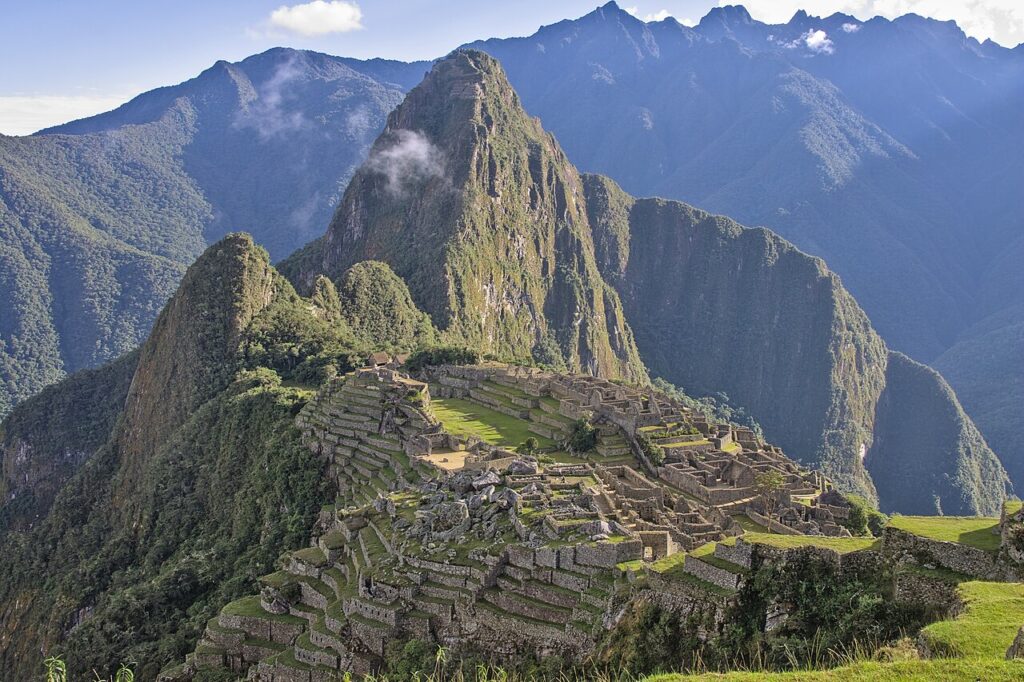
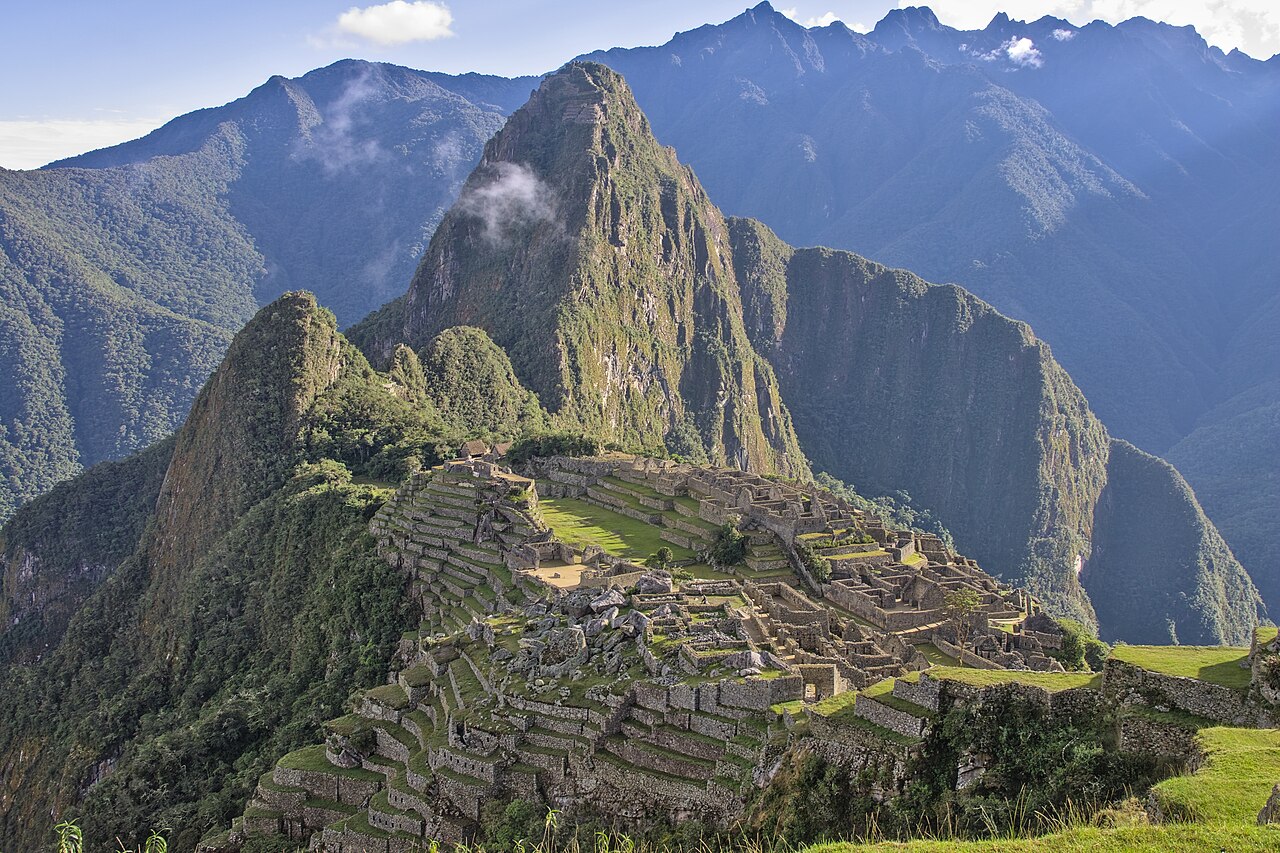
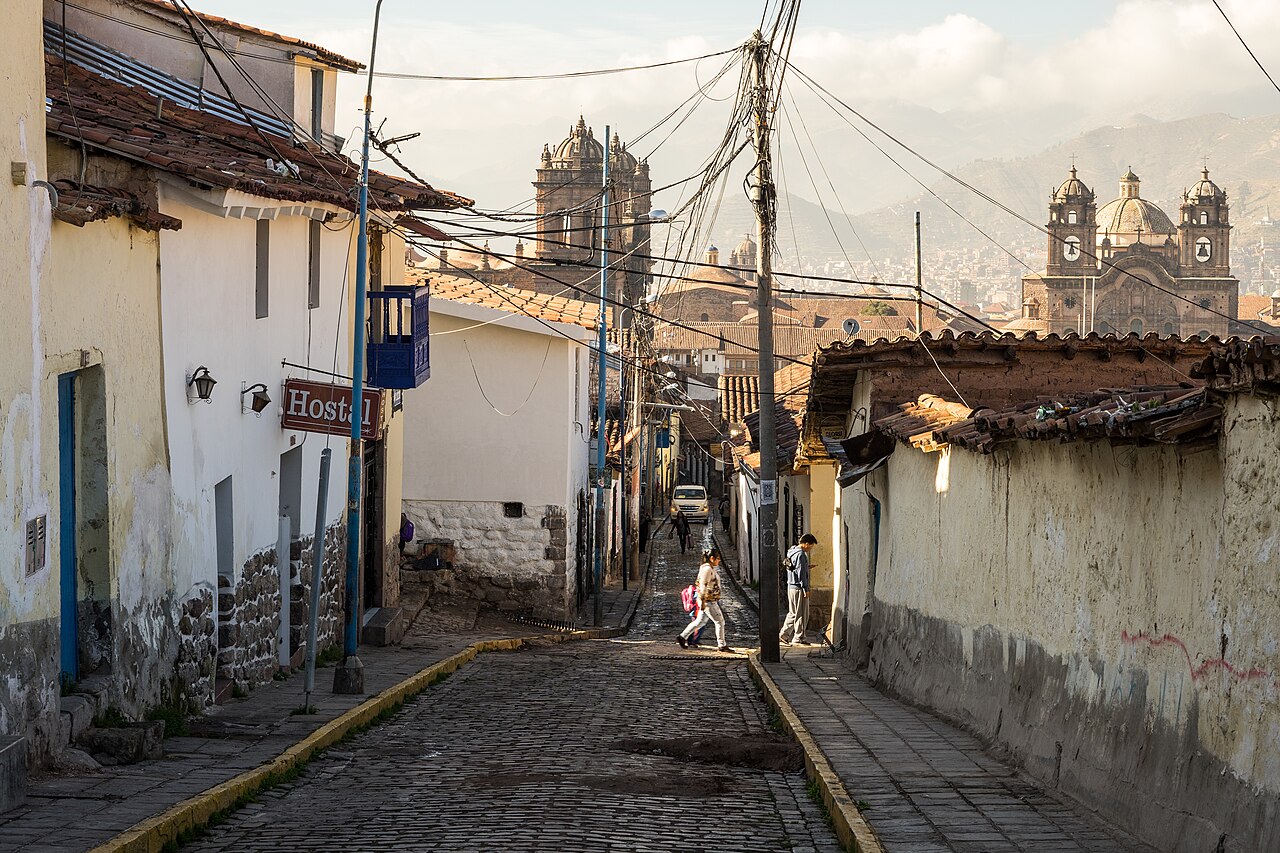
Cusco was the capital of the Inca Empire — the administrative and spiritual centre of a civilisation that, at its peak in the 15th century, controlled an area stretching from southern Colombia to central Chile. When the Spanish arrived in 1533, they found a city built with stonework so precise that a knife blade could not fit between the blocks. They tore down the Inca temples, built churches on top of the foundations, and created the city that exists today: a disorienting collision of Inca walls and Spanish colonial architecture that is unlike anywhere else on earth.
Machu Picchu, the 15th-century citadel perched on a mountain ridge 80 kilometres northwest, is the reason most visitors come. It is an extraordinary place. But what surprises many travellers is that Cusco itself — the city, the Sacred Valley, the surrounding Inca sites — is equally compelling and rewards far more time than the single overnight that many tour itineraries allocate.
Peru received 4.8 million international visitors in 2025, with Cusco and Machu Picchu the primary draw. New daily visitor limits at Machu Picchu (now 4,044 visitors per day in four timed circuits) have improved the experience but made advance planning essential. Booking your Machu Picchu permit weeks or months ahead is no longer optional — it is mandatory.
What’s in This Guide
- Why Cusco in 2026
- Altitude: The Thing Nobody Prepares For
- Cusco City
- The Sacred Valley
- Machu Picchu
- Peruvian Food in Cusco
- Getting There & Around
- Realistic Budget Breakdown
- Things Nobody Tells You
- FAQ
Why Cusco in 2026
The Peruvian government has introduced a new ticketing system for Machu Picchu that divides the day into four circuits, each with a specific entry time and route. The change has dramatically reduced overcrowding at the site — in 2024, visitors reported being able to photograph the iconic postcard view without other tourists in the frame, something unimaginable five years ago. The trade-off is that spontaneous visits are now impossible; but for those who plan ahead, the experience is significantly better.
Cusco’s food scene has also exploded. The city now has serious restaurants serving contemporary Peruvian cuisine that draws on Inca ingredients and techniques — think quinoa, cuy (guinea pig), alpaca, and Amazonian fruits, prepared with fine-dining precision. Lima gets the Michelin stars, but Cusco’s restaurants are catching up at a fraction of the price.
Skip-the-line tickets, guided walks, food tours — vetted by GetYourGuide with free cancellation.
Browse Cusco Experiences →
Altitude: The Thing Nobody Prepares For
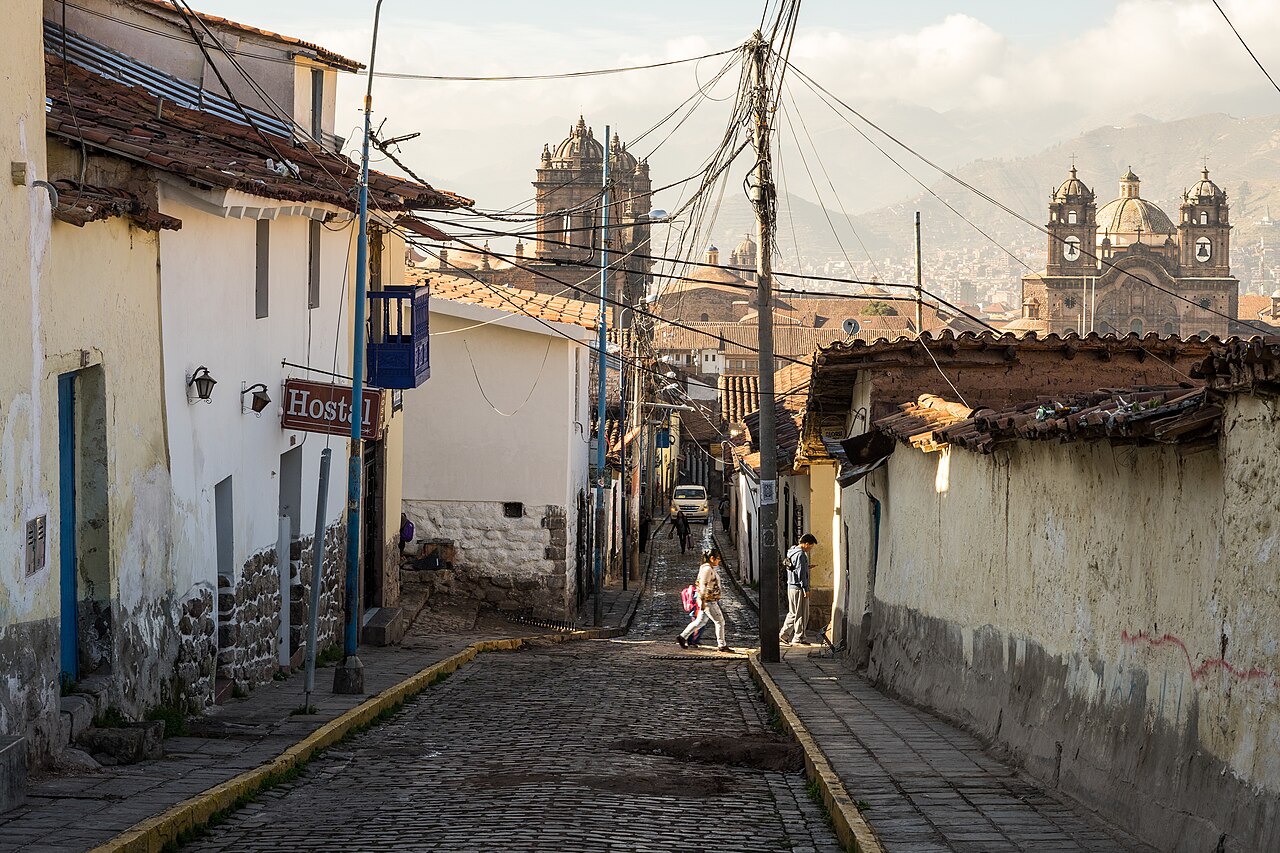
Cusco sits at 3,400 metres (11,150 feet). This is higher than any ski resort in Colorado, higher than the summit of Mount Fuji’s main trail, and high enough that most visitors will feel some effect: headache, shortness of breath on stairs, difficulty sleeping, and a general sense of heaviness for the first 24-48 hours.
The strategy that works: Fly into Cusco and do nothing for the first day. No sightseeing, no walking tours, no ambitious dinners. Drink coca tea (mate de coca, available everywhere, legal, and genuinely effective). Stay hydrated — two to three litres of water per day minimum. Avoid alcohol for the first 24 hours. Consider spending your first two nights in the Sacred Valley (2,800m) before ascending to Cusco — many travellers who struggle at 3,400m feel fine at 2,800m.
If symptoms are severe (persistent vomiting, confusion, difficulty breathing at rest), descend immediately. Pharmacies in Cusco sell Diamox (acetazolamide) over the counter — some travellers take it prophylactically, starting 24 hours before arrival. Consult your doctor before the trip.
Cusco City
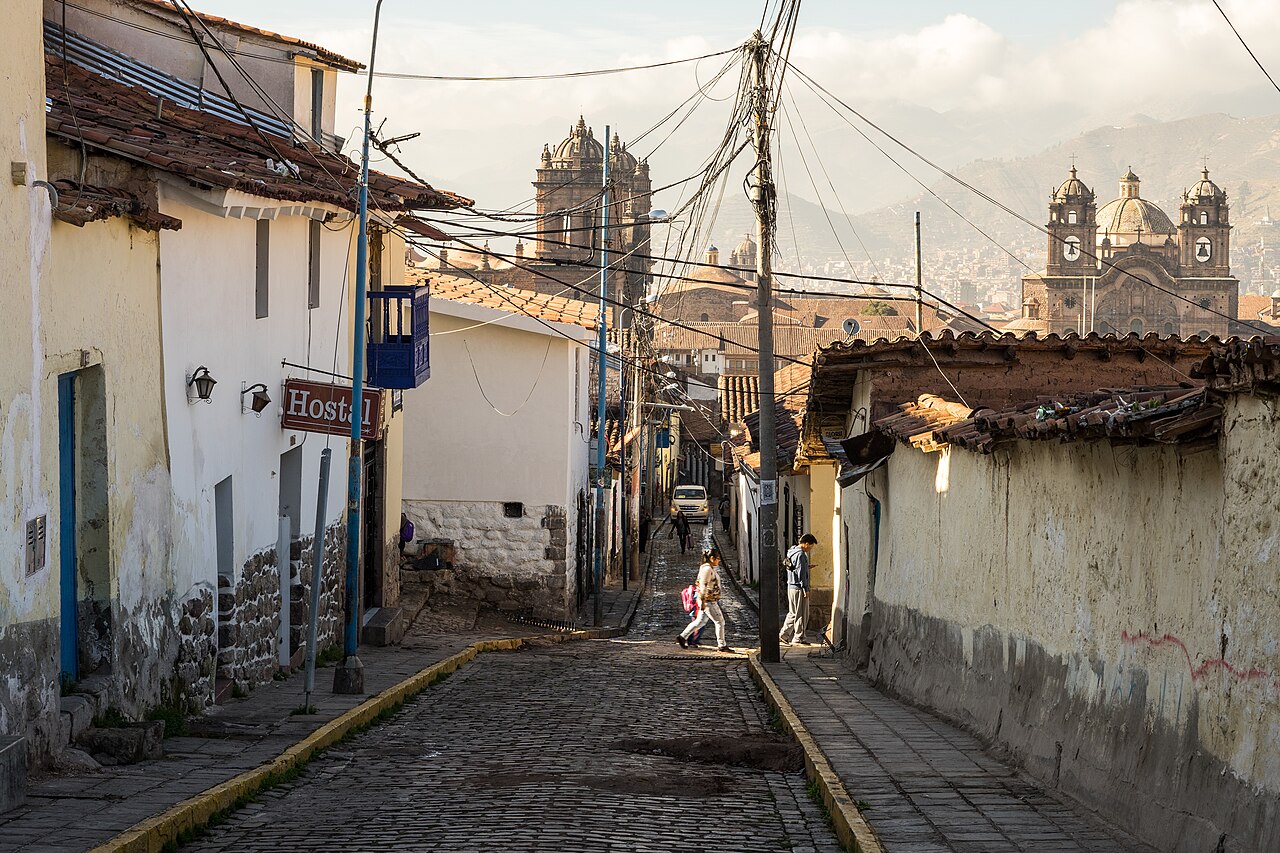
Plaza de Armas is the centre: the Cathedral (1654, built on Inca palace foundations, stunning Cusqueño School paintings inside), the Church of La Compañía de Jesús (arguably more beautiful than the cathedral), and the surrounding arcades filled with restaurants and travel agencies. The Boleto Turístico (130 soles / ~$35) covers 16 sites across Cusco and the Sacred Valley — essential value if you plan to visit more than three.
Sacsayhuamán, the massive Inca fortress above the city, is a 20-minute walk uphill from the plaza. The stones — some weighing over 100 tonnes — are fitted together without mortar in a zigzag formation that has survived 500 years of earthquakes. Go at sunrise to have it nearly to yourself.
San Blas, the artisan quarter above the plaza, is a steep climb rewarded by craft workshops, the best views over the city, and quieter restaurants. San Pedro Market is the main food market: fresh juices (2 soles), roast chicken lunches (8 soles), and the best place to buy coca leaves, chocolate, and alpaca textiles at local prices.
The Sacred Valley
The Urubamba Valley — the Sacred Valley of the Incas — runs from Pisac to Ollantaytambo along the Urubamba River, with Inca ruins, traditional villages, and farmland stretching across the valley floor. It sits at 2,800m, making it a better acclimatisation base than Cusco.
Pisac: Impressive Inca ruins on the hillside above the town, plus a famous Sunday market (also Tuesday and Thursday, but Sunday is the fullest). Ollantaytambo: The last living Inca town — the grid layout is original Inca, and the fortress ruins above the town are among the most impressive in Peru. This is also the main departure point for trains to Machu Picchu. Moray: Circular Inca terraces believed to have been an agricultural laboratory — visually stunning and intellectually fascinating. Maras Salt Mines: Thousands of salt evaporation ponds cascading down a hillside, still in use since Inca times. Best combined with Moray as a half-day tour.
Machu Picchu
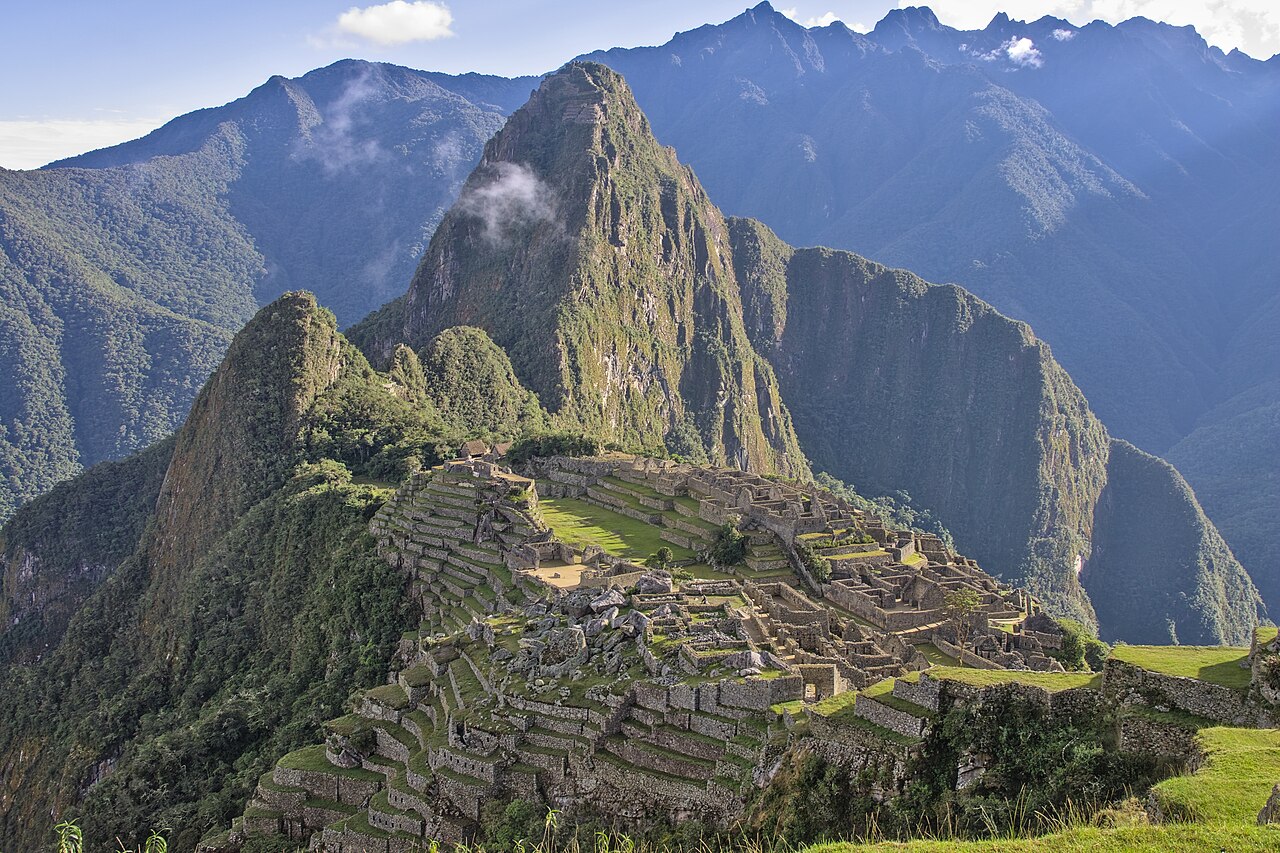
Getting there: The standard route is train from Ollantaytambo to Aguas Calientes (1.5 hours, $60-90 return on PeruRail or Inca Rail), then bus from Aguas Calientes to the site entrance (25 minutes, $24 return). The budget alternative: van to Hidroeléctrica ($20), then walk the train tracks to Aguas Calientes (2.5 hours, flat, scenic). The classic Inca Trail (4 days, 3 nights) requires booking 3-6 months ahead through a licensed operator ($600-800 including permits, guides, porters, and camping).
Permits: Purchase on the official Peru Ministry of Culture website (machupicchu.gob.pe). Four circuit options: Circuit 1 (Classic — includes the postcard viewpoint), Circuit 2 (lower terraces and Sun Gate approach), Circuit 3 (shortest, lower ruins), and Huayna Picchu or Machu Picchu Mountain add-ons. Circuit 1 sells out fastest. Book at least 2-4 weeks ahead for dry season (May-October), further ahead for Huayna Picchu.
The experience: Allow 3-4 hours on site. A guide is not required but enormously enhances the visit — the history, engineering, and astronomical alignments of the site are not obvious without explanation. Hire one at the entrance (120-150 soles for a group tour) or book in advance. Bring sunscreen, water, and a rain layer regardless of the forecast — weather changes rapidly at 2,430m. There are no food or water sales inside the site.
Peruvian Food in Cusco
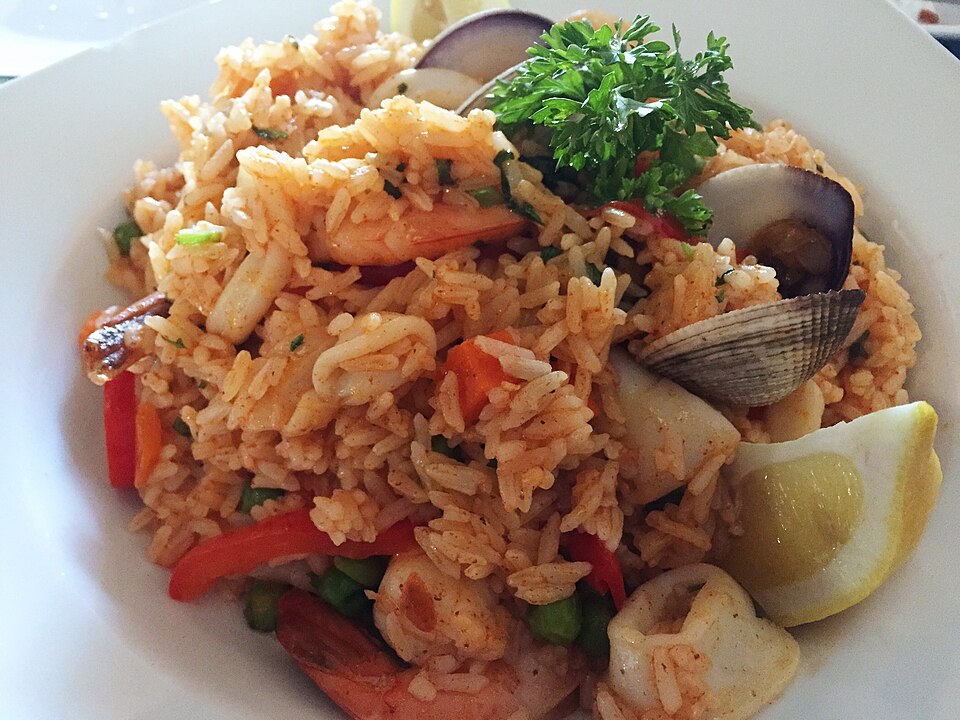
Peruvian cuisine is one of the world’s great food traditions, and Cusco offers a highland-specific version that differs significantly from coastal Lima cooking. The essentials:
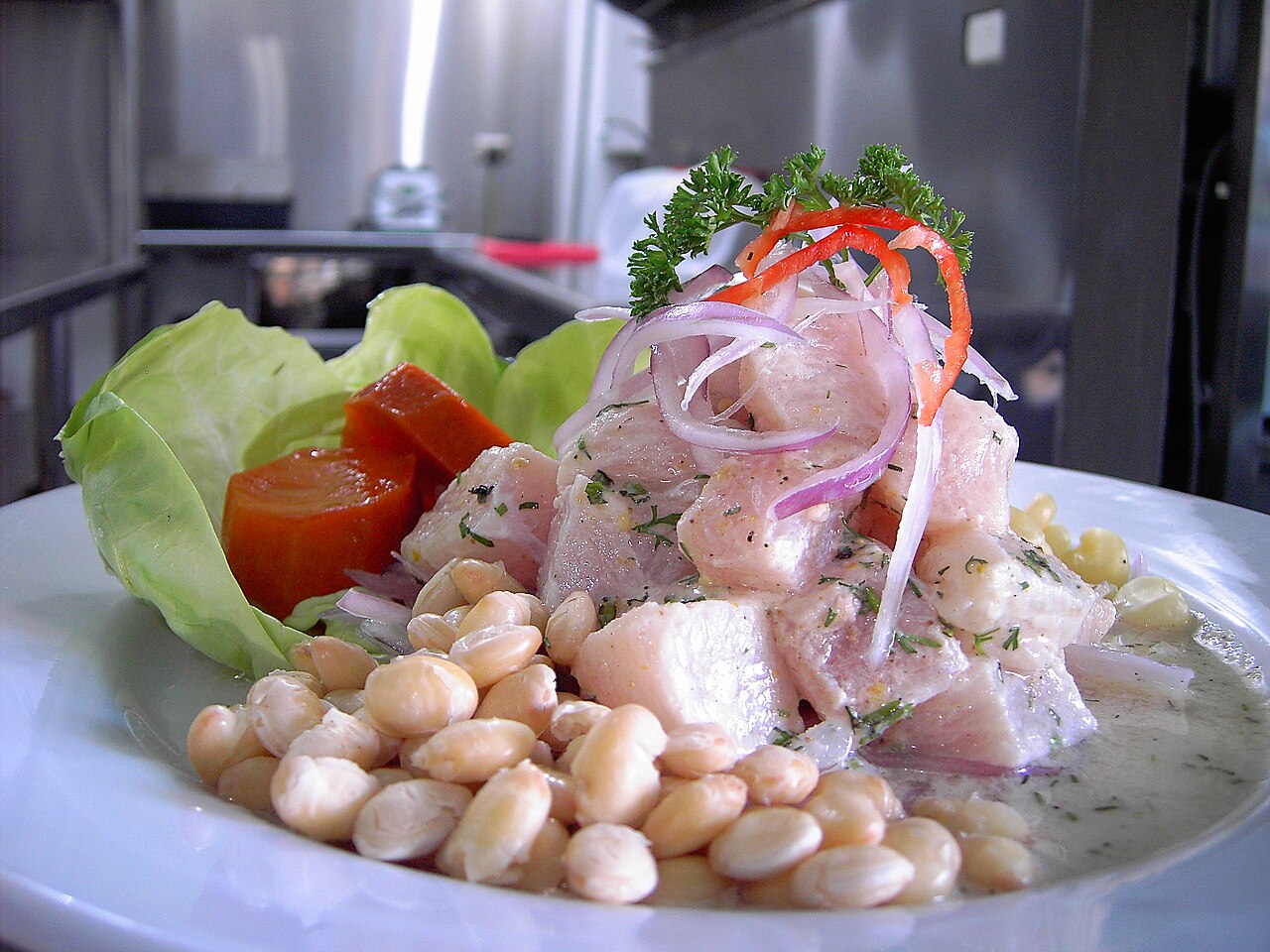
Cuy (guinea pig) — the iconic Andean dish, roasted whole. It tastes like dark-meat chicken with crispy skin. Available everywhere; try it at Cusco’s traditional picanterías. Lomo saltado — stir-fried beef with onions, tomatoes, soy sauce, and fries, served over rice. The defining Peruvian-Chinese fusion dish. Alpaca — lean, tender, similar to venison. Served as steaks, in stews, or as anticuchos (skewers). Ceviche — raw fish cured in lime juice, served with sweet potato and corn. Not a highland dish originally, but excellent versions are served at Cusco’s better restaurants.
Where to eat: San Pedro Market for the cheapest and most authentic food (juices, soups, roast chicken). Cicciolina (upstairs tapas bar, no reservations, excellent) for Mediterranean-Peruvian fusion. Chicha by Gastón Acurio for refined Andean cuisine in a colonial courtyard. Jack’s Café for the best breakfast in Cusco — a backpacker institution for good reason. A menú del día (set lunch) at a local restaurant is 8-15 soles ($2-4) — the best value meal in South America.
Getting There & Around
Flights: Cusco’s Alejandro Velasco Astete airport receives daily flights from Lima (1.5 hours, $60-150 each way on LATAM or Sky Airline). Early morning flights offer spectacular Andes views. The airport is 10 minutes from the city centre by taxi (15-20 soles).
In Cusco: The centre is walkable but hilly — take it slow at altitude. Taxis anywhere in the city are 5-10 soles ($1.50-2.50). No meters — agree the fare before getting in. Sacred Valley: Colectivos (shared minivans) run from Cusco to Pisac (4 soles, 45 minutes) and Ollantaytambo (10 soles, 1.5 hours) throughout the day from Calle Pavitos. Private tours are widely available ($30-60/person for a full-day Sacred Valley circuit).
Realistic Budget Breakdown
| Item | Daily Cost (Budget / Mid-Range) |
|---|---|
| Accommodation | $8-18 (hostel) / $40-120 (boutique hotel) |
| Food | $8-15 (markets + menú del día) / $25-50 (restaurants) |
| Transport (local) | $3-8 (colectivos + taxis) |
| Machu Picchu (train + entry + bus) | $100-140 per person |
| Sacred Valley day tour | $30-60 |
| DAILY TOTAL | $49-81 budget / $95-230 mid-range |
Note: Machu Picchu costs are a one-time expense. Daily averages excluding Machu Picchu are $30-50 budget, $70-150 mid-range.
Things Nobody Tells You
Altitude ruins plans. At least 30% of visitors experience meaningful altitude sickness on their first day. Do not schedule anything important — including Machu Picchu — for your first 24-48 hours in Cusco. The Sacred Valley (lower altitude) is a much better first stop.
The Inca Trail books out months ahead. If you want to hike the classic 4-day Inca Trail, book 4-6 months in advance for May-September departures. Alternative treks (Salkantay, Lares, Choquequirao) are equally beautiful and book out less quickly.
Two currencies coexist. Peru uses the sol (PEN), but many tourist services quote in US dollars. Always clarify which currency a price is in before agreeing. ATMs dispense both soles and dollars. Pay in soles when possible for better exchange rates.
It rains in the afternoon. Even in dry season (May-October), brief afternoon showers are possible. Always carry a packable rain jacket. Wet season (November-March) means daily heavy rain, muddy trails, and occasional Inca Trail closures — but also green landscapes, fewer tourists, and lower prices.
Frequently Asked Questions
How far in advance should I book Machu Picchu tickets?
For dry season (May-October), book 2-4 weeks ahead for standard circuits, 2-3 months for Huayna Picchu. For the Inca Trail, book 4-6 months ahead. Wet season tickets are easier to get but still sell out for weekends and holidays. Book on the official government website: machupicchu.gob.pe.
Is Cusco safe?
Cusco is generally safe for tourists. Petty theft (pickpocketing in markets and on colectivos) is the main risk. Be careful with valuables in crowds and don’t walk alone in poorly lit areas late at night. Altitude sickness is a bigger practical concern than crime for most visitors.
How many days do I need for Cusco and Machu Picchu?
Minimum five days: one for acclimatisation, one for Cusco city, one for the Sacred Valley, one for Machu Picchu, and one buffer day. A week allows a more relaxed pace, additional ruins, and a cooking class. The 4-day Inca Trail adds to the total.
Can I visit Machu Picchu without a tour?
Yes. You can independently book your train (perurail.com or incarail.com), bus (consettur.com), and entry ticket (machupicchu.gob.pe). A guide at the entrance costs 120-150 soles and is highly recommended. The only thing that requires an organised tour is the Inca Trail trek — independent hiking is not permitted.
What should I pack for Cusco?
Layers are essential: mornings are cold (5-10°C), afternoons warm (18-22°C), and evenings cool again. Bring a warm fleece, a packable rain jacket, sunscreen (UV is intense at altitude), a reusable water bottle, and comfortable walking shoes for cobblestones. For Machu Picchu: hiking shoes, rain layer, sunscreen, insect repellent, and snacks.