- Barcelona like a local: neighborhoods, food & the plan
- Barcelona Travel Guide FAQ
- Plan Your Barcelona Trip
- What’s in This Guide
- Why Barcelona
- The Gothic Quarter & El Born
- Eixample & Gaudí
- Gràcia
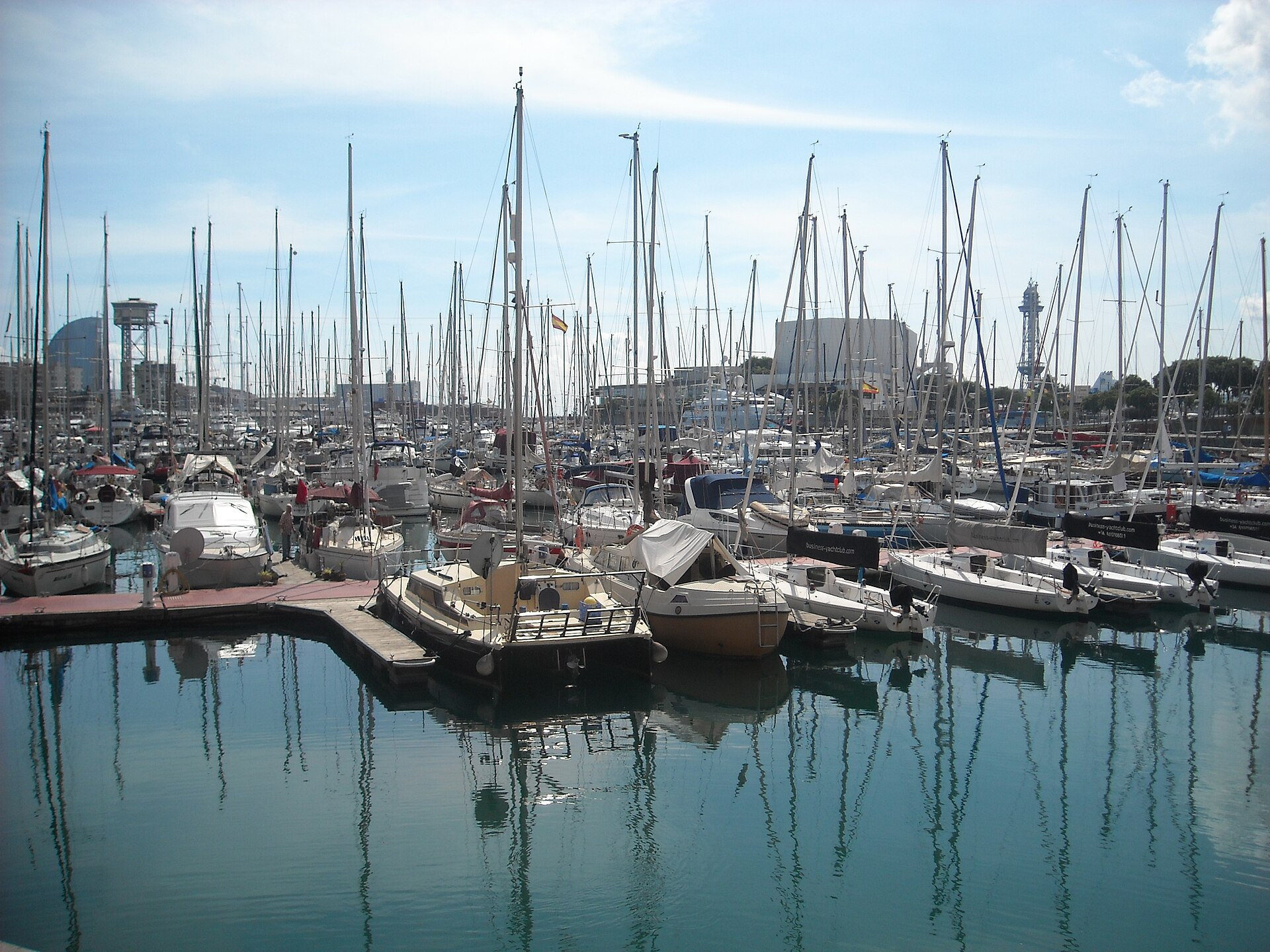
- Barceloneta & the Waterfront
- Food: Markets, Tapas & Wine
- Day Trips
- Getting Around
- Realistic Budget Breakdown
- Things Nobody Tells You
- More Travel Guides You’ll Love
- Frequently Asked Questions
- More from Packzup
📅 Updated Aug 2026
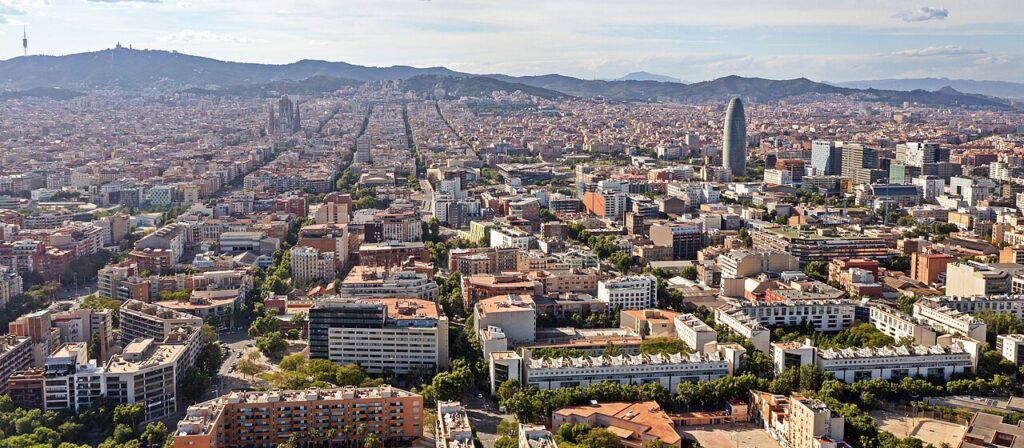
Barcelona operates on a fundamental contradiction: it is one of Europe’s most visited cities and simultaneously one of its most liveable. Eleven million tourists arrive each year, but the city’s structure, a grid system designed by Ildefons Cerdà in 1859 that distributes life across distinct neighbourhoods rather than concentrating it in a single centre, means that stepping three blocks from La Rambla puts you in residential streets where the loudest sound is someone arguing about football in a corner bar.
What makes Barcelona remarkable is the density of top experiences in a compact, walkable space. A Gaudí masterpiece, a Gothic cathedral, a Michelin-starred restaurant, a functioning food market, and a Mediterranean beach can all be reached within a thirty-minute walk. Very few cities on earth offer that combination, and none with Barcelona’s weather, 300 days of sunshine, mild winters, and a climate that makes outdoor dining possible ten months of the year.
The city has made significant infrastructure investments ahead of. The Sagrada Família’s central towers are nearing completion, the tourist tax has been restructured to manage overcrowding in the Gothic Quarter, and a new tram line connects previously isolated neighbourhoods. Barcelona is expensive by Spanish standards but remains meaningfully cheaper than Paris, London, or Amsterdam for equivalent quality.
Barcelona like a local: neighborhoods, food & the plan
Where to base
Eixample for Gaudí and wide boulevards, the Gothic Quarter/El Born for medieval charm and nightlife, Barceloneta for the beach.
The must-dos (book ahead)
The Sagrada Família and Park Güell sell timed tickets and regularly sell out — reserve early. Add Casa Batlló, the Gothic Quarter, and a sunset at Bunkers del Carmel.
Eat & drink
Tapas and pintxos (El Born, Gràcia), the Boqueria market (early), vermut before lunch, and seafood paella by the beach (lunch, never dinner). Dinner is late.
Logistics
Easy metro, very walkable. Watch pickpockets on La Rambla and the metro — Barcelona is Europe’s pickpocketing capital. Day trip to Montserrat.
Three to four days covers Gaudí, the old town and the beach.
Barcelona Travel Guide FAQ
How many days do you need in Barcelona?
Three to four — Gaudí sights, the Gothic Quarter, the beach and a Montserrat day trip.
Do I need to book the Sagrada Família?
Yes — buy a timed ticket online ahead; it regularly sells out.
Plan Your Barcelona Trip
What’s in This Guide
- Why Barcelona
- The Gothic Quarter & El Born
- Eixample & Gaudí
- Gràcia
- Barceloneta & the Waterfront
- Food: Markets, Tapas & Wine
- Day Trips
- Getting Around
- Realistic Budget Breakdown
- Things Nobody Tells You
- FAQ
Why Barcelona
The Sagrada Família is approaching its completion date after 144 years of construction. The central Jesus Tower, when finished, will make it the tallest church in Europe at 172.5 metres. Visiting means seeing both the extraordinary completed interior (the forest of tree-column naves, the kaleidoscopic stained glass) and the final construction phase, a historic moment that will not repeat.
Barcelona has also pushed back against overtourism more aggressively than any European city. Short-term rental licences in the city centre have been frozen, cruise ship passenger limits are being enforced, and a tourist tax of €4 per night applies. The effect: the city is better managed for visitors than it was five years ago, with less of the pressure-cooker atmosphere that drove negative headlines.
Skip-the-line tickets, guided walks, food tours — vetted by GetYourGuide with free cancellation.
Browse Barcelona Experiences →
The Gothic Quarter & El Born

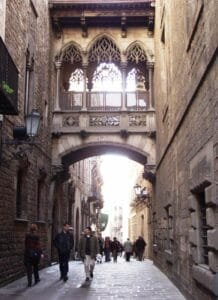
The Barri Gòtic is genuinely medieval: Roman walls, 14th-century churches, and streets so narrow that balconies nearly touch across the gap. The Barcelona Cathedral (free entry most of the day, €9 for rooftop access) is the anchor, but the real pleasure is getting lost in the side streets between Plaça Sant Jaume and Via Laietana. The Plaça Reial, just off La Rambla, is the most beautiful square in the city: arcaded, palm-lined, and home to some of Barcelona’s best cocktail bars.
El Born, the adjacent neighbourhood to the east, is Barcelona’s creative quarter: independent boutiques, natural wine bars, the Picasso Museum (book online. Walk-up queues are 60+ minutes), and the extraordinary Santa Maria del Mar church, a masterpiece of Catalan Gothic architecture. The Mercat del Born, a renovated iron market building, now contains archaeological ruins of the 1714 siege of Barcelona, a powerful and free exhibition.
Eixample & Gaudí
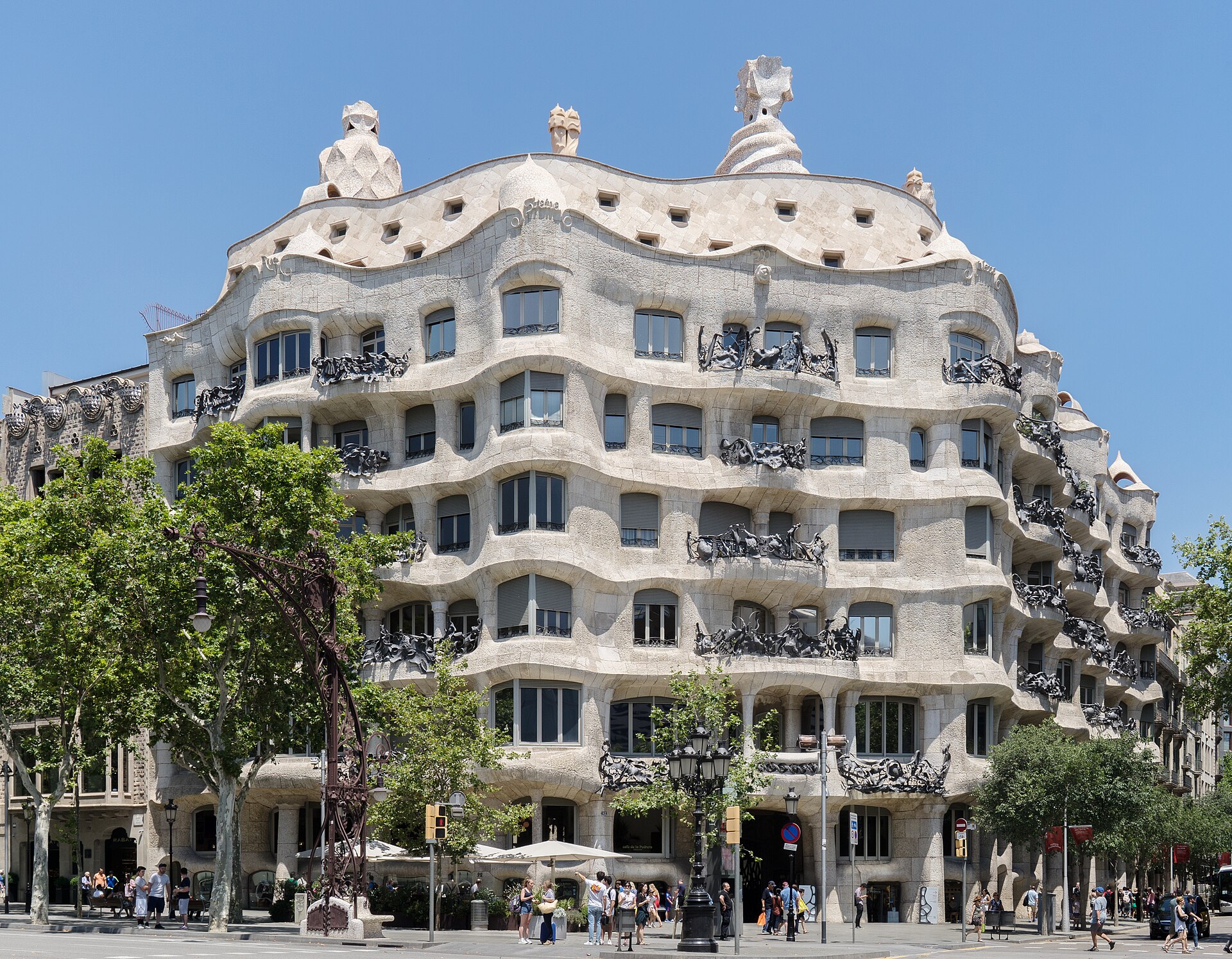
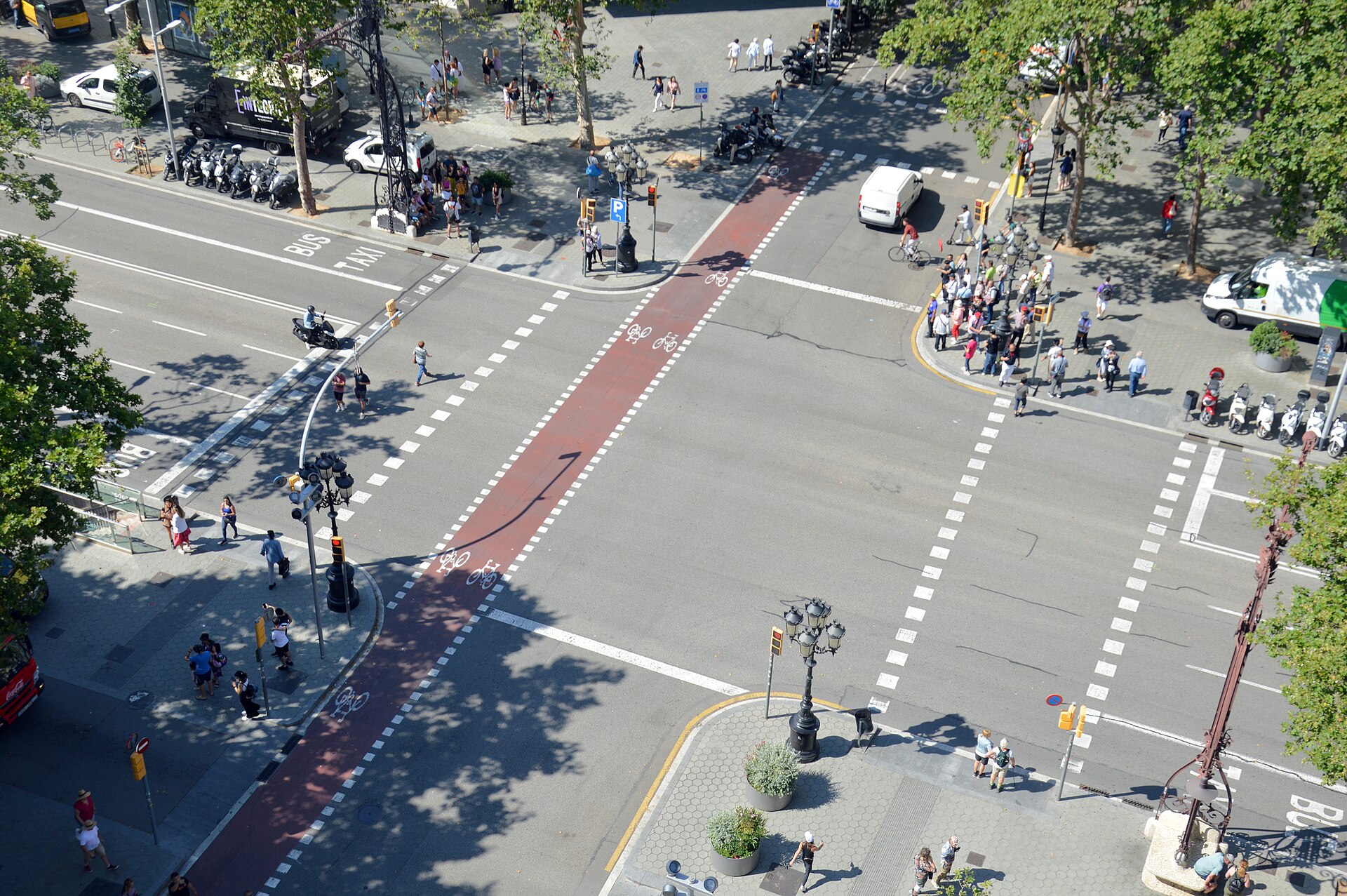
The Eixample (“Expansion”) is the grid district designed by Cerdà, and it contains Barcelona’s most famous buildings. The Passeig de Gràcia axis alone offers Casa Batlló (€35, worth it for the immersive audiovisual tour), Casa Milà/La Pedrera (€25, the rooftop is the highlight), and the ‘Block of Discord’, three competing modernist facades from Gaudí, Domènech i Montaner, and Puig i Cadafalch.
The Sagrada Família is a 20-minute walk east. Book tickets online at least two weeks ahead — they sell out. The €26 basic ticket includes an audioguide; the €36 tower ticket adds elevator access to one of the towers. Arrive early morning or late afternoon for the best stained glass light effects (morning = warm colours on the east nave, afternoon = cool blues on the west). Allow 90 minutes minimum inside.
Gràcia
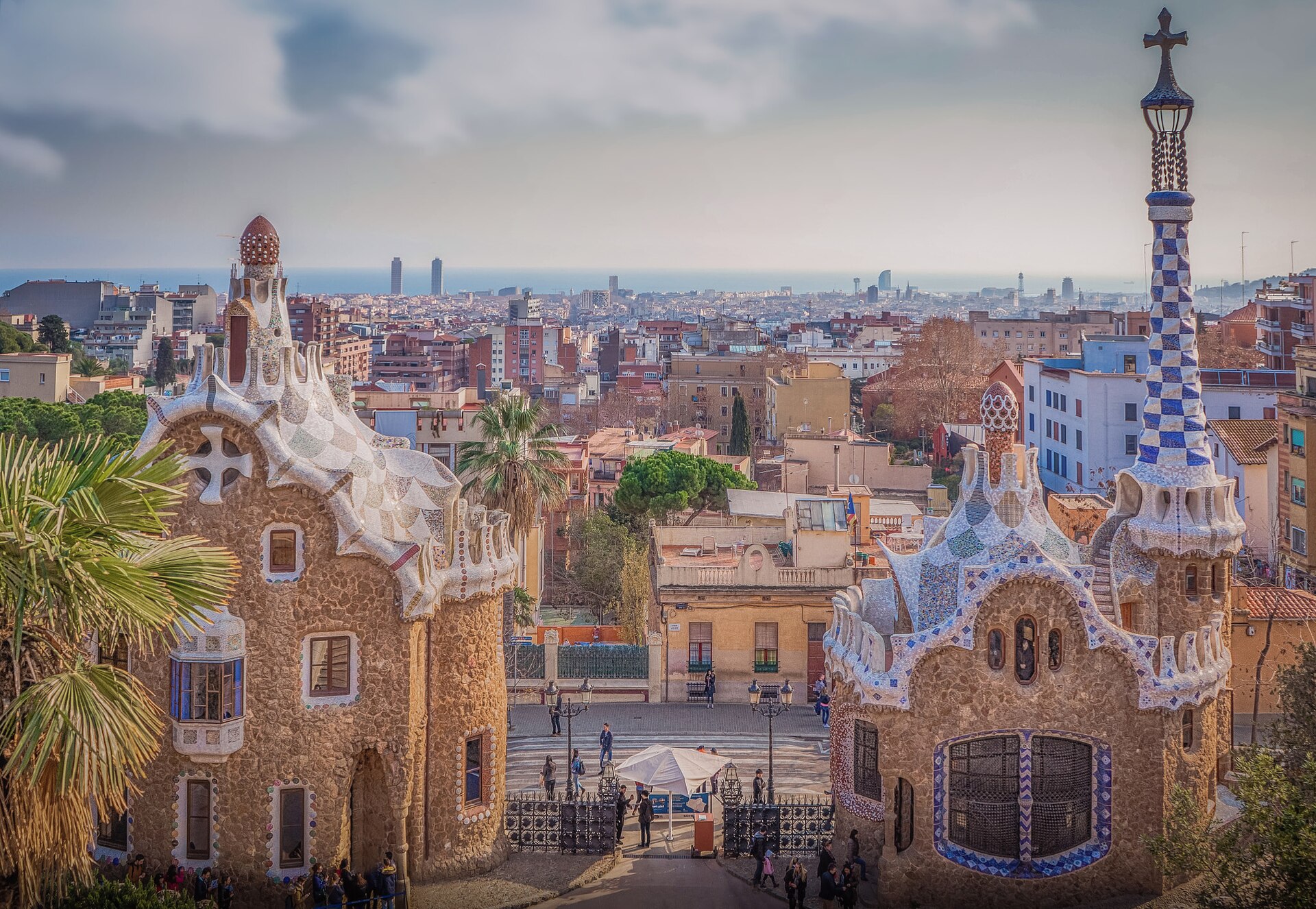
Gràcia was an independent village until 1897, and it still feels like one: narrow streets, neighbourhood plaças where families gather in the evening, and an absence of the tourist infrastructure that defines the Gothic Quarter. This is where Barcelona lives on weekday evenings: vermouth bars that open at noon, independent cinemas, and restaurants where the menu is only in Catalan.
Park Güell sits at the top of Gràcia. The monumental zone (Gaudí’s mosaic terraces and the famous lizard) requires a timed ticket (€10, book online). The free zone, the park’s wooded hillside. Offers equally good views of the city and is where locals come to run, picnic, and watch the sunset. Go for the free zone at golden hour; do the ticketed zone first thing in the morning.
Barceloneta & the Waterfront
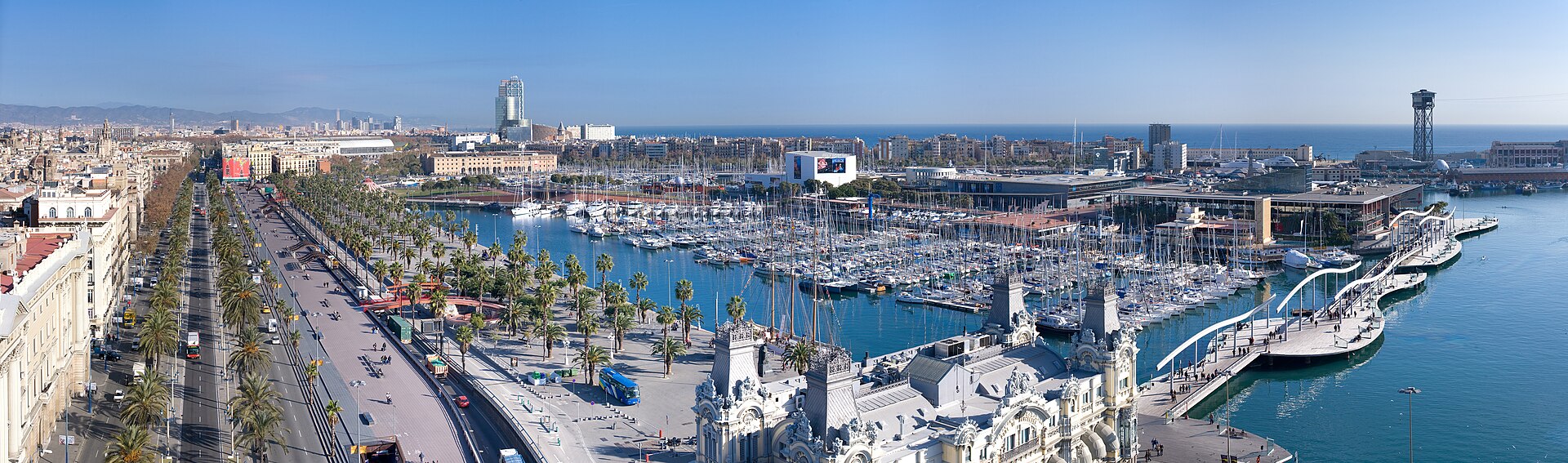
Barceloneta is a former fishing village compressed between the port and the beach. The streets are tight, the laundry hangs between buildings, and the restaurants serve some of the best seafood in the city, if you know where to look. Avoid the beachfront tourist restaurants; instead, walk two blocks inland to places like La Cova Fumada (no sign, cash only, the original bomba potato croquette) or Can Paixano (cava and sandwiches standing at the bar, chaotic and excellent).
The beach itself stretches 4.5 km from Barceloneta to the Forum. It is a man-made beach created for the 1992 Olympics and it serves its purpose — clean, well-maintained, lifeguarded. Peak summer weekends are extremely crowded; weekday mornings or September visits are better. Watch for petty theft on the sand.
Food: Markets, Tapas & Wine
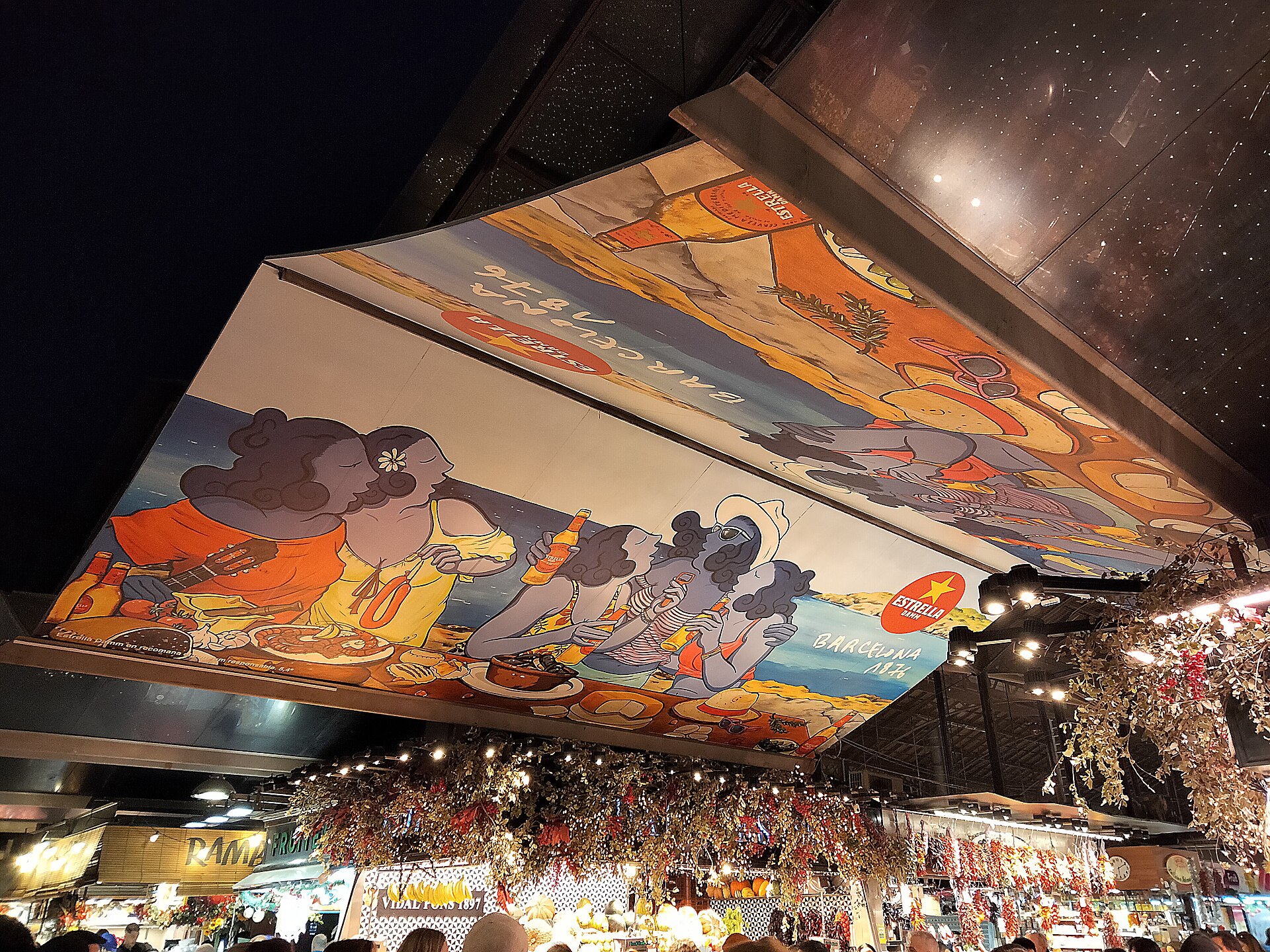
La Boqueria (off La Rambla): Barcelona’s most famous market, and genuinely worth visiting despite the tourist reputation, but go early (before 10 a.m.) and head to the back stalls, not the front-row juice stands. The counter at Bar Pinotxo is a Barcelona institution. Mercat de Sant Antoni is the locals’ alternative: beautifully renovated, excellent food stalls, and a Sunday book market outside.
Tapas in Barcelona is technically ‘pintxos’ in many places, the Basque influence is strong. The best concentration is on Carrer Blai in Poble Sec: a full street of pintxos bars where each bite costs €1.50-3. For sit-down tapas, Cal Pep (El Born), Cervecería Catalana (Eixample), and Quimet & Quimet (Poble Sec, standing room only) are the benchmarks.
Wine: Catalunya produces cava (the sparkling wine), Priorat reds (powerful, expensive), and Penedès whites. A glass of house wine in a neighbourhood bar is €2.50-4. Vermouth: served on ice with an olive and a slice of orange. Is the pre-lunch ritual, especially in Gràcia and Poble Sec.
Day Trips
Montserrat (60 km, 1 hour by train + rack railway): A Benedictine monastery perched on a serrated mountain that looks like it belongs in a fantasy novel. The Black Madonna, the boys’ choir (daily at 1 p.m. Except July), and the hiking trails to Sant Joan summit. Take the FGC train from Plaça Espanya (R5 line, combined ticket with rack railway ~€22 return).
Girona (100 km, 38 minutes by AVE high-speed train): A good medieval city with a Jewish Quarter, a cathedral with the widest Gothic nave in the world, and the colourful houses along the Onyar River that appear in every Catalonia tourism campaign. Easily done as a half-day trip. Costa Brava: Tossa de Mar and Calella de Palafrugell for beaches that look like they belong on a Greek island, 90 minutes by bus from Barcelona.
Getting Around
Metro: Six lines covering most tourist areas. Single ride €2.40, T-Casual 10-trip card €11.35. Runs 5 a.m. To midnight (24 hours on Saturdays). Walking: Barcelona is extremely walkable, most attractions in the central area are within 30 minutes of each other on foot. Bus: The V13 and V15 lines run the waterfront. The Aerobus connects the airport to Plaça Catalunya every 5 minutes (€7.75 single). Bicycle: The Bicing bike-share is residents-only, but rental shops are everywhere. The beachfront cycle path is flat and scenic.
Realistic Budget Breakdown
| Item | Daily Cost (Budget / Mid-Range) |
|---|---|
| Accommodation | €20-35 (hostel) / €90-180 (boutique hotel) |
| Food | €15-25 (markets + pintxos) / €40-70 (restaurants + wine) |
| Transport | €5-10 (metro) / €15-25 (metro + occasional taxi) |
| Attractions | €25-40 (Sagrada Família + one Gaudí house) |
| Tourist tax | €4/night |
| DAILY TOTAL | €69-114 budget / €174-319 mid-range |
Things Nobody Tells You
Pickpockets are professional. La Rambla, the Metro, and Barceloneta beach are the hot zones. Use a cross-body bag with zippers. Phone-snatching on mopeds happens. Keep your phone in your front pocket or hold it with both hands.
Lunch is the main meal. The ‘menú del día’ (set lunch menu) is the best value in the city: three courses plus bread and a drink for €12-18 at neighbourhood restaurants. Available roughly 1-3:30 p.m. Dinner rarely starts before 9 p.m.
Catalan is not Spanish. Signs, menus, and metro announcements are in Catalan first. Locals appreciate a ‘bon dia’ (good morning) or ‘gràcies’ (thank you). Speaking Spanish is fine everywhere, but acknowledging Catalan identity matters.
Sunday closures are real. Most shops close on Sundays. Supermarkets close or have reduced hours. Plan your shopping and supplies for Saturday. Restaurants stay open but may be busier.
Frequently Asked Questions
Is Barcelona worth visiting despite overtourism?
Yes. The city has implemented crowd-management measures that have improved the experience: timed entry at major attractions, reduced cruise ship passengers, and frozen short-term rental licences. The key is to stay in Gràcia, Poble Sec, or Sant Antoni rather than the Gothic Quarter, and to explore beyond La Rambla.
How many days do you need in Barcelona?
Four days is the sweet spot: one for the Gothic Quarter and El Born, one for Gaudí and the Eixample, one for Gràcia, Barceloneta, and the food markets, and one for a day trip to Montserrat or Girona. Three days works if you skip the day trip.
Is Barcelona expensive?
When is the best time to visit Barcelona?
May-June and September-October offer the best balance of weather, manageable crowds, and reasonable prices. July-August is hot (30-35°C), crowded, and expensive. Winter (December-February) is mild (10-15°C), quiet, and the cheapest season.
Do I need to book Sagrada Família tickets in advance?
Yes, absolutely. Tickets sell out days to weeks in advance, especially for tower access. Book on the official website at least two weeks ahead. Morning slots (9-10 a.m.) and late afternoon (5-6 p.m.) have the best light.
More from Packzup
Still deciding on Barcelona?
More guides: Barcelona airport to city center
Best time to visit Barcelona (real climate data)
Best months: May, June, July, August, September, October.
Barcelona’s warmest month is August (avg 29°C / 84°F), the coolest is January (low 4°C / 39°F). The wettest is September (89 mm) and the driest is January.
Source: Open-Meteo ERA5 climate normals (2019–2023). See the full month-by-month weather →
You Might Also Love

Written by
Founder of Packzup. Independent travel writer covering offbeat destinations across six continents since 2018. Every guide is independently researched and self-funded — no press trips, never sponsored.
Before you go: see whether they speak English in Barcelona and what to wear, check the tap water, sort your mobile data, and find out if it is a cash or card destination, and brush up on local etiquette.
Still deciding? Read our honest take: Is Barcelona worth visiting? The honest verdict
Wondering about safety? Read the honest answer: Is Barcelona safe in 2026?