
Last updated August 27, 2026 · Editorial policy
- India like a local: the smart route, regions & food
- India Travel Guide FAQ
- Plan Your India Trip
- Quick Facts
- Best Time to Visit India
- Visa & Entry Requirements
- Where to Go: Top Destinations
- Getting Around India
- Budget Breakdown
- Indian Food: A Region-by-Region Guide
- Safety & Health Tips
- Suggested Itineraries
- More Travel Guides You’ll Love
- Frequently Asked Questions
- More India & Asia Guides on Packzup
- More from Packzup
- Frequently Asked Questions
India is overwhelming in the best way. Over 1.4 billion people, 22 official languages, terrain stretching from Himalayan peaks to tropical beaches, and a food scene that changes every 100 kilometres. This guide covers the practical details you actually need: real costs, tested routes, visa rules, and the things we wish someone had told us before our first trip.
Everything below is based on current prices and conditions as of early. We list foreigner prices for monuments (Indian nationals pay significantly less) and quote budget figures in both INR and USD.
India like a local: the smart route, regions & food
The classic first route
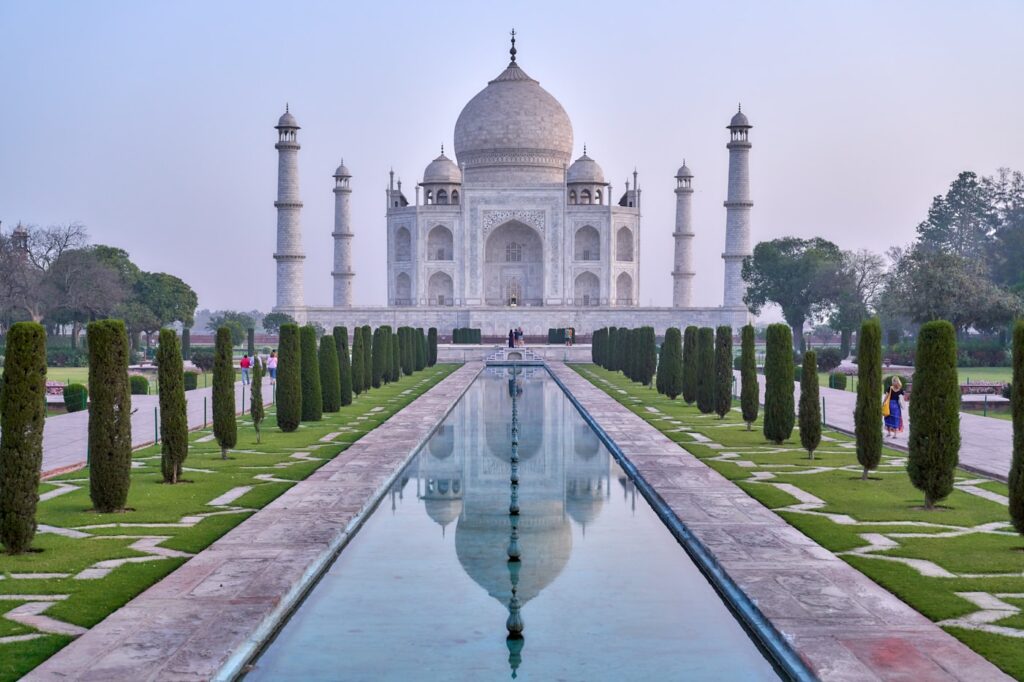
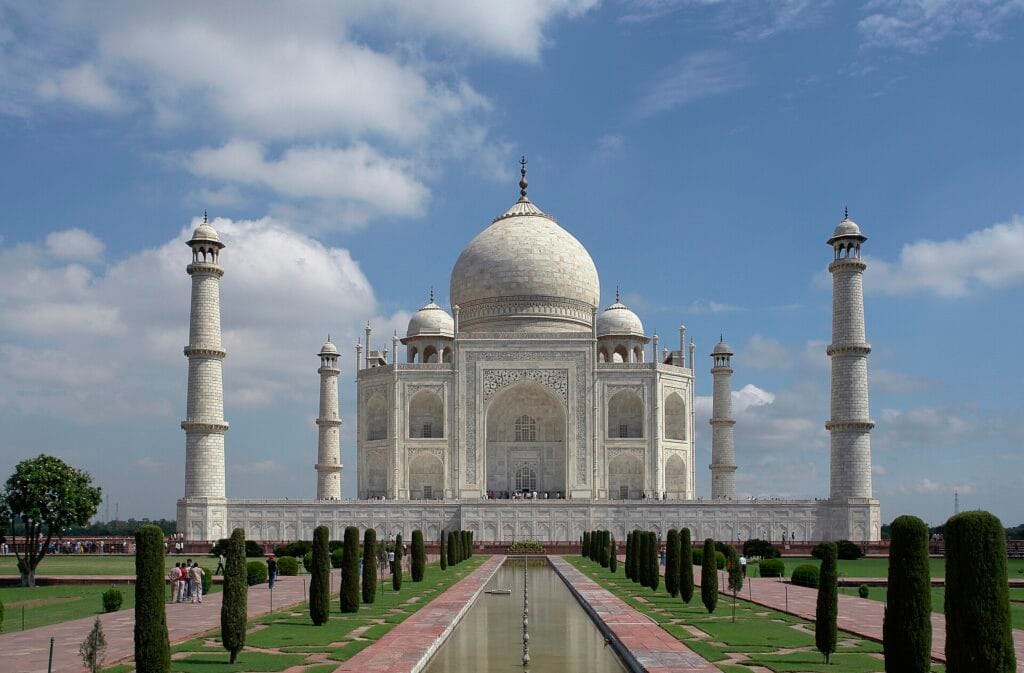
The Golden Triangle: Delhi → Agra (the Taj Mahal at sunrise) → Jaipur (Rajasthan’s pink city), easily done in 6–8 days. Extend with Udaipur (lake palaces) and Varanasi (the Ganges).
Regions by mood
Rajasthan for forts and palaces; Kerala for backwaters and calm; Goa for beaches; the Himalayas (Rishikesh, Ladakh) for mountains.
Food to chase
It varies hugely by region — rich Mughlai curries in the north, dosas and coconut curries in the south, street chaat everywhere. Eat at busy vegetarian spots and drink bottled water.
When to go
October–March (cool, dry) for most of the country; avoid the summer heat and monsoon (Jun–Sep).
Budget
$25–50/day. Hire a car-and-driver for the Golden Triangle (affordable, easier than self-driving), carry small rupee notes, and pace yourself — India rewards depth over rushing.
India Travel Guide FAQ
What’s the best India itinerary for first-timers?
The Golden Triangle — Delhi, Agra (Taj Mahal) and Jaipur — in 6–8 days, plus Udaipur or Varanasi.
When is the best time to visit India?
October–March (cool, dry); avoid the summer heat and June–September monsoon.
Plan Your India Trip
Quick Facts
- Capital: New Delhi
- Currency: Indian Rupee (₹). ₹1 USD ≈ ₹83–85
- Languages: Hindi and English widely spoken; 22 official languages total
- Time zone: IST (UTC +5:30), one zone for the entire country
- Power: 230V, Type C/D/M sockets. Carry a universal adapter
- Tipping: Not mandatory. 10% at sit-down restaurants is appreciated
- SIM card: Airtel or Jio tourist SIM at the airport (₹500–700 for 28 days, ~2 GB/day)
Best Time to Visit India
India is a year-round destination, but the best window depends on where you’re heading.
October, March (Peak Season)
The most comfortable period for most of India. Delhi, Rajasthan, and the Golden Triangle enjoy cool, dry weather (15–25°C). Kerala and Goa are warm without the monsoon humidity. This is peak tourist season. Book accommodation 2–3 months ahead for Jaipur, Udaipur, and Goa.
April: June (Summer)
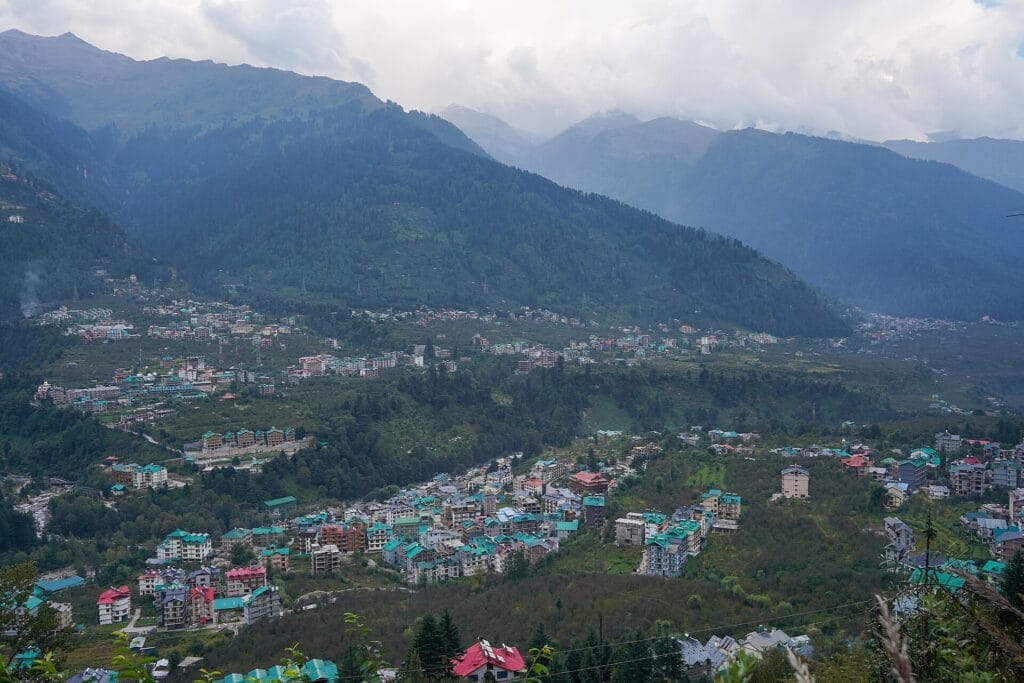
Plains get extremely hot (40–45°C in Delhi and Rajasthan). This is the best time for hill stations: Manali, Shimla, Dharamshala, and Ladakh (Leh–Manali Highway opens mid-June). Prices drop 30–50% in Rajasthan and Goa.
July, September (Monsoon)
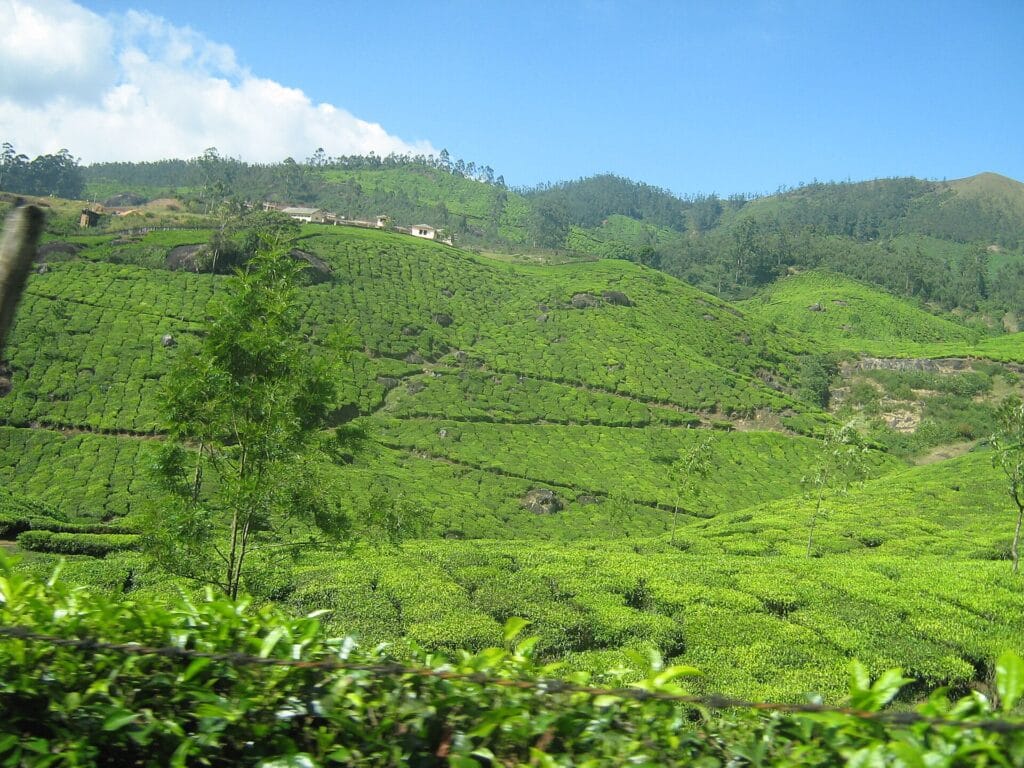
Heavy rains across most of the country. Kerala’s Ayurvedic season peaks now (resorts offer monsoon packages at 40% off). Meghalaya and the Northeast see dramatic waterfalls. Avoid trekking in Himachal and Uttarakhand due to landslide risk.
Visa & Entry Requirements
Most nationalities need a visa. The e-Visa is the easiest route for tourists from 160+ eligible countries.
- e-Tourist Visa (30 days): $25 for most nationalities. Apply at indianvisaonline.gov.in at least 4 days before travel
- e-Tourist Visa (1 year, multiple entry): $40
- e-Tourist Visa (5 years, multiple entry): $80
- Processing time: 72 hours typically; apply 2 weeks early to be safe
- Requirements: Passport valid 6+ months, blank page, return/onward ticket, passport-size photo
- On arrival: Biometrics at immigration. Keep a printout of your e-Visa approval
Note: Citizens of Japan, South Korea, and UAE can get visa on arrival for 60 days. UK, US, Canadian, and Australian passport holders use the e-Visa. Check the official BLS/VFS website for your country’s specific requirements.
Where to Go: Top Destinations
🏛 Delhi: The Chaotic Capital (2–3 Days)
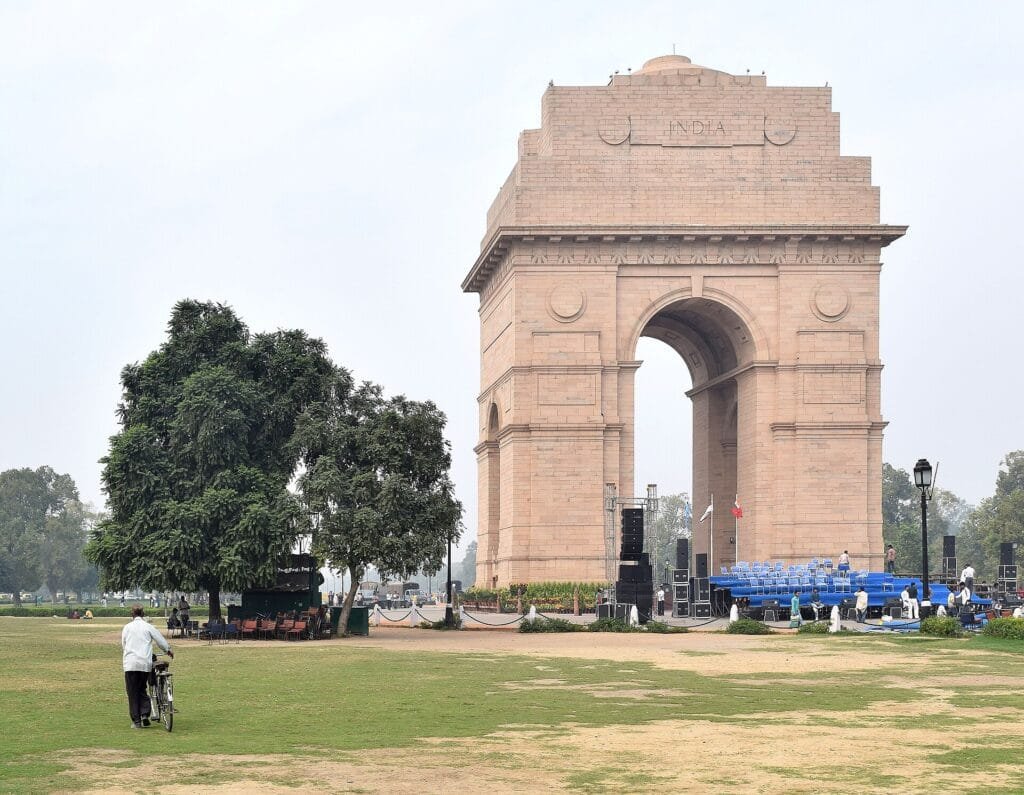
Delhi is where most international flights land and the starting point for the Golden Triangle. Old Delhi’s Mughal-era lanes contrast sharply with New Delhi’s wide boulevards and colonial architecture.
Popular sights:
- Red Fort (Lal Qila): Mughal emperor Shah Jahan’s 1648 sandstone fortress. Entry ₹500 for foreigners, ₹35 for Indians. Closed Mondays
- Qutub Minar: 73-metre 12th-century victory tower in Mehrauli. Entry ₹600 foreigners. The iron pillar in the courtyard has resisted rust for 1,600 years
- Humayun’s Tomb: The architectural precursor to the Taj Mahal, built in 1570. Entry ₹600 foreigners. Less crowded than the Taj and equally photogenic
- Jama Masjid: India’s largest mosque, built 1656. Free entry (camera fee ₹300). Remove shoes, women must cover shoulders
- Chandni Chowk: Old Delhi’s 17th-century market street. Go for the street food, paranthas at Paranthe Wali Gali, jalebi at Old Famous Jalebi Wala
Where to stay: Paharganj (budget, ₹500–1,500/night), Karol Bagh (mid-range, ₹2,000–4,000), Connaught Place (upscale, ₹5,000+). The Delhi Metro connects all major areas. Buy a Tourist Card (₹500 for 3 days unlimited rides).
Skip-the-line tickets, guided walks, and day trips, all with free cancellation.
Browse Delhi Tours →
🕌 Agra: The Taj Mahal & Beyond (1–2 Days)
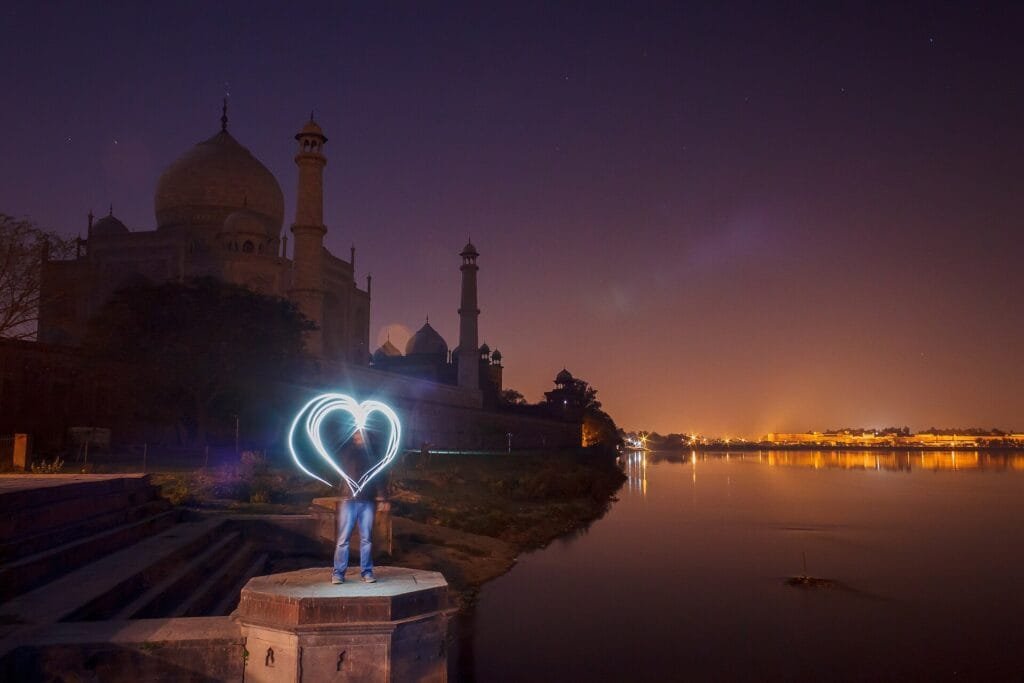
Most travellers visit Agra as a day trip from Delhi (3 hours by Gatimaan Express) or a stop on the Golden Triangle. But staying overnight lets you see the Taj at sunrise without the crowds.
- Taj Mahal: Entry ₹1,100 for foreigners (includes ₹200 ASI fee + ₹200 ADA fee). Open sunrise to sunset, closed Fridays. Arrive at the east gate by 6:00 AM for the shortest queue
- Agra Fort: Massive red sandstone Mughal fortress 2.5 km from the Taj. Entry ₹600 foreigners. Shah Jahan was imprisoned here with a view of the Taj
- Fatehpur Sikri: Abandoned Mughal capital 37 km from Agra. Entry ₹600 foreigners. The Buland Darwaza (Gate of Magnificence) is 54 metres tall
- Mehtab Bagh: Garden across the river with the classic Taj sunset view. Entry ₹300 foreigners
Tip: Buy the Taj Mahal ticket online at asi.payumoney.com to skip the ticket queue. The ticket price includes a 500ml water bottle and shoe covers.
Skip-the-line tickets, guided walks, and day trips, all with free cancellation.
Browse Agra Tours →
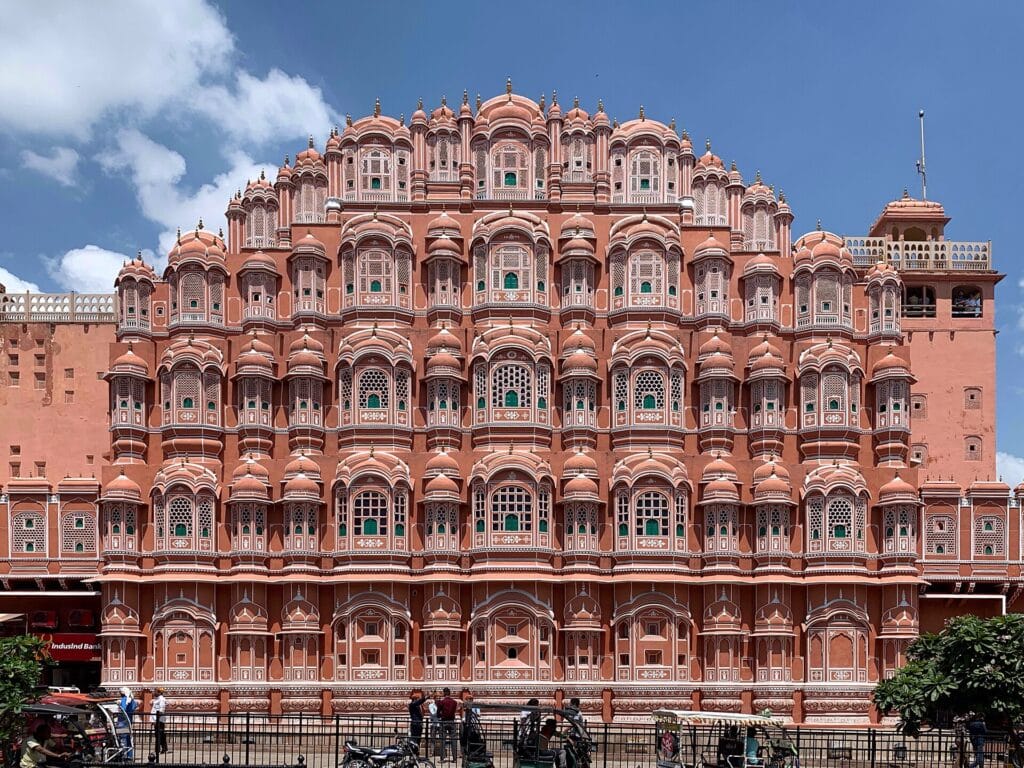
🏰 Jaipur: The Pink City (2–3 Days)
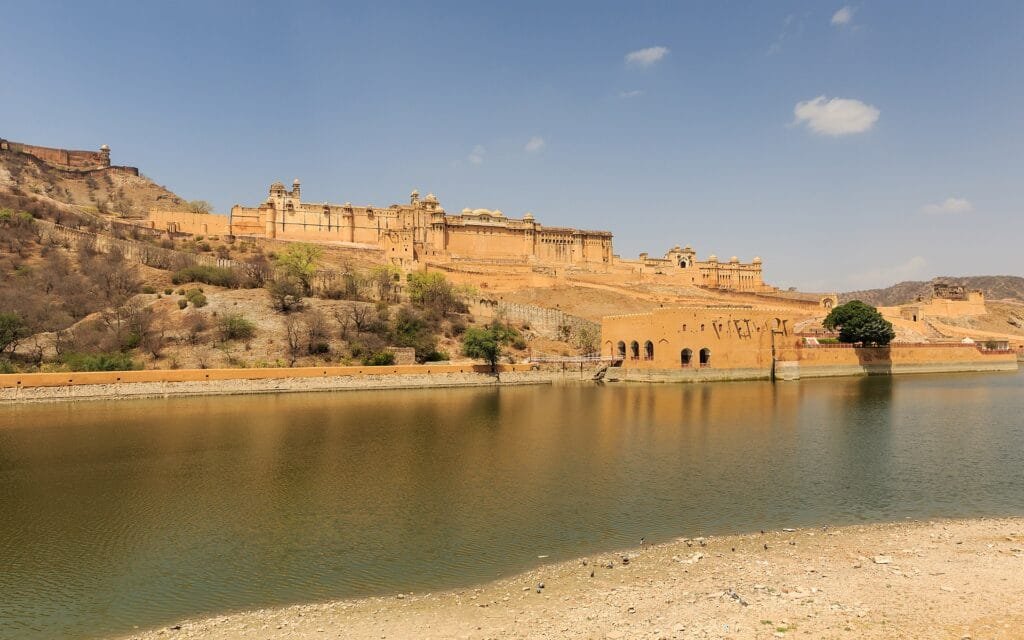
Jaipur completes the Golden Triangle and is the gateway to wider Rajasthan. The old city walls are genuinely pink — painted terracotta for Prince Albert’s 1876 visit and maintained by law since.
- Amber Fort: Hilltop Rajput fortress 11 km from the city. Entry ₹500 foreigners. The Sheesh Mahal (Mirror Palace) inside is extraordinary. Skip the elephant rides. Take a jeep (₹400) instead
- Hawa Mahal: The famous 1799 ‘Palace of Winds’ with 953 small windows. Entry ₹200 foreigners. Best photographed from the cafés across the street
- City Palace: Still partially a royal residence. Entry ₹500 foreigners. The textile gallery and armoury are highlights
- Nahargarh Fort: Overlooking the city with panoramic sunset views. Entry ₹200 foreigners. Combine with Jaigarh Fort nearby
- Jantar Mantar: UNESCO-listed 18th-century astronomical observatory. Entry ₹200 foreigners. The giant sundial is accurate to 2 seconds
Composite ticket: Buy the Jaipur composite ticket (₹1,000 foreigners) at any major monument: it covers Amber Fort, Hawa Mahal, Jantar Mantar, Nahargarh Fort, and the Albert Hall Museum. Valid for 2 days. Saves ₹600+ if you visit all five.
Skip-the-line tickets, guided walks, and day trips, all with free cancellation.
Browse Jaipur Tours →
🛕 Varanasi: India’s Spiritual Heart (2–3 Days)
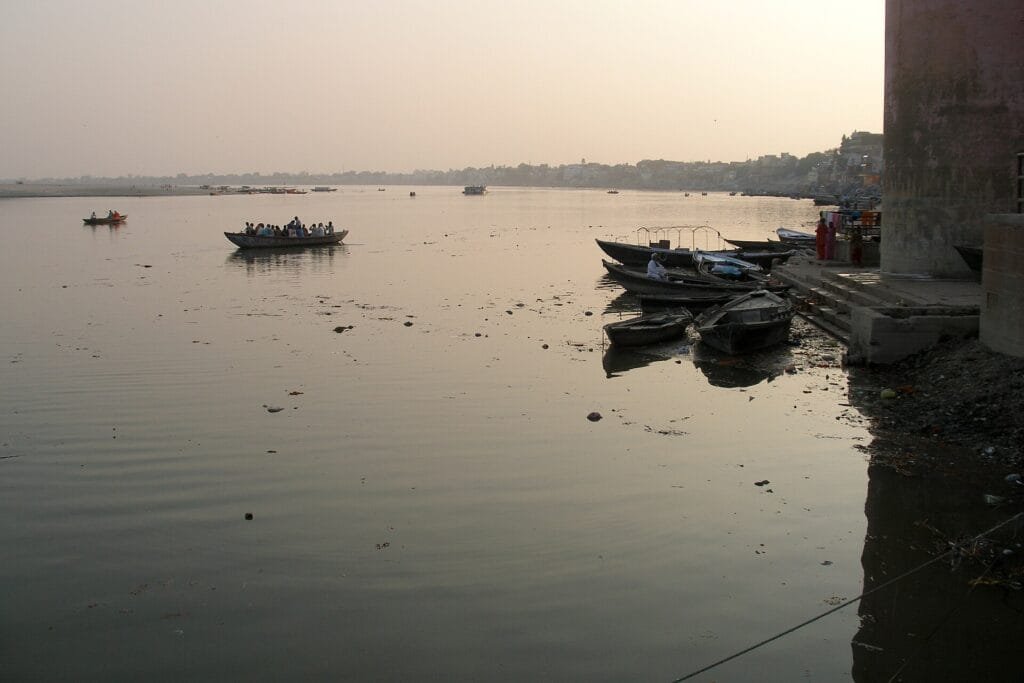
Varanasi (Banaras) is one of the world’s oldest continuously inhabited cities, sacred to Hindus as the city of Lord Shiva. The ghats along the Ganges are the city’s living room. People bathe, pray, cremate, and do laundry all within sight of each other.
- Dashashwamedh Ghat: The main ghat where the nightly Ganga Aarti ceremony happens at 6:45 PM (7 PM in summer). Arrive 30 minutes early for a front-row spot. Free to watch from the steps
- Sunrise boat ride: Hire a shared boat (₹100–150/person) or private (₹400–600) for 1–1.5 hours along the ghats at dawn. This is the essential Varanasi experience
- Kashi Vishwanath Temple: One of the 12 Jyotirlingas, rebuilt in 1780. Free entry. The new Kashi Vishwanath Corridor (opened) transformed access. Expect security screening and queues
- Manikarnika Ghat: The main cremation ghat. You can observe respectfully from a distance. No photography. Ignore anyone who asks for ‘wood donations’, it’s a well-known scam
- Sarnath: 10 km from Varanasi. Where the Buddha gave his first sermon. The Dhamek Stupa and museum (₹300 foreigners) are worth 2–3 hours
🏖 Goa: Beaches, Churches & Seafood (3–5 Days)
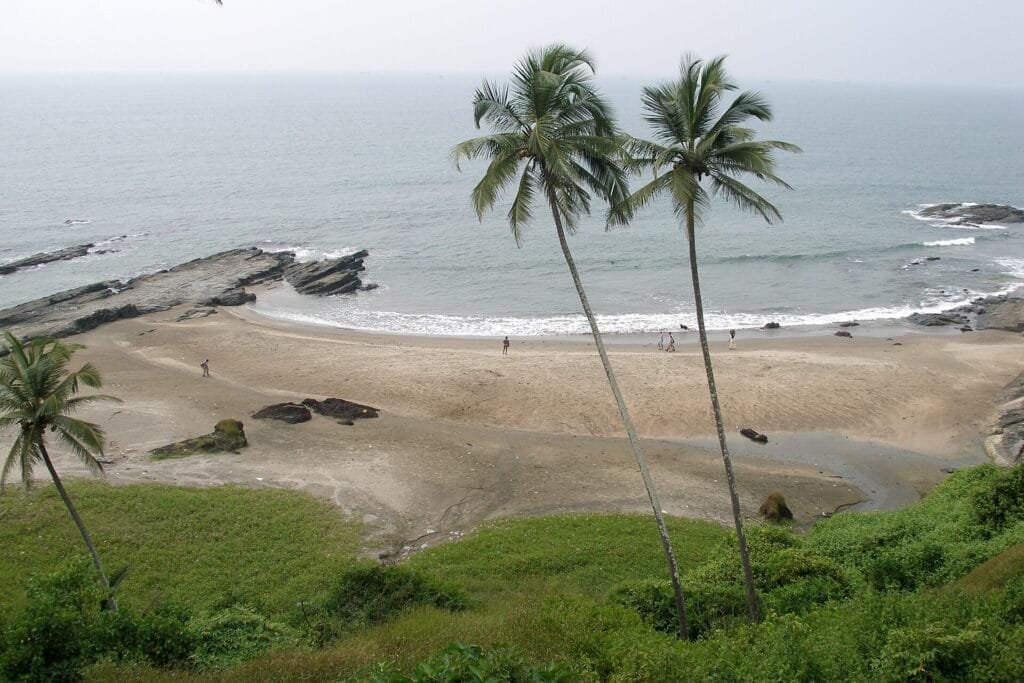
India’s smallest state packs in Portuguese colonial heritage, palm-lined beaches, and a food scene that blends Konkani and Portuguese cooking.
North Goa is livelier — markets, nightlife, and backpacker hostels
- Anjuna: Wednesday flea market, beachside cafes, trance music heritage
- Vagator: Dramatic red cliffs, Chapora Fort (the ‘Dil Chahta Hai’ fort). Sunset views
- Calangute & Baga: Busiest beaches with water sports. More commercial but convenient
South Goa is quieter: boutique stays and cleaner beaches
- Palolem: Crescent-shaped beach with calm water. Beach huts from ₹1,500/night
- Agonda: Even quieter than Palolem. Olive Ridley turtle nesting site (Nov–Mar)
- Cabo de Rama Fort: Ruined fort with wild, empty beaches below. Barely any tourists
Old Goa: Don’t miss the Basilica of Bom Jesus (1605, UNESCO World Heritage, holds St. Francis Xavier’s remains) and Sé Cathedral. Both are free entry.
Budget: Beach hut ₹1,500–3,000/night, scooter rental ₹300–400/day, fish thali at a local joint ₹150–250. Goa is one of India’s more affordable coastal destinations.
🌴 Kerala: Backwaters, Spices & Ayurveda (4–6 Days)
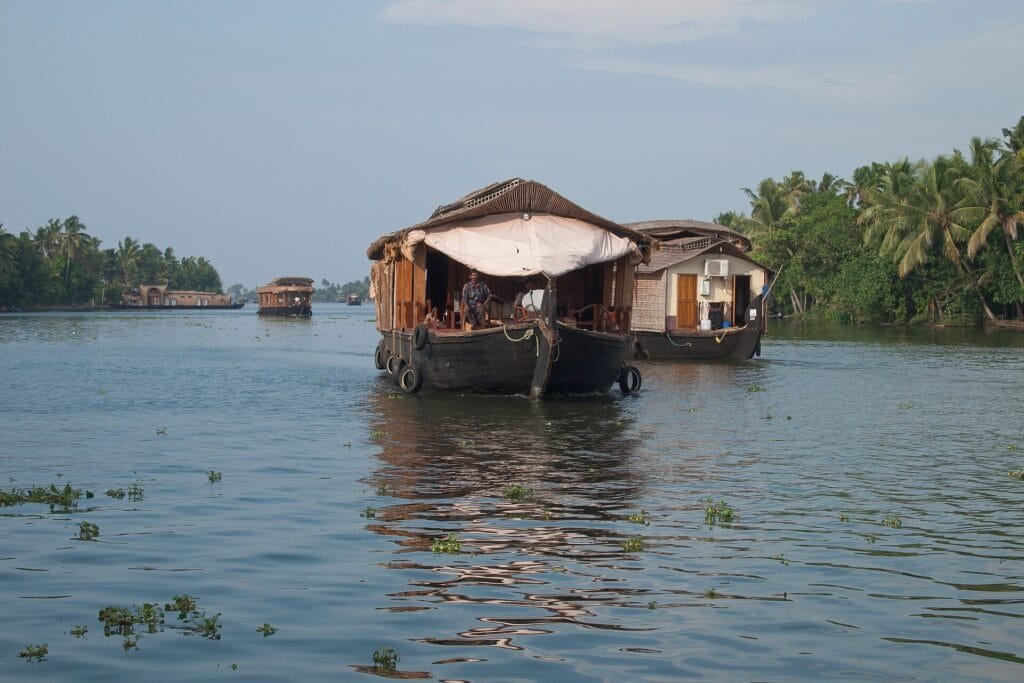
Kerala regularly tops India tourism lists for good reason: the backwaters are genuinely unique, the food is excellent, and it has India’s highest literacy rate. English is widely spoken.
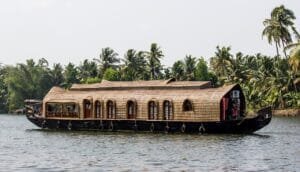
- Alleppey (Alappuzha) Backwaters: The signature Kerala experience. Houseboats range from ₹6,000/night (basic, 1 bedroom) to ₹25,000+ (luxury AC with upper deck). Book directly at the jetty for better rates than online. The route passes through rice paddies, coconut groves, and small villages
- Fort Kochi: Chinese fishing nets, spice markets, and a Jewish synagogue (1568). Walk through the streets to see Kerala’s multicultural layers, Portuguese, Dutch, British, Jewish, and Muslim heritage side by side
- Munnar: Hill station at 1,600m with rolling tea plantations. Visit the Kolukkumalai Tea Estate (the world’s highest-elevation tea plantation). Mornings are cool (10–15°C). Best Oct–Mar
- Periyar Wildlife Sanctuary (Thekkady): Boat safari on Periyar Lake with chances of seeing wild elephants. Entry ₹450 foreigners + ₹225 boat ticket
- Varkala: Cliffs overlooking the Arabian Sea with a much quieter vibe than Goa. North Cliff area has restaurants and guesthouses from ₹1,200/night
Food highlight: Kerala’s breakfast of appam (lacy rice pancake) with vegetable stew is one of India’s great meals. A sadya (vegetarian feast on a banana leaf) costs ₹200–400 at local restaurants.
Skip-the-line tickets, guided walks, and day trips, all with free cancellation.
Browse Kerala Tours →
🌉 Mumbai: Bollywood, Street Food & Colonial Grandeur (2–3 Days)
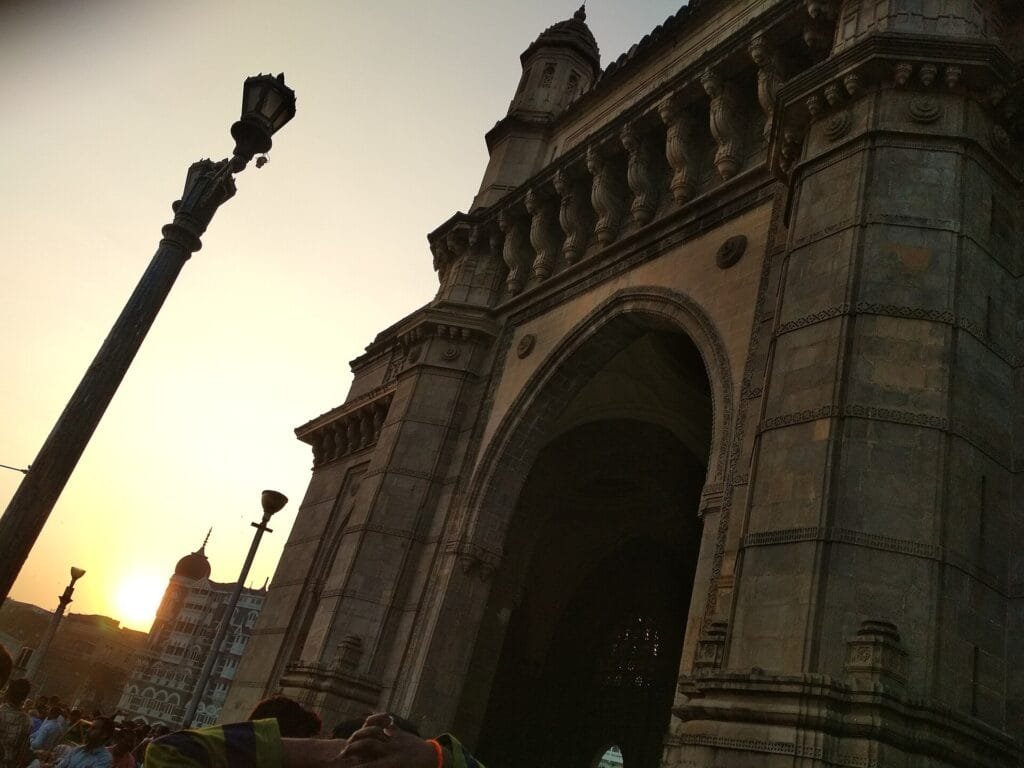
India’s financial capital moves faster than anywhere else in the country. The contrast between the Art Deco seafront and the dense inner-city bazaars is Mumbai’s defining character.
- Gateway of India: The 1924 basalt arch on the waterfront. Free. From here, catch a ferry to Elephanta Caves (1 hour, ₹250 return ferry + ₹600 cave entry for foreigners). The 6th-century rock-cut Shiva temples are a UNESCO site
- Marine Drive: The curved 3.6 km seafront promenade (the ‘Queen’s Necklace’ at night). Best at sunset. Walk south to Nariman Point
- Chhatrapati Shivaji Maharaj Terminus: The Victorian Gothic railway station (UNESCO). Still a working station — step inside during off-peak hours to see the vaulted ceilings
- Dharavi: One of Asia’s largest informal settlements and a $1 billion economy. Book a walking tour with Reality Tours (₹1,200/person, 80% of profits fund local schools). No photography of residents without consent
- Colaba Causeway: Shopping street near the Taj Mahal Palace Hotel. Bargain hard: opening prices are typically 3–4x the real price
Street food: Vada pav (₹15–30) is Mumbai’s burger. Pav bhaji at Juhu Beach (₹60–80). Kebabs at Mohammad Ali Road during Ramadan season.
🏜 Rajasthan Beyond Jaipur: Udaipur, Jodhpur & Jaisalmer
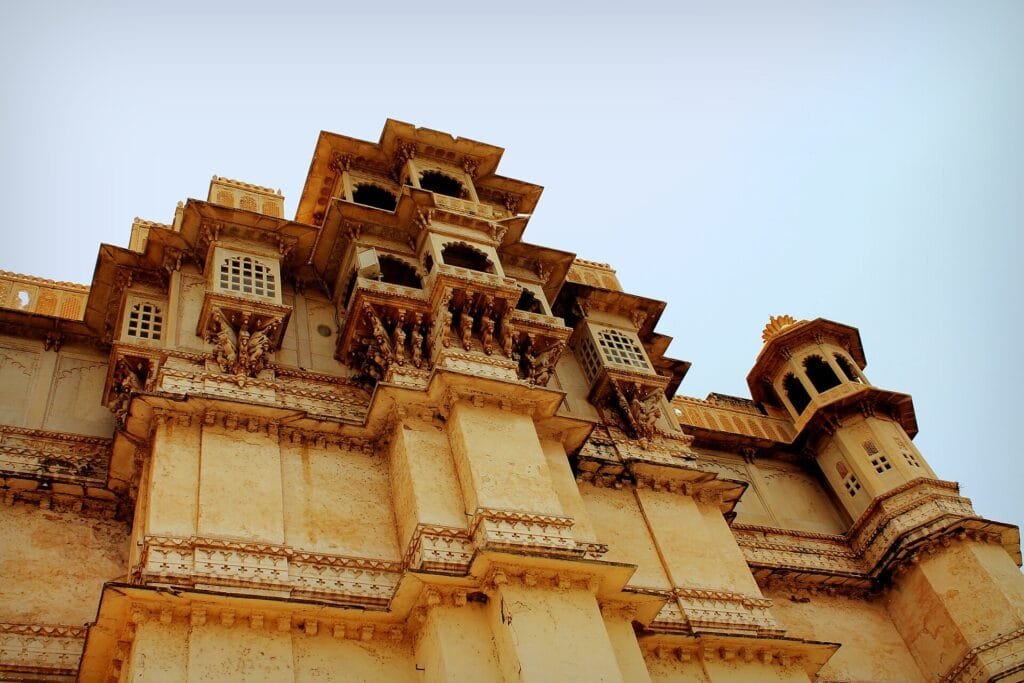
Rajasthan is worth at least 10–14 days if you go beyond the Golden Triangle. The three cities below form a natural westward loop from Jaipur.
Udaipur (2–3 days): The ‘City of Lakes.’ The City Palace complex is Rajasthan’s largest palace (₹300 foreigners). Watch sunset from a rooftop restaurant overlooking Lake Pichola. A boat ride to Jag Mandir island costs ₹400–800. Budget guesthouses in the old city start at ₹1,000/night.
Jodhpur (2 days): The ‘Blue City.’ Mehrangarh Fort dominates the skyline and is arguably India’s most impressive fort (₹600 foreigners, includes excellent audio guide). The blue-painted Brahmin houses in the old city below the fort are best seen from the fort ramparts. Try pyaaz ki kachori (onion pastry) at Shahi Samosa near the clock tower.
Jaisalmer (2 days): The ‘Golden City’ on the edge of the Thar Desert. Jaisalmer Fort is a living fort. 3,000 people still live inside. Entry ₹500 foreigners. A camel safari into the Sam Sand Dunes (42 km away) costs ₹1,500–3,000/person including dinner and an overnight camp under the stars.
Skip-the-line tickets, guided walks, and day trips, all with free cancellation.
Browse Rajasthan Tours →
⛰ Himachal Pradesh & the Mountains (3–7 Days)
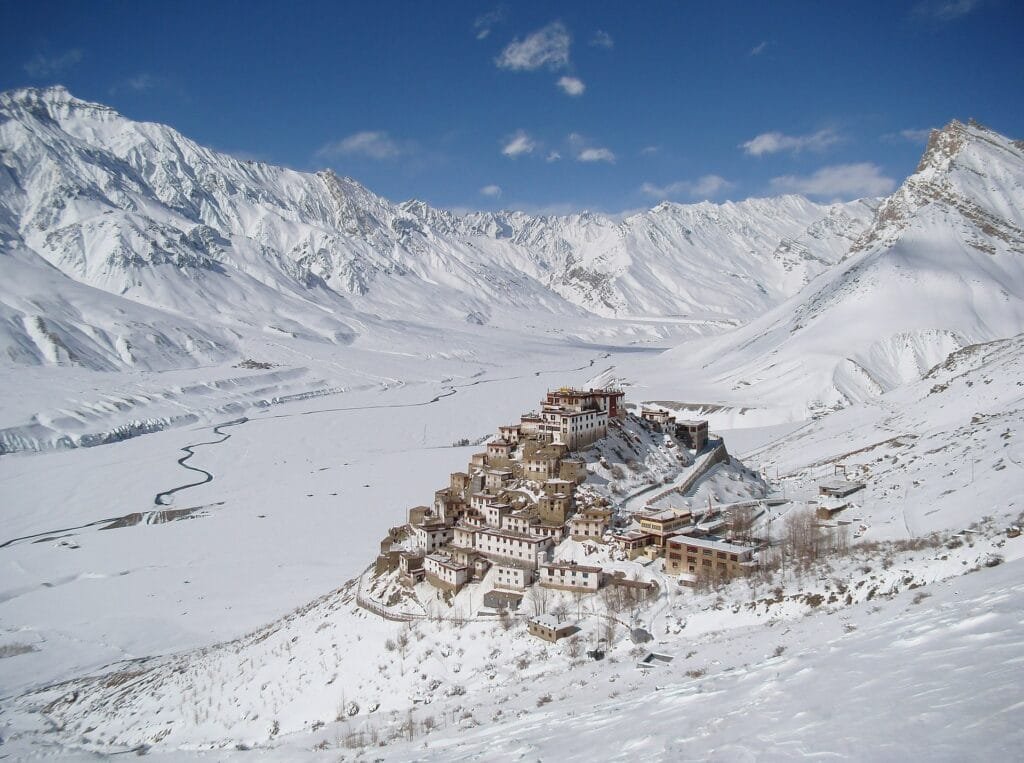
When the plains overheat, head north. Himachal Pradesh is the most accessible Himalayan state, with good bus connections from Delhi.
- Manali: Adventure base camp at 2,050m. Solang Valley for paragliding (₹2,500–4,000) and Rohtang Pass (permits required, ₹550 foreigners). Old Manali has backpacker cafes and guesthouses from ₹800/night
- Dharamshala & McLeod Ganj: Home of the Dalai Lama and the Tibetan government-in-exile. The Tsuglagkhang Complex (Dalai Lama’s temple) is free. Trek to Triund (9 km, moderate) for panoramic Dhauladhar views. Budget rooms from ₹600/night
- Shimla: The former British summer capital. Walk the Mall Road and visit the Viceregal Lodge. The Kalka–Shimla toy train (UNESCO Heritage, 5–6 hours from Kalka) is a classic experience. Book the railcar (₹1,600) for the best seats
- Spiti Valley: For experienced travellers only. The road from Manali opens June–October. Key Monastery, Chandratal Lake, and Dhankar village are otherworldly. No ATMs beyond Kaza. Carry cash
Getting Around India
Trains
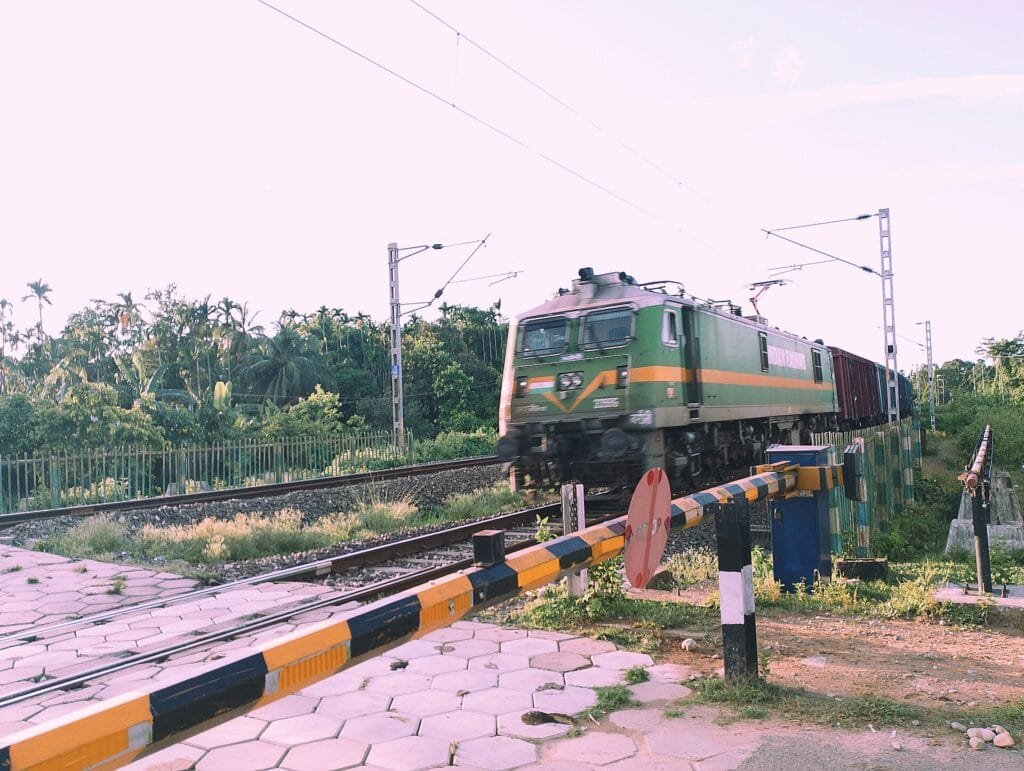
India’s rail network is the backbone of long-distance travel. Book through IRCTC (create an account before your trip, foreign passport works for registration).
- Classes: 1AC (First AC, private cabin), 2AC (curtained berths, good balance of comfort and cost), 3AC (open berths, most popular with budget travellers), Sleeper (no AC, cheapest overnight option), General (unreserved. Avoid for long trips)
- Pricing example: Delhi–Jaipur (5–6 hours): Sleeper ₹250, 3AC ₹700, 2AC ₹1,200
- Tatkal tickets: Released at 10 AM one day before departure for AC classes, 11 AM for non-AC. These sell out in minutes — be logged in and ready
- Vande Bharat Express: India’s newer semi-high-speed trains connecting major routes (Delhi–Varanasi 8 hours, Delhi–Jaipur 2 hours). Book early; these fill fast
Flights
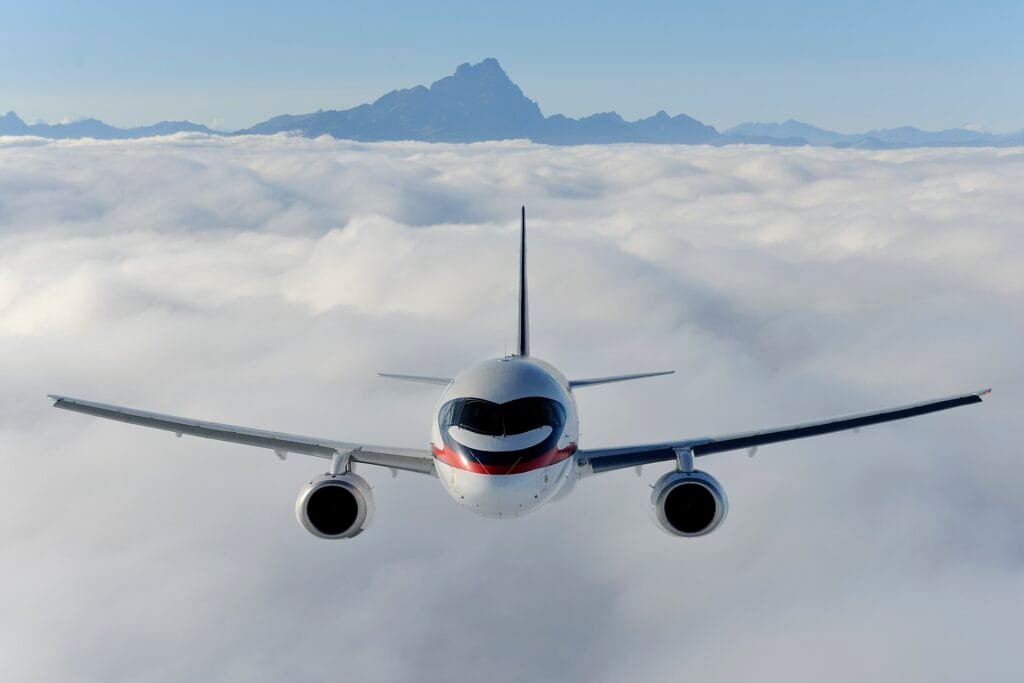
Domestic flights are cheap and save enormous travel time. IndiGo, Air India, SpiceJet, and Akasa Air cover all major routes. Delhi–Goa flights start at ₹3,000–4,500 if booked 2–3 weeks ahead. Use Google Flights or Skyscanner to compare.
Local Transport
- Ola & Uber: Available in all major cities. Always use the app: metered rides are cheaper and safer than negotiating with auto-rickshaw drivers
- Auto-rickshaws: Insist on the meter or agree on a fare before getting in. Delhi autos should use meters; Jaipur autos rarely do
- Metro: Delhi, Mumbai (partially open), Bangalore, Kolkata, Hyderabad, and Jaipur have metro systems. Delhi Metro is the most extensive and tourist-friendly
Budget Breakdown
India is one of the world’s most affordable travel destinations. Here’s what to expect per person per day
| Category | Budget | Mid-Range | Luxury |
|---|---|---|---|
| Accommodation | ₹500–1,500 ($6–18) | ₹3,000–8,000 ($36–96) | ₹12,000+ ($145+) |
| Food | ₹300–600 ($4–7) | ₹800–2,000 ($10–24) | ₹3,000+ ($36+) |
| Transport | ₹200–500 ($2–6) | ₹500–2,000 ($6–24) | ₹3,000+ ($36+) |
| Activities | ₹200–600 ($2–7) | ₹1,000–3,000 ($12–36) | ₹5,000+ ($60+) |
| Daily Total | ₹1,200–3,200 ($15–38) | ₹5,300–15,000 ($64–180) | ₹23,000+ ($275+) |
Money tips: ATMs are everywhere in cities (HDFC and ICICI ATMs are most reliable for foreign cards). Notify your bank before travelling. UPI payments (Google Pay, PhonePe) are ubiquitous. Some international banks now support UPI linkage, but most travellers rely on cash + cards.
Indian Food: A Region-by-Region Guide
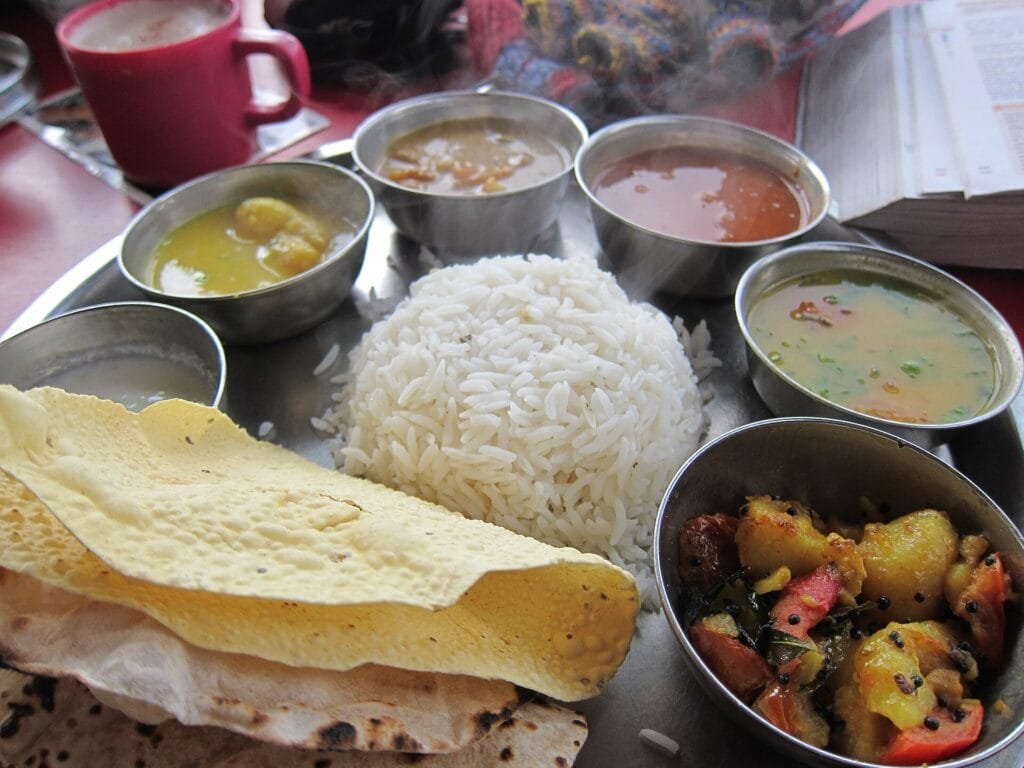
Indian food is not one cuisine, it’s dozens. What you eat in Kerala bears almost no resemblance to what you eat in Punjab. Here are the regional highlights.
North India (Delhi, Rajasthan, Punjab)
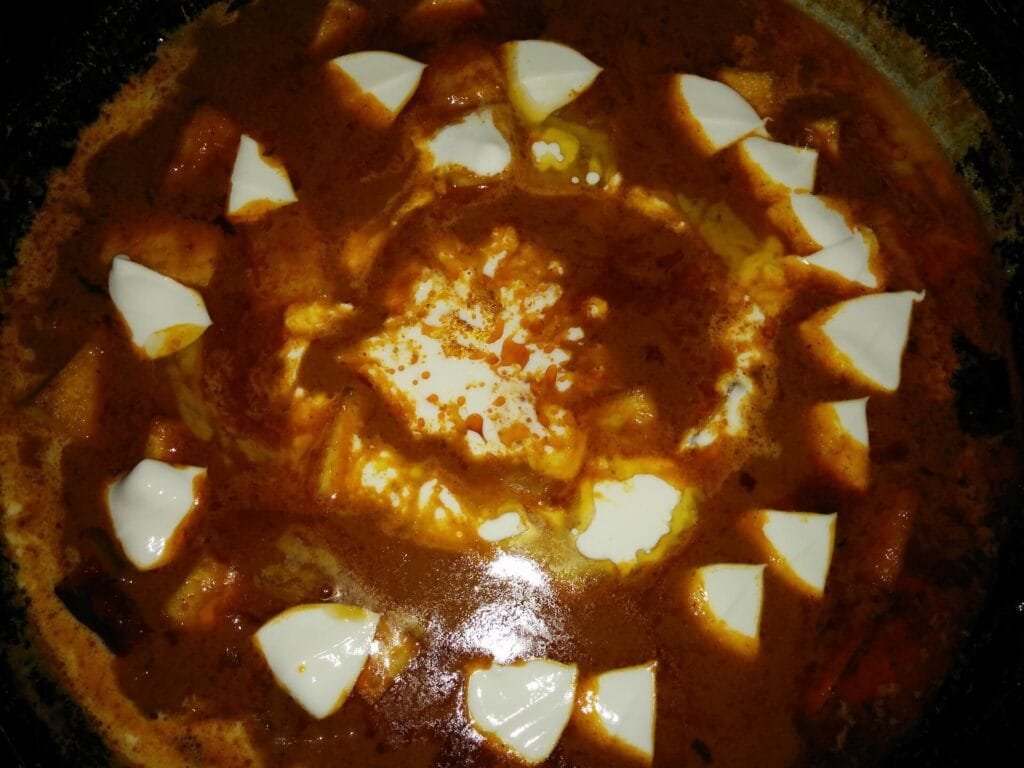
- Chole bhature: Spiced chickpea curry with deep-fried bread. The quintessential Delhi breakfast (₹50–80 at street stalls)
- Butter chicken & dal makhani: Mughlai classics. Best in Old Delhi at Karim’s (est. 1913, near Jama Masjid, mains ₹200–350)
- Rajasthani thali: Dal baati churma (baked wheat balls with lentils) is the signature dish. Full thali ₹150–300
- Paranthas: Stuffed flatbreads — aloo (potato), gobi (cauliflower), paneer. ₹30–60 each at Paranthe Wali Gali, Chandni Chowk
South India (Kerala, Tamil Nadu, Karnataka)
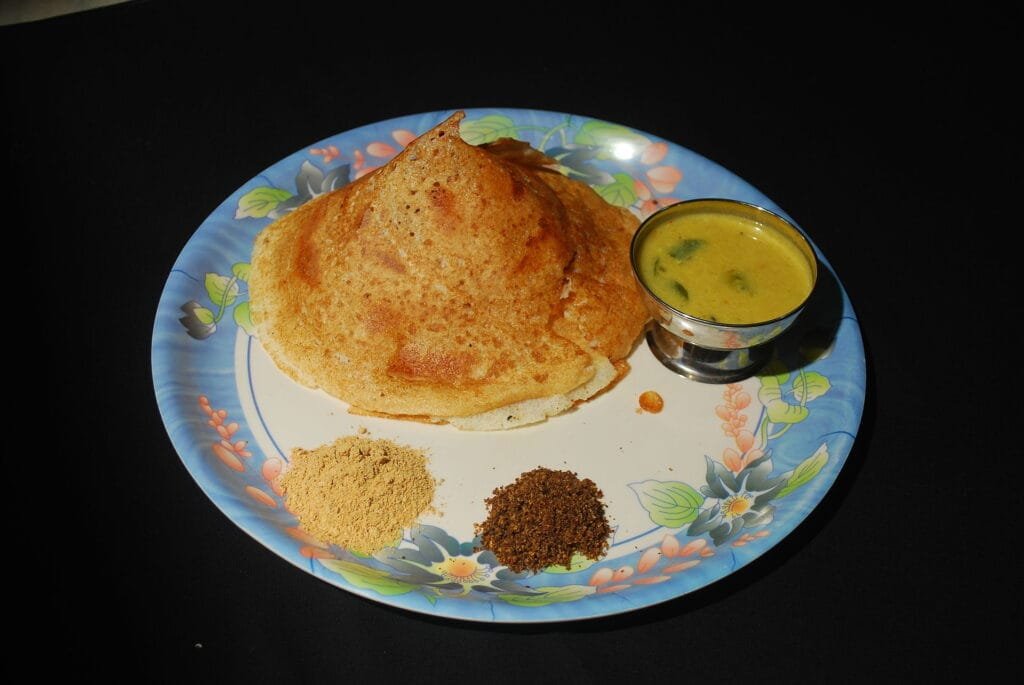
- Dosa & idli: Fermented rice-and-lentil crepes/steamed cakes with sambar and coconut chutney. Breakfast staple, ₹40–80
- Kerala fish curry: Tamarind-and-coconut fish curry with red rice. ₹120–200 at local restaurants
- Hyderabadi biryani: Layered rice-and-meat dish cooked in a sealed pot. Eat at Paradise or Bawarchi in Hyderabad (₹200–350)
- Filter coffee: South India’s strong, sweet, frothy coffee served in a steel tumbler. ₹20–40
West India (Goa, Mumbai, Gujarat)

- Goan fish curry rice: Coconut-based curry with kingfish or pomfret. ₹150–250 at beach shacks
- Vada pav: Mumbai’s street-food king: spiced potato fritter in a bun with chutneys (₹15–30)
- Gujarati thali: A sweet-savory vegetarian feast. Unlimited refills at most thali restaurants (₹200–400)
East India (Kolkata, Odisha)
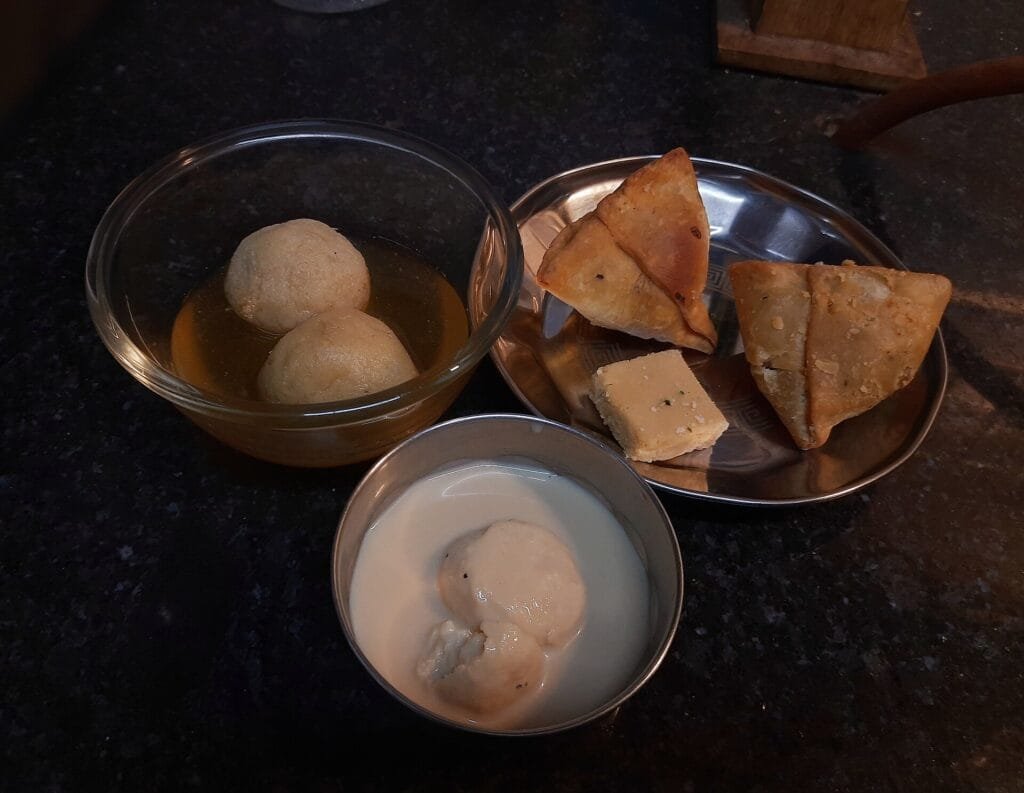
- Bengali fish: Mustard fish curry (shorshe ilish) is Kolkata’s signature. Hilsa season peaks in monsoon
- Kolkata kathi rolls: Paratha wraps with egg, chicken, or paneer. Nizam’s on Park Street is the original (₹60–120)
- Rasgulla & mishti doi: Bengal’s legendary sweets. ₹20–40 per piece at KC Das or Balaram Mullick
Safety tip: Drink only bottled or filtered water. Street food from busy stalls with high turnover is generally safe. Avoid cut fruit from street vendors; peel your own. Carry Imodium and ORS packets, a mild stomach upset is very common in the first few days.
Safety & Health Tips
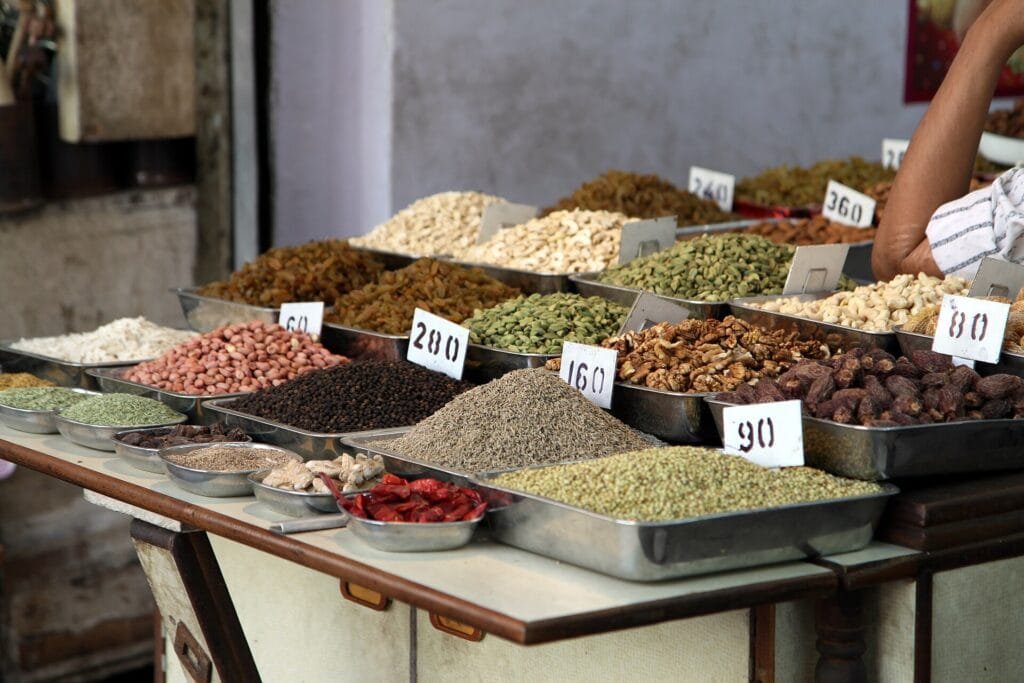
- Scams to know: ‘Tourist office’ touts at New Delhi station (the real one is inside the station, first floor); gem/carpet export scams in Jaipur; inflated taxi quotes at airports (use prepaid taxi counters or Ola/Uber instead)
- Solo female travel: India is manageable with awareness. Dress modestly in North India (covering shoulders and knees), avoid empty streets at night, use ride-hailing apps instead of flagging autos after dark. South India and Kerala are generally more relaxed
- Health: No mandatory vaccinations, but Hepatitis A/B and Typhoid are recommended. Carry mosquito repellent (dengue is present in many cities). Travel insurance with medical evacuation is strongly recommended
- Altitude: If heading to Ladakh (3,500m+) or Spiti, acclimatise for 1–2 days. Diamox helps prevent acute mountain sickness. Consult your doctor before the trip
- Emergency numbers: Police 100, Ambulance 108, Tourist helpline 1363 (English-speaking)
- Water: Never drink tap water. Check that bottled water seals are intact (some vendors refill used bottles). A LifeStraw or SteriPen is useful for remote areas
Suggested Itineraries
7 Days: Golden Triangle + Varanasi
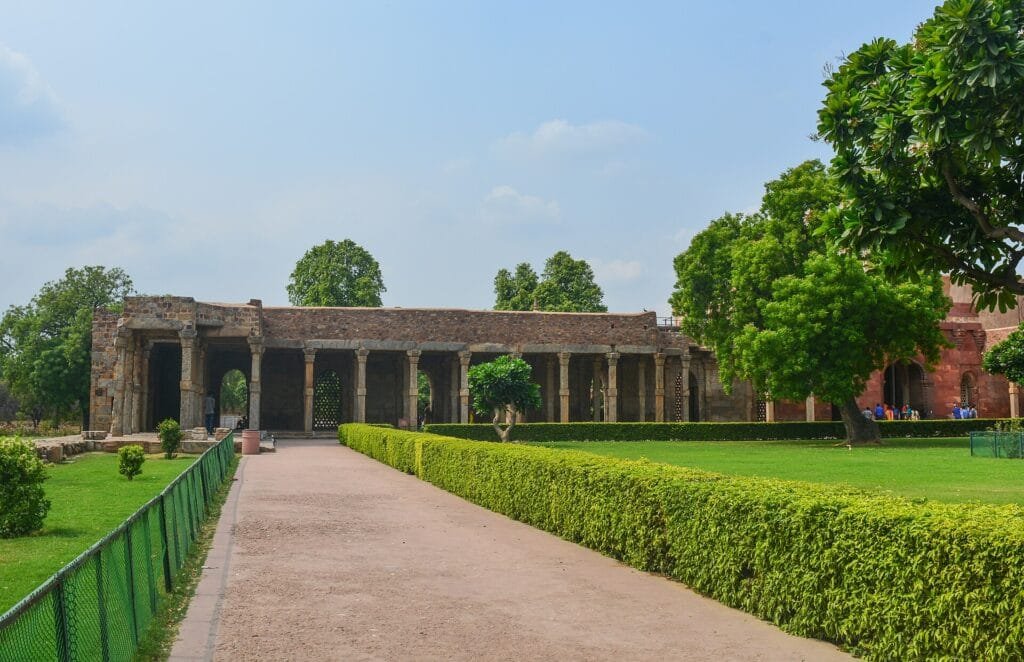
Day 1–2: Delhi (Old Delhi, Humayun’s Tomb, Qutub Minar) → Day 3: Train to Agra (Taj Mahal sunrise, Agra Fort) → Day 4–5: Drive/train to Jaipur (Amber Fort, City Palace, bazaars) → Day 6–7: Fly to Varanasi (Ganga Aarti, sunrise boat ride, Sarnath). Fly back from Varanasi.
14 Days: Rajasthan Circuit
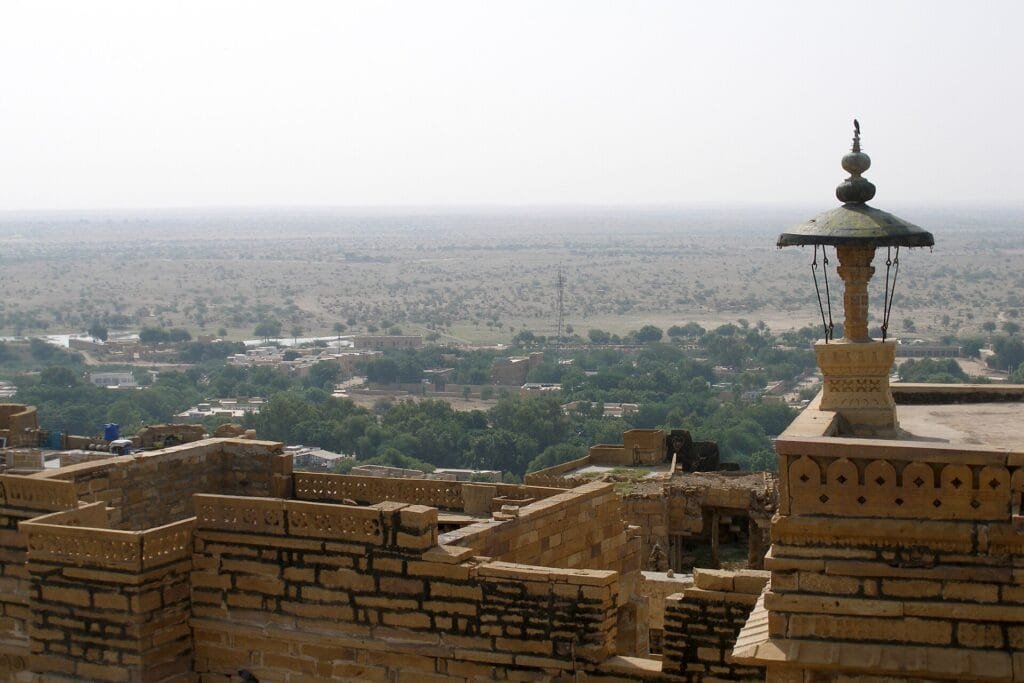
Day 1–2: Delhi → Day 3–4: Agra → Day 5–7: Jaipur → Day 8–9: Jodhpur (Mehrangarh Fort, blue city) → Day 10–11: Jaisalmer (fort, camel safari) → Day 12–14: Udaipur (City Palace, Lake Pichola). Fly out from Udaipur.
21 Days: North-to-South Grand Tour
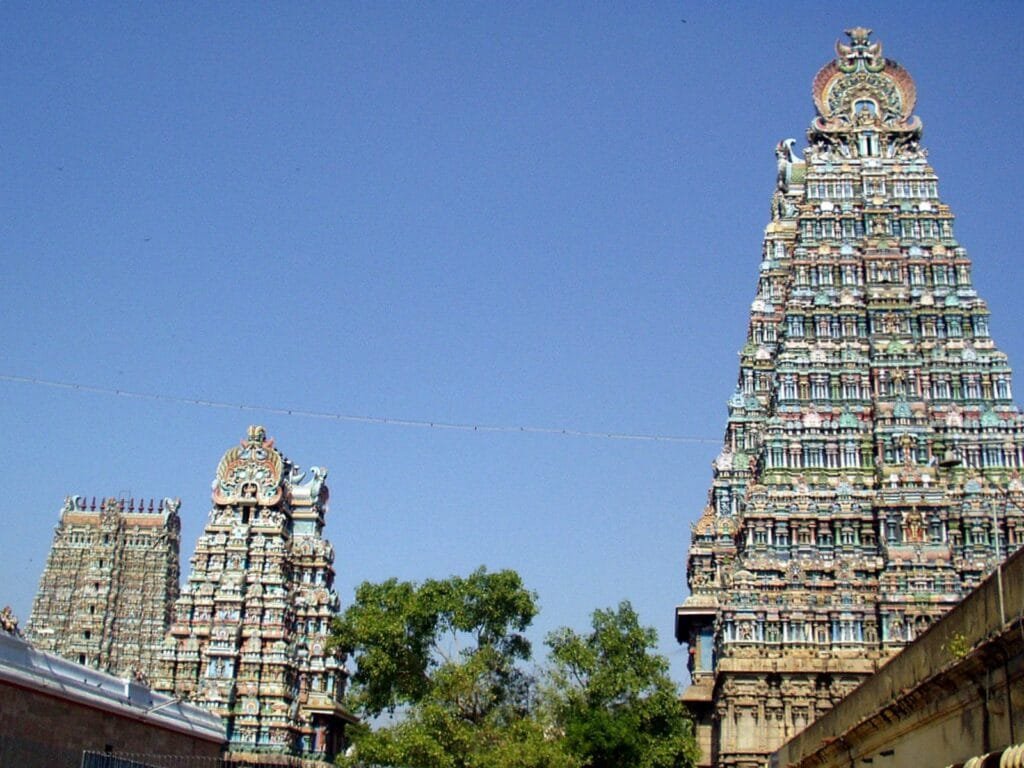
Day 1–3: Delhi → Day 4: Agra → Day 5–7: Jaipur → Day 8–9: Varanasi (fly) → Day 10–12: Fly to Kochi, Kerala backwaters → Day 13–14: Munnar → Day 15–17: Goa (fly from Kochi) → Day 18–20: Mumbai → Day 21: Fly out.
Frequently Asked Questions
Is India safe for tourists?
Yes, millions of tourists visit India safely each year. Exercise standard precautions: use ride-hailing apps at night, keep valuables secure, and be aware of common scams (fake tourist offices, gem export schemes). Tourist-heavy areas like Rajasthan, Kerala, and Goa have well-established infrastructure.
How much money do I need per day in India?
Budget travellers spend INR 1,200-3,200 ($15-38 USD) per day covering hostel beds, street food, and trains. Mid-range travellers spend INR 5,000-15,000 ($60-180) with private hotel rooms, sit-down restaurants, and domestic flights. India is one of the cheapest countries to travel in.
Do I need vaccinations for India?
No vaccinations are legally required for most nationalities (yellow fever certificate needed if arriving from an endemic country). However, Hepatitis A, Typhoid, and Tetanus boosters are strongly recommended. Consult a travel clinic 4-6 weeks before departure.
What is the best time to visit India?
October to March offers the most comfortable weather across most of India. For the Himalayas, May to June and September to October are ideal. Monsoon season (July-September) brings heavy rain but lower prices and green landscapes in Kerala and the Northeast.
Can I use credit cards in India?
Credit and debit cards work at hotels, malls, and restaurants in major cities. However, India is still heavily cash-dependent, especially for street food, auto-rickshaws, markets, and smaller towns. Carry INR cash and withdraw from HDFC or ICICI ATMs for the best reliability.
How do I book trains in India?
Register on IRCTC.co.in (India’s official rail booking platform). You can sign up with a foreign passport. Book at least 2-3 weeks ahead for popular routes. For last-minute travel, try Tatkal quota tickets released at 10 AM one day before departure.
More India & Asia Guides on Packzup
More from Packzup
Frequently Asked Questions
Is India worth visiting?
Yes. India rewards travelers who are willing to look beyond the surface. From local food to cultural sites, there is plenty to discover for every type of traveler.
How many days should I spend in India?
Plan for at least 3-4 days to cover the main highlights. A week allows for day trips and a more relaxed pace that lets you experience the destination more deeply.
What is the best way to get to India?
Options typically include flights to the nearest international airport, followed by local transport. Check for direct flight routes from your departure city for the most convenient travel.
Do I need travel insurance for India?
Travel insurance is strongly recommended for any international trip. It covers medical emergencies, trip cancellations, and lost luggage — risks that are expensive to handle out of pocket.
Still deciding on India?
More guides: What to pack for India
Best time to visit India (real climate data)
Best months: February, March, November, December.
India’s warmest month is June (avg 38°C / 101°F), the coolest is January (low 8°C / 46°F). The wettest is August (227 mm) and the driest is November.
Source: Open-Meteo / WMO climate normals (WMO 1991–2020, or ERA5 2019–2023 where unavailable). See the full month-by-month weather →
You Might Also Love

Written by
Founder of Packzup. Independent travel writer covering offbeat destinations across six continents since 2018. Every guide is independently researched and self-funded — no press trips, never sponsored.
Before you go: see whether they speak English in India and what to wear, check the tap water, sort your mobile data, and find out if it is a cash or card destination, and brush up on local etiquette.
Still deciding? Read our honest take: Is India worth visiting? The honest verdict
