📅 Updated Aug 2026
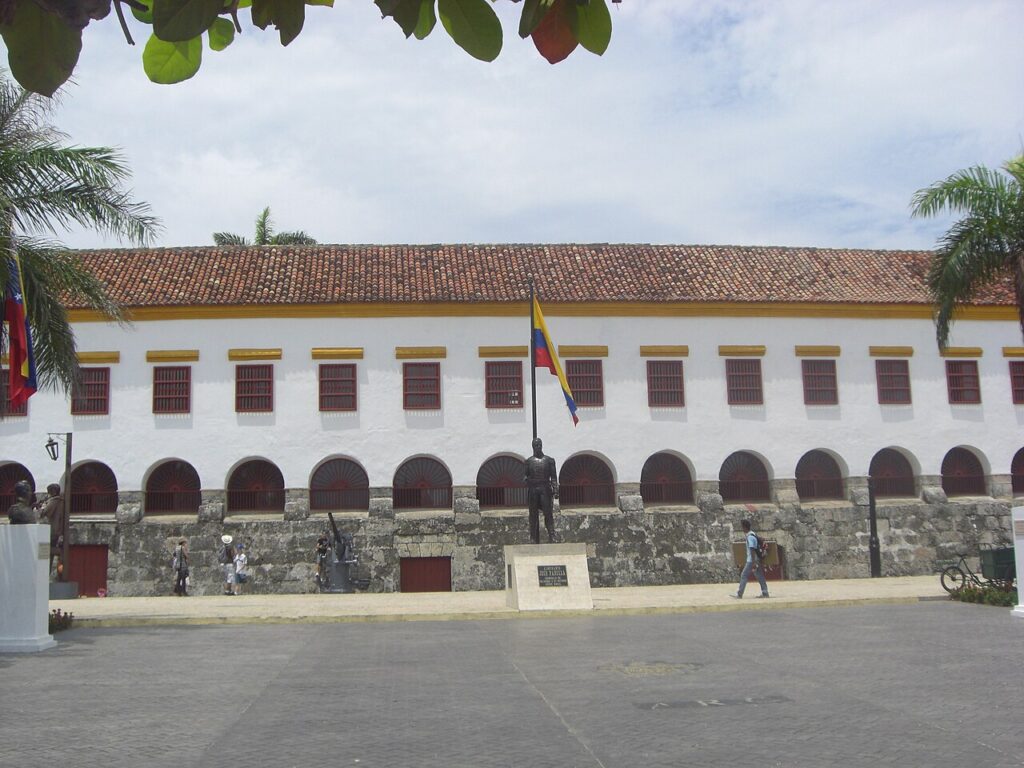
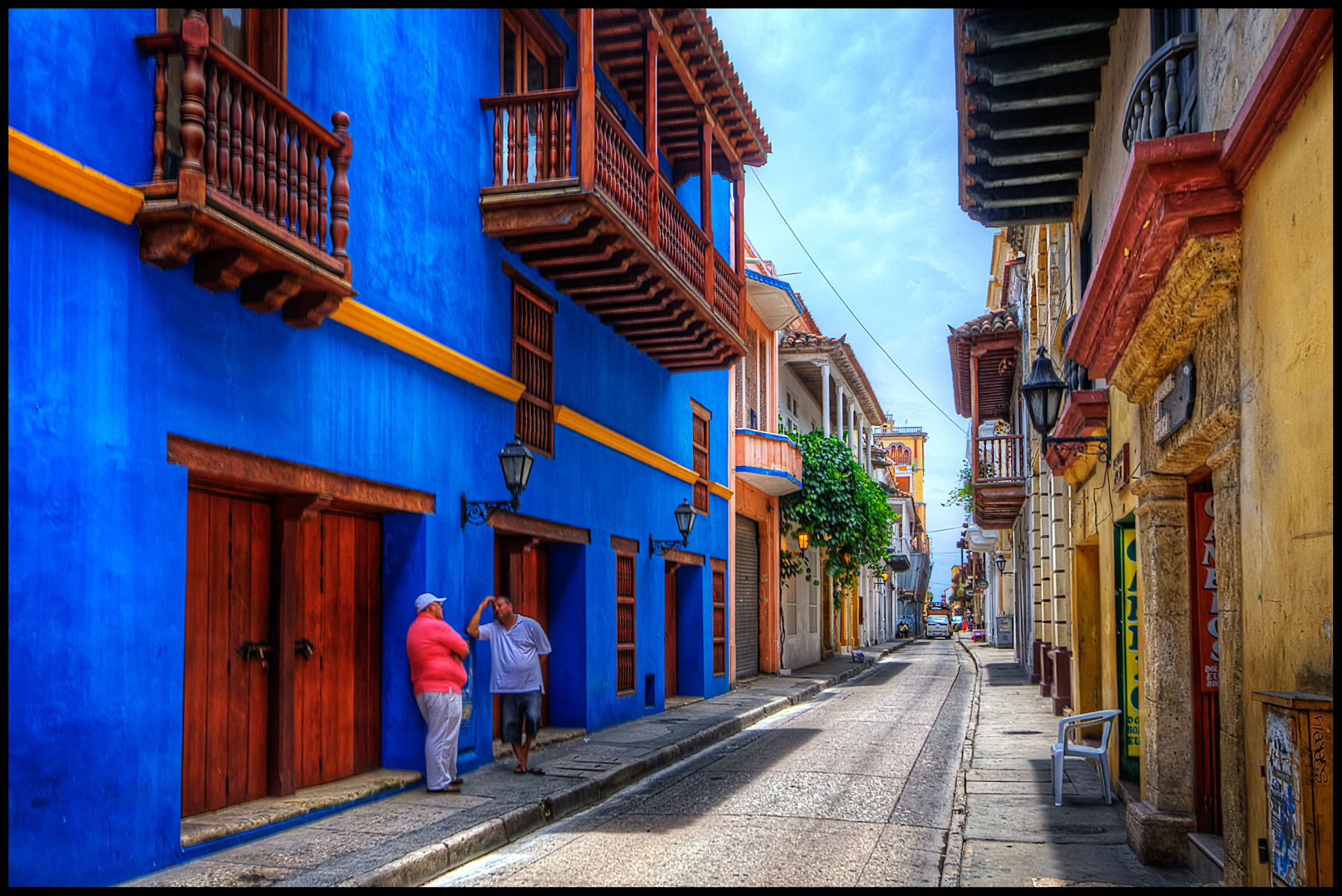
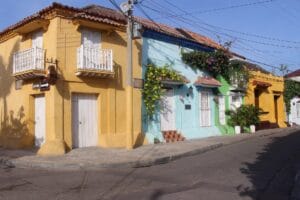
Cartagena de Indias is the kind of city that earns its adjectives. The walled old town, a UNESCO World Heritage Site since 1984, is a concentrated square kilometre of colonial architecture so vivid and so well-preserved that walking through it feels like being inside a García Márquez novel, which is fitting, since García Márquez lived here and set much of ‘Love in the Time of Cholera’ in these exact streets.
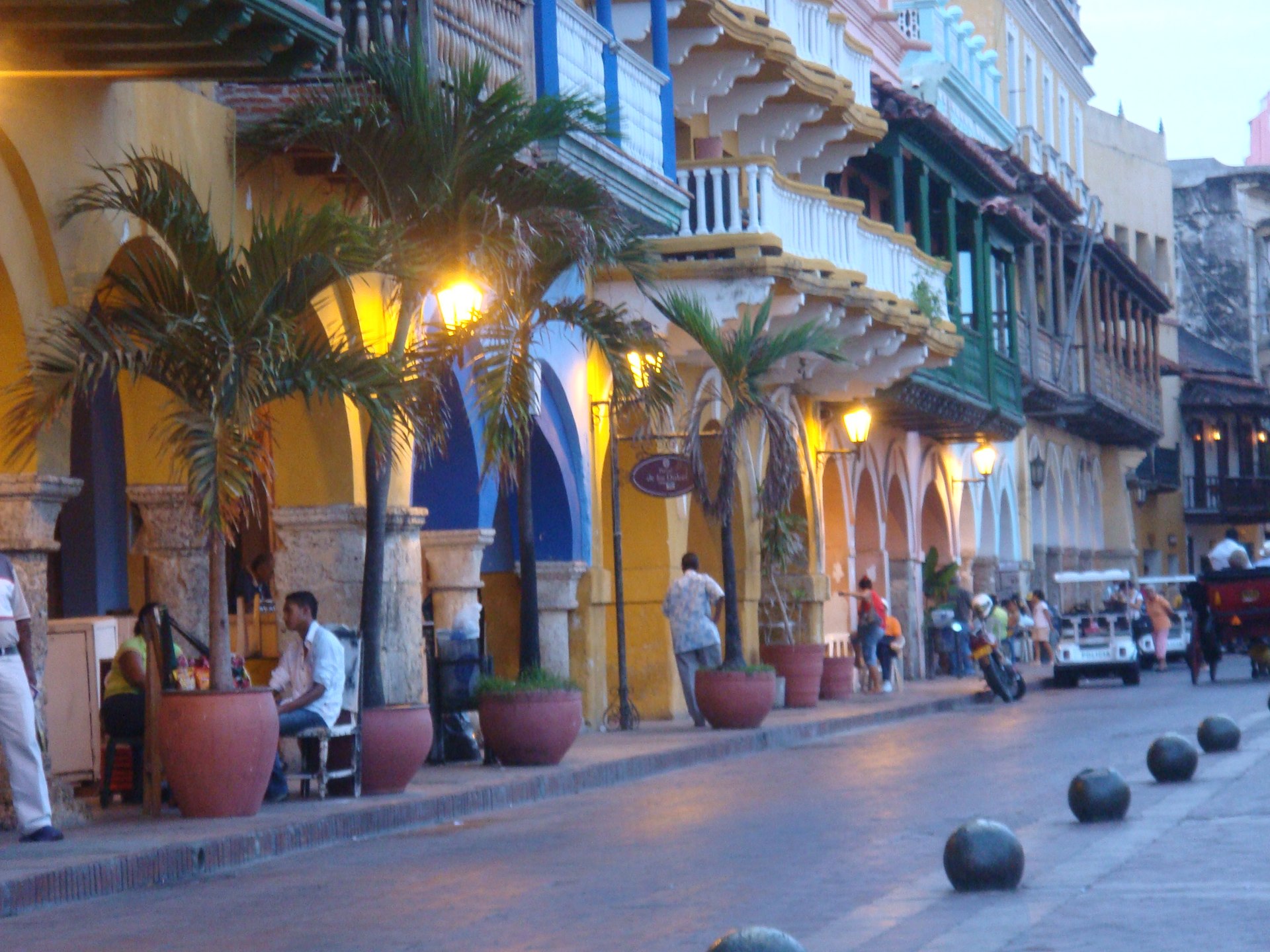
What makes Cartagena work as a destination is the layering. There is the obvious beauty, the pastel facades, the bougainvillea, the church domes, the horse-drawn carriages. But underneath that is a Caribbean port city with African, Indigenous, and Spanish bloodlines that produces food, music, and street life unlike anywhere else in South America. The city has gentrified significantly in the last decade, with boutique hotels and cocktail bars arriving in force, but it has not yet lost the chaos and warmth that make Colombian cities special.
Colombia received over 6 million international visitors, a new record, with Cartagena as the primary coastal destination. Direct flights now connect to Miami, New York, Toronto, Madrid, and Panama City. The city is expensive by Colombian standards but remarkably affordable by Caribbean standards, a fraction of the cost of comparable destinations in the US or British Virgin Islands.
Plan Your Cartagena Trip
What’s in This Guide
- Why Cartagena
- The Walled City
- Getsemaní
- Rosario Islands & Playa Blanca
- Food & Drink
- Getting Around
- Realistic Budget Breakdown
- Things Nobody Tells You
- FAQ
Why Cartagena
Several factors align: new direct flights from additional North American and European cities have improved access. The Colombian peso remains weak against the dollar and euro, keeping costs low. A new waterfront promenade project has improved the connection between the walled city and Bocagrande. And the Getsemaní neighbourhood, previously overlooked, has matured into one of Latin America’s most exciting nightlife and street art districts without losing its working-class character.
Skip-the-line tickets, guided walks, food tours — vetted by GetYourGuide with free cancellation.
Browse Cartagena Experiences →
The Walled City
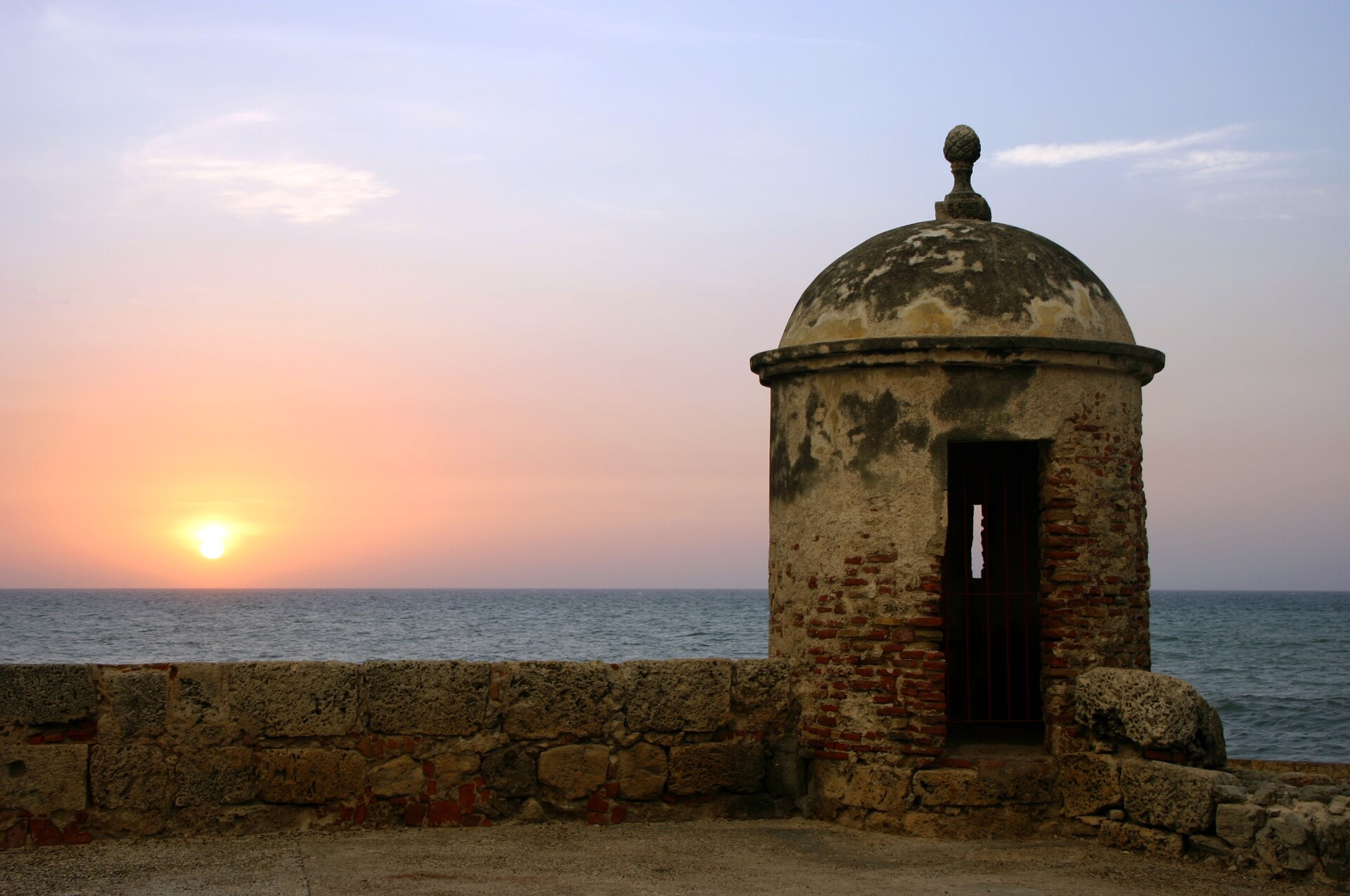
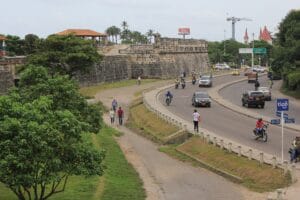
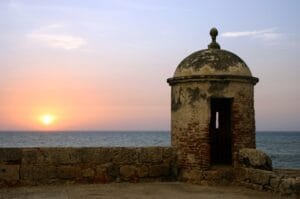
The Ciudad Amurallada is the historic core: 13 kilometres of 16th-century walls enclosing a grid of colonial mansions, churches, and plazas. The key areas: Plaza de Santo Domingo: the social centre, ringed by restaurants, with Botero’s ‘La Gorda’ sculpture. Plaza de San Pedro Claver: the church and monastery of the patron saint of slaves, with a museum documenting Cartagena’s role in the slave trade. The walls themselves: walk the Baluarte de Santo Domingo section at sunset for the best view of the Caribbean and the old city simultaneously.
Palacio de la Inquisición (€5) is a sobering museum housed in the building where the Spanish Inquisition operated in the Americas. The Catedral de Santa Catalina is the city’s spiritual anchor, visible from every rooftop bar. The Torre del Reloj (Clock Tower) is the main gate into the walled city and the landmark you’ll photograph most.
Getsemaní
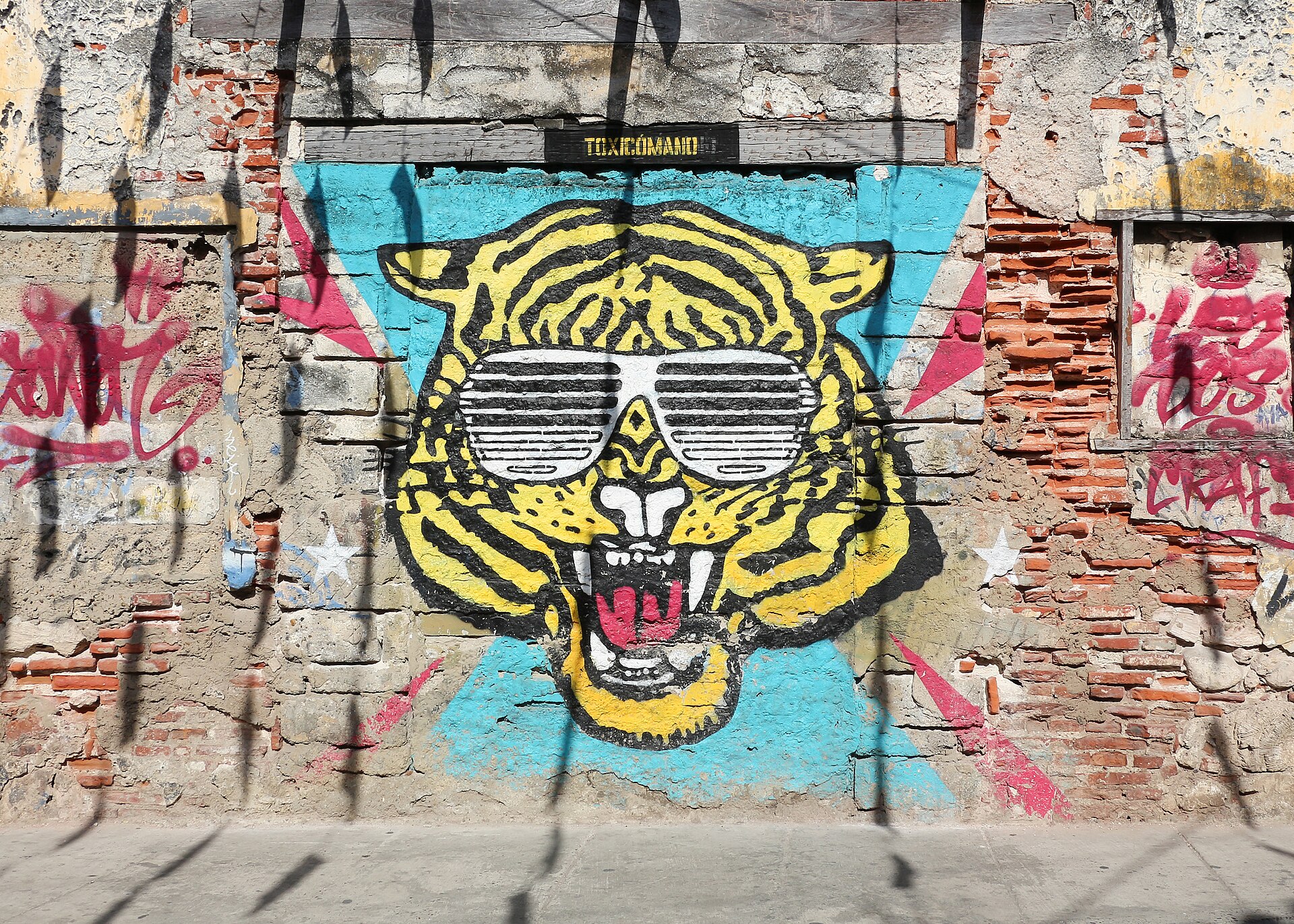
Getsemaní was the working-class neighbourhood outside the walls: historically Afro-Colombian, historically ignored by tourists, and now the beating heart of Cartagena’s cultural revival. The murals came first, then the hostels, then the cocktail bars, then the boutique hotels. It has gentrified, but the nightly scene in Plaza de la Trinidad. Where locals play dominos, vendors sell empanadas, and salsa music drifts from open doorways, retains an authenticity that the walled city’s Instagram-facing streets sometimes lack.
Stay in Getsemaní if you want to experience Cartagena rather than just photograph it. The accommodation is 30-50% cheaper than inside the walls, the food is better (street carts, not tourist menus), and the nightlife is concentrated here — Café Havana for live salsa, Alquímico for multi-floor cocktails, and the rooftop bars along Calle de la Sierpe for sunset views of the city.
Rosario Islands & Playa Blanca
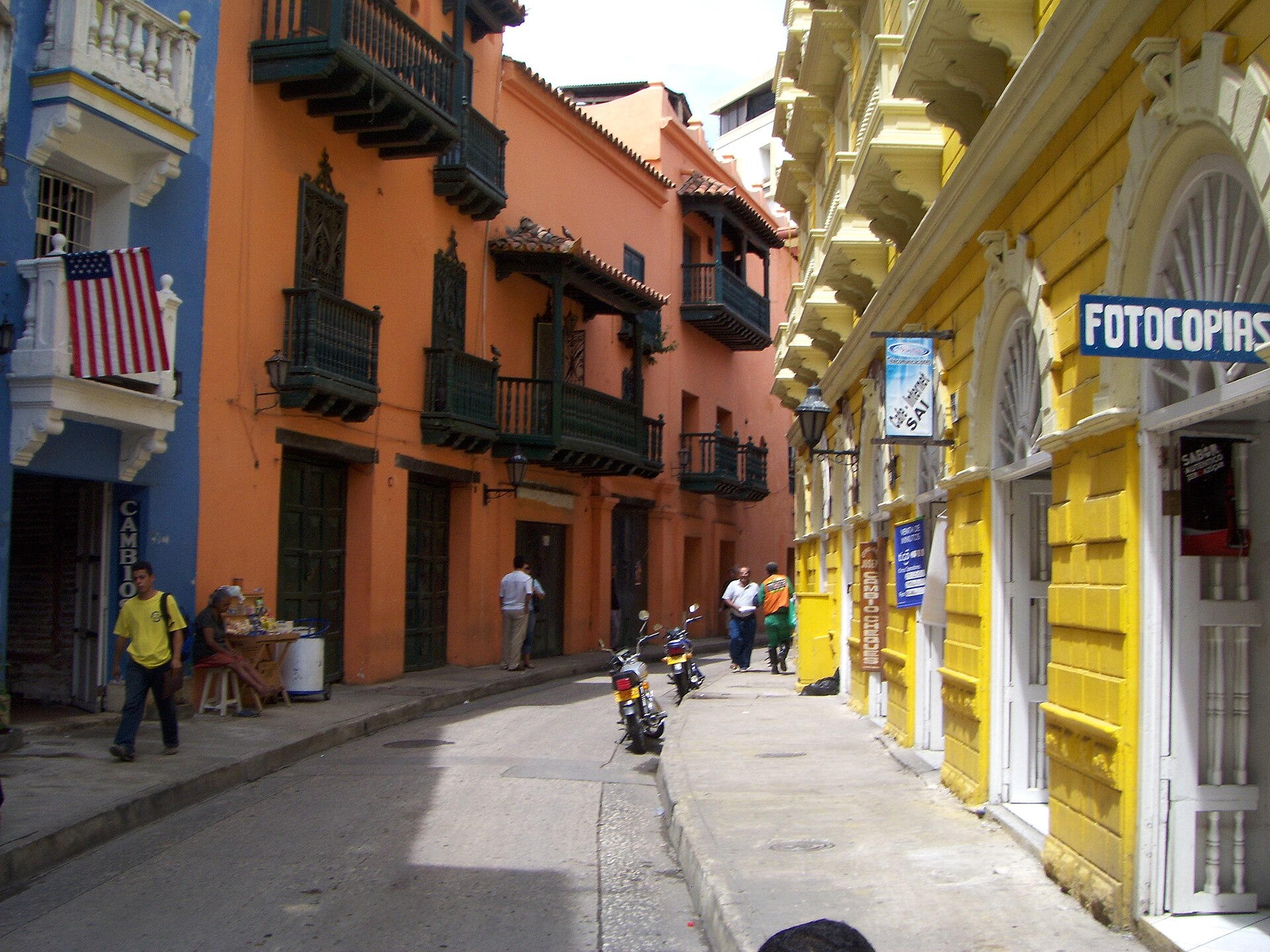
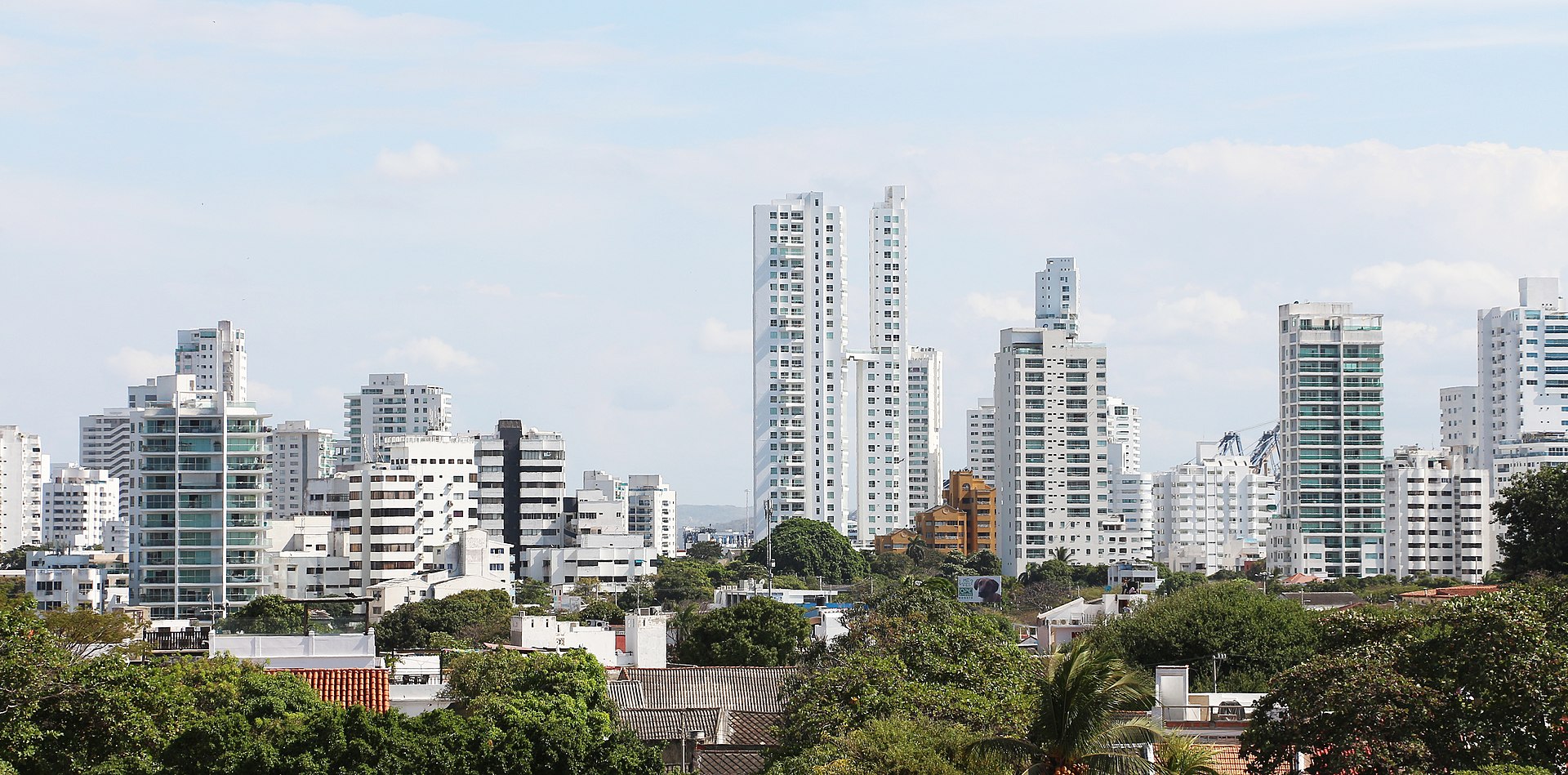
Cartagena’s city beaches (Bocagrande, Castillogrande) are functional but not beautiful: murky water, aggressive vendors, and a generally disappointing Caribbean beach experience. The real beaches are offshore.
Rosario Islands (45 minutes by boat): A national park of 27 coral islands with clear Caribbean water. Day trips run €25-40 from the Muelle de los Pegasos dock, typically including boat transport, island access, and lunch. The snorkelling is decent, the beaches are postcard-worthy, and it is an essential day out. Playa Blanca (Barú peninsula, 1 hour by boat): The closest thing to a Caribbean fantasy beach. White sand, turquoise water, palm trees. Can be reached by boat or by road (45 minutes by car). Vendors are persistent; bring your own snacks or eat at the established restaurants rather than the beach hawkers.
Isla Múcura and Isla Tintipán in the San Bernardo archipelago are worth the longer trip (2 hours by boat) for those who want to escape the day-trip crowds entirely.
Food & Drink
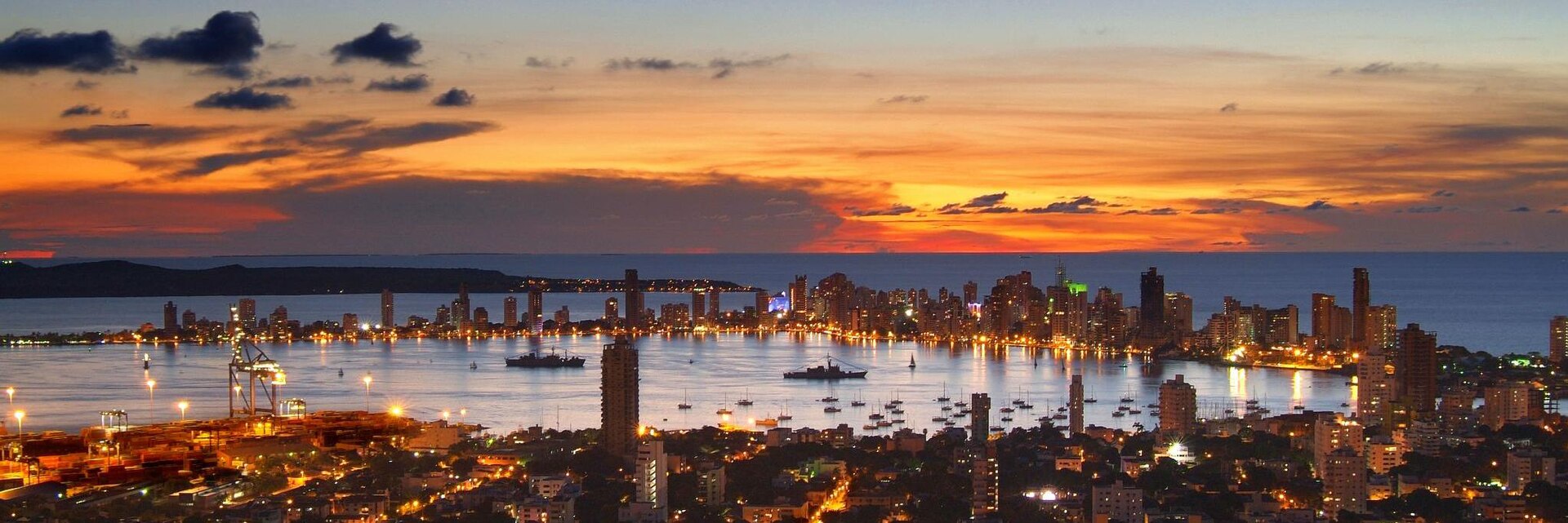
Cartagena’s food identity is Caribbean-Colombian: coconut rice, fried plantains, seafood in coconut sauce, and fresh fruit that has no equivalent in temperate climates. The essentials
Arepa de huevo: a fried corn pocket filled with egg. Best from street vendors in Getsemaní, 3,000-5,000 COP (€0.70-1.20). Ceviche de camarones: shrimp ceviche in lime and coconut, sold from wheeled carts throughout the city. Arroz con coco: coconut rice, the side dish that defines the coast. Cazuela de mariscos: a rich seafood stew in coconut milk. Jugo natural: fresh fruit juices: try lulo, maracuyá (passion fruit), or corozo.
For sit-down restaurants: La Cevichería (the one Obama visited, still excellent, still a queue) for ceviche. Carmen for fine-dining Colombian-Mediterranean fusion. La Cocina de Pepina for traditional Cartagena home cooking. Interno: a restaurant inside a women’s prison where inmates train as chefs, a unique and powerful dining experience that requires advance booking.
Getting Around
Walking: The walled city and Getsemaní are entirely walkable. Everything you need is within a 20-minute walk. Taxis: Cheap but always negotiate the fare before getting in — there are no meters. Walled city to airport should be 25,000-35,000 COP (€6-8). Use InDriver or DiDi apps for transparent pricing. Buses: Local buses (TransCaribe) are cheap (2,800 COP) but confusing for visitors. Taxis are more practical for most trips.
Realistic Budget Breakdown
| Item | Daily Cost (Budget / Mid-Range) |
|---|---|
| Accommodation | $12-25 (hostel) / $60-150 (boutique hotel in walls) |
| Food | $8-15 (street food + local restaurants) / $25-50 (upscale dining) |
| Transport | $3-8 (taxis within city) |
| Island day trip | $25-40 (boat + lunch) |
| DAILY TOTAL | $48-88 budget / $113-248 mid-range |
Things Nobody Tells You
The heat is no joke. Cartagena sits at 10°N latitude on the Caribbean coast. Temperatures are 30-35°C year-round with brutal humidity. Carry water everywhere, wear sunscreen, and plan indoor activities (museums, restaurants) between noon and 3 p.m. Air conditioning in your hotel is not a luxury: it is a necessity.
Vendor hustle is constant. In the walled city and especially on beaches, you will be approached constantly by vendors selling hats, sunglasses, massages, and tours. A firm but polite ‘no, gracias’ works. It is part of the Cartagena experience, not a threat, but it can be exhausting on a first visit.
Safety is neighbourhood-dependent. The walled city, Getsemaní, and Bocagrande are safe for tourists. Avoid walking alone late at night in poorly lit areas outside the tourist core. Don’t flash expensive electronics in markets. Use ride-hailing apps rather than flagging down taxis at night.
Cash is still king. Many street vendors, local restaurants, and taxi drivers only take cash. ATMs are widely available but charge fees (10,000-15,000 COP per withdrawal). Bring a card with no foreign transaction fees.
Frequently Asked Questions
Is Cartagena safe for tourists?
Cartagena is generally safe for tourists in the main areas: the walled city, Getsemaní, Bocagrande, and the Rosario Islands. Petty theft and scams are the primary risks. Avoid poorly lit areas at night, don’t leave valuables unattended on beaches, and use ride-hailing apps for late-night transport. Violent crime against tourists is uncommon.
How many days do you need in Cartagena?
Three days is ideal: one for the walled city and Getsemaní, one for a Rosario Islands or Playa Blanca day trip, and one for food exploration and the Castillo de San Felipe. Four to five days allows side trips to Barú or Isla Múcura.
When is the best time to visit Cartagena?
December to April is dry season, the most popular and expensive period. The weather is consistently hot and sunny. June to November is rainy season with afternoon downpours, lower prices, and fewer crowds. September-November is wettest. Cartagena is hot year-round (30-35°C).
Do I need to speak Spanish in Cartagena?
Basic Spanish is very helpful. English is spoken in tourist hotels and upscale restaurants but rarely by taxi drivers, street vendors, or in local restaurants. Key phrases: ‘cuánto cuesta’ (how much), ‘la cuenta, por favor’ (the bill please), ‘no gracias’ (no thank you). Google Translate works well for menus.
More from Packzup
Torn between destinations? See our honest comparisons: Rio DE Janeiro vs Cartagena, Cartagena vs Medellin.
Still deciding on Cartagena?
You Might Also Love


Written by
Founder of Packzup. Independent travel writer covering offbeat destinations across six continents since 2018. Every guide is independently researched and self-funded — no press trips, never sponsored.
Before you go: see whether they speak English in Cartagena and what to wear, check the tap water, sort your mobile data, and find out if it is a cash or card destination, and brush up on local etiquette.
Wondering about safety? Read the honest answer: Is Cartagena safe in 2026?