- Bangkok like a local: temples, street food & the plan
- Bangkok Travel Guide FAQ
- Plan Your Bangkok Trip
- What’s in This Guide
- Why Bangkok
- Rattanakosin: The Old City
- Chinatown & Pahurat
- Silom, Sathorn & the River
- Sukhumvit & Modern Bangkok
- Street Food: What to Eat and Where
- The Temple Circuit
- Day Trips from Bangkok
- Getting Around
- Realistic Budget Breakdown
- Things Nobody Tells You
- More Travel Guides You’ll Love
- Frequently Asked Questions
- More from Packzup
📅 Updated Aug 2026
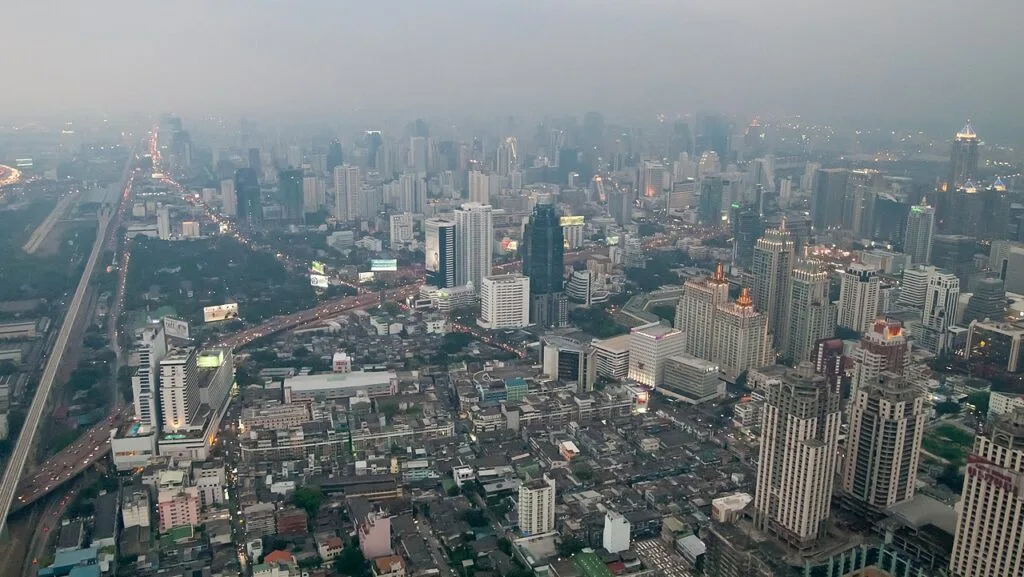
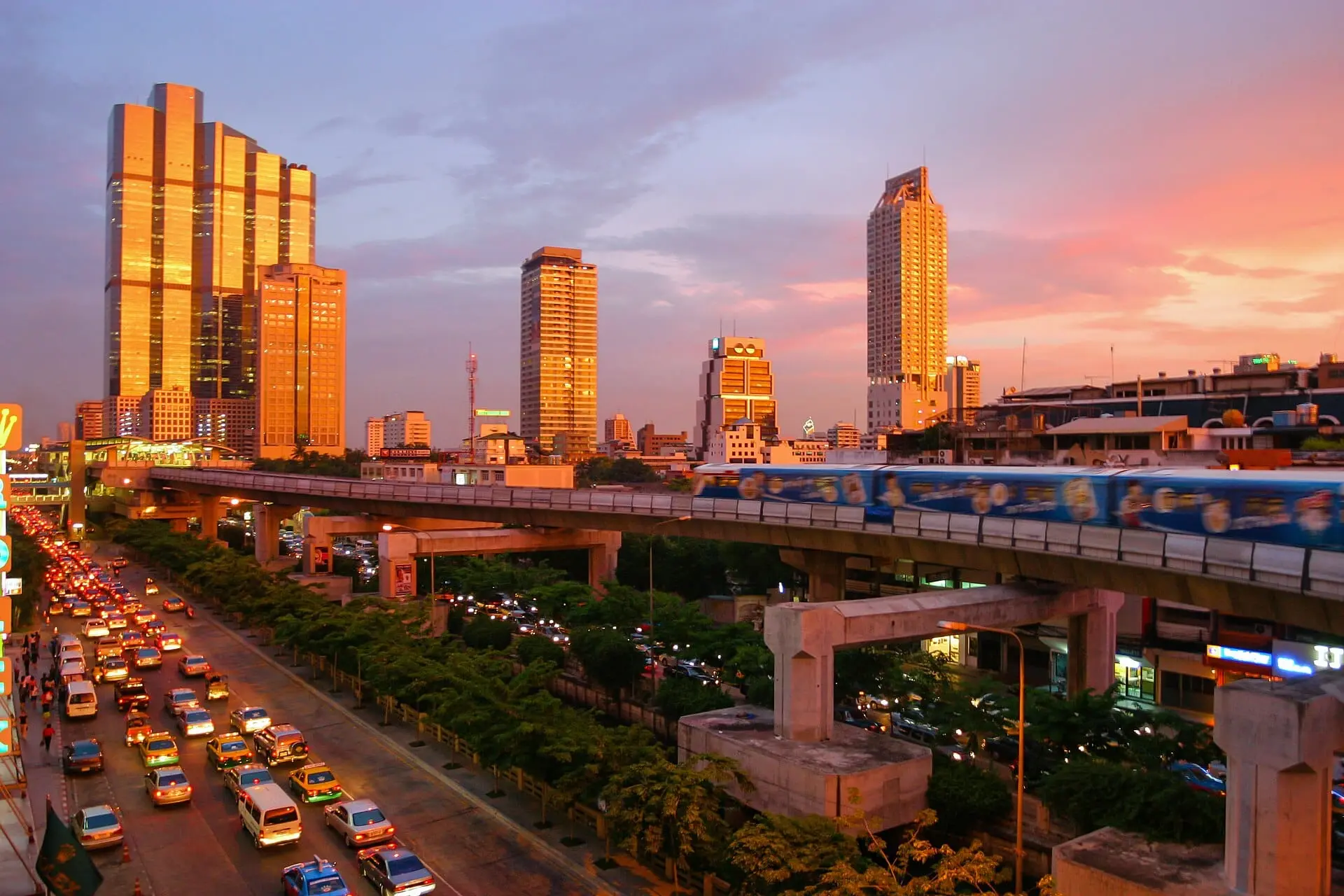
Bangkok does not ease you in. You land at Suvarnabhumi, clear immigration at 2 a.m., step outside into air that feels like warm bathwater, and within twenty minutes you are hurtling down an expressway past illuminated skyscrapers, temple spires, and neon-lit street food stalls that are still, somehow, serving customers. The city runs on its own clock.
What makes Bangkok extraordinary is the collision of scale and intimacy. This is a megacity of eleven million people with a public transit system that now covers most tourist areas, a street food culture that UNESCO has recognised as among the richest in the world, and a temple heritage that predates most European capitals. But it is also a city of tiny sois, narrow lanes where a single vendor has been making the same pad kra pao for thirty years, where a canal-side community still lives in wooden houses on stilts, where a rooftop bar offers a cocktail with a view that would cost four times as much in Singapore or Hong Kong.
The Thai government reported 38 million international visitors, with Bangkok the primary gateway for over 80% of them. Yet the city has expanded its hospitality infrastructure so significantly that it absorbs these numbers without the overcrowding that defines peak-season Barcelona or Venice.
Bangkok like a local: temples, street food & the plan
The must-dos
The Grand Palace + Wat Pho (reclining Buddha) in the morning, then a river ferry to Wat Arun. The weekend Chatuchak Market, a longtail-boat canal tour, and a rooftop bar at sunset.
Eat the streets
Bangkok is arguably the world’s best street-food city — pad thai, boat noodles, mango sticky rice, and the food stalls of Yaowarat (Chinatown) after dark. Eat at busy stalls.
Logistics
Use the BTS Skytrain and MRT to beat the legendary traffic; insist on the taxi meter or use Grab. Dress modestly for temples. Beware the “attraction closed, come to this gem shop” scam.
Day trip
The ruins of Ayutthaya or a floating market. Three days covers the city before heading to the islands.
Bangkok Travel Guide FAQ
How many days do you need in Bangkok?
Three — temples, markets, street food and a day trip to Ayutthaya.
How do you get around Bangkok?
The BTS Skytrain, MRT and river ferries beat the traffic; Grab for door-to-door.
Plan Your Bangkok Trip
What’s in This Guide
- Why Bangkok
- Rattanakosin: The Old City
- Chinatown & Pahurat
- Silom, Sathorn & the River
- Sukhumvit & Modern Bangkok
- Street Food: What to Eat and Where
- The Temple Circuit
- Day Trips from Bangkok
- Getting Around
- Realistic Budget Breakdown
- Things Nobody Tells You
- FAQ
Why Bangkok
Three developments make a particularly good year. First, the BTS Skytrain and MRT subway have expanded to cover areas that previously required taxis — including the Khao San area and the expanded Sukhumvit corridor. Second, a wave of independent restaurants in Charoen Krung, Ari, and Ekkamai has pushed Bangkok into serious food-media conversations, with two new Michelin stars awarded in late. Third, hotel pricing remains 30-40% below equivalent quality in Singapore, Tokyo, or Hong Kong, with new boutique properties opening in the Chinatown and riverside districts.
The exchange rate is favourable for most Western currencies: one US dollar buys roughly 34-35 baht, making Bangkok genuinely affordable without requiring backpacker-level compromises.
Skip-the-line tickets, guided walks, food tours: vetted by GetYourGuide with free cancellation.
Browse Bangkok Experiences →
Rattanakosin: The Old City
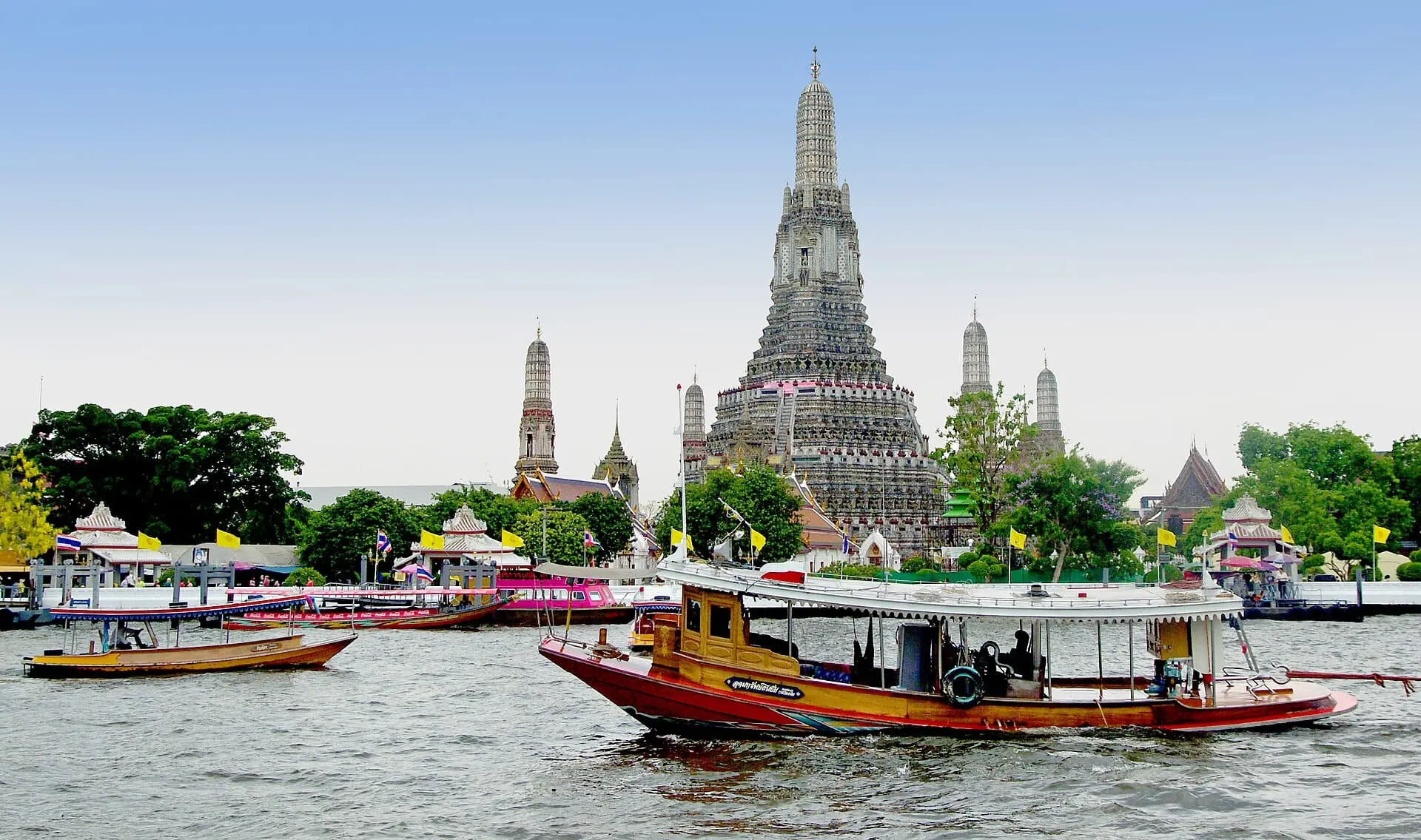
The historic core of Bangkok, built on an artificial island created by canal excavation in 1782. This is where the Grand Palace, Wat Pho, and Wat Arun cluster within walking distance. Roughly a square kilometre of the most concentrated temple architecture in Southeast Asia. The Grand Palace alone covers 218,000 square metres and takes two to three hours to explore properly.
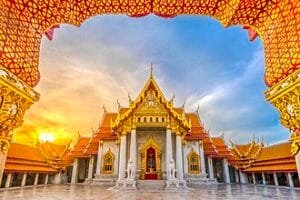
Wat Pho, immediately south of the Grand Palace, houses the 46-metre reclining Buddha and is the birthplace of traditional Thai massage, you can get a massage in the temple grounds from practitioners trained in the Wat Pho school. Wat Arun, across the river, is best visited at sunset when the porcelain-encrusted spire catches the light. A 5-baht ferry crosses the river every few minutes.
Practical note: the Grand Palace requires covered shoulders and knees. Sarongs are available at the entrance for 200 baht (refundable). Arrive before 9:30 a.m. To beat the tour groups. Entry is 500 baht for foreigners.
Chinatown & Pahurat
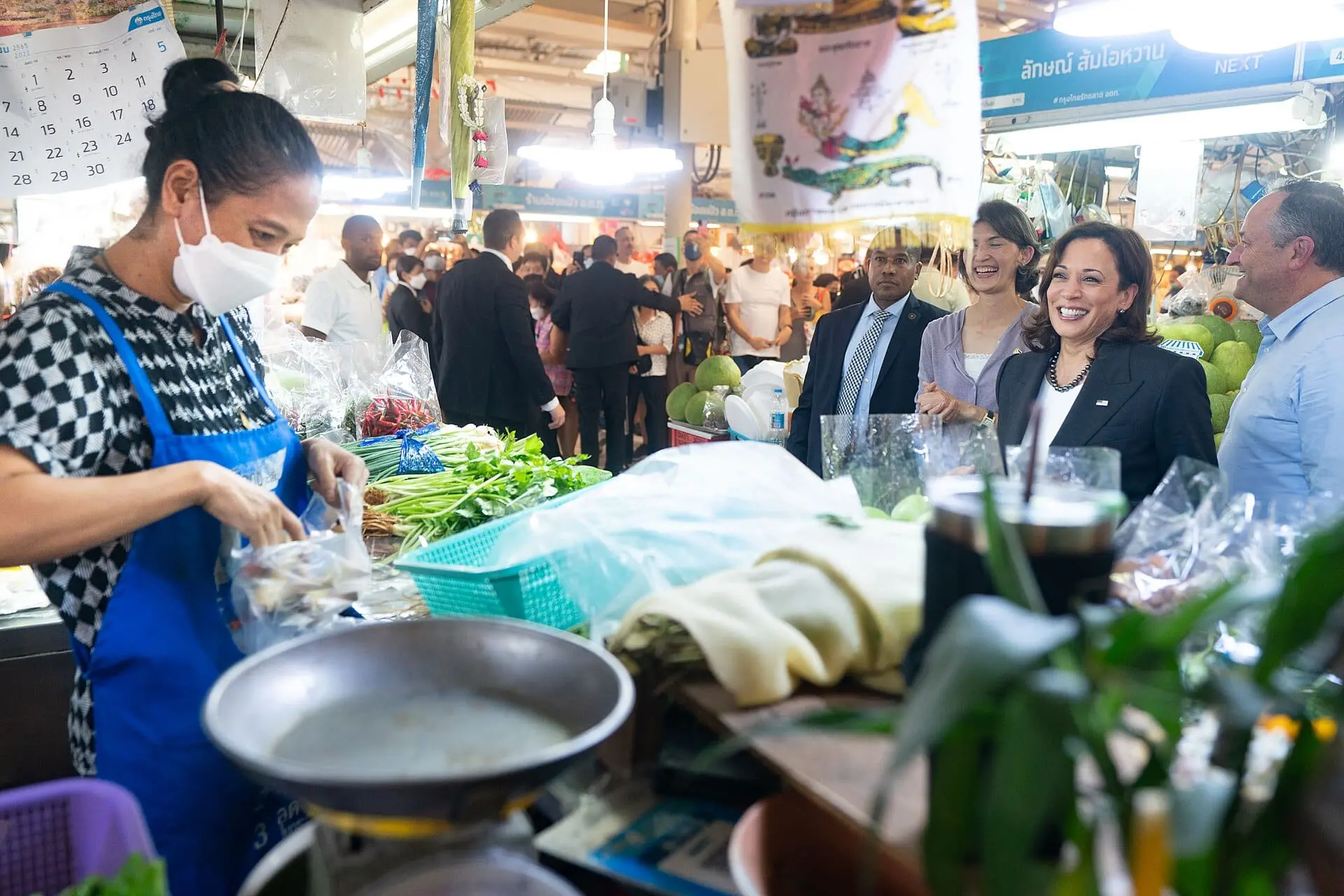
Yaowarat Road — Bangkok’s Chinatown: is the most electric food street in Asia after dark. From roughly 6 p.m., the shophouses that sell gold and auto parts during the day transform into a continuous food market stretching over a kilometre. The specialities are seafood (grilled prawns the size of your hand, oyster omelettes, crab fried rice), Chinese-Thai fusion noodles, and mango sticky rice from vendors who have perfected the dish over decades.
One block south, Pahurat is Bangkok’s Little India: a compressed, intense neighbourhood of textile merchants, Sikh temples, and some of the best chai and samosas in the city. The two areas together make for a three-hour walking exploration that covers more food territory than most cities manage in a week.
The newly opened MRT Wat Mangkon station puts Chinatown on the subway for the first time, eliminating the traffic-clogged taxi ride that used to be the only way in.
Silom, Sathorn & the River
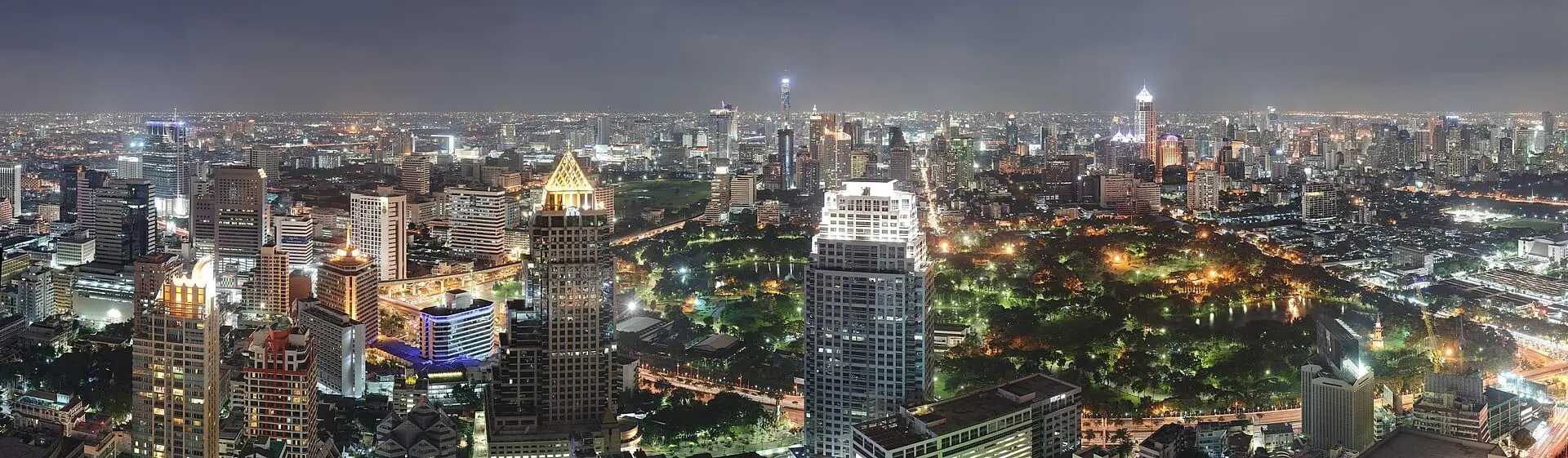
The financial district during the day transforms into Bangkok’s most diverse nightlife zone after dark. Silom Soi 4 is the hub of the LGBTQ+ scene. Patpong Night Market, despite its reputation, is a functioning night market with genuine bargains if you negotiate. The surrounding streets, particularly Soi Convent and Soi Saladaeng. Have some of Bangkok’s best restaurants, from Michelin-starred Paste to the street-level Som Tam Jay So, which serves what many consider the city’s best papaya salad.
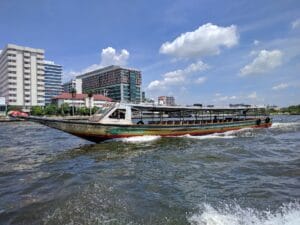
The Chao Phraya River itself is a transport artery and a destination. The Chao Phraya Express Boat runs from Sathorn Pier to Rattanakosin for 15-60 baht depending on the line, faster than driving, and one of the best ways to see the city. The ICON Siam mall, on the Thonburi side, houses an indoor floating market that recreates regional Thai food in air-conditioned comfort.
Sukhumvit & Modern Bangkok
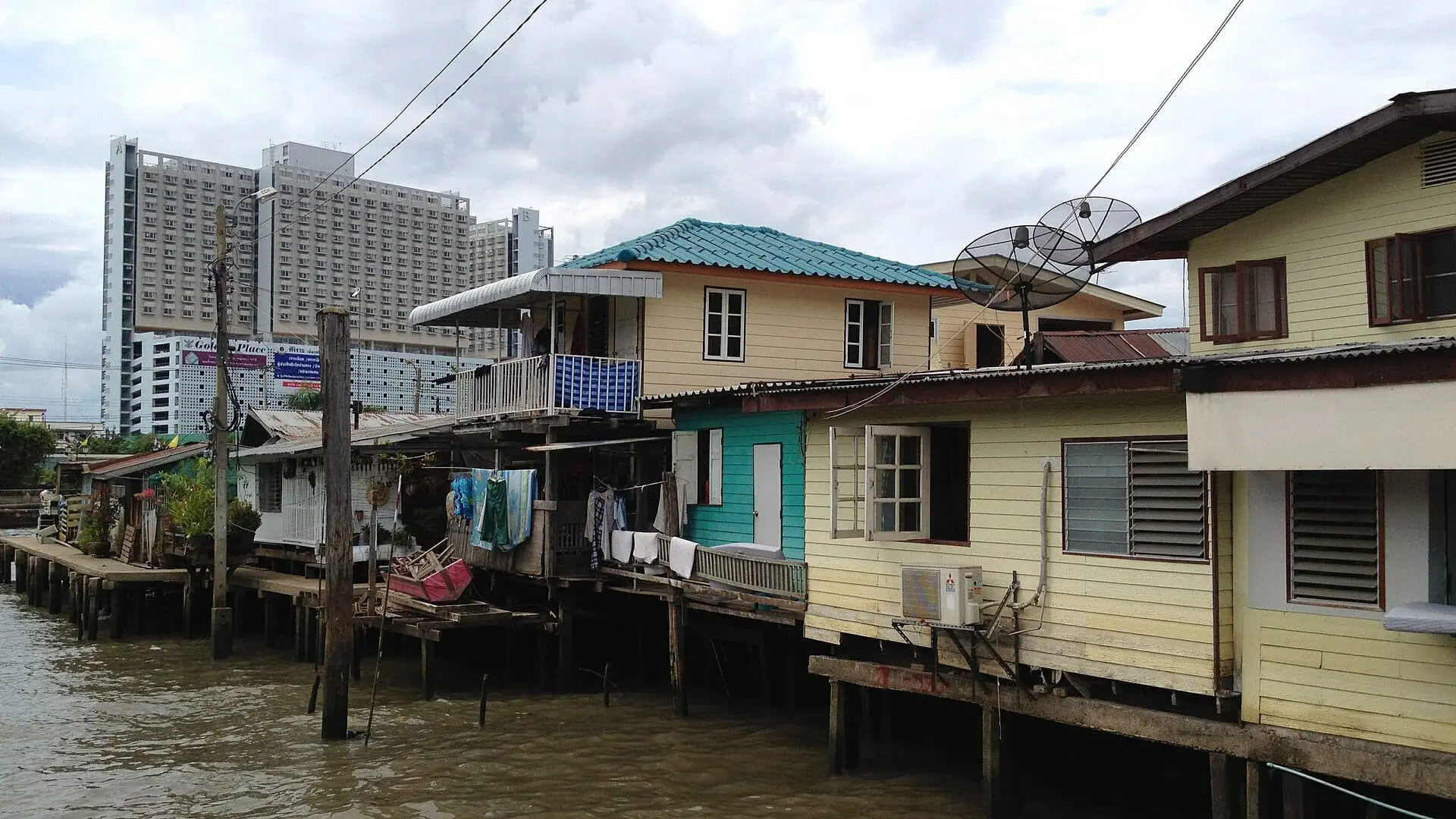
Sukhumvit is where most visitors end up staying, and for good reason: the BTS line runs directly above the road, connecting hotels to shopping malls, restaurants, and nightlife with zero traffic exposure. The key areas: Nana (Soi 3-11) for Middle Eastern food and budget hotels; Asok (Soi 19-23) for the Terminal 21 mall and easy MRT interchange; Phrom Phong (Soi 24-39) for upscale dining, the Emporium mall, and Benchasiri Park; Thong Lo (Soi 55) for Bangkok’s trendiest restaurants, rooftop bars, and the expat social scene.
Further up the line, Ekkamai and On Nut represent the frontier of Bangkok’s gentrification — excellent restaurants, local markets, and hotel rates 40% lower than Silom or central Sukhumvit. On Nut’s Tesco Lotus night market is one of the best-value food experiences in the city.
Street Food: What to Eat and Where
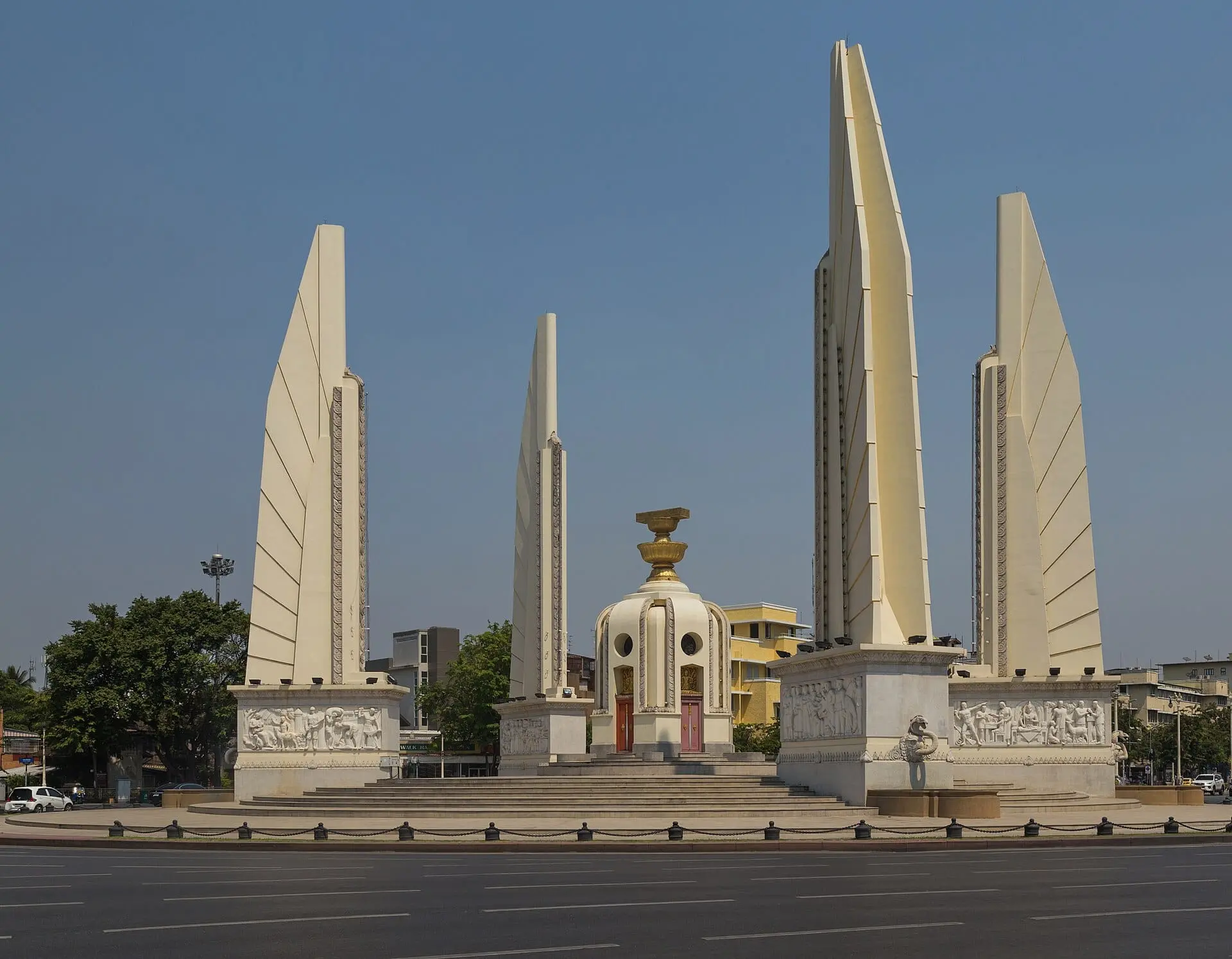
Bangkok’s street food is not a single cuisine: it is a collection of regional Thai, Chinese-Thai, Muslim-Thai, and Indian traditions that have evolved in the city over generations. The essentials
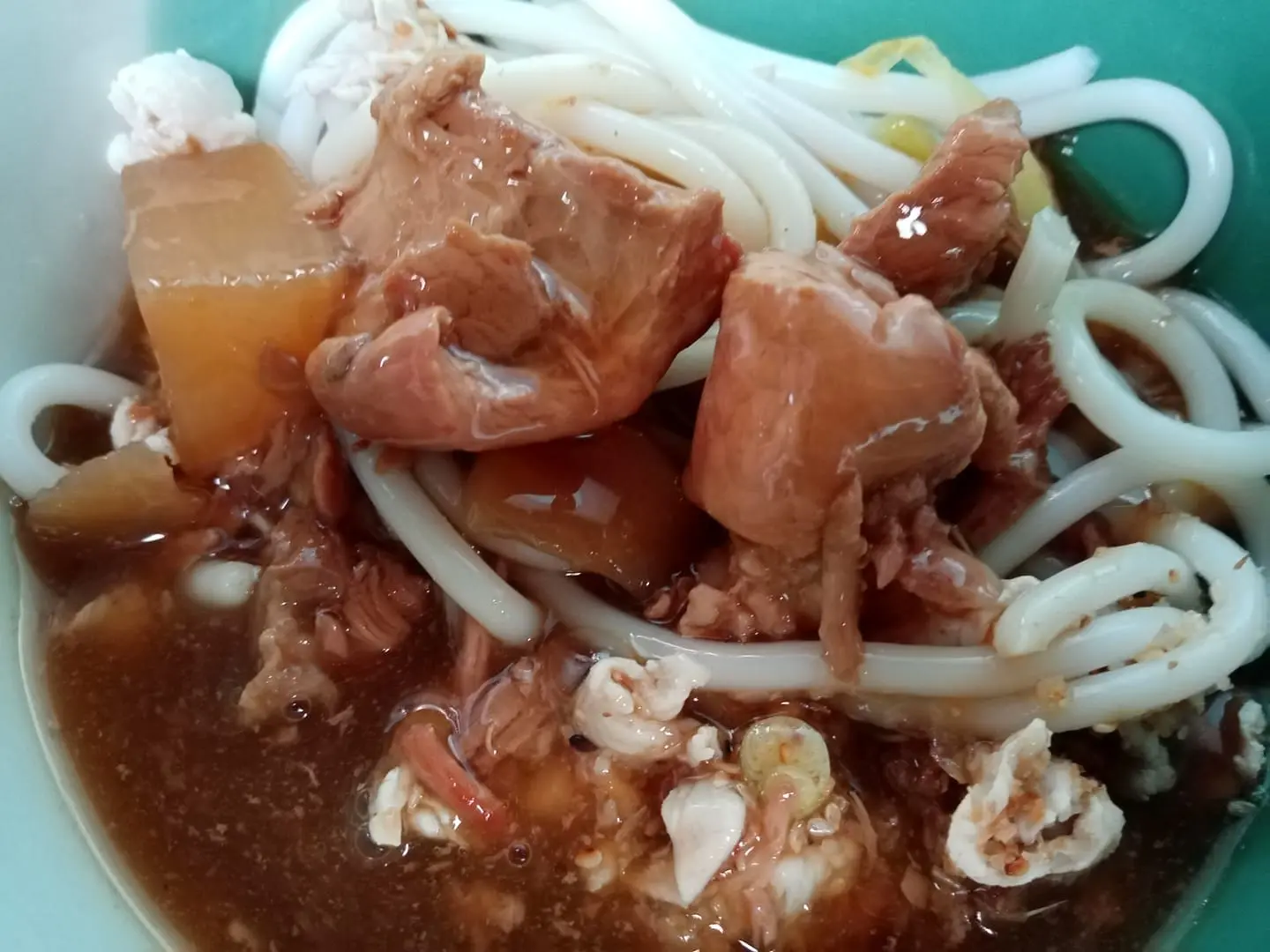
Pad kra pao (basil stir-fry with rice and fried egg), the actual national dish, available on every soi. 50-80 baht. Som tam (green papaya salad), ranges from mild to genuinely dangerous levels of chilli. 40-60 baht. Khao man gai (Hainanese chicken rice), deceptively simple, defined by the quality of the broth. 50-70 baht. Kuay teow (boat noodles), tiny bowls of intensely flavoured beef or pork noodle soup. 15-20 baht per bowl, order four or five. Mango sticky rice: the dessert that defines Bangkok, best from street vendors using Nam Dok Mai mangoes (March-June season). 80-120 baht.
Key street food zones: Yaowarat (Chinatown) for seafood after dark. Victory Monument for boat noodles. Ari for trendy cafe-street-food hybrids. Silom Soi 20 for lunchtime office worker food (the quality benchmark). Bang Rak for old-school shophouse restaurants that have been cooking for three generations.
The Temple Circuit
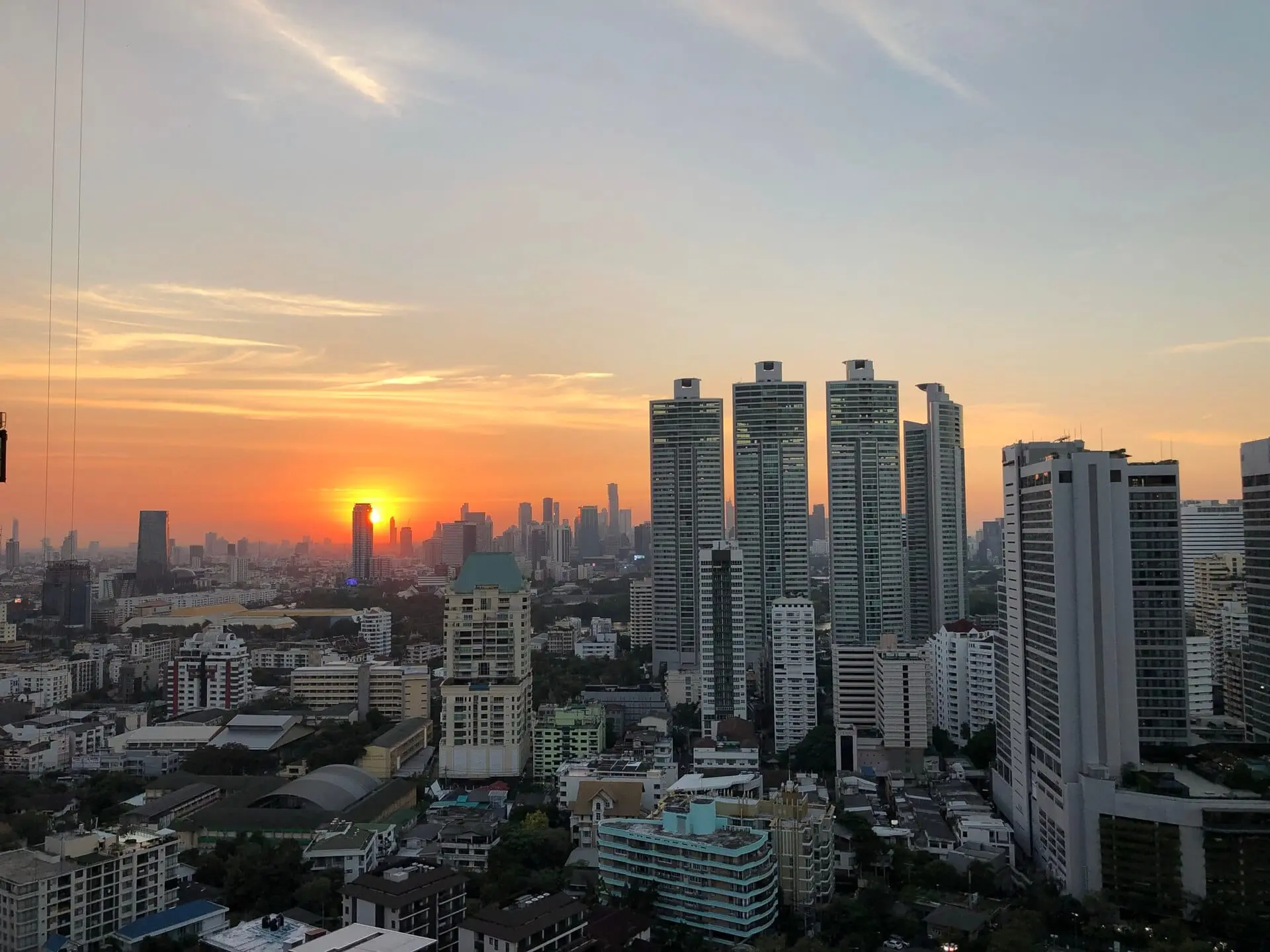
Bangkok has over 400 active Buddhist temples. The essential circuit covers three in a single morning: Wat Phra Kaew (Temple of the Emerald Buddha, inside the Grand Palace complex), Thailand’s most sacred temple, housing a 66cm jade Buddha figure that the king changes robes on three times a year. Wat Pho: the reclining Buddha, the massage school, and the most beautiful tilework in the city. Wat Arun: the Temple of Dawn, best seen at sunset from the Tha Tien pier side, then crossed to for a close-up climb.
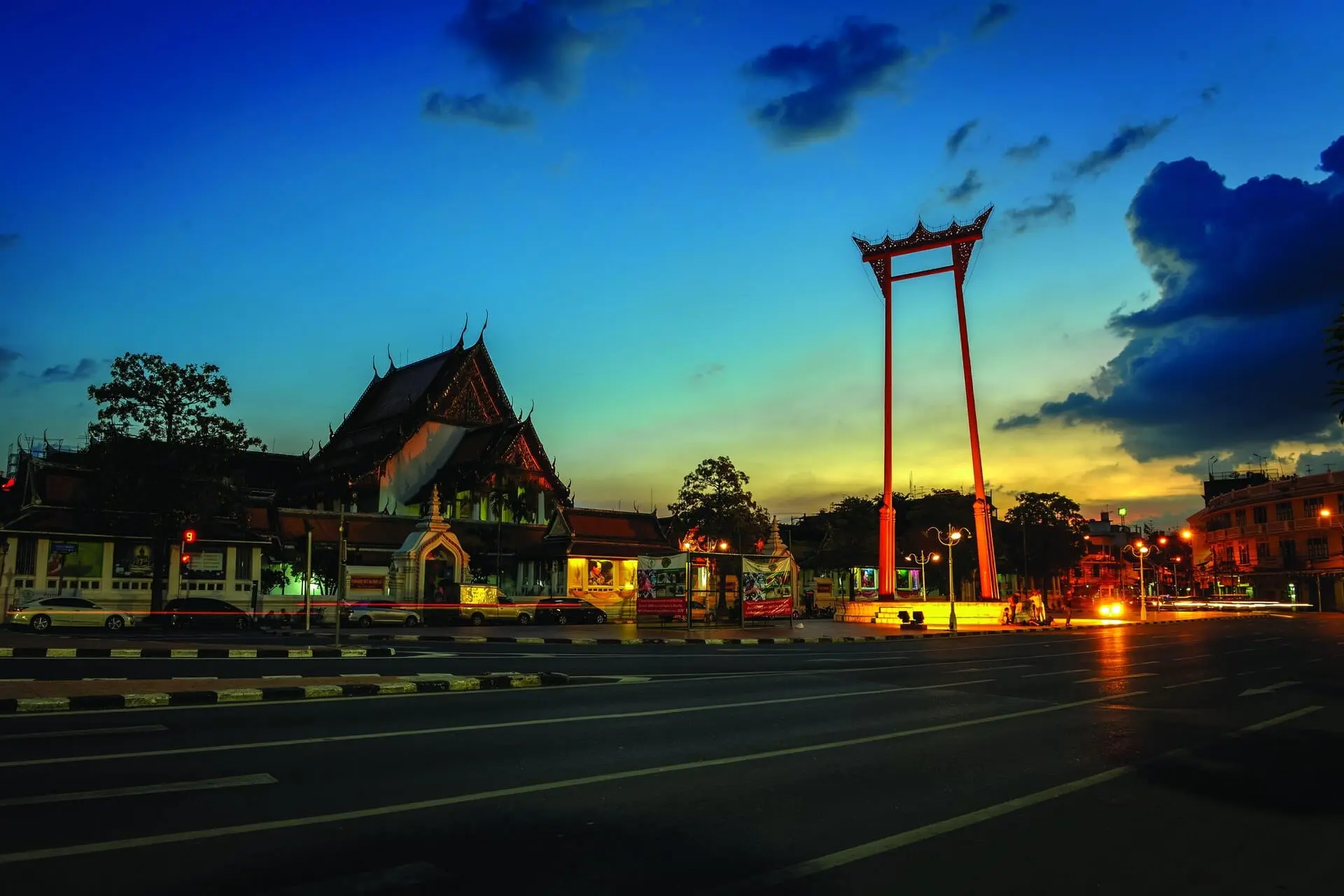
Beyond the big three: Wat Saket (the Golden Mount) offers the best panoramic view of the old city from its hilltop chedi. 344 steps, minimal crowds. Wat Benchamabophit (the Marble Temple) is architecturally the most refined, built from Italian Carrara marble. Wat Traimit in Chinatown houses a 5.5-tonne solid gold Buddha, the largest in the world, discovered accidentally in 1955 when a plaster covering cracked during a move.
Day Trips from Bangkok
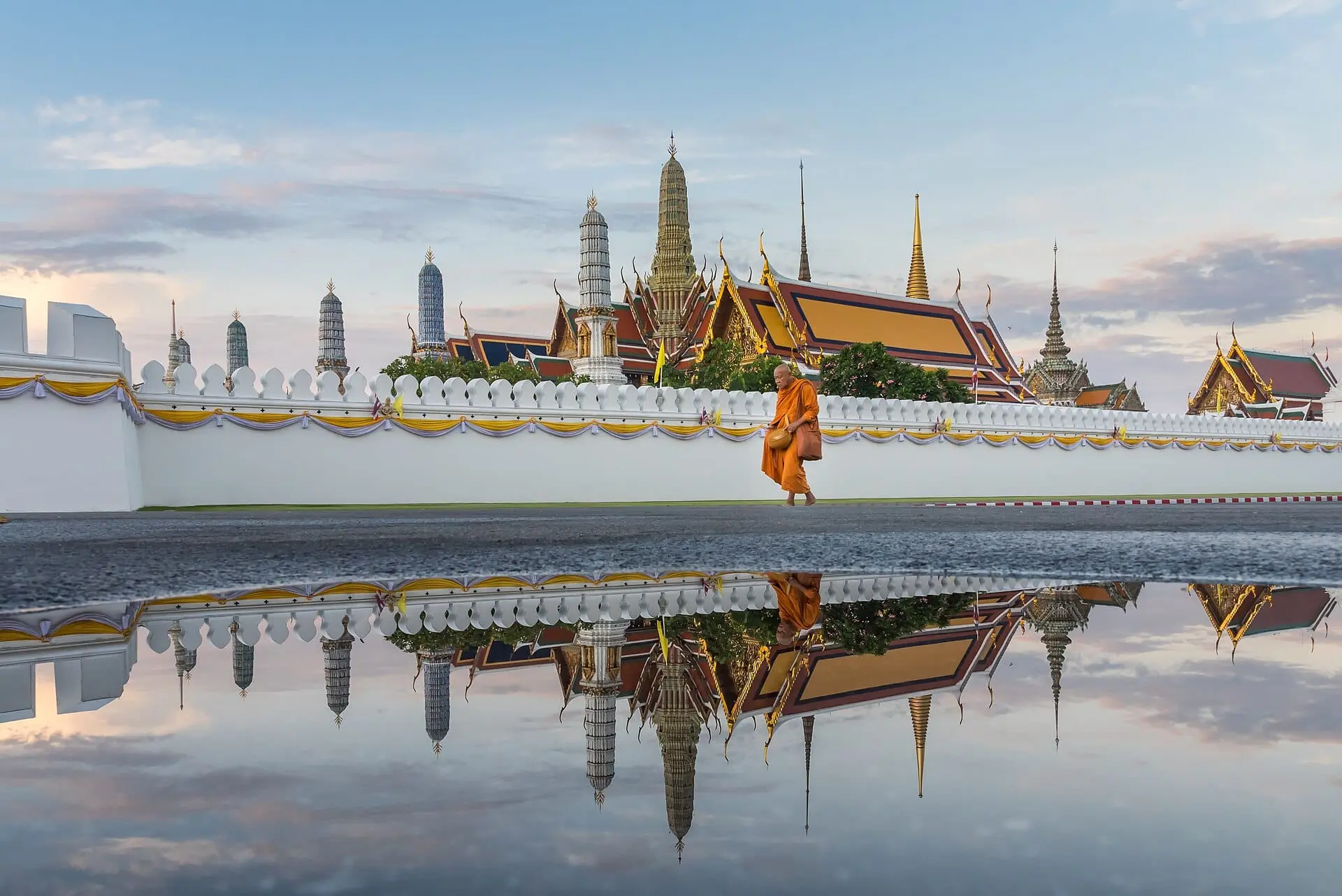
Ayutthaya (80 km north, 1.5 hours by train): The ruins of the former Siamese capital, destroyed by the Burmese in 1767. UNESCO World Heritage Site. Rent a bicycle at the station and cover the main temples in a day. Train from Hua Lamphong: 20-345 baht depending on class.
Amphawa Floating Market (90 km southwest, weekends only): A more authentic alternative to the tourist-heavy Damnoen Saduak. Evening firefly tours on the canal are magical. Best reached by minivan from Victory Monument (80 baht).
Kanchanaburi (130 km west, 2.5 hours): The Bridge on the River Kwai, Erawan National Park’s seven-tier waterfall with turquoise pools, and the Hellfire Pass memorial. Doable as a long day trip but better as an overnight.
Getting Around
BTS Skytrain + MRT Subway: Cover most tourist areas. Single rides 16-62 baht. Get a Rabbit Card (reloadable) to avoid queuing for tokens. Runs 5:30 a.m. To midnight.
Chao Phraya Express Boat: Orange flag (15 baht) for most stops. Tourist boat (60 baht) with commentary. Faster than road transport along the river corridor.
Grab (ride-hailing): The Uber equivalent. Significantly cheaper than metered taxis, and no language barrier, the app handles the destination. GrabBike (motorcycle taxi) is the fastest way through traffic.
Tuk-tuks: Fun once, wildly overpriced for regular transport. Negotiate hard, a fair price for a 2km ride is 60-80 baht. Any driver who quotes 20 baht is planning a gem shop detour.
Realistic Budget Breakdown
| Item | Daily Cost (Budget / Mid-Range) |
|---|---|
| Accommodation | $12-25 (hostel/guesthouse) / $50-120 (boutique hotel) |
| Food | $8-15 (street food all day) / $25-50 (restaurants) |
| Transport | $3-8 (BTS/MRT) / $15-25 (Grab rides) |
| Temples & attractions | $15-25 (Grand Palace + Wat Pho) |
| DAILY TOTAL | $38-73 budget / $105-220 mid-range |
Things Nobody Tells You
The 7-Elevens are a food group. Thailand’s 13,000+ 7-Elevens stock toasted sandwiches, onigiri, fresh coffee, and surprisingly good ready meals for 30-50 baht. Late-night 7-Eleven runs are a Bangkok institution.
Traffic is real. A 5km taxi ride can take 45 minutes during rush hour (7-9 a.m., 5-8 p.m.). Always use the BTS/MRT when possible. Google Maps often underestimates Bangkok travel times by 30-50%.
The king is sacred. Lèse-majesté laws are strictly enforced — any perceived disrespect toward the monarchy can result in imprisonment. Never step on Thai currency (the king’s image is on it), never point your feet at a Buddha image, and stand during the royal anthem played at 8 a.m. And 6 p.m. In public spaces and before cinema screenings.
Scam awareness: If someone tells you a temple or palace is ‘closed today’ and offers to take you somewhere else, it is a scam. The Grand Palace is open every day. Tuk-tuk drivers offering suspiciously cheap tours will take you to gem shops and tailor shops where they earn commission. Politely decline.
Frequently Asked Questions
Is Bangkok safe for tourists?
Bangkok is generally very safe for tourists. Violent crime against visitors is rare. The main risks are petty theft in crowded areas (Khao San Road, Chatuchak Market, BTS during rush hour), tourist scams (gem shops, tuk-tuk detours, inflated taxi meters), and traffic accidents. Use common sense with valuables and always ensure taxi meters are running.
How many days do you need in Bangkok?
Three days covers the major temples, Chinatown, and a taste of the food scene. Five days allows day trips to Ayutthaya or the floating markets, plus time in residential neighbourhoods like Ari and Thong Lo. A week is ideal for a deep dive including cooking classes and canal exploration.
What is the best area to stay in Bangkok?
Sukhumvit (Asok to Phrom Phong) offers the best balance of BTS access, restaurants, and hotels at all price points. Silom/Sathorn for business travellers and riverside dining. Khao San Road for budget backpackers and social hostels. Chinatown for atmosphere and food, though transit options were limited until the new MRT station.
Is Bangkok too hot to visit in summer?
March to May is genuinely brutal: 35-40°C with high humidity. The hot season is the least comfortable for sightseeing. November to February is the cool season (25-32°C, lower humidity) and the best time to visit. June to October is rainy season: afternoon downpours are heavy but short, temperatures drop, and crowds thin significantly.
Do I need a visa for Thailand?
Most Western passport holders receive a 30-day visa exemption on arrival (60 days for some nationalities as of policy changes). Check the Thai Ministry of Foreign Affairs website for your specific nationality. Extensions of 30 days are available at immigration offices for 1,900 baht.
More from Packzup
Torn between destinations? See our honest comparisons: Bangkok vs Phuket, Bangkok vs Dubai, Tokyo vs Bangkok, Hong Kong vs Bangkok, Bangkok vs HO Chi Minh, Bangkok vs Singapore, Bangkok vs Chiang Mai.
Still deciding on Bangkok?
More guides: Bangkok vs Phuket · Bangkok airport to city center
Best time to visit Bangkok (real climate data)
Best months: January, December, February.
Bangkok’s warmest month is April (avg 34°C / 93°F), the coolest is December (low 22°C / 72°F). The wettest is September (325 mm) and the driest is January.
Source: Open-Meteo ERA5 climate normals (2019–2023). See the full month-by-month weather →
You Might Also Love

Written by
Founder of Packzup. Independent travel writer covering offbeat destinations across six continents since 2018. Every guide is independently researched and self-funded — no press trips, never sponsored.
Before you go: see whether they speak English in Bangkok and what to wear, check the tap water, sort your mobile data, and find out if it is a cash or card destination, and brush up on local etiquette.
Still deciding? Read our honest take: Is Bangkok worth visiting? The honest verdict
Wondering about safety? Read the honest answer: Is Bangkok safe in 2026?