
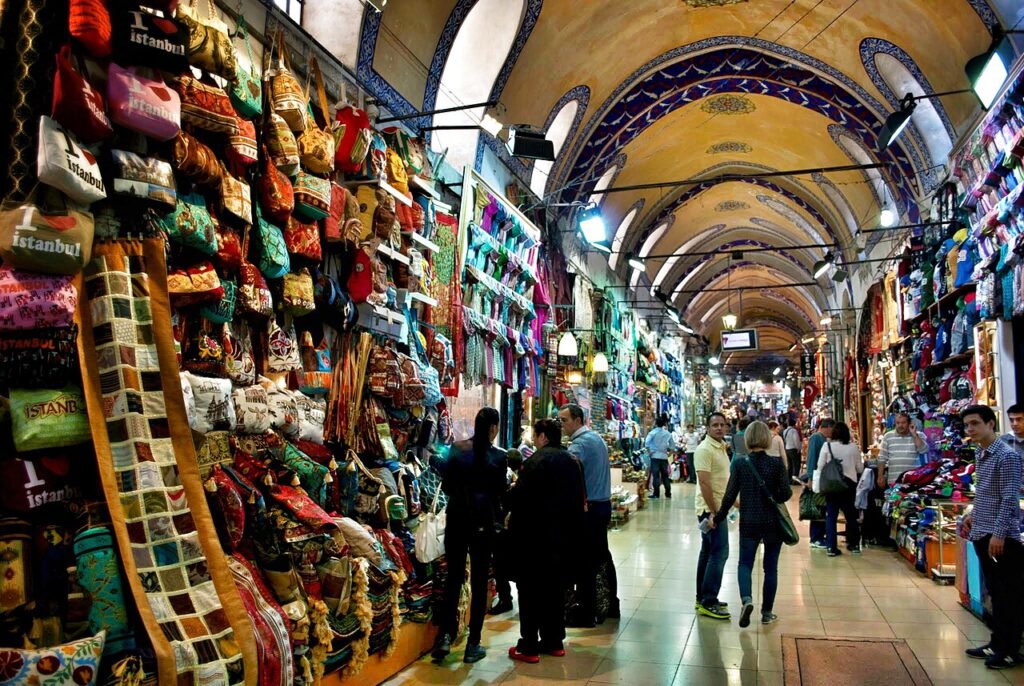
Marrakech in October is the post-summer shoulder month — the heat finally drops to comfortable walking temperatures, the souks become enjoyable instead of furnace-like, the Atlas Mountains retain the post-monsoon green from August-September rains, and the autumn date harvest brings fresh dates to every stall. October pairs well with the Marrakech-in-March guide as the opposite shoulder month. This covers what October delivers, the Atlas day-trip windows, hotel pricing, the souk-walking rhythm, and how October compares to March for the shoulder-month decision.
October Marrakech at a glance (2026)
- Average temperature: 18-28°C (64-82°F)
- Atlas Mountains state: Post-monsoon green, snow not yet on peaks
- Hotel cost vs August: 10-20% lower
- Souk-walking comfort: Excellent (all day vs July-August midday hostile)
- Ramadan 2026 status: Past — Ramadan ended March 19
- Best 3 day-trips: Atlas (Imlil/Setti Fatma), Essaouira, Ourika Valley
Why October works for Marrakech
Marrakech sits at 466m elevation in central Morocco. The climate has two clear characters: extremely hot summers (May-September daytime 30-42°C) and comfortably warm winters (November-March daytime 18-25°C). October is the transition out of summer — the daytime peak settles into the 25-28°C range, mornings become cool (16-18°C), and the souks become physically pleasant to walk.
Specific October advantages over August:
- Souk walking becomes all-day feasible: August’s 38-42°C makes 11am-4pm walking dangerous. October’s 28°C peak is comfortable.
- Atlas Mountains daytime hiking becomes safe: same elevation, lower temperatures, less heat-stress risk on the Imlil-area walks.
- Hotel pricing dips: 10-20% below August peak, before climbing again in November-March peak season.
- Date harvest season: fresh dates appear at every souk stall. The October-specific food moment.
Atlas Mountains in October
The High Atlas Mountains rise 50 km south of Marrakech. October specifically delivers a brief but unique state: post-monsoon green. Summer rains (August-September) have left the foothills genuinely green; the peaks haven’t yet acquired snow (that arrives in November-December). The combination of green foothills + clear-sky views to the peaks is briefly photographic.
Imlil + Toubkal foothills
The standard high-Atlas day-trip. 90-minute drive from Marrakech. The walk from Imlil to Sidi Chamharouch (3-hour round-trip, 2,310m elevation) gives the foothills experience without requiring a multi-day Toubkal trek. October temperatures at 1,740m elevation: 12-22°C daytime, drops to 8-10°C in evening. Pack a fleece.
Setti Fatma + Ourika Valley
The gentler alternative. 1-hour drive from Marrakech. The valley’s seven waterfalls (Cascades de Setti Fatma) and Berber villages. October specifically: the rain-fed waterfalls are at their strongest of the year after August rains. The valley remains green into October before browning in November.
Why October over March for Atlas trips
March delivers snow-capped peaks + green foothills (the photogenic combination). October delivers green foothills + clear-sky views without snow on peaks. The October version is less iconically photogenic but offers warmer daytime walking temperatures.
Souk rhythm in October
Marrakech’s medina becomes physically pleasant to walk in October. The traditional rhythm:
- 9am-noon: major sights (Bahia Palace, Madrasa Ben Youssef, Saadian Tombs). The morning light is at its softest for photography.
- Noon-3pm: long lunch + rest at your riad rooftop. Less essential in October than in summer but still recommended.
- 4-7pm: souks. The afternoon light is photographic, prices feel less aggressive than the morning rush, and the temperature is genuinely pleasant.
- 7pm onwards: Jemaa el-Fnaa square food stalls + dinner + riad return. October evenings are warm enough for the open-air food-stall experience.
October vs March for Marrakech
The two shoulder months get compared constantly. The honest differences:
March: Atlas snow-capped + green foothills (the photogenic combination), Ramadan-year awareness (Ramadan dates shift each year), date palm green growth season. Cooler evenings (8-12°C lows). The recommendation for photographers + first-time visitors.
October: Atlas green foothills without snow, post-Ramadan normal calendar, autumn date harvest at souks, warmer evenings (15-17°C lows). Pre-peak-winter pricing. The recommendation for repeat visitors + travelers wanting warmer late-day walks.
Both deliver comfortable souk-walking. For maximum photographic Atlas contrast, March. For maximum sourdough hammam-evenings outdoor-dinner comfort, October.
For deeper Marrakech-specific planning, see the Marrakech travel guide and the Marrakech in March shoulder companion.
Hotels and cost
October pricing structure for mid-range Marrakech riads in 2026:
- Early October (Oct 1-15): €70-130/night. Transition from August peak.
- Late October (Oct 16-31): €60-110/night. The genuine value window.
- Compare: August peaks at €90-170/night; February-March valley at €50-100/night; November-March peak at €80-180/night.
Best riad zones for October: Medina-deep (5-min walk from Jemaa el-Fnaa, the immersive option), Mouassine (quieter medina area), Kasbah (near Saadian Tombs, the residential medina), Hivernage (modern hotels outside the medina walls — French-Moroccan colonial-era zone, more polished).
Three-day October itinerary
- Day 1: medina + Jemaa el-Fnaa. Morning Bahia Palace + Madrasa Ben Youssef. Lunch at Nomad or La Famille. Afternoon souks (dyers + spice + carpets). Sunset Jemaa el-Fnaa (arrive before sunset for the daytime-to-evening transition). Dinner at Jemaa food stalls or a rooftop restaurant.
- Day 2: Atlas day-trip. Full day Imlil + Sidi Chamharouch hike OR Ourika Valley + waterfalls. Return by 6pm. Evening hammam at riad.
- Day 3: gardens + neighborhood + departure. Morning Jardin Majorelle + Yves Saint Laurent Museum. Lunch at La Mamounia gardens (open to non-guests, reservation required) or a Gueliz restaurant. Afternoon last souks for final purchases.
Read alongside
Frequently asked
Is October a good time to visit Marrakech?
Yes — one of the best months. Daytime 25-28°C makes souk walking pleasant, mornings 16-18°C are cool, Atlas Mountains retain post-monsoon green. October sits between the brutal summer heat and the pre-peak-winter October-November shoulder window.
How hot is Marrakech in October?
Daytime 25-28°C, dropping to 16-18°C overnight. Significantly cooler than September (28-32°C). Roughly equivalent to March’s 22-25°C but with warmer mornings. The souks become physically pleasant to walk all day, unlike July-August.
Can I visit the Atlas Mountains from Marrakech in October?
Yes — October is one of the better months for Atlas day-trips. The foothills retain post-monsoon green, daytime walking temperatures at 1,740m elevation are 12-22°C, and the absence of summer heat-stress risk makes longer walks feasible. Imlil + Sidi Chamharouch or Ourika Valley work well.
Is October cheaper than March for Marrakech?
Slightly. October hotel rates run €60-130/night vs March’s €70-140. The pre-peak-winter pricing dip in late October is the genuine value window. Both October and March deliver shoulder-pricing compared to August peak and February-March peak.
October or March for Marrakech?
March for photographers wanting Atlas snow-on-peaks + green foothills. October for travelers wanting warmer late-day walks + post-Ramadan normal calendar + autumn date harvest. Both deliver comfortable souk-walking. March slightly cooler evenings; October slightly warmer.
What should I pack for Marrakech in October?
Light layers: T-shirts or long-sleeve shirts for daytime, a fleece or light jacket for evenings (16-18°C lows) and for the Atlas day-trip (cooler at elevation). Comfortable walking shoes for souk cobblestones. Modest dress for the medina (covered shoulders, knees for women) is respectful.

Written by
Founder of Packzup. Independent travel writer covering offbeat destinations across six continents since 2018. Every guide is first-hand and self-funded — no press trips, never sponsored.