
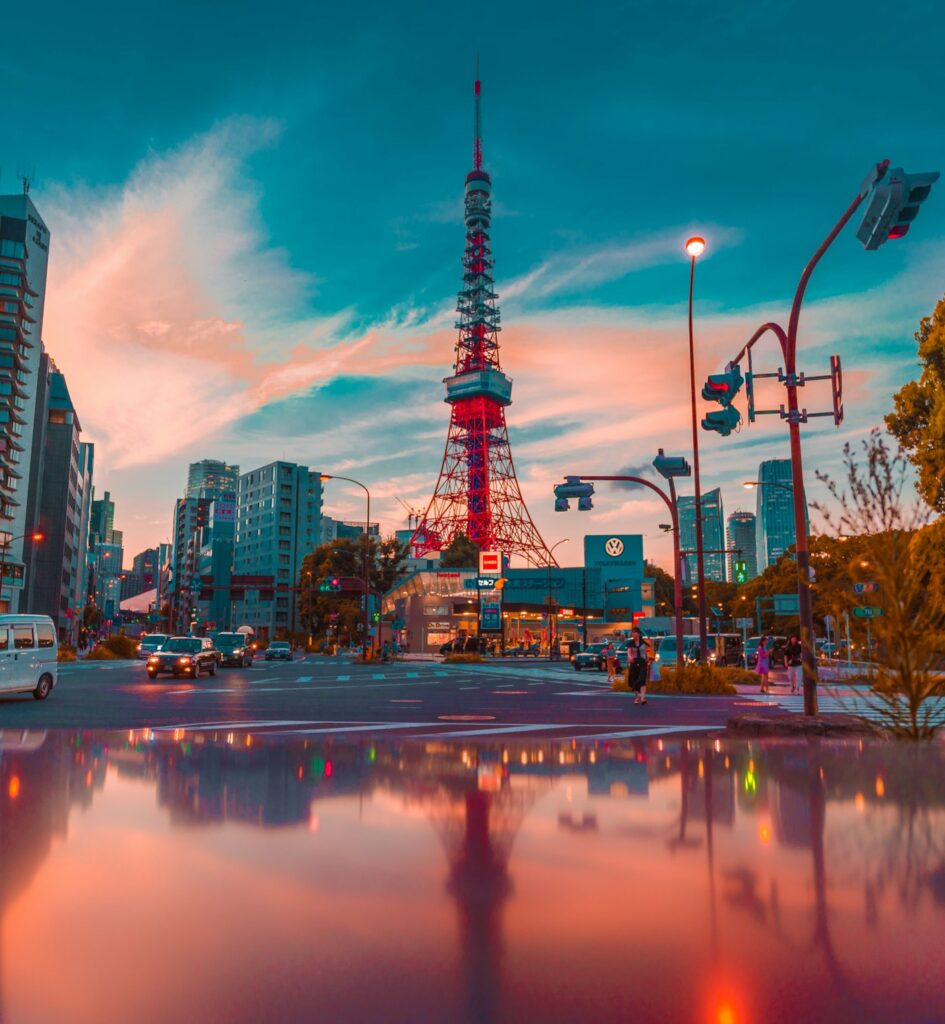
Japan travel tips
20 Things to Know Before Visiting Japan (2026)
Japan is one of the most rewarding travel destinations, but a few specific cultural and practical points dramatically smooth the trip. Here are 20 things that matter — from the new JESTA visa system to where to use cash to onsen etiquette.
01. New JESTA travel authorization (late 2025+)
All visa-free visitors need it before boarding. ~1,000 yen, apply online 72h+ ahead at the official government site.
02. Cash is more important than you’d expect
Cards work at chains and hotels but smaller restaurants are cash-only. Bring 10,000 yen daily.
03. Get a Suica or PASMO IC card
Universal tap-and-go: trains, buses, convenience stores. Get one at the airport.
04. Don’t tip — anywhere
Not at restaurants, not for taxis, not for hotel staff. It causes confusion.
05. Bow to greet, not handshake
A small head-bow is the standard greeting. Hand-shaking is reserved for formal business with foreigners.
06. Take shoes off in homes, ryokan, tatami rooms
The genkan (entrance) is where shoes come off. Slippers provided; never slippers on tatami.
07. Onsen (hot spring) etiquette
Wash thoroughly before entering. No towels in the water. No tattoos in many traditional onsens (some accept; check signage).
08. Quiet on trains
No phone calls. Texting only. Quiet conversation OK but locals don’t talk loudly.
09. Trains run on the dot
If the schedule says 14:32, it leaves at 14:32. Get to the platform 5 min early.
10. Vegetarian/vegan is hard
Most dashi broth uses fish stock. ‘Vegetarian’ in Japan often means ‘no visible meat’ (still fish broth). Strict vegans need to plan carefully.
11. English is more limited than expected
Train signage is excellent; spoken English is limited. Google Translate’s camera works well for menus.
12. Pocket WiFi or eSIM is essential
Free WiFi exists at major stations but unreliable. Pick up a Pocket WiFi at the airport (~¥1,000/day) or use Airalo eSIM.
13. Garbage cans are rare
Carry trash with you until you find a convenience store. Eat on the move = look for a discreet corner.
14. Don’t eat while walking
Especially in temple districts. Eating is a stationary activity.
15. Dress modestly at temples + shrines
Cover shoulders and knees. Wash hands and rinse mouth at the temizuya before entering.
16. Reserved seats on Shinkansen are different from non-reserved
Non-reserved (jiyu-seki) is fine for most routes; reserved (shitei-seki) saves a seat during peak.
17. Late March to April + mid-November are peak crowds
Cherry blossom + autumn foliage = double prices, queues, and reservations needed.
18. Beware of street touts in Kabukicho (Shinjuku)
‘Shows’ and ‘massages’ lead to scams. Walk past.
19. Earthquakes happen
Hotels have evacuation maps. Major earthquakes have apps (Yurekuru Call).
20. The whole country is exceptionally safe
Solo female travel + late-night walks are normal. Wallets dropped on trains often get returned.