
Last updated September 1, 2026 · Editorial policy
Still deciding? Compare: Tokyo vs Kyoto · Tokyo vs Seoul
Tokyo Itinerary: 5-Day Day-by-Day Travel Plan
Quick answer: This 5-day Tokyo route pairs old-Tokyo temples in Asakusa with the neon core of Harajuku, Shibuya and Shinjuku, a hot-spring day trip to Hakone, and Tokyo’s best food neighborhoods around Toyosu and Tsukiji.
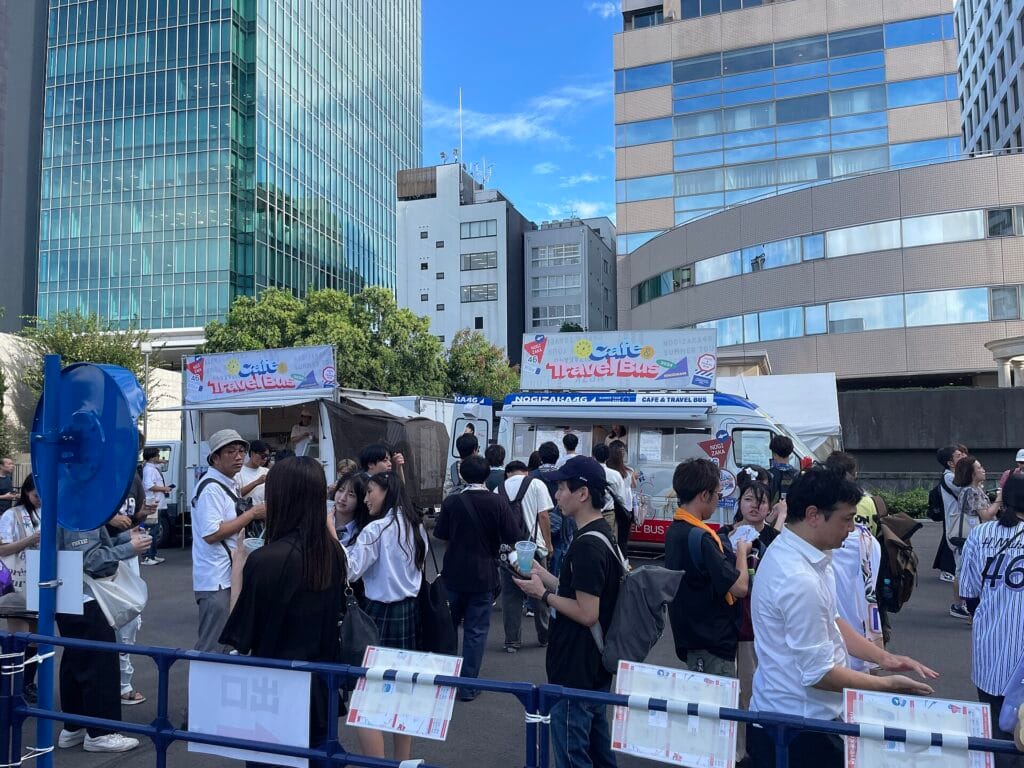
Planning a trip to Tokyo? This itinerary is built from a first-time-visitor perspective: hit the icons, eat the best food, and finish with memorable experiences. Each day mixes a major sight, food stops, and downtime.
Tokyo Itinerary at a Glance
| Day | Focus |
|---|---|
| Day 1 | Arrival & Old Town walking |
| Day 2 | Top museum + iconic landmark |
| Day 3 | Hidden neighborhoods + food tour |
| Day 4 | Day trip outside the city |
| Day 5 | Outdoor adventure or beach |
Day-by-Day Itinerary
Day 1
Ease in with old Tokyo. Start at Senso-ji in Asakusa — arrive by 8am and you’ll have the great red Kaminarimon lantern and the Nakamise-dori approach almost to yourself before the tour buses land. The temple grounds are free. Grow hungry? Nakamise’s stalls sell fresh ningyo-yaki (little sponge cakes) and menchi-katsu for a few hundred yen. From Asakusa, walk ten minutes to the river and ride the Sumida cruise or simply admire the Tokyo Skytree across the water; the Skytree observation deck runs about ¥2,100–3,100 (roughly $14–21). Grab a Suica or Pasmo IC card at the station first — you’ll tap it on every train all week. Planning note: skip the crowded main street and cut into the side lanes west of the temple, where you’ll find quieter craft shops and standing sake bars locals actually use.
Day 2
Go modern and youthful today. Begin at Meiji Shrine, a forested sanctuary beside Harajuku — go early, around 9am, when the gravel paths are cool and calm; entry is free. Step out into Takeshita-dori for Harajuku’s candy-colored teen fashion and a rainbow crepe (about ¥600 / $4). Walk south through leafy Omotesando, Tokyo’s Champs-Élysées of architecture, toward Shibuya. Time your arrival at the Shibuya Crossing for dusk, when the neon fires up and the scramble is at its most cinematic; the Shibuya Sky rooftop deck (about ¥2,500 / $17, book ahead) gives the best overhead view. Everything here links on the JR Yamanote Line or the Ginza subway. Planning note: for the classic crossing photo without paying, nurse a coffee upstairs at the Starbucks in the Tsutaya building overlooking the intersection.
Day 3
Take a day trip to Hakone for hot springs and, on clear mornings, Mount Fuji. From Shinjuku, buy the Hakone Free Pass (about ¥7,100 / $48 for two days from Shinjuku), which covers the loop of mountain trains, cable car, ropeway and pirate-ship boat across Lake Ashi. Splurge on the reserved Odakyu Romancecar for the scenic run out (about ¥1,200 / $8 each way). Ride the ropeway over the sulfurous Owakudani valley, where vendors sell eggs blackened in the volcanic springs. Soak in an onsen; many ryokan and day spas admit visitors for roughly ¥1,000–2,000 ($7–13). Planning note: leave Shinjuku by about 8am — Fuji most reliably shows itself in the clear morning air and often hides behind cloud by afternoon. Note tattoos may bar entry at traditional onsen; ask first or seek a tattoo-friendly bath.
Day 4
Dive into food and pop culture. Begin at the Toyosu fish market, which replaced old Tsukiji as the wholesale hub — the tuna auction viewing is free but demands a dawn arrival (around 5:30–6am, reachable on the automated Yurikamome line). More relaxed: the surviving Tsukiji Outer Market still buzzes with stalls selling tamagoyaki skewers, grilled scallops and the freshest sushi breakfast (a good set runs roughly ¥3,000–5,000 / $20–34). Afternoon: ride to Akihabara for electronics, retro arcades and anime multi-floor shops, or cross town to teamLab Planets in Toyosu, a barefoot digital-art immersion (about ¥3,600 / $24, open through 2027, book a timed slot). Planning note: order sushi omakase-style at an outer-market counter and just point — the day’s best catch is whatever the chef nudges toward you.
Day 5
Finish among skyscrapers and gardens. Ride to Shinjuku and go up the Tokyo Metropolitan Government Building, whose observation decks are free and rival any paid tower for the sweeping city panorama (clear days show Fuji). Wander the atmospheric lantern-lit alleys of Omoide Yokocho and, after dark, the tiny bars of Golden Gai; expect a small cover charge (often ¥500–1,000 / $3–7) at these matchbox-sized spots. For calm, the Shinjuku Gyoen garden charges about ¥500 ($3.50) and is spectacular in cherry-blossom and autumn seasons. Everything connects via the JR and Metro lines through Shinjuku Station, the world’s busiest. Planning note: for dinner, seek out a ramen shop with a ticket vending machine at the door — you buy a ticket, hand it over, and a steaming bowl of tonkotsu or shoyu ramen (about ¥900–1,200 / $6–8) arrives fast, no English needed.
Where to Stay in Tokyo
Choose a central neighborhood within walking distance of major sights — you’ll save hours of commute time over 5 days. Book 6-12 weeks ahead for best rates.
Budget Breakdown (5 Days)
Japan is rated Pricey in our Travel Cost Index 2026. Figures are country-level daily ranges per person and exclude international flights.
| Travel style | Per day | Total 5 days |
|---|---|---|
| Budget | $55-100 | $275-500 |
| Mid-range | $180-300 | $900-1,500 |
| Luxury | $450-700 | $2,250-3,500 |
Source: Packzup Travel Cost Index 2026 — country-level averages; city and peak-season prices run higher. Excludes international flights.
What to Pack
- Clothing: Pack breathable layers for Tokyo’s humid summer or a warm coat December to February, comfortable walking shoes you can slip off easily at temples and some restaurants, and a compact rain jacket for the June rainy season.
- Tech: Japan uses Type A plugs at 100V, the same two flat pins as North America; grab a tourist eSIM or airport SIM, and download offline maps plus a transit app for Tokyo’s rail maze.
- Documents: Many nationalities enter Japan visa-free for short tourist stays, but check current rules for your passport; carry your passport at all times (required by law), plus copies and travel insurance details.
- Money: Currency is the Japanese yen; cards and Suica or Pasmo IC cards cover most of Tokyo, but keep cash for small ramen shops, shrines, and markets; 7-Eleven ATMs take foreign cards, and tipping is not expected.
- Day bag: Refillable bottle (tap water is safe), small hand towel since many restrooms lack dryers, coins for vending machines, and a bag for trash because public bins are rare.
Routing Tokyo Without Backtracking: The Mistakes That Eat Your Days
The trip-killer here is treating Tokyo as one place and zigzagging across it. The city splits cleanly into an older east (Asakusa, Ueno, Akihabara) and a trend-driven west (Shibuya, Harajuku, Shinjuku), and the smart move is to keep each day inside one zone so trains stay short. Pair Asakusa with Ueno, which sit about five minutes apart on the Ginza Line, then walk roughly 20 minutes from Senso-ji across the Sumida River Walk (open 7:00 to 22:00) to Tokyo Skytree rather than riding back into the centre. On the west side, chain Meiji Shrine, Harajuku and Shibuya, since the shrine entrance is barely a minute from Harajuku Station and Shibuya is the very next stop on the JR Yamanote Line.
Two specific traps catch first-timers:
- The fish-market morning. Toyosu and the Tsukiji Outer Market both close on Sundays and most Wednesdays, and the Toyosu tuna-auction deck needs an advance reservation, so a casual walk-up fails.
- The day-trip overreach. Nikko runs about two hours each way; if your schedule is tight, swap it for Kamakura at roughly 45 minutes and keep the temples without losing a full day to the train.
Frequently Asked Questions
Is 5 days enough for Tokyo?
For first-time visitors, 5 days in Tokyo covers the main highlights without rushing. If you want to add day trips, slower pace, or hidden gems, plan 2-3 more days.
How much will a 5-day Tokyo trip cost?
Using the Budget Breakdown table above, drawn from our Travel Cost Index 2026: Budget $55-100/day ($275-500 for 5 days), Mid-range $180-300/day ($900-1,500 for 5 days), Luxury $450-700/day ($2,250-3,500 for 5 days). Country-level averages, excluding international flights.
What’s the best time for this Tokyo itinerary?
Shoulder seasons offer the best balance of weather, crowds, and prices for Tokyo. See destination-specific best-time guide.
How do I get around Tokyo?
You do not need a car in Tokyo; parking is expensive and driving is slower than transit. Ride the JR Yamanote loop and the Tokyo Metro and Toei subways with a Suica or Pasmo IC card, and use Google Maps for routing.
What should I pack for 5 days in Tokyo?
Tokyo days mean 15,000-plus steps, so pack comfortable slip-off shoes for temples and some restaurants. Summers are hot and sticky with a June-July rainy season, so bring a compact umbrella; winters are cold, dry, and layer-friendly.
Should I book hotels in advance?
Book 2-3 months ahead for cherry blossom season (late March to early April), Golden Week (late April to early May), and November foliage; outside those peaks, Tokyo’s huge hotel supply makes a few weeks out usually fine.
Related Tokyo Travel Guides
- Best Things to Do in Tokyo
- Where to Stay in Tokyo
- Best Food in Tokyo
- Best Time to Visit Tokyo
Best time to visit Tokyo (real climate data)
Best months: April, May.
Tokyo’s warmest month is August (avg 32°C / 90°F), the coolest is January (low -0°C / 32°F). The wettest is July (240 mm) and the driest is January.
Source: Open-Meteo ERA5 climate normals (2019–2023). See the full month-by-month weather →
You Might Also Love

Written by
Drew Treasury is a contributing travel writer at Packzup, specialising in city culture, food markets, street art, and neighbourhood-level travel.
Trip prep: before you travel, plan what to wear, check the tap water, sort your mobile data, and see if it is a cash or card country, and skim local etiquette.
Still deciding? Read our honest take: Is Tokyo worth visiting? The honest verdict
