
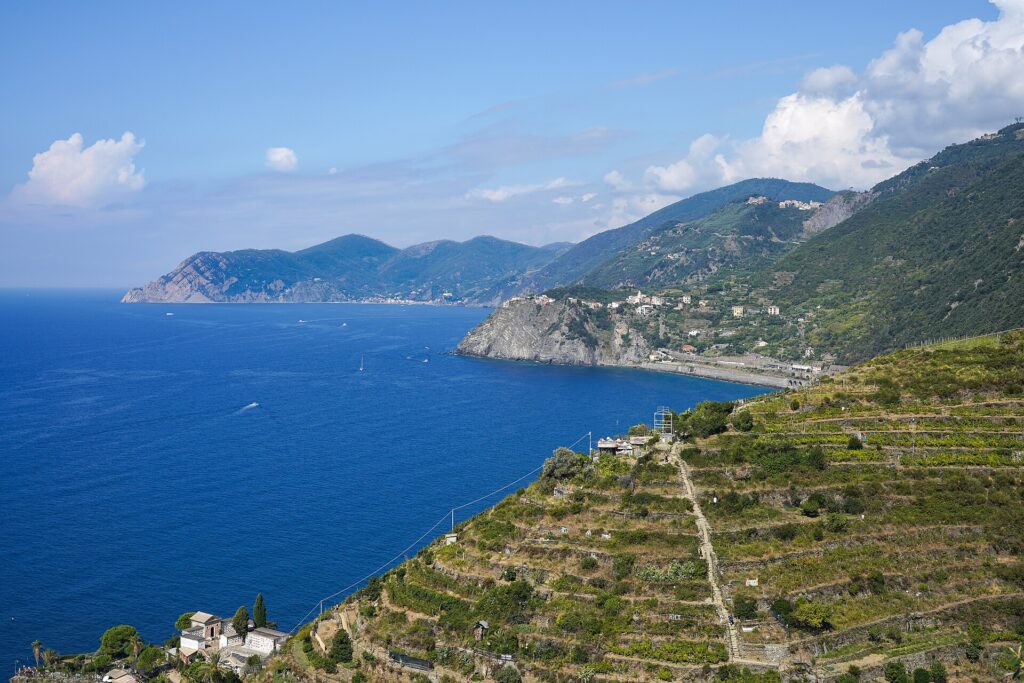
Europe is the continent most travellers get wrong on the first attempt. They land in Paris, Rome, or Barcelona in July, queue for two hours at the Louvre, eat over-priced carbonara at a place with a menu in five languages, and leave thinking they’ve done the continent. They’ve done a very specific, increasingly hostile version of it. The real Europe lives just outside that frame, in second cities, mountain regions, and shoulder seasons that the algorithm doesn’t push as hard.
This is our running collection of honest guides to the continent: where we actually go back to, where the prices still make sense, and where the headline cities are still worth your time if you visit them properly. It updates as we publish.
The state of European travel in 2026
Three things have changed in the last 18 months that you should know about before you book anything.
First, the EU’s Entry/Exit System came online for non-EU visitors in late 2025. If you’re from the US, UK, Australia, or Canada, your passport now gets biometric-checked at the first Schengen entry point. Expect 20-40 extra minutes at major airports on busy days for the next 18 months while everyone learns the system. The connected ETIAS authorisation requirement is delayed again, now expected in late 2026 (7 euros, valid 3 years, apply online before you go — treat it like ESTA).
Second, the tourist-tax wave that started in Venice has spread. Amsterdam now charges 12.5% of your room rate. Barcelona’s daily city tax has roughly tripled since 2023. Manchester added one. Half a dozen Italian hill towns introduced day-tripper fees in 2025. Budget an extra 4-15 euros per night per person for any city anchored by tourism, more for the cities that have started actively pushing visitors out.
Third, the train network keeps improving in real ways. Trenitalia’s Frecciarossa runs Paris-Milan in 7 hours. Spain’s AVE plus France’s TGV now connects Barcelona to Lyon via a clean cross-border line. Night trains are back: ÖBB Nightjet runs to a dozen capitals, Snälltåget runs Stockholm-Berlin via Copenhagen. If you can plan 3-7 days ahead, trains beat flying for almost every city pair under 1,000 km, on time and stress.
The major cities and what to do about them
Paris, Rome, Barcelona, and Amsterdam still deserve their reputations, but the city-break formula stopped working around 2022. The big museums sell out 4-6 weeks ahead. The headline restaurants need reservations from another timezone. The famous neighbourhoods (Sant’Antoni, Le Marais, Jordaan, Trastevere) are full of expat-friendly cafes that could be anywhere.
The fix is simple but unglamorous: arrive Sunday afternoon, leave Wednesday night. You skip the weekend crowds (which include a lot of Europeans on city breaks), you get into restaurants without booking 3 weeks ahead, and the museums on Monday-Tuesday mornings feel closer to how they used to. Stay in a residential arrondissement, not next to the central station. Walk three neighbourhoods, not seven. Eat where the laminated menus end.
For the city guides we’ve published, the practical reads are linked in the grid below. Each one breaks down what to skip, what’s genuinely worth the queue, and what specific neighbourhood to base yourself in for the kind of trip you want.
The second cities that should be first
If you’ve done Rome, Paris, and Barcelona once, here’s where to go next. These cities have most of what people travel for — the food, the architecture, the cafe culture — without the queue dynamics.
- Porto over Lisbon. The river, the wine, the tiles, the food, the prices. Lisbon is fine; Porto is better.
- Tbilisi over Istanbul (for first-time Caucasus). Cheaper, calmer, deeply weird in a good way, four-hour direct flights from most European capitals.
- Kotor over Dubrovnik. Two hours south, half the cruise-ship traffic, the same Adriatic light.
- Sevilla over Madrid (for a weekend break). The tapas culture works in a way Madrid’s doesn’t once you’ve learned it.
- Naples over Rome (for food, specifically). Pizza, sfogliatella, espresso. Stay three nights and walk.
- Ljubljana plus the Julian Alps over Vienna plus the Tyrol. Cheaper, less polished, better hiking.
- Bilbao over Barcelona (for Spain in late spring). Pintxos, the Guggenheim, day-trips into Rioja.
The seasonal calendar that actually matters
July and August are over. They’re too hot for Mediterranean cities (Rome and Athens regularly hit 38C), too crowded everywhere else, and the most expensive month of the year by a long margin. Unless your only window is school holidays, target one of three other seasons.
- Late April to early June. Northern Italy and Spain hit their peak. Wildflowers in the Dolomites and the Picos de Europa. Long evening light. Cypriot and Cretan beaches open without summer crowds.
- Mid-September to mid-October. The cleanest air of the year in Italy and France. Harvest season in wine regions (Bordeaux, Tuscany, Rioja, the Mosel). Sea temperatures still warm enough to swim on the Adriatic and Aegean.
- December for Christmas markets, January for skiing, February for Carnival. Vienna, Prague, Strasbourg, Tallinn all genuinely shine in December. Lapland for aurora and Sámi culture. Venice Carnival the first two weeks of February.
Every European destination we’ve published

Cappadocia in December (2026): Weather, Balloons, Crowds & What to Pack
Cappadocia in December 2026: -1-6°C, 5 snow days, ~45% balloon cancellation rate, moderate crowds. Pros & cons, who should visit, photog…
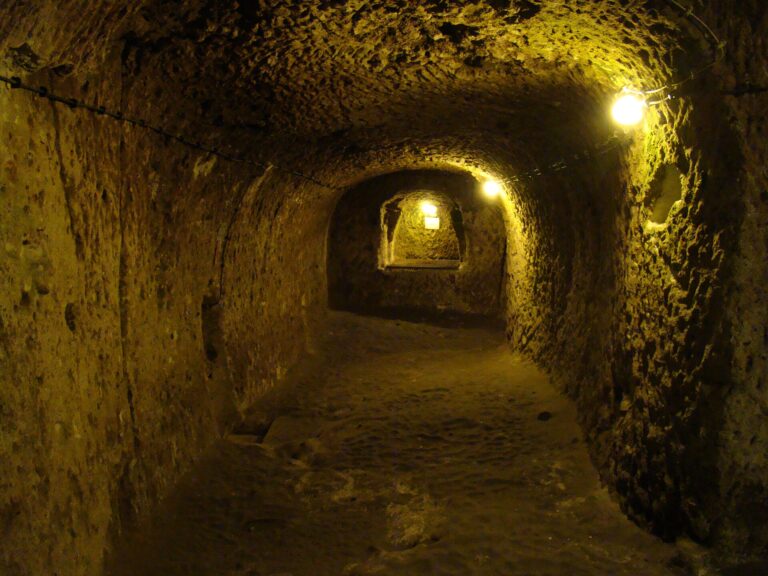
Cappadocia in November (2026): Weather, Balloons, Crowds & What to Pack
Cappadocia in November 2026: 2-11°C, 1 snow days, ~30% balloon cancellation rate, moderate crowds. Pros & cons, who should visit, photog…

Cappadocia in October (2026): Weather, Balloons, Crowds & What to Pack
Cappadocia in October 2026: 7-18°C, 0 snow days, ~15% balloon cancellation rate, busy crowds. Pros & cons, who should visit, photography…

Cappadocia in September (2026): Weather, Balloons, Crowds & What to Pack
Cappadocia in September 2026: 12-26°C, 0 snow days, ~5% balloon cancellation rate, busy crowds. Pros & cons, who should visit, photograp…

Cappadocia in August (2026): Weather, Balloons, Crowds & What to Pack
Cappadocia in August 2026: 16-31°C, 0 snow days, ~3% balloon cancellation rate, peak crowds. Pros & cons, who should visit, photography …

Cappadocia in July (2026): Weather, Balloons, Crowds & What to Pack
Cappadocia in July 2026: 16-31°C, 0 snow days, ~2% balloon cancellation rate, peak crowds. Pros & cons, who should visit, photography co…

Cappadocia in June (2026): Weather, Balloons, Crowds & What to Pack
Cappadocia in June 2026: 13-27°C, 0 snow days, ~5% balloon cancellation rate, very busy crowds. Pros & cons, who should visit, photograp…

Cappadocia in May (2026): Weather, Balloons, Crowds & What to Pack
Cappadocia in May 2026: 9-22°C, 0 snow days, ~10% balloon cancellation rate, very busy crowds. Pros & cons, who should visit, photograph…

Cappadocia in April (2026): Weather, Balloons, Crowds & What to Pack
Cappadocia in April 2026: 5-18°C, 0 snow days, ~15% balloon cancellation rate, busy crowds. Pros & cons, who should visit, photography c…
Cappadocia in March (2026): Weather, Balloons, Crowds & What to Pack
Cappadocia in March 2026: 0-12°C, 2 snow days, ~30% balloon cancellation rate, moderate crowds. Pros & cons, who should visit, photograp…
Cappadocia in February (2026): Weather, Balloons, Crowds & What to Pack
Cappadocia in February 2026: -3-7°C, 5 snow days, ~45% balloon cancellation rate, quiet crowds. Pros & cons, who should visit, photograp…
Cappadocia in January (2026): Weather, Balloons, Crowds & What to Pack
Cappadocia in January 2026: -4-5°C, 7 snow days, ~50% balloon cancellation rate, quiet crowds. Pros & cons, who should visit, photograph…
Cappadocia Travel Guide 2026: Hot Air Balloons, Cave Hotels & the Truth About Goreme
The complete Cappadocia guide for 2026. Hot air balloon logistics and pricing, Goreme vs Uchisar vs Urgup, valley hikes, underground cities,…

Paris in 2026: Beyond the Clichés, a City That Still Has Secrets
Paris is the most visited city on earth and somehow still underrated. Not the Eiffel Tower Paris or the Louvre-queue Paris — the real one, t…
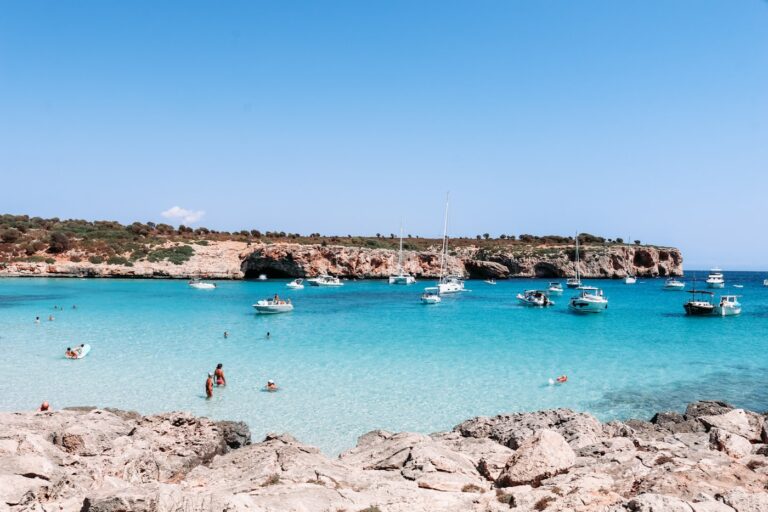
Mallorca in 2026: The Mediterranean Island That Outgrew Its Reputation
Mallorca spent decades as shorthand for cheap package holidays and sunburnt tourists. That reputation was always unfair and it’s now h…
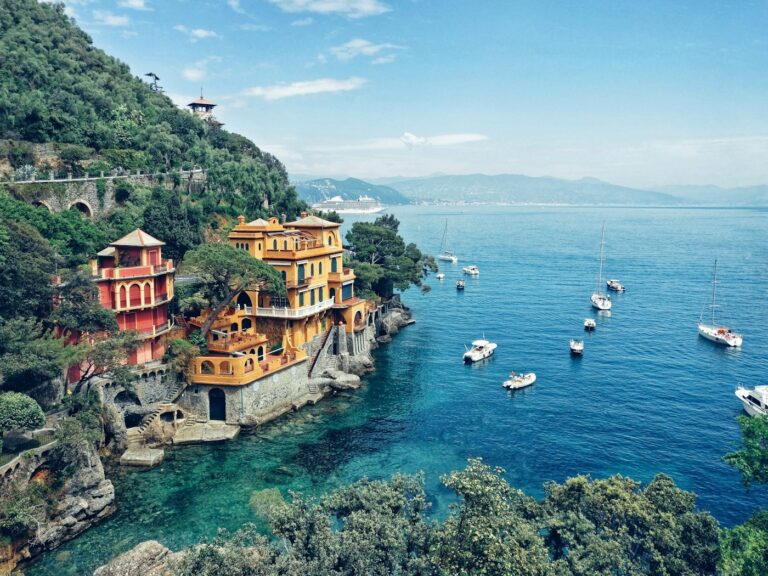
The Dolomites in 2026: Italy’s Mountain Masterpiece Beyond the Instagram Spots
The Dolomites look photoshopped — pale limestone towers rising from green meadows, rifugios perched on impossible ledges, lakes so turquoise…

Prague in 2026: What’s Left When You Look Past the Stag Parties
Prague spent fifteen years as Europe’s cheapest bachelor party capital. The city underneath that reputation is one of the most archite…
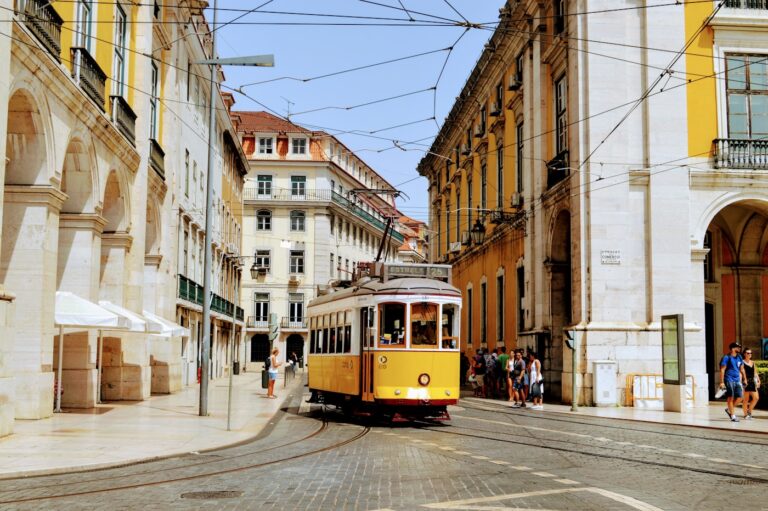
Lisbon in 2026: Finally Understanding Why Everyone Moved Here
Lisbon has been Europe’s ‘next big thing’ for a decade. Now that everyone’s arrived, the question is whether it stil…
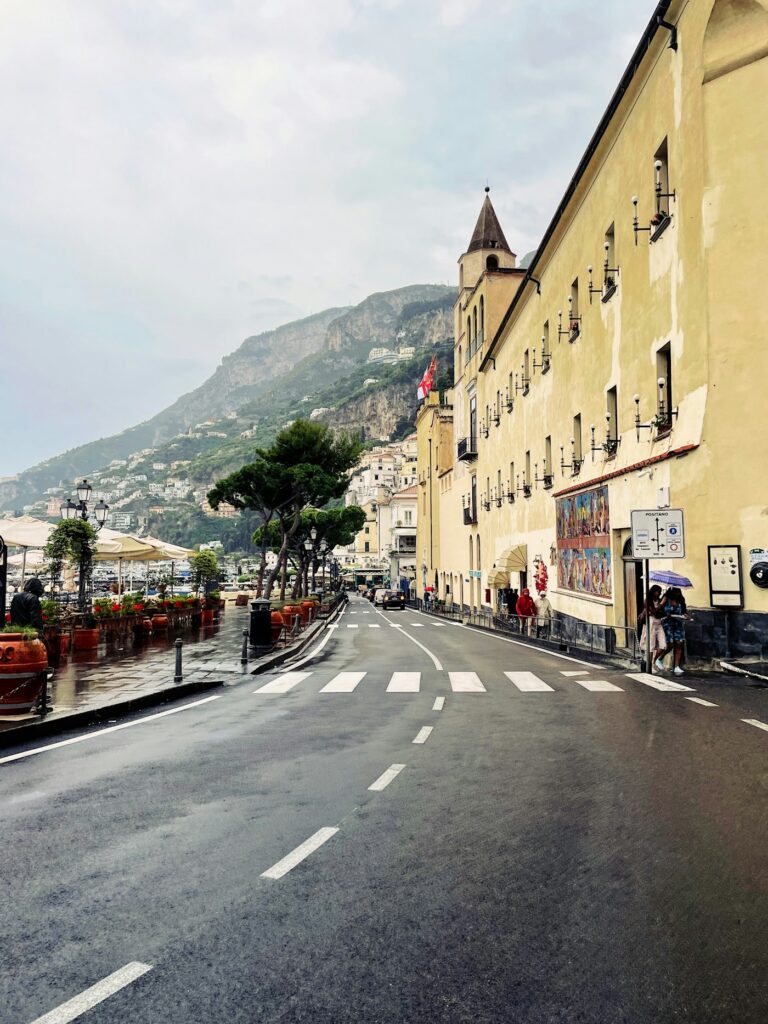
Best Time to Visit Italy: When to Go, Where to Go, and What to Avoid
April and October are when Italy works best. August is when Italy works worst — the heat is brutal, many local restaurants close, and the to…

Best Time to Visit England: When the Weather Finally Works in Your Favour
England’s weather has a reputation it half-deserves. May and June are genuinely excellent — long days, reasonable warmth, gardens in f…

Kotor in 2026: Medieval Walls and a Bay That Stops You Cold
Montenegro’s walled city on the Adriatic has everything Dubrovnik has — medieval architecture, extraordinary seafood, a dramatic setti…
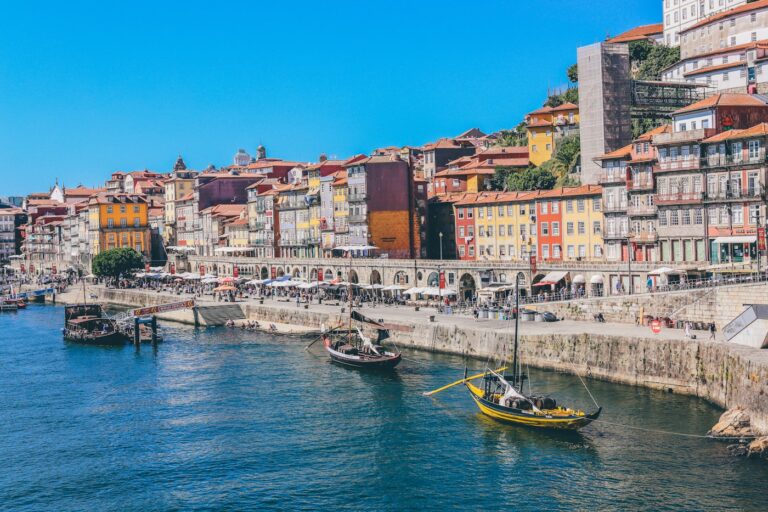
Porto in 2026: The City That Gets Everything Right
Porto is the city that keeps outperforming expectations. The food is extraordinary, the wine is even better, and it costs a fraction of what…
Tbilisi in 2026: What Nobody Tells You Before You Go
The honest first-timer’s guide to Georgia’s capital — the neighborhoods worth your time, what to eat, how much to budget, and wh…
Practical things worth knowing
Money. The Eurozone has stabilised; expect ~1.08 USD per Euro through 2026 absent surprises. Cards work almost everywhere except Italian taxis (still cash-preferred), Greek tavernas in villages, and German bakeries (genuinely still cash-only in places). Carry 100 euros in cash arriving in a new country; reload at any ATM that doesn’t belong to Euronet, which marks rates 10-15% over interbank.
SIMs. Roaming is free across the EU on most European mobile contracts, but if you’re coming from outside, an Airalo eSIM for the country you’re in is the path of least resistance. 5GB across the EU runs roughly $15. For Turkey and the UK, buy a local prepaid SIM at the airport — Vodafone and Turkcell counters are open until midnight in most arrivals halls.
Trains. The single most useful tool is the German app DB Navigator (works across most European networks, in English). Interrail/Eurail still makes sense for trips that involve 4+ long-distance journeys; otherwise buy point-to-point on Trainline.eu and save the booking fees.
The visa thing. If you hold a US, UK, Canadian, Australian, or NZ passport, you currently get 90 days in any 180-day window across the Schengen Area, no visa required. ETIAS (online authorisation, not a visa) becomes mandatory sometime in late 2026 — apply as soon as the portal opens. Romania, Bulgaria, and Cyprus have joined the Schengen Area as of January 2025; one fewer border check.
Experiences across Europe
Book tours, day-trips and skip-the-line tickets
Browse curated experiences across Europe’s cities and regions — bookable online with free cancellation on most options.
Browse Europe experiences →Frequently Asked Questions about European Travel
What is the best time of year to visit Europe?
Late April to early June and mid-September to mid-October are the two windows that work for almost every country. You get warm-but-not-roasting weather, sea temperatures still swimmable in the south, and prices well below the July-August peak. Avoid the second week of June (school holidays) and early September (still high season in Italy and Greece) if you can.
Do US passport holders need a visa for Europe in 2026?
No traditional visa for tourist stays under 90 days in any 180-day rolling window across the Schengen Area. From late 2026 you will need an ETIAS online authorisation (around 7 euros, valid 3 years, apply 96 hours before travel), but this is not a visa. The UK requires an ETA (10 GBP, separate from ETIAS).
Is Europe expensive in 2026?
It depends sharply on country. Western Europe (France, Italy, Switzerland, Netherlands) is roughly 15-20% more expensive than 2020 baselines. Eastern Europe and the Balkans (Czechia, Slovenia, Croatia’s second cities, Albania, Montenegro, Georgia) are still cheap by global standards. Spain and Portugal sit in the middle — the cities are pricier but rural and small-city options are reasonable.
How many days do I need for a European trip?
10-14 days is the right length for most trips. Long enough to do two or three cities properly with a regional base in between (e.g. Paris-Lyon-Provence, or Rome-Florence-Cinque Terre). Less than 7 days, pick one city and one region. More than two weeks, slow down rather than adding more cities.