
Last updated August 21, 2026 · Editorial policy
October is one of the best shoulder months in Spain: warm in the south (Andalusia 20-25°C), thinner crowds, lower prices, and harvest-season food and festivals.
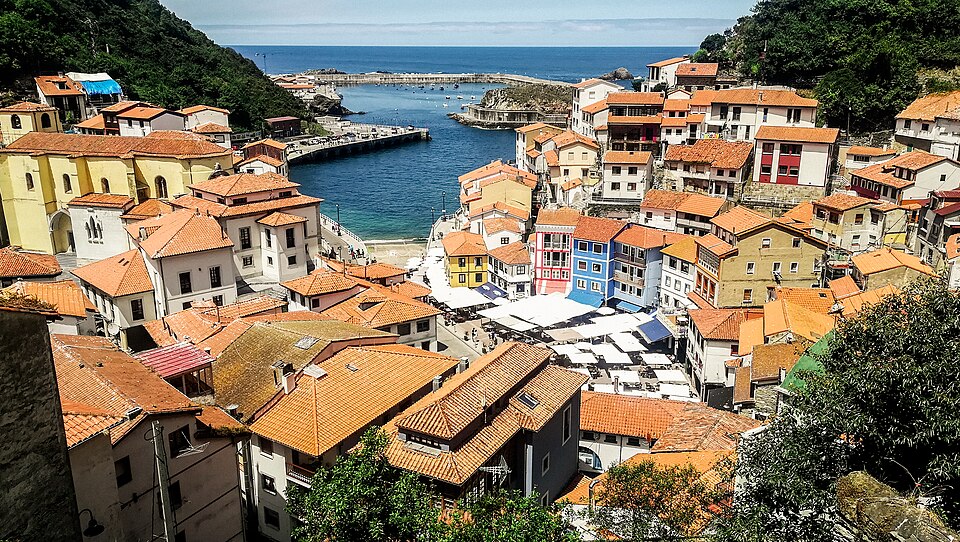
Spain weather in October
Southern Spain (Seville, Granada, Malaga) stays warm and sunny at 20-25°C; Madrid and Barcelona are mild (15-22°C); the north can see rain. Sea is still swimmable on the Costa del Sol early in the month.
Crowds & prices
Far quieter and cheaper than summer — flights and hotels drop, queues at the Alhambra and Sagrada Familia shorten, and the heat that bakes the south in July-August is gone.
What to do in Spain in October
Tour Andalusia (Seville, Granada, Cordoba) in comfortable warmth, enjoy harvest season in Rioja wine country, and catch autumn festivals; the Mediterranean coast is pleasant without the crowds.
What to pack
Light layers, a light jacket for evenings, sunscreen for the south, and an umbrella if heading north.
The October Split: Festival Week First, Then the Rain Risk
Treat October as two separate trips. The first half belongs to the festival calendar. Zaragoza’s Fiestas del Pilar runs October 10-18 in 2026, drawing well over a million people; the Offering of Flowers on October 12 builds a flower-cloaked pyramid around the Virgin and books out the city’s hotels weeks ahead. That same date, October 12, is the Fiesta Nacional, so Madrid stages its armed-forces parade from Atocha up the Paseo del Prado to Plaza de Colon. Plan around it: central streets close, transport reroutes, and many shops and offices shut for the public holiday.
The second half carries the catch nobody on a beach brochure mentions. Late October is prime season for the gota fria (DANA), the cold-drop storm that dumps autumn’s heaviest rain on the Mediterranean Levante. The 2024 Valencia floods landed on October 29. If you want Costa Brava swimming, where the sea still sits around 19C, go early in the month rather than the last week.
- Festival break or sun: book the first ten days.
- Quieter cities and lower prices: the final week, with a rain plan.
Spain in October FAQ
Is October a good time to visit Spain?
Excellent — warm south, mild cities, fewer crowds and lower prices.

Is it warm enough for the beach?
Early October on the Costa del Sol, yes; later in the month it cools for swimming.
Where is best in Spain in October?
Andalusia for warmth, Rioja for wine harvest, Madrid/Barcelona for comfortable city sightseeing.
Plan more: trip costs · best time to visit any destination · compare destinations
October’s festival calendar: exact dates, prices, and the shoulder-season payoff
October is Spain’s most underrated festival month, and two of the country’s biggest run almost in parallel. Fiestas del Pilar in Zaragoza anchors it, running October 4 to 13 in 2025, with Día del Pilar itself falling on the 12th. The signature moment is the Ofrenda de Flores (Flower Offering) on October 12, when tens of thousands in regional dress build a towering floral pyramid, roughly seven million blooms, around the Virgin in Plaza del Pilar. Come back on the 13th for the Fruit Offering and the evening Rosario de Cristal, a solemn procession of more than 200 hand lanterns and 15 spectacular lead-glass floats winding through the historic center.
- Lugo, Galicia runs San Froilán, October 4-12 at the same time, packing roughly 200 activities including 100-plus concerts, and closing with a medieval fair on the 12th around its Roman walls.
- Sitges Film Festival (fantasy and horror) runs October 9-19 nearby, and the tail end of the wine harvest fairs also lands in early-to-mid October.
Book Zaragoza and Lugo hotels weeks out. Everywhere else, October is genuine shoulder season, real prices, no lines, warm sun, so pair a festival city with a quieter base.
What’s actually on the menu: mushrooms, octopus, and the autumn table
October is when Spain eats its best. This is peak seta (wild mushroom) season across the northern half of the country, Soria, Aragón, La Rioja, Navarra, and the Catalan Pre-Pyrenees, and restaurants there build entire menus around níscalos (saffron milk caps), boletus, and rovellons. Some forests require a cheap day permit or set daily foraging quotas, so eat them rather than pick them unless you’ve got a local guide.
- Galicia: if you’re at San Froilán in Lugo, the octopus stalls in Parque Rosalía are the whole point, pulpo á feira served on wooden plates from around 15 euros a portion (more in tourist spots), running late September through early November.
- Catalonia: autumn means roasted chestnuts on street corners and, on the evening of October 31, La Castanyada, the local answer to Halloween. Buy panellets, small marzipan-and-sweet-potato balls rolled in pine nuts, sold everywhere that week.
- Everywhere: figs, grapes, and pomegranates hit peak ripeness, so market stalls are cheap and loaded.
This is the single best reason to time a Spain trip for October rather than summer.
A region-by-region plan for making the month work
October’s weather splits sharply north to south, so where you go matters more than in July. Use the month’s rhythm to your advantage.
- North (Rioja, Basque Country, Galicia): go early. Late September into the first half of October is the vendimia (grape harvest) across Rioja Alta and Rioja Alavesa, when wineries run tastings, foot-crushing demos, and harvest fairs. It’s the most atmospheric time to visit, but rain risk climbs after mid-month, so front-load the north.
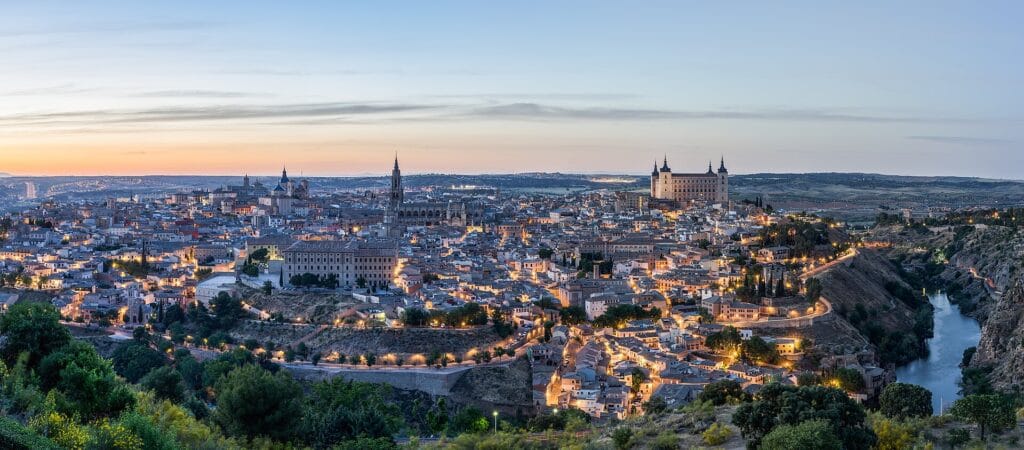
- Center (Madrid, Toledo, Segovia): reliably crisp and clear all month, ideal for city days without August’s heat, and roast-lamb and cocido season is in full swing.
- South (Andalucía) and the Costas: save these for the back half. Seville, Granada, and the Costa del Sol still hit the mid-to-high 70s Fahrenheit into late October, and the Mediterranean stays warm enough to swim.
One logistics note: October 12 is a national holiday (Fiesta Nacional / Día de la Hispanidad). Expect shuttered shops, packed trains, and higher AVE fares around that weekend, so lock in intercity rail before you fly.
You Might Also Love





Written by
John Morrison is the founder and lead travel writer at Packzup. Over the past decade he has explored destinations across Africa, the Americas, Asia, Europe, the Middle East, and Oceania — always self-funded, never on a press trip.
