
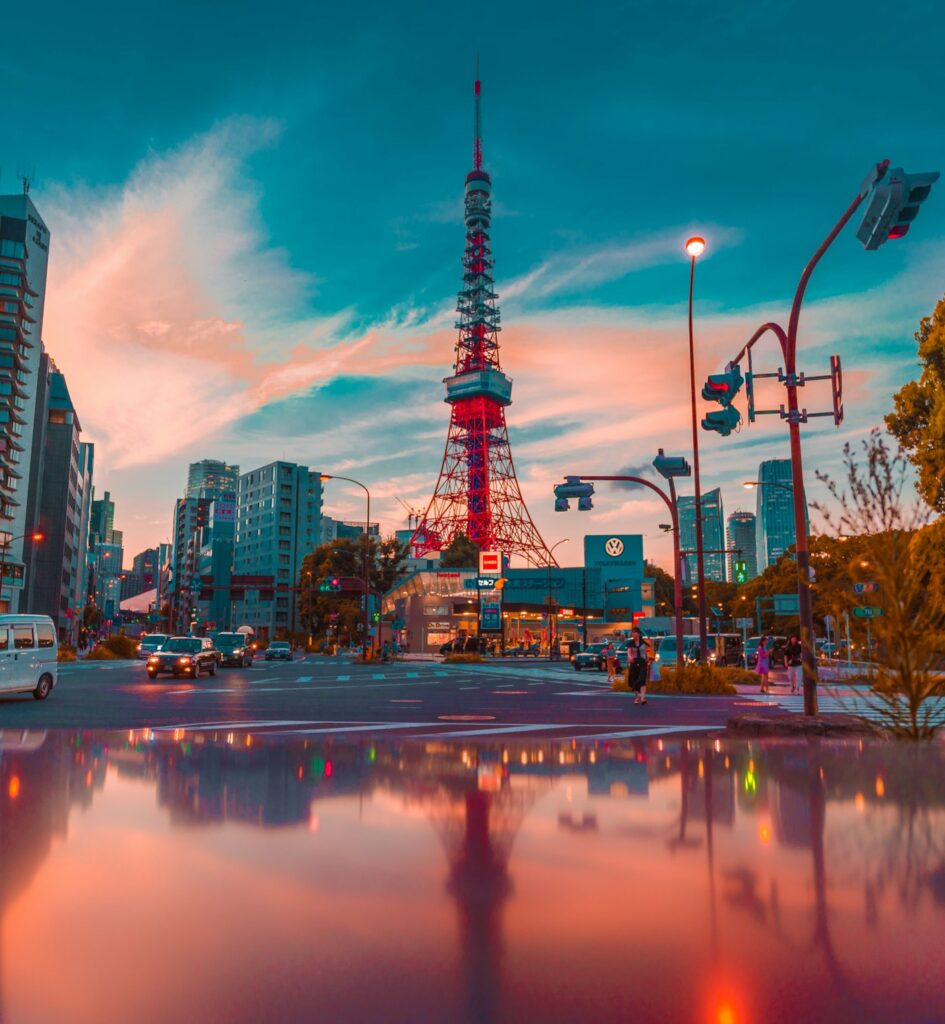
Tokyo is built around four real seasons, and each one shows you a different version of the city. The strongest months overall are March–May, October–November — that’s when the weather aligns with the iconic versions of Tokyo most travellers come for (food, urban, culture). Each season here has its own argument, and the choice often comes down to whether you prioritize cherry blossom timing, autumn foliage, festival calendar, or simply the lowest prices.
Month by Month
January in Tokyo
Shoulder or off-season. Winter month: cold, clear days. Lower prices, dramatically fewer tourists, and a chance to see Tokyo at its quietest.
February in Tokyo
Shoulder or off-season. Winter month: cold, clear days. Lower prices, dramatically fewer tourists, and a chance to see Tokyo at its quietest.
March in Tokyo
Best window. Transitional month with mostly pleasant conditions.
April in Tokyo
Best window. Spring brings the most photographed version of Tokyo: cherry blossom in Japan, blooming gardens elsewhere. Book early.
May in Tokyo
Best window. Spring brings the most photographed version of Tokyo: cherry blossom in Japan, blooming gardens elsewhere. Book early.
June in Tokyo
Shoulder or off-season. Transitional month with mostly pleasant conditions.
July in Tokyo
Shoulder or off-season. Hot and often humid summer. Festival season but also the busiest tourism window.
August in Tokyo
Shoulder or off-season. Hot and often humid summer. Festival season but also the busiest tourism window.
September in Tokyo
Shoulder or off-season. Transitional month with mostly pleasant conditions.
October in Tokyo
Best window. Autumn foliage and crisper air. Many would argue this is the best season here — second only to the spring peak.
November in Tokyo
Best window. Autumn foliage and crisper air. Many would argue this is the best season here — second only to the spring peak.
December in Tokyo
Shoulder or off-season. Winter month: cold, clear days. Lower prices, dramatically fewer tourists, and a chance to see Tokyo at its quietest.
Sweet Spots
If you’re optimizing for the trade-off between weather, crowds, and price, the strongest weeks tend to be at the edges of the best-month window — the first half of March and the last weeks of November. Peak weather is locked in but the Tokyo of those bookend weeks isn’t yet (or no longer) at full tourist capacity. Local festivals and the post-rain green-everywhere window are bonus signals to chase.
When to Avoid (and the Exceptions)
If you can flex your dates, the months that consistently disappoint most Tokyo travellers are January–February, June. That said, off-season has its compensations — the obvious one is price (accommodation can drop 30–50%), the subtle one is what locals call the ‘real’ version of the place: no queues, no tour buses, and everyday life running at its actual pace.
Quick Facts
- Best months overall: March–May, October–November
- Daily budget tier: Premium
- Crowd profile: Consistently busy
- Recommended trip length: 4-7d
- Defined by: food, urban, culture, design
Keep Reading
This best-time page is a structured companion to the full Tokyo travel guide — first-hand reporting and editorial depth live there. If you’re weighing Tokyo against another destination, the interactive comparison tool sets them side by side on best months, budget, crowds, trip length and vibes.