
Last updated August 28, 2026 · Editorial policy
Bangkok has one of Southeast Asia’s best public transport systems layered onto one of the world’s worst traffic cities. The BTS Skytrain and MRT Metro are fast, clean, air-conditioned, and cover the main tourist and business areas efficiently. Below the elevated tracks, Bangkok’s notorious traffic makes road transport unpredictable — a 5 km taxi ride can take 10 minutes or 60 minutes depending on the time of day. The Chao Phraya river boats offer a scenic alternative along the waterfront. Grab is the dominant ride-hailing app and tuk-tuks remain an iconic experience.
More: When to visit Bangkok · Bangkok travel guide
1. BTS Skytrain
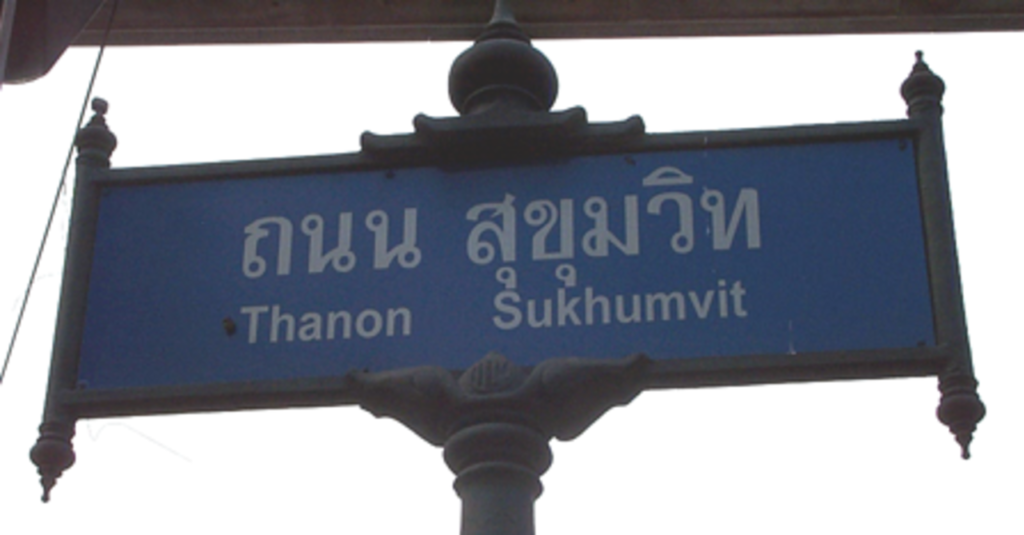
The elevated Skytrain is the fastest way to cross Bangkok. Two lines — Sukhumvit (light green, runs from Khu Khot to Kheha) and Silom (dark green, runs from National Stadium to Bang Wa) — connect major areas including Siam, Asok, Phrom Phong, Saphan Taksin, and Mo Chit. Fares are 16-59 THB per trip depending on distance. Trains run every 3-6 minutes from 5:15 AM to midnight. Buy a stored-value Rabbit Card at any station for convenience. The BTS is clean, efficient, and the single best tool for navigating tourist Bangkok.
2. MRT Metro
The underground Metro complements the BTS with two lines — the Blue Line (a loop covering Hua Lamphong, Silom, Chatuchak, and Bang Sue) and the Purple Line (northern suburbs). Fares are 16-42 THB. Trains run every 5-10 minutes, 6 AM to midnight. The MRT connects to the BTS at several interchange stations (Asok/Sukhumvit, Sala Daeng/Silom, Mo Chit/Chatuchak). Uses a separate token/card system from BTS — buy a stored-value MRT card at stations. Covers Chinatown and the night market areas.
3. Chao Phraya River Boats
Express boats run up and down the Chao Phraya River, connecting Sathorn pier (near BTS Saphan Taksin) to key sites — Wat Arun, Wat Pho, the Grand Palace, and Khao San Road area. The orange flag boat costs 15 THB flat fare. Tourist boats cost 50 THB with commentary. Boats run every 10-20 minutes from 6 AM to 7 PM. Cross-river ferries cost 4 THB. This is the most scenic way to reach the riverside temples and avoids the traffic entirely. Combine with BTS to Saphan Taksin.
4. Taxis
Metered taxis are abundant and cheap — flag fall is 35 THB plus 2-12 THB per km (rate increases in heavy traffic). A cross-town ride costs 80-200 THB in normal traffic. Always insist on the meter (say ‘meter, krap/ka’). If the driver refuses, exit and find another — there are thousands. Tipping is not expected but rounding up to the nearest 10 is appreciated. Traffic makes taxis unreliable for timed journeys. Use them for short hops outside BTS/MRT coverage or late at night.
5. Grab (Ride-Hailing)
Grab dominates Bangkok ride-hailing. Car rides are comparable to metered taxis but with transparent pricing, no meter disputes, and card payment. GrabBike (motorbike taxi) is faster through traffic and very cheap — 20-60 THB for short rides. GrabFood delivers from thousands of restaurants. The app shows the price before booking. Surge pricing applies during rain and rush hour. GrabBike is the secret weapon for beating Bangkok traffic when you need to be somewhere on time.
6. Tuk-Tuks
Three-wheeled open-air motorised rickshaws — iconic Bangkok but no longer cheap. Drivers always quote inflated prices (200-300 THB for rides that cost 60 THB by taxi). Always negotiate hard — offer half the first price. Tuk-tuks are best enjoyed as a one-time experience rather than regular transport. Beware of the ‘free tuk-tuk tour’ scam that routes through gem shops and tailors. For a genuine experience, negotiate a short ride in the old town area. Not recommended for long distances.
Transport Tips for Bangkok
BTS + MRT covers most tourist needs — buy a Rabbit Card at BTS stations and a stored-value card at MRT stations. Avoid road transport (taxi, Grab car, tuk-tuk) during rush hours (7-9:30 AM and 4:30-7:30 PM) unless using GrabBike. The Airport Rail Link connects Suvarnabhumi Airport to the BTS at Phaya Thai in 30 minutes (45 THB). From Don Mueang Airport, take the A1 bus to Mo Chit BTS (30 THB). Google Maps accurately shows BTS/MRT routes and times. River boats are the best way to reach riverside temples. Bangkok is walkable within neighbourhoods but too spread out and hot to walk between them.
What is the best way to get around Bangkok?
The most practical options are BTS Skytrain and MRT Metro. The elevated Skytrain is the fastest way to cross Bangkok. Two lines — Sukhumvit (light green, runs …
Do I need a car in Bangkok?
No. The BTS Skytrain and MRT cover most sights, Chao Phraya river boats reach the old city, and Grab or Bolt fill the gaps cheaply. Traffic is brutal and parking is scarce, so a car only helps for day trips to Ayutthaya, Kanchanaburi, or the coast.
Is public transport safe in Bangkok?
Yes. The BTS and MRT are clean, air conditioned, and well policed. Pickpocketing is rare but watch bags on crowded river boats. The real risks are tuk-tuk overcharging and unmetered taxis, so insist on the meter or use Grab.
Related Articles
- 20 Best Things to Do in Bangkok (Real Local + Tourist Essentials)
- Where to Stay in Bangkok (8 Neighborhoods Compared)
- Where to Stay in Bangkok: Best Neighbourhoods for Every Budget
- Best Time to Visit Bangkok: Month-by-Month Guide
Frequently Asked Questions
You Might Also Love

Written by
John Morrison is the founder and lead travel writer at Packzup. Over the past decade he has explored destinations across Africa, the Americas, Asia, Europe, the Middle East, and Oceania — always self-funded, never on a press trip.
