
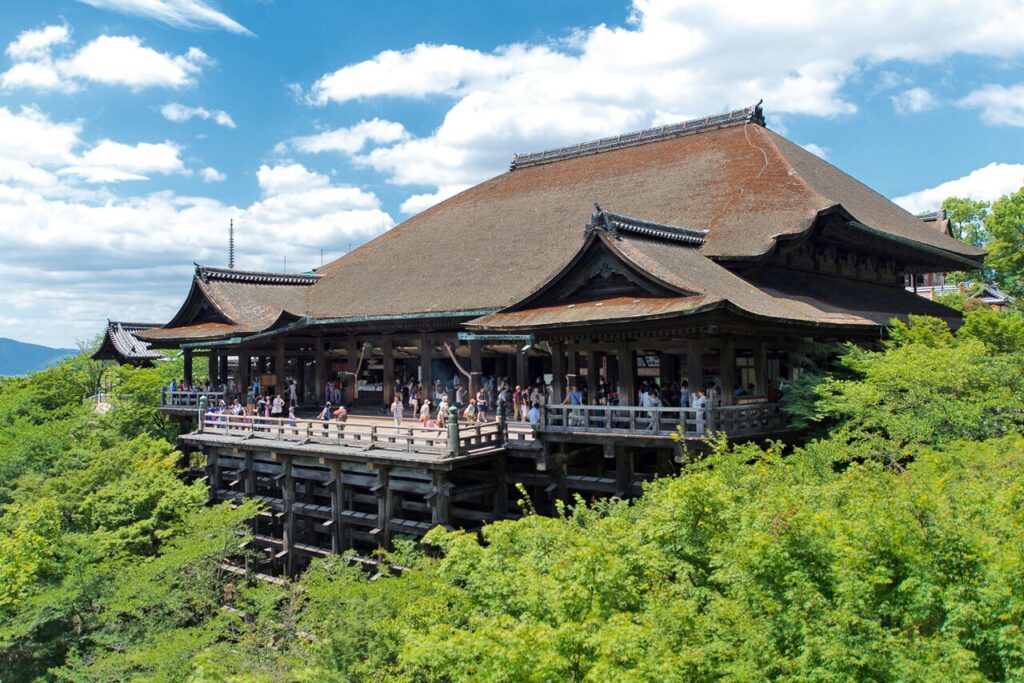
Kyoto in November is autumn-foliage season — momiji — when the city’s maple trees, ginkgos, and Japanese maples turn red, orange, and gold across thousands of temple gardens. The peak is now consistently in mid-to-late November, having shifted later by roughly a week over the past decade. Many of Kyoto’s most famous temples extend their evening hours and stage illuminated viewings during this two-week window. This guide covers temple-specific peak timing, the temples that handle crowds well versus those that don’t, illumination-ticket booking windows, and what 3–4 days in Kyoto in November actually costs.
November Kyoto at a glance (2026)
- Peak momiji (historical): Nov 18 – Dec 5
- Average temperature: 8–17°C (46–63°F)
- Hotel cost vs September: 40–80% premium peak weeks
- Best 4 momiji temples: Tofuku-ji, Eikan-do, Komyo-in, Genko-an
- Illumination bookings open: 8 weeks before each temple’s date (varies)
- Forecast site: weathernews.jp/koyo (Kyoto autumn foliage tracker)
When momiji actually peaks (and why it shifted later)
Kyoto’s autumn foliage peak has moved later by roughly one week over the past decade. Historical mid-November peaks have become late-November peaks, with the final week of November now the most reliable window.
Recent peak dates by neighbourhood
- Northern Kyoto (Takao, Kurama): Earliest. Peak around November 12–18.
- Central Kyoto (Eikan-do, Nanzen-ji): Peak around November 18–25.
- Southern Kyoto (Tofuku-ji, Fushimi Inari): Latest. Peak around November 22 – December 1.
Why this matters
A 3-night Kyoto trip during the wrong week catches either pre-peak green leaves or post-peak bare branches. The right strategy: book a 4–5 day window from November 18 to early December. The first week of December often still has southern-Kyoto colour while everywhere else has dropped.
The forecast tool
The Japan Weather Association maintains a real-time autumn foliage tracker at weathernews.jp/koyo with temple-by-temple status updates from early November. Check 1–2 weeks before travel to confirm peak alignment.
The crowd-handling temples
Some Kyoto temples accommodate momiji crowds well; others get overwhelmed. The four worth prioritising:
Tofuku-ji
The classic momiji temple. The Tsutenkyo Bridge crosses a maple-filled valley — the iconic Kyoto-autumn photograph. The temple has built large viewing platforms that handle thousands of visitors. Entry JPY 600 for the basic visit; JPY 1,000 for the Tsutenkyo Bridge inclusive ticket. Peak hours (10am–3pm during peak week) involve lines but the experience remains manageable.
Eikan-do (Zenrin-ji)
3,000 maple trees on the grounds of one of Kyoto’s most photogenic temples. The pond reflection of the upper pagoda with maples in foreground is the standard photograph. Day entry JPY 600; evening illumination JPY 600 (separate ticket). The evening illumination from early November to early December is one of the trip’s defining experiences.
Komyo-in (subtemple of Tofuku-ji)
Smaller than Tofuku-ji proper but with a quieter atmosphere. The rock-and-moss garden surrounded by maples is the highlight. Entry JPY 500. Located minutes from Tofuku-ji, so it pairs naturally.
Genko-an
Smaller, less famous, less crowded. Known for two circular windows that frame the maple garden behind the temple. The “window of enlightenment” photograph is widely shared but the temple itself remains relatively peaceful. Entry JPY 400.
The temples that don’t handle crowds
Some of Kyoto’s most famous sites become overwhelmed during peak momiji week. The honest assessment:
Kiyomizu-dera illumination
The famous wooden-stage temple stages a night illumination for 2 weeks in mid-November. The path to the temple becomes single-file, the platform itself is bumper-to-bumper, and the experience devolves into queuing. If you must go: arrive at 5:30pm before the main rush, leave by 7pm.
Kinkaku-ji (Golden Pavilion)
Always crowded; momiji week adds 30–50%. The single viewing area means everyone funnels through the same 50-metre stretch. Visit at 8:30am when the gates open, or skip.
Arashiyama and the bamboo grove
The bamboo grove and Tenryu-ji combine for the western-Kyoto autumn experience. The bamboo grove path becomes a slow-moving column of tourists during peak week. Best strategy: arrive at 7am, before the day-tripper buses, and leave by 10am. The Togetsukyo bridge area remains photogenic into evening.
Off-hours math
For all heavily-crowded sites, the same temple in early morning (before 8am) or late afternoon (after 4pm) is fundamentally different. Plan momiji days around the 6:30am opening at major sites — you trade an early alarm for a near-private experience.
Illumination tickets: book how far ahead?
The temple illuminations are momiji’s signature experience. Several major temples extend hours into the evening (5:30 or 6pm to 9pm typically) and light their maple gardens dramatically.
Bookable-in-advance illuminations
- Eikan-do illumination: Walk-up tickets only on most nights. Arrive 15–30 minutes before the changeover from day to evening (typically 5:30pm). JPY 600.
- Kodai-ji illumination: Most famous illuminated temple after Kiyomizu. Walk-up. Often crowded.
- Shoren-in illumination: Quieter than the big-name temples; the “northern lights”-style projected illumination in the pond area is distinctive. JPY 800.
- Kiyomizu-dera illumination: No advance booking. JPY 400 evening entry on top of any earlier daytime entry.
Reservation-required illuminations
A few smaller temples (Kennin-ji, the Nanzen-ji subtemples) have begun reservation systems for evening visits during 2024–2026. Book at their official sites (in Japanese; use Google Translate or ask your hotel concierge) 4–6 weeks ahead.
Beyond Kyoto proper: Arashiyama, Ohara, Kurama
The Kyoto-area momiji experience extends beyond the central temples:
Arashiyama (West Kyoto)
The bamboo grove + Tenryu-ji + Iwatayama monkey park combination is the standard western-Kyoto day trip. Add Adashino Nenbutsu-ji or the Saga-Toriimoto Preserved Street for less crowded autumn-photograph spots.
Ohara (Northern outskirts)
1 hour from central Kyoto by bus. The mountain village setting and Sanzen-in temple deliver the contrarian alternative to Arashiyama — comparable colour intensity, half the visitors. JPY 700 entry to Sanzen-in. Plan a full half-day with the journey time.
Kurama (Far North)
The mountain village + Kurama-dera temple + Kibune (the neighbouring valley) make the most-remote of the Kyoto-area day trips. The cable car up Mount Kurama, the temple visit, and the walk down to Kibune for kaiseki dinner is the standard sequence. Reachable by Eizan Electric Railway from Demachiyanagi station (40 minutes).
November in Kyoto: temperature and what to pack
Kyoto in November has a wider day-to-night temperature range than most travellers expect:
- Daytime: 15–19°C (60–66°F) in early November; 10–15°C (50–60°F) in late November.
- Evening (for illuminations): 5–10°C (41–50°F) by late November. Standing in line for 45 minutes in this temperature is cold.
- Rain: Average 10 rain days in November. Less than May or July, but not negligible.
Pack: a packable rain layer, a warm mid-layer for evenings, hand-warmers (sold cheaply at any convenience store), comfortable walking shoes (you’ll cover 15+ km/day on temple visits).
The morning-fog window
Kyoto’s basin geography produces dense ground fog on cold November mornings. Combined with momiji backdrops, this is the photographer’s payoff — the 6:30am visit to a fogged temple garden is a different experience from the 11am visit to the same place.
Eat: the autumn menu
Kyoto cuisine shifts seasonally, and November brings specific dishes worth seeking out:
- Kaiseki autumn menu: The traditional multi-course meal incorporates seasonal ingredients — chestnuts, matsutake mushrooms (an autumn delicacy), persimmons, ginkgo nuts. Kaiseki dinners run JPY 15,000–30,000 at mid-range establishments. Hyotei, Kikunoi, and Nakamura are the famous names; book 1–2 months ahead.
- Yudofu (hot tofu): The classic Kyoto autumn-winter dish. Junsei near Nanzen-ji and Okutan have served it for centuries. JPY 3,000–5,000 for a yudofu set.
- Matsutake (pine mushrooms): The expensive autumn delicacy. Most Kyoto kaiseki and ryotei restaurants feature matsutake dishes November through early December. JPY 8,000–25,000 supplements depending on origin (Japanese vs Chinese matsutake).
- Obanzai: Kyoto home cooking served in casual restaurants. The autumn version emphasises root vegetables, mushroom dishes, simmered foods. Menami and Manzara Honten are reliable.
Two- and three-day November itineraries
2-day itinerary (busy weekend)
- Day 1: Tofuku-ji at 6:30am (gate opening), Komyo-in next door, lunch in nearby Kyoto Station area. Afternoon at Fushimi Inari (less momiji-focused but maple-colour visible). Evening illumination at Eikan-do.
- Day 2: Arashiyama at 7am (Tenryu-ji + bamboo grove + Adashino). Afternoon return for Genko-an or Komyo-ji. Evening at Kodai-ji or Kiyomizu illumination.
3-day itinerary (full coverage)
- Day 1: Eastern Kyoto. Eikan-do day visit, Nanzen-ji, walk the Philosopher’s Path, evening Eikan-do illumination.
- Day 2: Southern Kyoto. Tofuku-ji early, Komyo-in, Fushimi Inari. Evening Kiyomizu illumination.
- Day 3: Day-trip to Ohara OR Arashiyama. Sanzen-in if Ohara; Tenryu-ji + Adashino if Arashiyama. Light evening — you’ll be tired.
The Nara day-trip (the temples + the deer) is a possible addition for 4-day stays. Nara’s momiji peaks slightly earlier than Kyoto.
Read alongside
Frequently asked
When is peak autumn foliage in Kyoto 2026?
Most likely November 22 – December 5, with central Kyoto temples (Eikan-do, Nanzen-ji) peaking around November 22–28 and southern temples (Tofuku-ji, Fushimi Inari) peaking a week later. The Japan Weather Association maintains a temple-by-temple tracker at weathernews.jp/koyo.
Is Kyoto crowded in November?
Yes, particularly during the two-week peak. Major temples (Tofuku-ji, Kiyomizu, Eikan-do) have lines and dense crowds 10am–3pm. Smaller temples (Genko-an, Komyo-in) remain manageable. Visiting at 6:30am temple opening dramatically changes the experience.
Do I need to book temple illumination tickets in advance?
Most illuminations are walk-up: Eikan-do, Kodai-ji, Kiyomizu, Shoren-in. A few smaller temples (some Nanzen-ji subtemples, Kennin-ji) have begun reservation systems. Check the official temple website 4–6 weeks before travel. Arrive 15–30 minutes before opening for walk-up illuminations.
What is the best temple for autumn leaves in Kyoto?
Tofuku-ji is the iconic answer for the photograph; the Tsutenkyo Bridge over the maple valley is the most-shared image. Eikan-do is the best for evening illumination. Genko-an is the quietest contrarian pick. Most multi-day visitors hit Tofuku-ji + Eikan-do + one less-touristed temple.
Is November cold in Kyoto?
Cool, not cold. Daytime 10–19°C across the month, dropping faster in late November. Evenings drop to 5–10°C, which feels cold during illumination queues. Pack a warm mid-layer, packable rain shell, and hand warmers (sold at any convenience store).
Kyoto in April or November — which is better?
Different experiences. April delivers cherry blossoms (1–2 week peak window, ephemeral) and warmer evenings. November delivers maple foliage (3–4 week peak window, more reliable), evening illuminations as a distinct experience, and cooler weather for walking. Many repeat Kyoto visitors prefer November for the longer peak and the illumination culture.

Written by
Founder of Packzup. Independent travel writer covering offbeat destinations across six continents since 2018. Every guide is first-hand and self-funded — no press trips, never sponsored.