Quick Answer
Some places on Earth look like somewhere else entirely: the fairy chimneys of Cappadocia, Iceland’s lava fields, the mirror of Salar de Uyuni, the acid springs of the Danakil Depression and the dragon’s blood trees of Socotra. Here are 10 destinations that genuinely feel like another planet.
A handful of landscapes are strange enough that photographs look edited. Volcanic rock, salt, mineral springs and millions of years of isolation have produced places that feel borrowed from science fiction — and all ten below are real, and visitable.
10 Places That Feel Like Another Planet
1. Cappadocia, Turkey
Best months: Jul–Sep · 16–30°C days · dry (climate data)
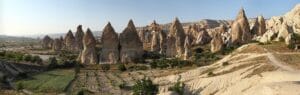
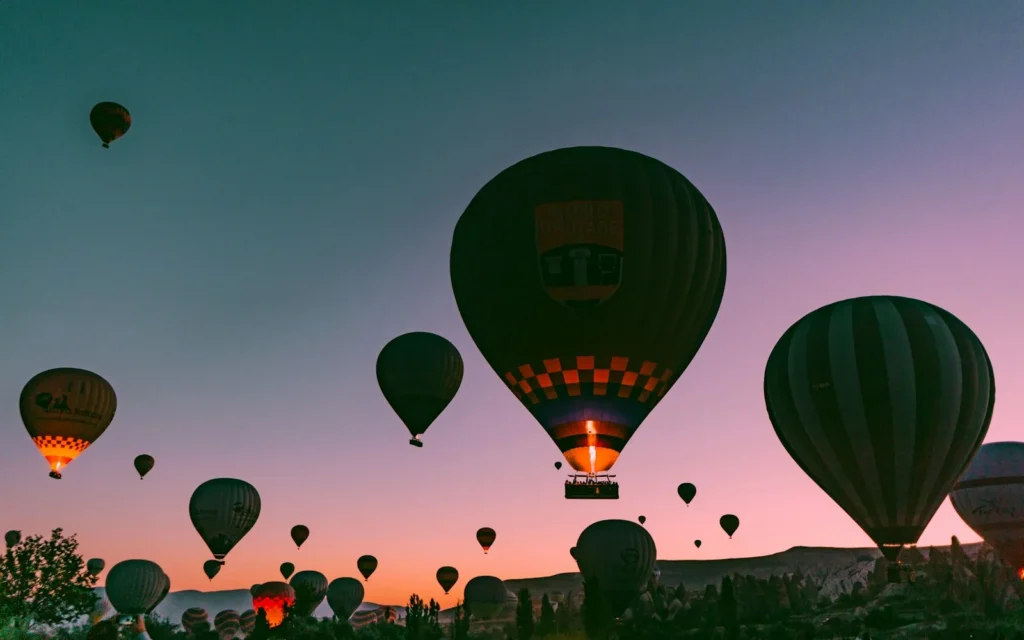
Wind and water carved this Anatolian plateau into fairy chimneys and rock-cut cities. At dawn, hundreds of balloons rise over a landscape that looks nothing like Earth.
2. Iceland's volcanic south
Best months: Jun–Aug · 9–13°C days · rainy (climate data)
Black-sand beaches, steaming vents, glacier tongues and lava fields — so alien that NASA trained Apollo astronauts here.
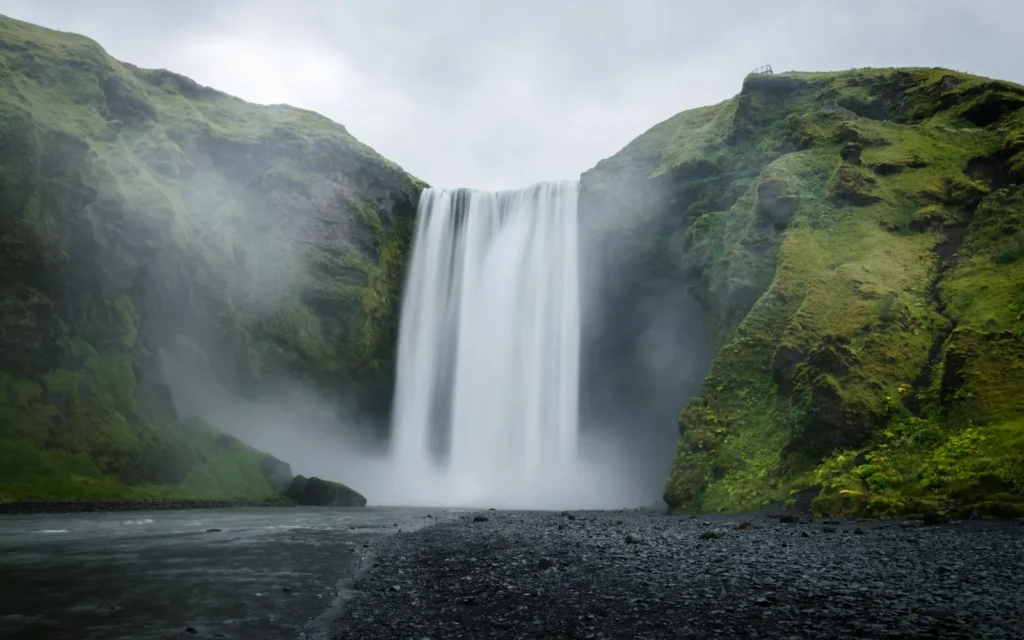
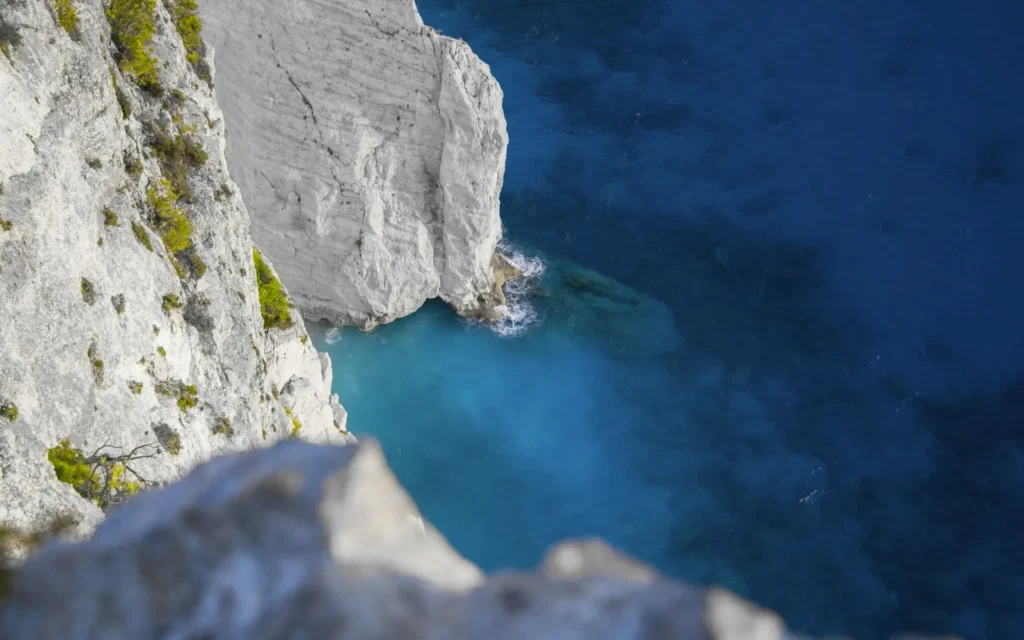
3. Sarakiniko, Milos, Greece
Best months: Sep–Nov · 15–24°C days · dry (climate data)
Smooth white volcanic rock sliding into deep blue water, with no vegetation at all. Locals call it the moon.
4. Salar de Uyuni, Bolivia
The world’s largest salt flat becomes a perfect mirror after rain — the horizon disappears completely.
5. The Danakil Depression, Ethiopia
Sulphur springs in acid yellows and greens, one of the hottest inhabited places on Earth.
6. Socotra, Yemen
Dragon’s blood trees found nowhere else, on an island isolated for millions of years.
7. Pamukkale, Turkey
Best months: Jul–Sep · 22–30°C days · dry (climate data)
White travertine terraces of mineral pools cascading down a hillside, above Roman ruins.
8. Zhangye Danxia, China
Rainbow-striped sandstone hills, the colours laid down over millions of years of mineral deposition.
9. The Atacama Desert, Chile
Best months: Oct–Dec · 12–26°C days · dry (climate data)
Mars-like valleys, salt flats and the clearest night skies on the planet.
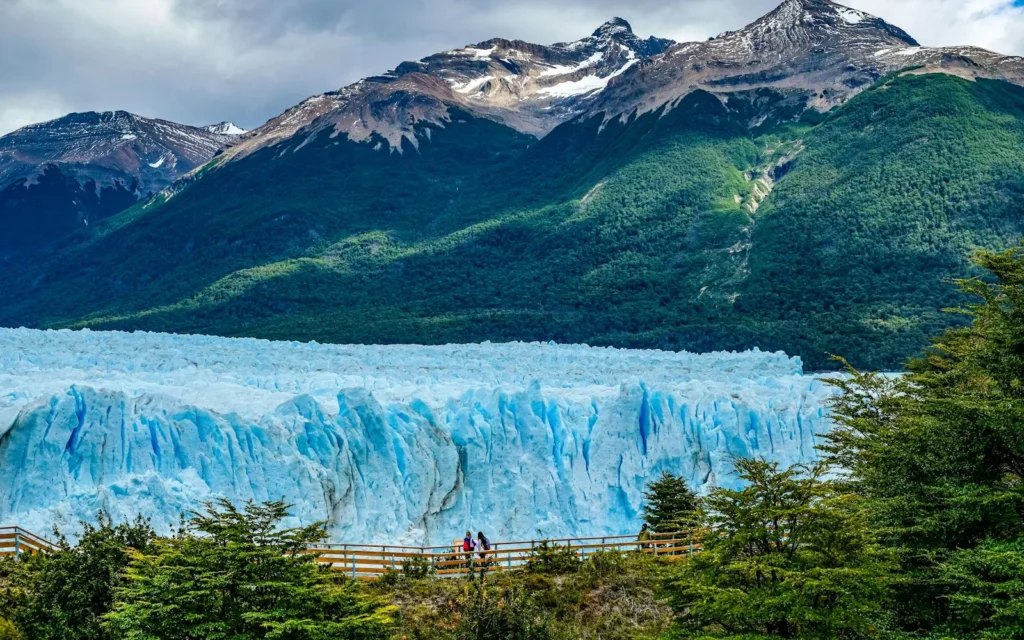
10. Perito Moreno, Argentina
Best months: Mar–May · 15–21°C days · some rain (climate data)
A wall of blue ice sixty metres high that cracks and calves while you watch from the walkways.
Planning a trip to these places
Most of these landscapes sit far from major cities and reward planning. Cappadocia, Iceland and Milos are straightforward and can be self-driven; Salar de Uyuni and the Atacama are usually done as multi-day 4×4 tours; and Socotra and the Danakil Depression require organised expeditions and current safety advice — check your government’s guidance before committing. Seasons matter enormously: Uyuni mirrors only in the wet season (roughly December–April), while the Danakil is only tolerable in the cooler months.
Frequently Asked Questions
Which place on Earth looks most like another planet?
The Danakil Depression and Salar de Uyuni are the usual answers — one for its acid-coloured springs, the other for its infinite mirror.
Which is easiest to visit?
Cappadocia and Iceland — both have good tourism infrastructure, easy flights and can be explored independently.
When should you visit Salar de Uyuni?
December to April for the mirror effect; the dry season gives the classic white hexagon patterns instead.
Popular guides
- 15 Most Beautiful Places in the World
- 15 Best Cities to Visit in Europe
- 10 Best Greek Islands
- 12 Best Beaches in the Caribbean
- 25 Best Family Vacation Destinations
- 10 Best Adventure Travel Destinations