
Last updated September 8, 2026 · Editorial policy
Quick answer: A classic 10-day overland loop through southern Cambodia: three days of temples and the Tonlé Sap lake in Siem Reap, laid-back arts-and-countryside Battambang, the sobering history of Phnom Penh, and the pepper farms and crab shacks of the Kampot–Kep coast. Best months: November-March (cool dry season). Avoid April-May (extreme heat) and June-October (monsoon). Total cost: US$800-1400 backpacker / US$1800-2800 mid-range per person. Cambodia is one of SE Asia’s cheapest.
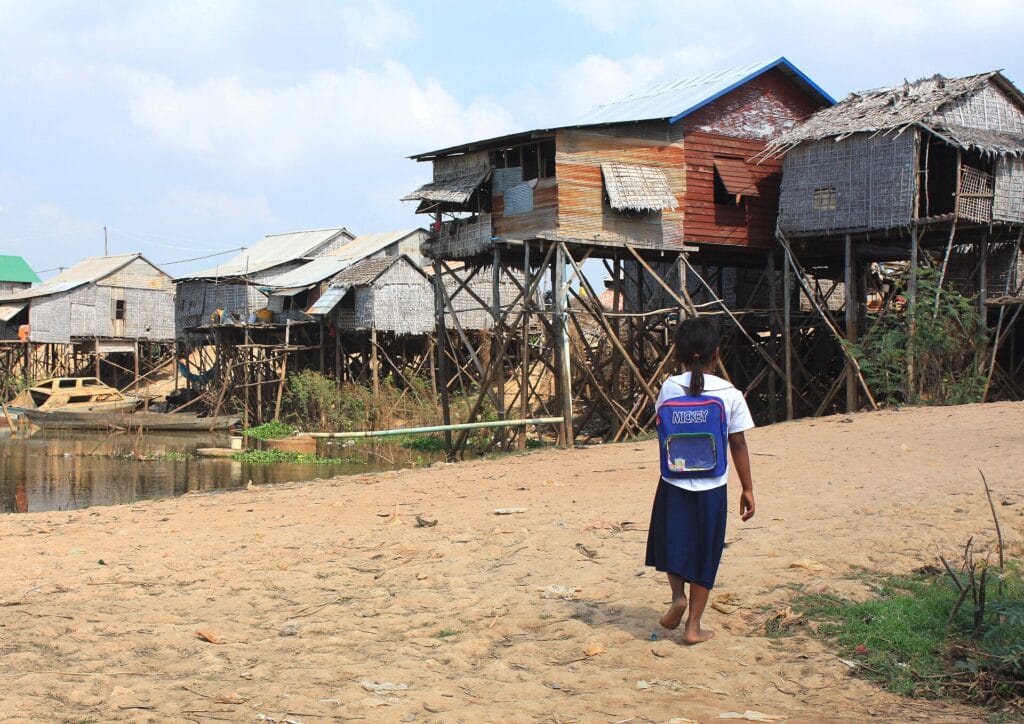
Ten days for Cambodia = 4 nights Siem Reap (Angkor temples) + 2 nights Phnom Penh + 3 nights Koh Rong/coast + 1 buffer. Internal flights essential. Built across 2 personal Cambodia trips.
Day-by-day breakdown
Day 1 — Arrive in Siem Reap
Land at Siem Reap–Angkor International Airport, the gateway 40–50 minutes east of town by prearranged transfer or metered taxi (roughly $25–30 USD; about 100,000–120,000 riel). Ease into Cambodian time rather than rushing the temples. Spend late afternoon wandering the walkable core around Pub Street and the Old Market (Psar Chas), browsing stalls of krama scarves and palm sugar. Cross the footbridge to the calmer riverside cafes for your first taste of fish amok, the fragrant coconut-and-lemongrass curry steamed in banana leaf, typically around 20,000–30,000 riel (roughly $5–7). Buy your Angkor Pass tonight at the official ticket office on Road 60 (open until 5:30pm) or online through Angkor Enterprise; the 3-day pass runs $62 and is valid across a 10-day window. Planning note: passes bought after 5pm are stamped for the next day but let you catch a free sunset preview.
Day 2 — Sunrise at Angkor
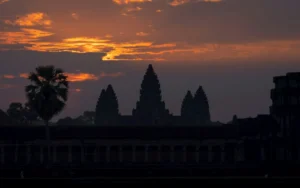
Set an alarm for 4:30am and tuk-tuk out (arrange the night before, roughly $18–22 for the day) to witness the fabled sunrise over Angkor Wat, the world’s largest religious monument mirrored in its northern reflecting pool. Arrive by 5:15am to claim a spot; the golden light behind the five lotus towers rewards the early start. Explore the bas-reliefs of the Churning of the Ocean of Milk before crowds swell, then continue the classic Small Circuit to Angkor Thom and its centerpiece, Bayon, crowned with 216 serene stone faces. Finish at Ta Prohm, the “Tomb Raider” temple where strangler figs and silk-cotton roots swallow the sandstone. Retreat by early afternoon to escape the heat. Planning note: bring exact riel for coconut-water sellers at the temple gates and cover shoulders and knees, strictly enforced at Angkor Wat’s upper Bakan level.
Day 3 — Grand Circuit & Banteay Srei
Give day two to the quieter Grand Circuit and outlying gems, again by tuk-tuk (roughly $20–25 for the longer loop). Start with the 35-kilometre drive north to Banteay Srei, the 10th-century “Citadel of Women” carved from rose-pink sandstone in astonishing, wood-like detail; go early before tour buses arrive around 9am. On the way back, many drivers detour to the Cambodia Landmine Museum, founded by a former child soldier and a sobering, worthwhile stop (entry about $5). Rejoin the Grand Circuit for Preah Khan, a labyrinthine monastic complex, and the delicate island temple of Neak Pean. Close the afternoon watching sunset from Srah Srang, the royal bathing reservoir, calmer than the crowded Phnom Bakheng hill. Planning note: a mid-morning break at the Banteay Srei area food stalls means trying num banh chok, Cambodia’s beloved breakfast rice noodles in green fish gravy.
Day 4 — Floating Village Escape
Trade temples for water. Book a morning boat to the Tonlé Sap, Southeast Asia’s largest freshwater lake, choosing the stilted village of Kampong Phluk over the more touristy Chong Kneas; the round trip by tuk-tuk and longtail runs roughly $18–25 plus a boat fee. Glide past houses on ten-metre stilts and, in wet season, paddle a small canoe through the eerie, half-submerged flooded forest. This is the beating heart of Cambodia’s fisheries, and life here rises and falls with the monsoon. Back in town by early afternoon, rest, then visit Artisans Angkor, a social enterprise reviving silk weaving and stone carving, with free workshop tours. Cap the evening at a Phare, The Cambodian Circus performance (tickets roughly $18–38), a moving acrobatic show by disadvantaged youth. Planning note: verify the flooded forest is navigable, as canoe access largely depends on the June–October high-water season.
Day 5 — Overland to Battambang
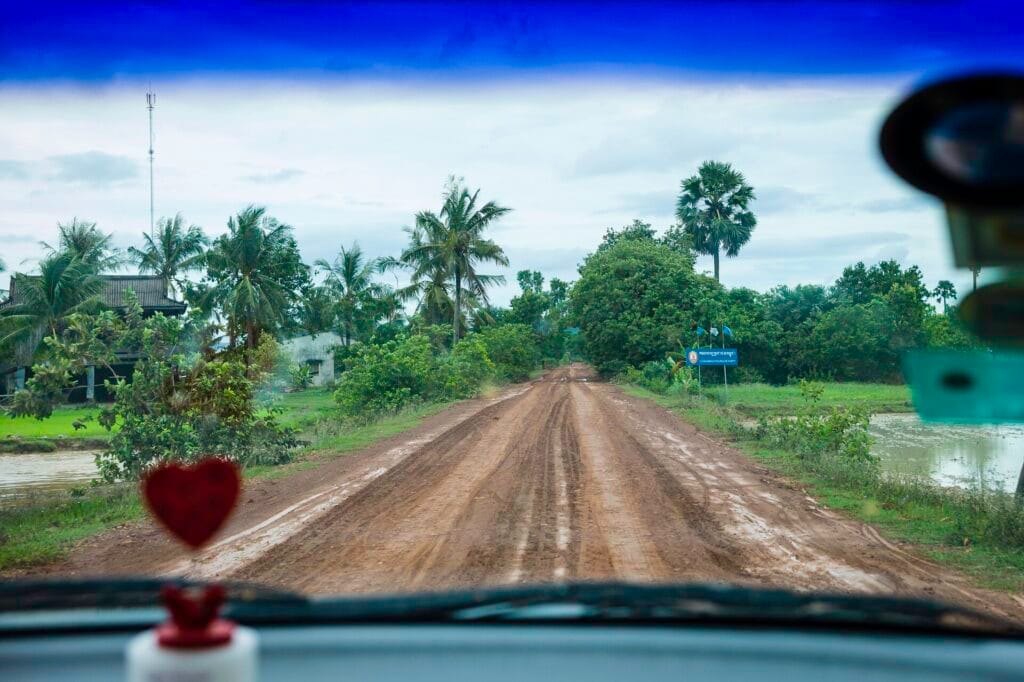
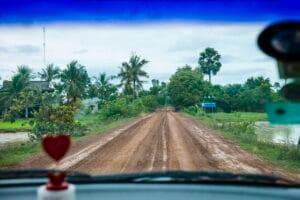
Check out and head southwest to Battambang, Cambodia’s graceful second city, about 3 hours by air-conditioned minivan or bus (tickets roughly $6–10; book a morning departure through your guesthouse or an app like BookMeBus). The drive rolls past emerald rice paddies and sugar-palm silhouettes. Battambang rewards slow travel: its riverside grid preserves the finest French colonial shophouse architecture in the country, best explored on foot or by rented bicycle. Spend the afternoon along the Sangker River, then browse the buzzing Psar Nath central market. For dinner, seek out the local specialty and simply follow the aroma of grilling. Planning note: Battambang is Cambodia’s rice bowl and arts hub, so ask about evening gallery openings or a session at the Phare Ponleu Selpak arts school, the original circus that inspired the Siem Reap show, before booking tomorrow’s countryside tour.
Day 6 — Bamboo Train & Bat Cave
Devote the day to Battambang’s countryside, ideally by hired tuk-tuk driver (a full-day circuit runs roughly $18–25). Ride the famous bamboo train (norry), a flat bamboo platform on wheels that once ferried goods along disused tracks; the newer purpose-built line at O Dambong is a fun, bumpy 20-minute run (about $5–6 per person). Continue into the hills to Phnom Sampeau, sobering for its Khmer Rouge “killing caves” memorial and stunning for the dusk spectacle at its base: millions of wrinkle-lipped bats pouring from a cliff cave in an unbroken ribbon at sunset, one of Cambodia’s most extraordinary natural sights. En route, stops often include family workshops making rice paper, fish paste, and banana chips. Planning note: arrive at Phnom Sampeau by around 5:30pm and grab a roadside plastic chair; the bat exodus lasts a mesmerising 30-plus minutes.
Day 7 — South to Phnom Penh
Make your way to the capital, Phnom Penh, roughly 5–6 hours from Battambang by bus (tickets around $8–12; morning departure recommended). Settle into a room near the riverside (Sisowath Quay), where the Tonlé Sap meets the mighty Mekong. Shake off the journey with a golden-hour stroll along the promenade, watching families fly kites and monks in saffron robes pass the floodlit Royal Palace. If time allows before it closes (typically 5pm, entry about $10), tour the palace’s dazzling Silver Pagoda, its floor laid with over 5,000 silver tiles. For dinner, the riverfront and nearby Bassac Lane deliver everything from street-side bai sach chrouk (grilled pork over broken rice, a classic breakfast) to craft cocktails. Planning note: dress modestly for the palace, with covered shoulders and knees, or you’ll be turned away or made to buy a cover-up.
Day 8 — Reckoning with History
Confront Cambodia’s darkest chapter with respect. Begin at the Tuol Sleng Genocide Museum (S-21), a former school the Khmer Rouge turned into a torture prison; the audio guide (entry about $8 with audio) narrated by survivors is essential and devastating. It opens at 8am, so go early. Mid-morning, ride 15 kilometres south by tuk-tuk (round trip roughly $12–15) to the Choeung Ek Killing Fields, where a memorial stupa holds thousands of skulls and the excellent audio tour (included, about $6 entry) walks you gently through the grounds. These sites are harrowing but vital to understanding modern Cambodia. Spend the reflective afternoon more lightly at the National Museum of Cambodia, home to the world’s finest collection of Khmer sculpture (entry about $10). Planning note: Choeung Ek asks for silence at the memorial, and photography of the remains is discouraged; treat both sites as places of mourning, not sightseeing.
Day 9 — Riverside to Kampot
Head south to the languid riverside town of Kampot, about 3.5–4 hours from Phnom Penh by minivan or bus (tickets roughly $8–12). Famous for the “champagne of peppercorns,” Kampot invites you to downshift completely. After checking in near the old town, arrange a countryside half-day to a working pepper plantation such as La Plantation, where free tours explain how prized Kampot pepper (a protected geographical indication) is grown and graded; sample fresh green peppercorns straight from the vine. Wind the afternoon along the Preaek Tuek Chhu River, perhaps on a sunset boat cruise (roughly $5–10) with a chance of spotting fireflies after dark. Kampot’s riverfront restaurants excel at seafood cooked with the local pepper. Planning note: rent a scooter or bicycle to explore the sleepy grid of restored shophouses, and try the region’s crab dishes tonight to whet your appetite for tomorrow.
Day 10 — Kep Crab & Farewell
Spend your final full day at the coast in tiny Kep, about 40 minutes east of Kampot by tuk-tuk or scooter (a driver for the round trip runs roughly $15–20). The unmissable ritual is the Kep Crab Market (Psar Kdam), where you pick fresh blue swimmer crab straight from seaside baskets and have it wok-fried with green Kampot pepper (a generous plate typically 30,000–50,000 riel, roughly $8–12). Walk it off on the well-marked 8-kilometre loop trail through Kep National Park, with viewpoints over the Gulf of Thailand and offshore Rabbit Island (Koh Tonsay), reachable by short boat if you want one last swim. Return to Kampot for a relaxed farewell dinner. Planning note: from Kampot you’re well placed for onward travel, with Sihanoukville about 2–3 hours by bus for ferries to Koh Rong, or a direct minivan back to Phnom Penh for your flight home.
What to book ahead
- Angkor Wat Pass: 3-day pass $62 (most common), 1-day $37, 7-day $72. Buy at ticket office not online – online tickets only for individual temples.
- Internal flights: Cambodia Angkor Air + Cambodia Airways. Siem Reap to Phnom Penh $50-80, 30-60 days ahead.
- Koh Rong accommodation: Book 1-2 months ahead Dec-Feb peak. Eco-bungalows + mid-range resorts $40-150/night.
- Tuol Sleng + Killing Fields: Open access, no booking needed. Allow 1 full day for both. Audio tour highly recommended.
A local planning note
Skip the heavily-touristed Angkor Wat sunrise scrum and instead watch sunrise at Pre Rup or Phnom Bakheng – same golden light, 90% fewer tourists. Then visit Angkor Wat at 11am when tour groups leave for lunch and you have it nearly empty. Counter-intuitive but proven across multiple visits.
Best time for this trip
November-March (cool dry season). Avoid April-May (extreme heat) and June-October (monsoon).
The night-bus risk and a smarter beach swap
One sequencing decision here is about safety, not scenery: avoid overnight buses between Siem Reap and Phnom Penh. In November 2025 a night coach on that route crashed off a bridge, killing 16 passengers, with driver drowsiness cited. Travel that 4.5 to 6.5 hour leg in daylight on a reputable operator like Giant Ibis or Mekong Express, both of which run multiple daytime departures.
Reconsider the coast, too. Sihanoukville has been overrun by casino construction and organized-crime operations, and many travelers now skip it entirely; if you want beach time, ferry straight to Koh Rong Samloem or route south to the calmer Kampot and Kep instead. The Phnom Penh to Sihanoukville drive on Highway 4 still takes about 4 hours.
For a stronger 10 days, trade one coast night for Battambang, three hours south of Siem Reap, where the bamboo train (norry) and the Phnom Sampeau killing caves give real texture. In Siem Reap itself, watch sunrise from Pre Rup over the Angkor Wat crowds, and use Grab or PassApp to dodge inflated tuk-tuk fares.
Frequently asked questions
Is 10 days enough for Cambodia?
How much does a 10-day Cambodia trip cost?
Backpacker: US$500-800. Mid-range: US$1800-2800. Luxury: US$5000+. Cambodia is consistently cheaper than Thailand or Vietnam.
Is Cambodia safe?
Yes – tourist zones are completely safe. Scams (overpriced tuk-tuks, fake closed tourist sites) more than crime. Use Grab/PassApp instead of street tuk-tuks for fair prices.
Tipping in Cambodia?
Common but not required. $1-2 for tuk-tuk drivers, 10% at restaurants, $2-5/day for tour guides. Tipping in USD is fine.
Best time for Angkor?
November-February (cool dry). Sunrise temple visits start 5am. Afternoon temples (after 3pm) are quieter. Avoid April-May (40°C+ temples brutal).
Plan your Cambodia trip
Best time to visit Cambodia (real climate data)
Best months: December.
Cambodia’s warmest month is March (avg 34°C / 93°F), the coolest is December (low 21°C / 70°F). The wettest is September (376 mm) and the driest is January.
Source: Open-Meteo / WMO climate normals (WMO 1991–2020, or ERA5 2019–2023 where unavailable). See the full month-by-month weather →
You Might Also Love

Written by
John Morrison is the founder and lead travel writer at Packzup. Over the past decade he has explored destinations across Africa, the Americas, Asia, Europe, the Middle East, and Oceania — always self-funded, never on a press trip.
Trip prep: before you travel, plan what to wear, check the tap water, sort your mobile data, and see if it is a cash or card country, and skim local etiquette.
