
Last updated September 2, 2026 · Editorial policy
Oaxaca sits in the budget-friendly tier of travel destinations, where a comfortable mid-range trip costs less than a single hotel night in major Western cities. This page breaks down what an honest daily budget actually looks like, where the costs concentrate, and which line items are worth spending up on. The numbers below assume a mid-range traveller in Mexico — adjust upward or downward based on your own travel style.
Daily budget for Oaxaca, by traveller style
| Travel style | Daily budget (USD) | What that gets you |
|---|---|---|
| Shoestring | $20–35/day | Hostels or budget guesthouses, mostly self-catered or street food, public transport, free or low-cost activities. |
| Comfortable mid-range | $40–80/day | Private room in a mid-range hotel or guesthouse, casual sit-down restaurants, mix of public transport and occasional taxis, paid attractions as the trip allows. |
| Premium | $100+/day | Well-located hotels with character, the better local restaurants, taxis or rentals as default, curated experiences and guided tours. |
Where the daily cost goes
- Accommodation: $10–40 (hostel to mid-range hotel) per night, depending on location and season.
- Meals: $3–10 (street food to casual restaurant) per meal, with strong variation between local-style spots and tourist-facing restaurants.
- Local transport: $3–10/day (local buses, walking), more if you take long-distance day trips.
- Activities: $5–25 (most attractions, day trips), with the bigger-ticket items (guided tours, multi-day excursions) running higher.
Sample 5-day Oaxaca budgeOaxaca💰Compare destinationsSee the Travel Cost Index 2026Daily travel budgets for 200 countries, ranked cheapest to priciest across three travel styles.
View cost index →
At the comfortable mid-range tier, a 5-day trip to Oaxaca typically lands between $200 and $400 per person: excluding international flights. That covers accommodation, food, local transport, and a typical mix of paid attractions and unscheduled meals.
Where to save without compromising the trip
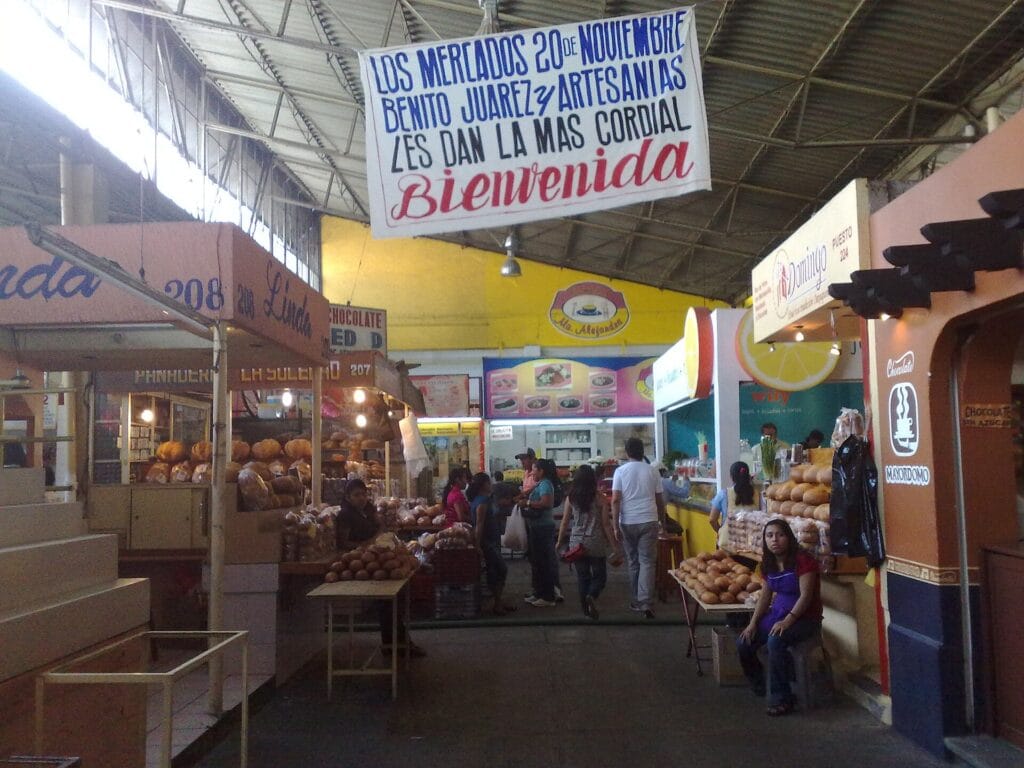
The cheapest accommodation is rarely the trade-off most travellers complain about. Local guesthouses and small family-run places in budget destinations often have more character than mid-range hotels. The genuine cost-saving levers are: eating where locals eat (a meal at a streetside stall vs a tourist restaurant is often a 5x difference), using public buses for inter-city travel rather than flights, and timing the trip outside major festival windows.
Where to splurge well
If you’re going to spend up on one thing in Oaxaca, base it on the destination’s strongest signature: food. A single high-quality experience tied to that, a meal, a guided cultural session, a specialist tour, a one-night upgrade — is usually the line item travellers remember years later. The rest of the trip can stay at the comfortable mid-range.
When prices fall
Accommodation and activity pricing in Oaxaca is lowest in the months outside its best window. The most reliable months for Oaxaca are March–April, October–November; everything outside that range typically drops 20–40% on accommodation. The trade-off is weather or crowd density: sometimes both. See the best-time guide for the specifics.
Quick facts
- Budget tier: Budget-friendly
- Currency / country: Mexico
- Recommended trip length: 4-7d
- Best months for value-to-experience ratio: March–April, October–November
Keep planning
For the full guide, see the Oaxaca travel guide. For seasonal timing and price-drop windows, the month-by-month guide goes deeper. To compare Oaxaca’s pricing against another destination side by side, use the interactive comparison tool.
Other destinations in the region
Oaxaca’s Two-Tier Daily Budget and the Costs That Leak Money
Two honest daily numbers tell you more than one average. A real shoestring day in Oaxaca City runs around USD 30-45: a dorm bed at about USD 10-15, two or three comedor and street meals at roughly USD 3-7 each, city buses or walking, and one low-cost activity. A comfortable day sits closer to USD 70-110, covering a private mid-range room, sit-down lunches, a guided mezcal or Monte Alban day trip, and the odd taxi. Over a typical 7-night stay that lands around USD 265 shoestring or roughly USD 630-700 comfortable, before flights.
The leaks are the figures travelers forget to pencil in. The FMM tourist permit costs about 983 pesos (around USD 55) and is usually bundled into your airfare, so check before paying twice. Hotel bills add Oaxaca’s 3 percent state lodging tax (ISH) on top of 16 percent IVA, so a quoted rate is not the final rate. ATM withdrawals carry an operator fee of about USD 2-6 each, on top of your bank’s foreign-transaction cut. Restaurant tipping of 10-15 percent is customary and not auto-added.
- Take a colectivo van to Puerto Escondido (around USD 12-18) instead of the AeroTucan flight (about USD 150-175): saves roughly USD 130 per leg.
- Withdraw larger amounts less often to spread that USD 2-6 ATM fee, and decline the machine’s dynamic currency conversion.
- Eat the comida corrida set lunch at a comedor for around USD 4-6 rather than a tourist-street dinner.
Frequently Asked Questions
Is Oaxaca Travel expensive to visit?
Cost depends on your travel style and timing. By the daily budget table on this page, Oaxaca Travel Budget runs shoestring $20-35/day, comfortable mid-range $40-80/day, premium $100+/day. Shoulder season offers the best value-to-experience ratio.
How can I save money in Oaxaca Travel?
Key savings strategies include traveling in shoulder season, eating at local spots instead of tourist restaurants, using public transportation, and booking activities directly rather than through hotel concierges. Free walking tours are available in most major destinations.
What is the cheapest way to get to Oaxaca Travel?
Compare flights across multiple airlines and booking platforms. Flying midweek and during off-peak months typically yields the lowest fares. Consider nearby alternate airports and budget carriers for additional savings.
Should I exchange money before arriving in Oaxaca Travel?
Exchange a small amount for immediate expenses, then use ATMs locally for better rates. Avoid airport exchange counters which typically charge 5-10% more. A travel credit card with no foreign transaction fees is ideal for larger purchases.
You Might Also Love



Written by
Drew Treasury is a contributing travel writer at Packzup, specialising in city culture, food markets, street art, and neighbourhood-level travel.
Working out the money? Check whether your destination is a cash or card country, how much to bring, and how to dodge ATM fees and the DCC trap.
