The food-as-destination trip is its own category. Not the Michelin-starred multi-course version, but the version where you fly to a city, eat fifteen meals over three days, and come home rewired. The cities below are where this works at a budget that doesn’t require justifying to anyone.
Criteria: the average proper meal costs under $15, the bar/wine scene is interesting in its own right, and there’s enough variety that you don’t repeat. The flight from a Western European or US hub matters less than the day-rate spend on the ground.
Porto, Portugal
The port wine cellars are the headline but the everyday tasca culture is the actual draw. A plate of bacalhau a bras for nine euros, a small bottle of vinho verde for four. The covered Mercado do Bolhao is small enough to walk three times in one morning. Three days, no repetition, walk everywhere.
Read the Porto guideTwo practical notes that make the weekend work. The tascas mostly serve lunch between noon and three and dinner from about seven-thirty, with a dead hour in between that catches visitors out, and many close on Sundays. The port lodges are across the river in Vila Nova de Gaia, not in Porto itself, and tastings there are cheap. Skip the francesinha if you want to eat more than once that day – it is a bread, ham, sausage and steak sandwich under melted cheese and beer sauce.
Bangkok, Thailand
The Bangkok food weekend is genuinely the most calories-per-dollar trip on the planet. Street-side boat noodles at 60 baht, the Chinatown stalls at midnight, the morning soup carts in Sathorn. The expensive end of the scale is also exceptional but the cheap end is where the magic lives.
Read the Bangkok guideThe calories-per-dollar claim holds because street vending here is licensed and regulated rather than informal, and the best stalls have cooked one dish for decades. Work by district: Chinatown’s Yaowarat after dark for seafood and noodles, Bang Rak for Muslim-Thai and roti, Or Tor Kor market for produce. The cheap unit of movement is the BTS and the river express boat – a taxi in Bangkok traffic costs you the afternoon, not the fare.
Hoi An, Vietnam
Cao lau is unique to Hoi An, the noodles are made with water from a specific town well, and the dish has only ever properly existed here. Banh mi Phuong, white-rose dumplings, the central market upstairs canteen. A weekend of food in Hoi An rarely exceeds $60 per person.
Read the Hoi An guideThe food here is unusually place-locked, which is what makes it worth a flight. Cao lau noodles are traditionally made with ash water from Cham Island and well water from the Ba Le well, and white rose dumplings have been supplied to most of the town by one family for generations. Banh mi in Hoi An is a local specialty in its own right. Budget an evening for the An Bang beach seafood grills, fifteen minutes out by bicycle.
Oaxaca, Mexico
Seven moles, mezcal you can’t get outside Mexico, market-side tlayudas at midnight. The Mercado 20 de Noviembre has the smoke-meat hall where you pick raw cuts and a vendor grills them on the spot. Three days of this and you’ll re-evaluate every Mexican restaurant in your home city.
Read the Oaxaca guideMole is the reason to come and it repays a little structure: negro is the complex one with chilhuacle chillies and chocolate, coloradito is sweeter and redder, and a tasting plate at a market comedor lets you compare without committing to a single bowl. Mezcal is not a variant of tequila – it can be made from dozens of agave species, and the espadin you see everywhere is the farmed one. The markets at Benito Juarez and 20 de Noviembre are the cheapest way to eat well.
Tbilisi, Georgia
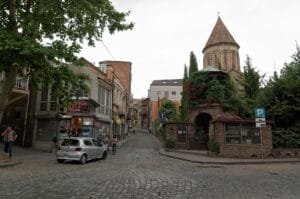
Georgian wine is 8,000 years old and has its own UNESCO category. The supra (feast) tradition means the typical sit-down dinner involves more food than you can finish. Khachapuri, khinkali, chakapuli, the highland cheeses. Genuinely one of the world’s underrated food cities. A weekend rarely exceeds $80 per person all-in.
Read the Tbilisi guideGeorgian wine is fermented in buried clay qvevri, a method on the UNESCO intangible heritage list and roughly eight thousand years old – amber wine, made by leaving white grapes on their skins, is the style you cannot easily get elsewhere. The supra is a structured feast with a tamada, or toastmaster, and it is not a free-for-all. Khinkali dumplings are eaten by hand, and you leave the doughy top knot on the plate.