
Last updated September 1, 2026 · Editorial policy
Quick answer: A classic south-to-north route: three days in Stockholm and its archipelago, the fast SJ train to Gothenburg’s harbour and islands, the Oresund train south to Malmo and Lund, then a flight to Swedish Lapland for Abisko National Park and the relocating mining town of Kiruna. Best months: June-August (midnight sun + warm). September-March (aurora). Christmas markets December. Total cost: US$2800-4500 mid-range / US$8000+ luxury per person.
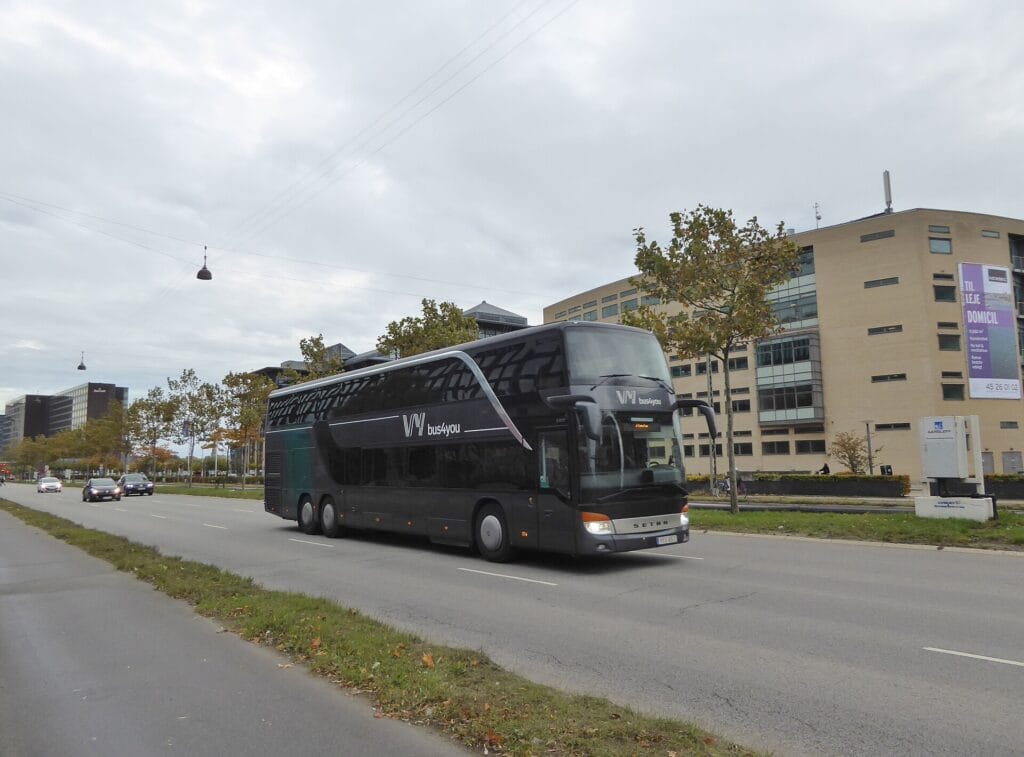
Ten days for Sweden = 3 nights Stockholm, 2 nights Gothenburg, 3 nights Lapland (Kiruna + Abisko for aurora), 2 nights nature + archipelago. This itinerary uses internal flights to Lapland + trains for southern Sweden. Built across 2 personal Sweden trips.
Day-by-day breakdown
Day 1 — Stockholm’s Old Town
Land at Stockholm Arlanda and take the Arlanda Express (about 320 SEK / roughly $30, 20 minutes) or the cheaper Flygbussarna coach to the centre. Base yourself near Gamla Stan, the medieval island core, and spend the afternoon wandering its ochre lanes to Stortorget, the postcard square, and squeezing down Marten Trotzigs Grand, the city’s narrowest alley. Time your walk for the noon or afternoon changing of the guard at the Royal Palace (Kungliga slottet). For dinner, seek out a plate of Swedish meatballs with lingonberry and cream sauce — a proper sit-down version runs about 200–280 SEK ($19–27). Planning note: skip the tourist-priced cafes on Vasterlanggatan and cut one street inward to Prastgatan, quieter and just as pretty, where locals actually stop for coffee. Ease into the jet lag; Stockholm rewards slow walking.
Day 2 — Museums & Djurgarden
Devote today to Djurgarden, the leafy museum island a short walk or tram 7 from the centre. Book a morning slot at the Vasa Museum, home to a fully intact 1628 warship raised from the harbour (adult entry about 240 SEK / roughly $23 in summer). Next door, the open-air Skansen combines a folk-life village with Nordic wildlife including bears and wolves. If you prefer pop over history, the ABBA Museum sits on the same island. Grab lunch from a herring or shrimp-roll stand along the waterfront, then ferry back across to Sodermalm for the golden-hour view from Monteliusvagen, a cliff-edge path over the water. Planning note: buy Vasa tickets online the night before; the summer queue outside can swallow 30–45 minutes. End with a fika — coffee and a cardamom bun — a non-negotiable Swedish ritual, about 50–70 SEK.
Day 3 — Archipelago Day Trip
Trade the city for water. Stockholm sits on an archipelago of some 30,000 islands, and the classic day trip is Vaxholm, an easy 60–75 minute ferry from Stromkajen with Waxholmsbolaget (round trip roughly 200–260 SEK / about $19–25). Wander Vaxholm’s wooden villas, visit the 16th-century fortress guarding the sound, and eat lunch dockside. With more time, ride onward to Grinda or Sandhamn for swimming and pine-fringed coves. Buy the Waxholmsbolaget app ticket rather than paying onboard. Planning note: sit on the open upper deck on the outbound leg for the best island-hopping views, and pack a swimsuit — Swedes swim off the rocks all summer even when the Baltic feels bracing. Back in the city by early evening, treat yourself to fresh-caught shrimp or a plate of gravlax. This is Stockholm at its most quintessentially Swedish.
Day 4 — Train to Gothenburg
Check out and walk to Stockholm Central for the fast SJ train to Gothenburg (Goteborg) on the west coast — the quickest X2000 services take under three hours; most run about 3 to 3.5 hours, with departures at least hourly. Fares booked ahead can be as low as 200–350 SEK ($19–33), rising sharply last-minute, so reserve a seat online. Arriving at Gothenburg Central by early afternoon, drop bags and stroll into Haga, the cobbled old quarter of wooden houses and cafes. This is the birthplace of the hagabulle, an oversized cinnamon bun — order one, they are genuinely plate-sized (about 55–75 SEK). Ride a vintage tram, the city’s beloved blue network, down to the harbour for sunset. Planning note: Gothenburgers are famed for dry humour and warmth; the pace is noticeably softer than Stockholm’s, so lean into it.
Day 5 — Harbour & Islands
Gothenburg is a seafaring city, so start at the Feskekorka, the church-shaped fish market, for a taste of the coast (a shrimp sandwich, or rakmacka, runs about 120–180 SEK / roughly $12–17). Climb Skansen Kronan, a hilltop fortress, for city views, then wander the canals and the grand Avenyn boulevard. In the afternoon, take a tram and short ferry to the Southern Gothenburg Archipelago — car-free islands like Styrso and Vrango, reachable on a normal Vasttrafik transit ticket, no separate boat fare. Bare granite, red cabins, swimming jetties. Planning note: the ferry from Saltholmen is part of the local transport system, so a standard day pass (about 100 SEK) covers the whole hop. For dinner, splurge on a seafood platter — Gothenburg’s cold-water langoustines and oysters are considered Sweden’s best. Watch the light linger; summer dusk here stretches past 10pm.
Day 6 — South to Malmo
Board an Oresundstag train south to Malmo, Sweden’s third city, near the tip of the country (about 2.5 hours; advance fares roughly 150–300 SEK / $14–28, hourly departures). Malmo is walkable and multicultural. Stroll Lilla Torg, the cobbled square lined with half-timbered buildings and outdoor tables, then walk out to the Vastra Hamnen (Western Harbour) to see the Turning Torso, Scandinavia’s tallest building, and swim off the boardwalk. Rent a city bike — Malmo is famously flat and cycle-friendly. Planning note: try falafel here; Malmo’s large Middle Eastern community means it rivals anywhere in Europe, and a generous wrap costs about 50–80 SEK. Grab a spot by the canal at Kungsparken for the long northern evening. Copenhagen glitters just across the water — a reminder of how far south you have travelled from Stockholm.
Day 7 — Lund & the Bridge
Take a short regional train (about 15 minutes, roughly 60–90 SEK / under $9) to Lund, one of Scandinavia’s oldest university towns. The Romanesque Lund Cathedral is the highlight — step inside to watch its 14th-century astronomical clock chime, then explore Kulturen, an open-air museum of historic buildings. The student atmosphere keeps cafes lively and affordable. Back in Malmo, use the afternoon to cross the Oresund Bridge — the iconic road-and-rail link made famous by the crime series — on a 35-minute train to Copenhagen if you want to add a foreign capital, though it requires your passport and Danish kroner. Planning note: if you stay in Sweden, cycle the seaside path to Ribersborg beach and its cold-water bathhouse, the Kallbadhus, for a proper Swedish sauna-and-sea plunge (about 90–110 SEK). Tonight, pack for a dramatic change of climate: you are heading to the Arctic.
Day 8 — North to Lapland
Fly north from Stockholm to Kiruna, above the Arctic Circle — SAS operates the route in about 1 hour 35 minutes (fares vary widely, often roughly 700–1,500 SEK / $65–140 booked ahead). From Kiruna Airport, a Visit Abisko transfer bus reaches Abisko in about 90 minutes (around 200 SEK / $19). (Rail buffs can instead take the scenic overnight SJ train from Stockholm, roughly 15–18 hours, though 2026 track works may disrupt sections.) This is Sweden’s driest, clearest sky. Check into STF Abisko Turiststation and step straight into Abisko National Park, where the Kungsleden, Sweden’s premier hiking trail, begins. In high summer the sun never sets. Planning note: from late May to mid-July the midnight sun means you can hike at 1am in full daylight — do exactly that along the Abiskojokk canyon boardwalk, when the crowds and mosquitoes both thin out.
Day 9 — Abisko & Midnight Sun
Ride the Nuolja chairlift up Mount Njulla to the Aurora Sky Station (summer daytime rides run mid-June to late September, roughly 09:30–16:00; ticket about 350–450 SEK / $33–42). From the terrace you look out over Lake Tornetrask and the U-shaped valley known as Lapporten, the natural gateway that is Lapland’s most photographed landmark. Spend the day walking a stretch of the Kungsleden or paddling a rented canoe on the lake. This is the homeland of the indigenous Sami people, and reindeer roam freely — give them space and never feed them. Planning note: try a Sami-inspired dish such as reindeer (renskav) with mashed potato and lingonberry at the station lodge, about 180–250 SEK. Evenings here in summer glow gold rather than dark; in winter this same spot is one of Earth’s best aurora-viewing points. Savour the raw, immense quiet.
Day 10 — Kiruna & Farewell
Transfer back toward Kiruna for your final morning. The town is literally on the move: threatened by subsidence from the vast LKAB iron-ore mine (the world’s largest underground iron mine), Kiruna is being relocated building by building — the historic wooden Kiruna Church, repeatedly voted Sweden’s most beautiful building, was itself moved to the new centre. Book the LKAB visitor mine tour in advance if it fits your flight (about 450 SEK / $42), or simply walk the striking new town square. Pick up a Sami handicraft, duodji, as a souvenir — look for the genuine sloyd mark rather than airport trinkets. Planning note: allow generous buffer time; Kiruna Airport is small and weather-sensitive, and northern flights can shift. Fly back to Stockholm for your onward connection, carrying the memory of a country that runs from cobbled southern squares to the silent, sunlit Arctic in a single trip.
What to book ahead
- Icehotel: Book 4-8 months ahead for winter rooms (December-April). Day visits + overnight in cold rooms or warm rooms.
- Internal flights: SAS + Norwegian Stockholm to Kiruna. Book 30-60 days ahead for $100-180 round-trip.
- Aurora Sky Station Abisko: Book online 1-2 weeks ahead Nov-Mar. $40 cable car ride. STF Abisko Mountain Station hotel attached.
- Husky sledding: Book 1-2 weeks ahead. $200-300 per person for 3-5h experiences in Abisko area.
A local planning note
Skip the heavily-booked Icehotel rooms and visit Sorrisniva Igloo Hotel (just over the Norway border) for the same ice-hotel experience at 40% lower prices and 1/3 the tourist density. Or spend the savings on the Tree Hotel south of Lulea – cabins suspended in pine forest, more architecturally interesting.
Best time for this trip
June-August (midnight sun + warm). September-March (aurora). Christmas markets December.
Stockholm in 10 Days: A City-Based Itinerary
Prefer to base yourself in the capital rather than criss-cross the country? This 10-day Stockholm-focused plan pairs the city’s highlights with easy day trips, so you unpack once and still see a lot of Sweden.
| Day | Focus | Highlights |
|---|---|---|
| 1 | Gamla Stan | Old Town lanes, Royal Palace, Stortorget, Nobel Prize Museum |
| 2 | Djurgården | Vasa Museum, ABBA Museum, Skansen open-air museum |
| 3 | Södermalm | Fotografiska, Monteliusvägen viewpoint, vintage shopping, fika |
| 4 | Archipelago | Ferry to Vaxholm or Fjäderholmarna for island life |
| 5 | Drottningholm | UNESCO palace and gardens; afternoon in Kungsholmen |
| 6 | Museums & design | Moderna Museet, Östermalm food hall, design boutiques |
| 7 | Day trip: Uppsala | 40-min train: cathedral, university, Gamla Uppsala mounds |
| 8 | Day trip: Sigtuna | Sweden’s oldest town, rune stones, lakeside cafés |
| 9 | Slow Stockholm | Kayaking, Hagaparken, Vasastan neighbourhood, sauna |
| 10 | Departure | Last fika, souvenir shopping, Arlanda Express to airport |
Getting around: central Stockholm is walkable and the SL transport pass covers metro, buses and commuter ferries. A 72-hour or 7-day travelcard plus the Arlanda Express to the airport covers almost everything on this plan.
When to go: June–August for long days and warm archipelago trips; September for fewer crowds and golden light; December for Christmas markets and cosy winter charm.
The Lapland timing mistake nobody warns you about
The biggest sequencing error on this route is going north for the wrong season. Abisko and Kiruna are famous for the aurora, but it is only visible from roughly September to late March. If you book Swedish Lapland in June or July chasing northern lights, you get 24-hour midnight sun and zero darkness, so the lights are physically impossible. Decide your goal first: aurora and dog sledding in deep winter, or hiking and the midnight sun in summer. Do not split the difference in shoulder weeks and expect both.
The second mistake is flying every leg. The southern hop from Stockholm to Gothenburg is faster and cheaper by SJ rail than by air once you count airport transfers. For the far north, consider the Stockholm to Abisko night train (Nattag 93, around 19 hours) instead of a daytime flight; you sleep through the distance and wake near the Arctic. Gothenburg earns its two nights for the 8,000-island west-coast archipelago, but if your trip is aurora-focused, cut it and bank those days in Lapland where the payoff actually is.
Frequently asked questions
Is 10 days enough for Sweden?
Yes for Stockholm + Gothenburg + Lapland. 14 days adds Goteland or Malmo + Skane. 21 days for full Sweden including West Coast + Lapland deep dive.
How much does a 10-day Sweden trip cost?
Mid-range: US$2800-4500. Luxury: US$8000+. Cheaper than Norway by 15-20%. Lapland portion drives most costs.
Best time for aurora in Sweden?
September-March in Lapland (Kiruna + Abisko). November-February peak. Abisko has world’s clearest aurora skies due to rain-shadow microclimate.
Need to visit Lapland?
Yes for full Sweden experience. Stockholm alone is more Western European feeling. Lapland delivers Arctic experience that defines Nordic travel.
Is Sweden safe?
Very safe overall. Stockholm has petty crime in tourist zones (T-Centralen metro). Outside cities, virtually no concerns.
Plan your Sweden trip
You Might Also Love

Written by
John Morrison is the founder and lead travel writer at Packzup. Over the past decade he has explored destinations across Africa, the Americas, Asia, Europe, the Middle East, and Oceania — always self-funded, never on a press trip.
Trip prep: before you travel, plan what to wear, check the tap water, sort your mobile data, and see if it is a cash or card country, and skim local etiquette.
