
Last updated September 1, 2026 · Editorial policy
Quick answer: A classic 7-day self-drive loop of Ireland: Dublin, Kilkenny and the Rock of Cashel, Cork and Kinsale, Killarney and the Ring of Kerry, the Dingle Peninsula, the Cliffs of Moher and the Burren, then Galway before returning to Dublin. Best months: May-September (warmer, longer days, more open attractions). Avoid November-February for short days + cold rain. Total cost: US$2200-3500 mid-range / US$6000+ luxury per person. Includes rental car.
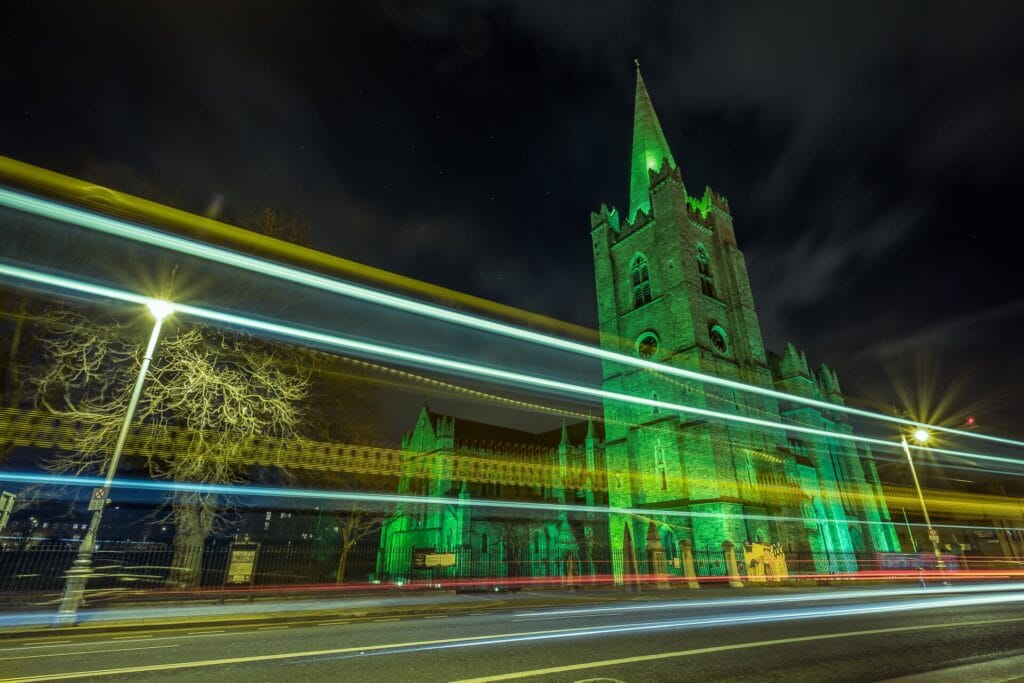
Seven days for Ireland = 2 nights Dublin, 2 nights Cliffs of Moher + Galway area, 2 nights Ring of Kerry + Killarney, 1 buffer for travel. Rental car essential (no train coverage to west coast villages). Built across 2 personal Ireland trips.
Day-by-day breakdown
Day 1 — Dublin City Highlights
Land at Dublin Airport and take the Airlink or Aircoach into the centre (roughly €8–12 / about $9–14, 30–40 minutes). Base yourself around Temple Bar or St Stephen’s Green, both walkable. Spend the morning at Trinity College to see the ninth-century Book of Kells and the barrel-vaulted Long Room; book a timed slot online in advance, as tickets run about €18–22 (roughly $20–24) and sell out. Walk west along the Liffey to Dublin Castle and the medieval Christ Church Cathedral. In the afternoon, tour the Guinness Storehouse at St James’s Gate (about €26–30 / roughly $29–33), finishing with a pint in the seventh-floor Gravity Bar. Planning note: skip the touristy Temple Bar pubs for a genuine trad-music session at The Cobblestone in Smithfield, where locals still gather nightly. Try a bowl of Irish seafood chowder with brown soda bread.
Day 2 — Kilkenny & Cashel
Collect a rental car (drive on the left) and head southwest toward Kilkenny, about 90 minutes on the M7/M9. Explore the twelfth-century Kilkenny Castle and its parkland, then stroll the cobbled Medieval Mile up to St Canice’s Cathedral, where you can climb the round tower for views over the River Nore (small fee, roughly €5–8 / about $6–9). Kilkenny’s craft scene is strong; sample a pint of Smithwick’s red ale, brewed here for centuries. In the afternoon, drive 45 minutes to the Rock of Cashel in Tipperary, a dramatic hilltop complex of a round tower, Gothic cathedral, and Cormac’s Chapel with its rare medieval frescoes (admission about €8 / roughly $9). Planning note: for the classic postcard shot of the Rock, walk five minutes to the ruins of Hore Abbey in the field below. Continue toward Cork for the night.
Day 3 — Cork & Kinsale Harbour
This morning, explore Cork city, Ireland’s lively southern capital. Browse the English Market, a covered Victorian food hall running since 1788, where you can pick up local farmhouse cheeses, spiced beef, and fresh oysters. Climb the tower of St Anne’s Church in Shandon to ring the Bells of Shandon yourself (about €6 / roughly $7). Around midday, drive 30 minutes south to Kinsale, the colourful harbour town that marks the start of the Wild Atlantic Way and is known as Ireland’s gourmet capital. Wander its narrow streets of brightly painted shopfronts, then walk or drive out to the star-shaped seventeenth-century Charles Fort overlooking the estuary (admission roughly €5 / about $6). Planning note: book dinner ahead at one of Kinsale’s seafood restaurants and order the local mussels or Kinsale hake. Overnight in Kinsale or back in Cork.
Day 4 — Killarney & Ring of Kerry
Drive west to Killarney (about 90 minutes via the N22), gateway to Killarney National Park. Rather than rush, dedicate today to the famous Ring of Kerry, a 179 km coastal loop; drive it anticlockwise from Killarney through Killorglin to stay clear of the tour coaches, which are legally required to travel clockwise. Budget a full day with stops at Kells Bay, the fishing village of Portmagee, and the sweeping viewpoint at Ladies View. Weather permitting, detour to Valentia Island or gaze out at the Skellig Islands. Fuel is around €1.75–1.90 a litre (roughly $7.30–8 a US gallon). Planning note: pause at Muckross House and the nearby Torc Waterfall back near Killarney; both are quick, worthwhile stops. Try fresh Kerry lamb or a bowl of chowder in a Sneem or Kenmare pub before returning to Killarney.
Day 5 — Dingle & Slea Head
Leave the Ring behind and head onto the wilder Dingle Peninsula, about 90 minutes from Killarney. Weather permitting, cross the spectacular Conor Pass, one of Ireland’s highest and narrowest mountain roads, into Dingle town (An Daingean), a Gaeltacht harbour village where Irish is still the everyday language. From here, drive the roughly 47 km Slea Head Drive loop clockwise, hugging cliffs past the Gallarus Oratory, a perfectly preserved early-Christian stone church, and stone beehive huts with views to the Blasket Islands (small honesty-box fees, roughly €3–5 / about $3–6). Allow at least three hours. Planning note: Dingle is renowned for artisan ice cream at Murphy’s, made with local milk and sea salt, and for its long pub tradition of live traditional music. Sample the day’s catch, often Dingle Bay crab or fish. Overnight in Dingle.
Day 6 — Cliffs of Moher & Burren
Drive north and take the Shannon car ferry from Tarbert to Killimer (about 20 minutes, roughly €22 / about $24 per car), a scenic shortcut into County Clare that avoids the long inland detour. Continue to the Cliffs of Moher, Ireland’s most visited natural wonder, where sea cliffs rise over 200 metres; pre-book a timed ticket online (adults roughly €10–12 / about $11–14, including parking and the visitor centre). Walk the clifftop path toward O’Brien’s Tower for the best vantage. Afterwards, drive north through The Burren, a lunar limestone landscape dotted with wildflowers and the 5,000-year-old Poulnabrone Dolmen portal tomb (free). Planning note: stop in the village of Doolin, just ten minutes from the cliffs, for its famous pub trad sessions. Continue on to Galway city for the night, about 90 minutes away.
Day 7 — Galway to Dublin
Spend the morning exploring Galway, the bohemian heart of the west coast. Wander the pedestrianised Latin Quarter and Shop Street, where buskers play, then walk down to the Spanish Arch and along the River Corrib to the fishing quarter of The Claddagh, origin of the famous Claddagh ring. Visit the Galway City Museum (free) for local history. For lunch, seek out fresh Galway Bay oysters, celebrated worldwide, or a bowl of seafood chowder. If time allows, take a short drive out to Salthill for the seaside promenade and Atlantic views. In the afternoon, return your rental car and drive back to Dublin, about 2.5 hours east on the M6/M4; the train from Galway Ceannt to Dublin Heuston is an easy alternative (roughly 2.5 hours, fares from about €14 / $16 if booked ahead). Planning note: leave buffer time before any evening flight from Dublin Airport.
What to book ahead
- Rental car: Hertz + Avis + Enterprise Dublin Airport. Book 1+ months ahead – Irish rental rates jumped 60-100% post-2022. Compact car $40-70/day, SUV $80-130/day.
- Cliffs of Moher: Free walking access but parking is $7/car. Visitor center fee. Visit early morning (before 11am) to beat tour buses.
- Killarney accommodation: Book 2-3 months ahead June-August. Killarney’s tourism makes it the busiest non-Dublin destination.
- Trinity Book of Kells: Book online 1-2 weeks ahead. Sells out same-day in summer. Combine with Long Room library.
A local planning note
Skip the Cliffs of Moher main viewpoint (where 90% of tourists stop) and walk south along the coastal path to Hag’s Head for the same dramatic cliffs without crowds. The 4km walk takes 90 min and gives you Atlantic views uninterrupted by selfie crowds. Free + far more memorable.
Best time for this trip
May-September (warmer, longer days, more open attractions). Avoid November-February for short days + cold rain.
Routing mistakes that wreck the Kerry days
The most common error on this loop is treating the Ring of Kerry as a single afternoon drive. Allow two days: one for the full N70 loop and one for Killarney National Park, which holds Muckross House and the Gap of Dunloe. The second mistake is direction. Tour buses are required to run the Ring counterclockwise, so drive it clockwise and you meet them at passing points instead of crawling behind one all day. Start before 9am from Killarney and you clear most of them entirely.
If you have to choose one peninsula, many drivers skip the busier Ring and take the Dingle Peninsula instead. The Slea Head Drive is a roughly half-day coastal loop with stronger local character, and the full Dingle circuit runs about 3.5 hours without stops. Add the Skellig Ring detour off the main Ring: it is too narrow for coaches, so the tour buses cannot follow. Do not pack both peninsulas plus the Cliffs of Moher into the same 48 hours. Pick two anchors, give each real time, and let the lay-bys go.
Frequently asked questions
Is 7 days enough for Ireland?
Yes for Dublin + Wild Atlantic Way + Killarney. 10 days adds Northern Ireland (Belfast + Giant’s Causeway). 14 days for full island circuit including Cork + Wicklow Mountains.
How much does a 7-day Ireland trip cost?
Mid-range: US$2200-3500. Rental car adds $300-500 to base cost. Self-catering + hostels save 30-40%.
Train or rental car?
Rental car essential for Wild Atlantic Way (Cliffs of Moher + Ring of Kerry). Trains only connect major cities (Dublin to Galway/Cork). West coast villages = car only.
Best time for Ireland?
May-June and September-October. Warm enough, long days, fewer crowds. Avoid November-February (short days, heavy rain). July-August are peak tourism.
Driving on the left side?
Yes Ireland drives on left. International license + passport required. Roads are narrow especially Ring of Kerry. Allow extra time for everything.
Plan your Ireland trip
You Might Also Love

Written by
John Morrison is the founder and lead travel writer at Packzup. Over the past decade he has explored destinations across Africa, the Americas, Asia, Europe, the Middle East, and Oceania — always self-funded, never on a press trip.
Trip prep: before you travel, plan what to wear, check the tap water, sort your mobile data, and see if it is a cash or card country, and skim local etiquette.
