
Last updated August 29, 2026 · Editorial policy
- Best time to visit Australia: at a glance
- Best Time to Visit Australia: Month-by-Month Guide
- Best Months to Visit Australia
- Australia Travel Seasons at a Glance
- Weather in Australia
- Festivals & Events in Australia
- When to Visit by Travel Goal
- What to Avoid
- Booking Tips
- The North-South Split: Why Your Best Month Flips Depending on the Region
- Frequently Asked Questions
- Related Australia Travel Guides
Best time to visit Australia: at a glance
Short answer: September–November and March–May (it varies north to south).
| Season | Months | What to expect |
|---|---|---|
| Peak | Dec–Feb | Southern summer & beaches — but the tropical north is wet |
| Shoulder (best value) | Sep–Nov, Mar–May | Mild nationwide, fewer crowds |
| Low | Jun–Aug | Cool south; the best, dry time for the north & Outback |
Best Time to Visit Australia: Month-by-Month Guide
Quick answer: The best time to visit Australia is September-November (spring) and March-May (autumn) — ideal weather, fewer crowds than peak, and reasonable prices.
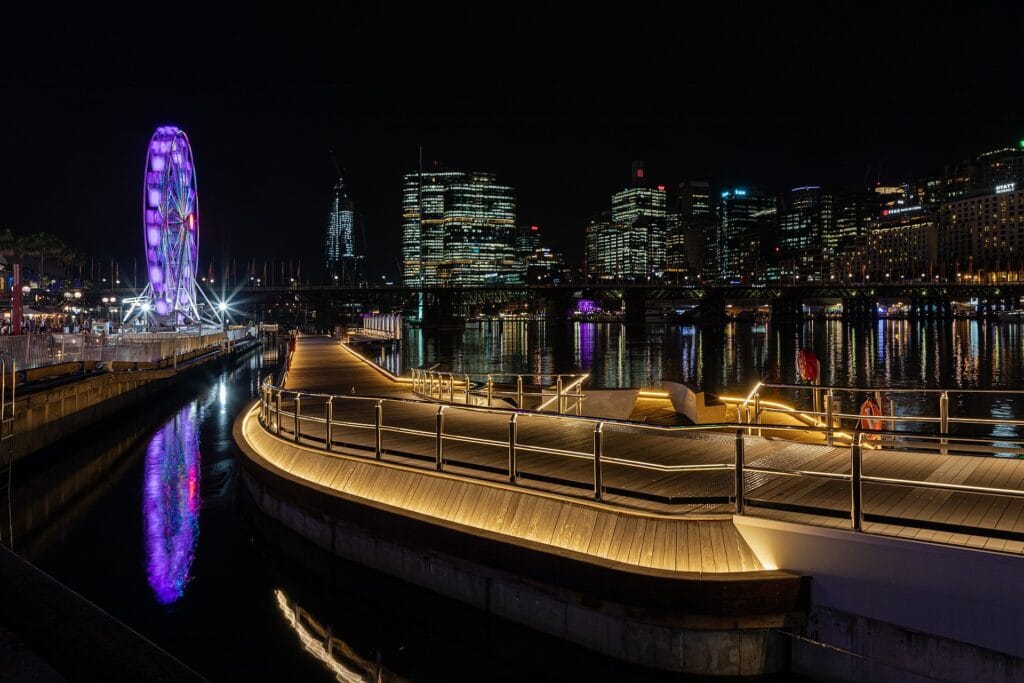
Peak: December-February (summer) · Off-season: June-August (winter)
Knowing the best time to visit Australia can transform your trip — saving you hundreds on flights and hotels while putting you in better weather with fewer crowds. This guide breaks down each season, key events, and what to expect month by month so you can pick the right travel dates.
Best Months to Visit Australia
Top pick: September-November (spring) and March-May (autumn). You get the best balance of weather, crowds, and price. Hotels and flights typically run 15-30% below peak season, the weather is comfortable, and major attractions are open without the high-summer chaos.
Australia Travel Seasons at a Glance
| Season | Months | What to Expect |
|---|---|---|
| Peak | December-February (summer) | Best weather (for that region), highest prices, biggest crowds. Book hotels 3-6 months ahead. |
| Shoulder | September-November (spring) and March-May (autumn) | Sweet spot: good weather, moderate crowds, 15-30% lower prices than peak. |
| Off-season | June-August (winter) | Cheapest, quietest. Some sights may be closed. Best for budget travelers and shoulder-month flexibility. |
Weather in Australia
Reverse seasons (Southern Hemisphere). Typical peak season highs: Varies by region.
Festivals & Events in Australia
New Year’s Eve in Sydney is the booking crunch to respect: harbour-view hotels and fireworks vantage points typically sell out six months or more ahead at steep premiums. If Sydney at New Year is the plan, lock in rooms by around June or July.
- Sydney Mardi Gras (Mar)
- Vivid Sydney (May-Jun)
- Melbourne Cup (Nov)
When to Visit by Travel Goal
- Best weather: Visit during September-November (spring) and March-May (autumn). Comfortable temperatures, low rainfall, manageable crowds.
- Lowest prices: June-August (winter). Hotels and flights cut 30-50%. Trade weather for savings.
- Fewest crowds: Winter, June through August, is the quiet season in Sydney, Melbourne and the south; February also settles quickly once the summer school break ends in late January. The exception is the tropical north, which is busiest in its May-October dry season.
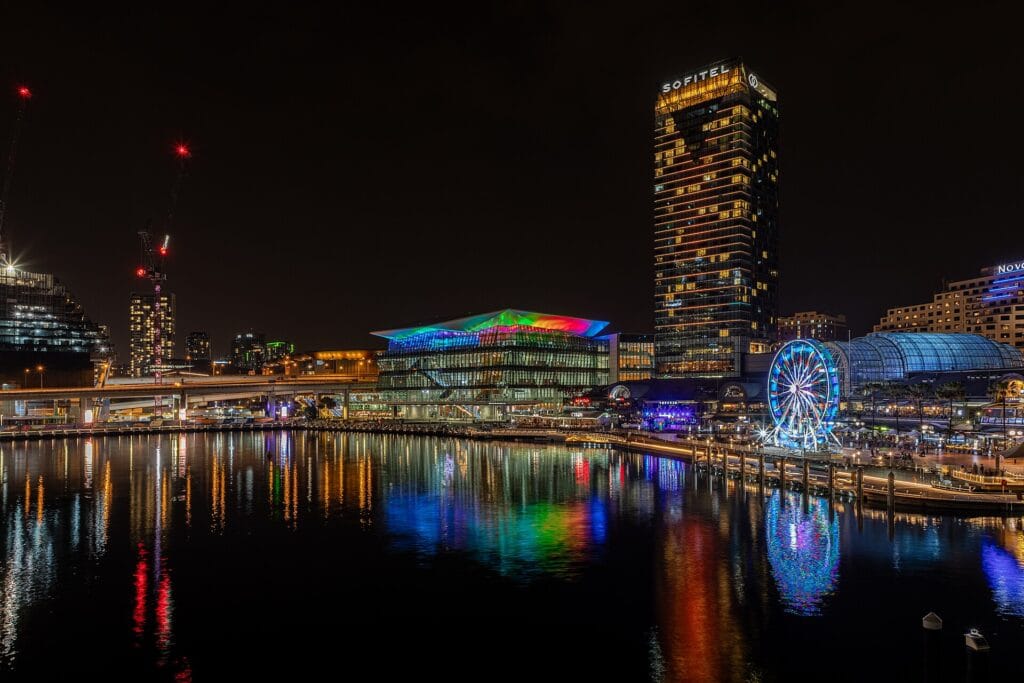
- Festivals & culture: Sydney’s Mardi Gras parade lands around early March and Vivid Sydney lights the harbour from roughly late May to mid-June; Melbourne Cup week, anchored on the first Tuesday of November, fills Melbourne fast. Book accommodation months ahead for any of the three.
- Outdoor activities: Avoid peak rain/hurricane months. September-November (spring) and March-May (autumn) is generally optimal.
- Budget travelers: June-August winter is Australia’s cheap window for Sydney, Melbourne and the southern coast, with flights and rooms typically well below summer rates. Note the flip: those same months are peak dry season up north, so Cairns and Darwin cost more then.
What to Avoid
- Peak crowds: December-February (summer) brings 2-3x the visitors. Major sites require ticket reservations weeks ahead.
- Major holidays: The mid-December to late-January summer school break is Australia’s big domestic surge – coastal towns book solid and prices jump. Easter and the April school holidays bring a second wave, and Christmas through New Year is the single toughest week to book.
- Closures: Little shuts nationwide, but the tropical north winds down in the November-April wet season – some Top End park roads and remote lodges typically close from flooding, and box jellyfish make unprotected northern beach swims risky into May. Southern ski areas only operate around June-September.
Booking Tips
- For Australia’s December-February peak – especially Christmas through late January, when the long summer school break hits – book international flights around four to six months out. For the March-May and September-November shoulder seasons, two to three months ahead is typically enough.
- Australia’s shoulder months are March-May and September-November. Late March and April keep warm ocean temperatures in Sydney without the summer crush, while October-November offers mild spring days before holiday pricing kicks in. Both windows typically run well below December-February peak rates.
- Australia’s own state school holidays matter far more than any overseas calendar: the long summer break from mid-December to late January, plus shorter breaks around April, July, and late September-October. New Zealand’s holidays roughly mirror them. Time beach towns and reef trips outside those windows if you can.
- Travel insurance earns its keep here: the tropical north’s cyclone and monsoon season runs roughly November to April and can disrupt reef trips and Top End flights, while summer bushfire smoke occasionally affects southern regions. Cover delays and cancellations if traveling in those windows.
The North-South Split: Why Your Best Month Flips Depending on the Region
The trap with a single ‘best month’ for Australia is that the country runs on two opposite calendars, and the shoulder-season advice that fits Sydney can be the worst possible call for Cairns. The southern cities reward autumn and spring: Sydney sits around 18-26C (about 64-79F) in March, with the humid summer gone but the ocean still around 22C (about 72F) for swimming. Lean into late March through April or September into October here for mild days and rates below the summer peak.
The tropical north inverts this. Cairns, the Whitsundays and Darwin are at their best in the dry season, roughly May to October, when humidity drops and temperatures hold around 20-33C (about 68-91F). The same months that southern travellers skip are prime time up north.
- Avoid the north from November to April: monsoon humidity tops 80 percent, cyclones are possible, and box jellyfish make unprotected beach swimming risky through to the end of May.
- Avoid nationwide from mid-December to late January: the summer school break runs over 40 days, fills the southern coast, and pushes accommodation up 30-100 percent.
Pick the region first, then the month follows.
Frequently Asked Questions
What is the best month to visit Australia?
The single best time to visit Australia depends on your priorities. For ideal weather plus reasonable crowds, target September-November (spring) and March-May (autumn). Peak season is December-February (summer) (busiest, highest prices). Off-season is June-August (winter) (cheapest, least crowded — but check what’s open).
What’s the cheapest time to visit Australia?
The cheapest time to visit Australia is during the off-season: June-August (winter). Flights and hotels drop 30-50%. Trade-offs: some sights/restaurants may close, weather may be less favorable, fewer events.
When should I avoid Australia?
Avoid Australia during peak season (December-February (summer)) if you want fewer crowds and lower prices. Also consider local school holidays (when domestic travel surges) and weather extremes (Varies by region during peak heat).
What is the weather like in Australia?
Reverse seasons (Southern Hemisphere). Summer highs and winter lows vary by altitude, coast vs. inland, and exact location within Australia. Always check the specific city forecast a week before departure.
Are there major festivals in Australia?
Yes — Australia hosts notabMelbourne including: Sydney Mardi Gras (Mar), Vivid Sydney (May-Jun), Melbourne Cup (Nov). Major festivals can spike hotel prices 50-200% — book 3-6 months ahead if attending.
What should I pack for Australia?
Pack for the season you’re visiting and the climate zone. Summer in Australia: lightweight breathable clothes, sunscreen, hat, comfortable walking shoes. Winter: layers, waterproof jacket, warm accessories. Check the 10-day forecast 1-2 weeks before departure and adjust.
Related Australia Travel Guides
- Best Things to Do in Australia
- Where to Stay in Australia
- Best Food in Australia
- How Much Does a Trip to Australia Cost?
- Australia Itinerary Guide
Torn between destinations? See our honest, first-hand comparisons: New Zealand vs Australia.
Plan the practical side: Cost of 1 Week in Australia Americans.
Timing your trip? See our data study: Best Time to Travel the World 2026 — the best (and worst) months to travel, from 26 top destinations.
You Might Also Love


Written by
John Morrison is the founder and lead travel writer at Packzup. Over the past decade he has explored destinations across Africa, the Americas, Asia, Europe, the Middle East, and Oceania — always self-funded, never on a press trip.
