
Last updated September 3, 2026 · Editorial policy
Best time to visit Chile: at a glance
Short answer: November to March for Patagonia; the Atacama is year-round.
| Season | Months | What to expect |
|---|---|---|
| Peak | Dec–Feb | Patagonia open, warm; busiest |
| Shoulder (best value) | Oct–Nov, Mar–Apr | Mild, fewer crowds, autumn colour |
| Low | Jun–Aug | Winter; skiing and whale season |
Best Time to Visit Chile: Month-by-Month Guide
Quick take: When should you actually go to Chile? Below: the honest month-by-month guide — not the watered-down tourism-board version.
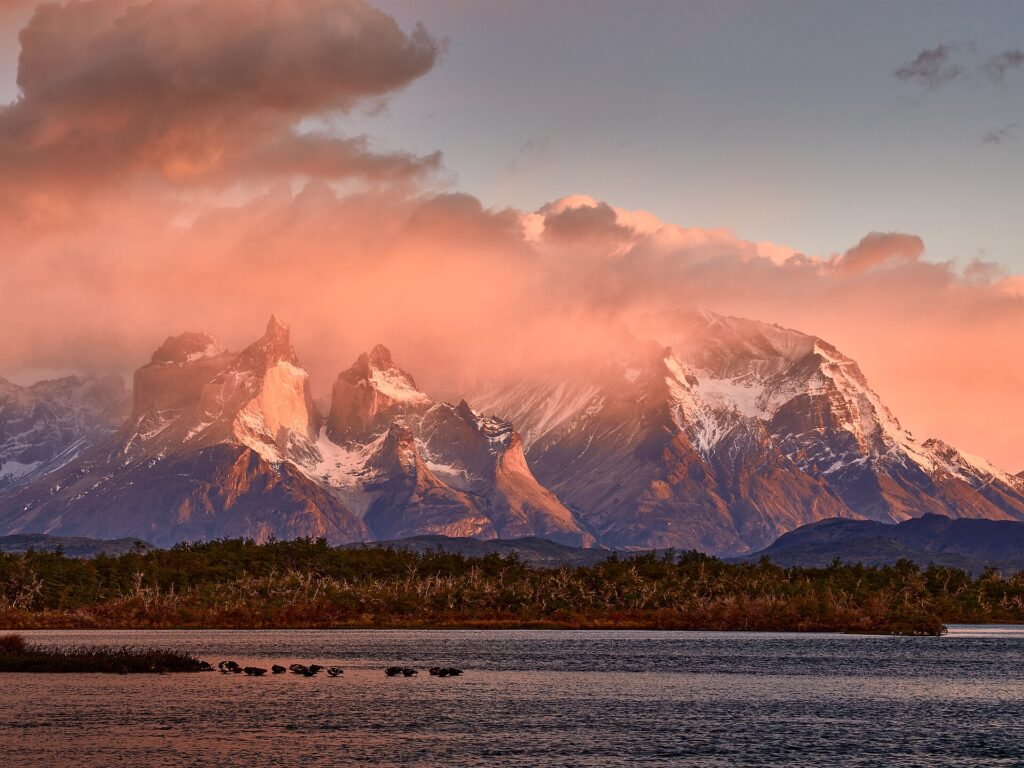
Knowing the best time to visit Chile can transform your trip — saving you hundreds on flights and hotels while putting you in better weather with fewer crowds. This guide breaks down each season, key events, and what to expect month by month so you can pick the right travel dates.
| Season | Months | What to Expect |
|---|
Festivals & Events in Chile
The tightest window is Tapati Rapa Nui in the first half of February: Easter Island’s flights and guesthouses are limited and typically sell out months ahead, so book around four to six months early. Viña del Mar’s late-February festival week similarly squeezes hotels along the central coast.
- Fiestas Patrias (Independence Day) (Sep)
- Festival Internacional de la Canción de Viña del Mar (Feb)
- Tapati Rapa Nui Festival (Easter Island) (Feb)
- Fiesta de La Tirana (Jul)
- Carnaval Andino con la Fuerza del Sol (Arica) (Jan-Feb)
When to Visit by Travel Goal
- Fewest crowds: April-May and early October are typically the quietest months with decent weather: Patagonia’s trails empty out after Easter, and Santiago and the Atacama stay very workable. Winter, June to August, is quieter still outside the ski slopes, but skip July’s school break and the Fiestas Patrias surge around September 18.
- Festivals & culture: The Viña del Mar International Song Festival, typically the last week of February, is often called Latin America’s biggest music festival and packs the central coast. On Easter Island, Tapati Rapa Nui fills the first half of February; mid-September’s Fiestas Patrias brings fondas and rodeos nationwide.
- Budget travelers: The cheapest stretch is typically austral autumn and winter, April through early September, when fares and Santiago hotels dip; skip the mid-September Fiestas Patrias week and July’s two-week school break. The October-November shoulder adds Patagonia access at prices still well below the December-February peak.
What to Avoid
- Major holidays: Fiestas Patrias around September 18-19 often stretches into a near week-long national break that fills buses, flights, and cabins nationwide. Christmas through New Year opens the domestic summer rush, Easter weekend fills coastal and lake towns, and the two-week July school break packs the ski resorts.
- Closures: Patagonia largely shuts down in winter: many Torres del Paine refugios and guided circuits close roughly May to September, and some Puerto Natales operators pause entirely. In January-February, altiplanic-winter storms can cancel Atacama high-lagoon tours, and many Santiago restaurants close in February while locals holiday on the coast.
Booking Tips
- Chile’s peak is the austral summer, December to February, when Patagonia demand spikes; book international flights around three to five months ahead for those dates, and domestic legs to Punta Arenas or Easter Island even earlier. For shoulder trips in October-November or March-April, booking around two months out typically works.
- Chile’s shoulder windows are late October to November and March to April. Patagonia’s winds ease off the January peak, daylight stays long, and refugios are easier to book; March-April adds autumn colour in the south. The trade is chillier nights and a higher chance of early- or late-season storms.
- Chilean school summer holidays run roughly mid-December to early March and drive the domestic peak, joined by Argentine and Brazilian summer breaks in January-February. Chile’s two-week July winter break fills Valle Nevado and Portillo, while Northern Hemisphere Christmas holidays add long-haul trekkers to Patagonia’s busiest weeks.
- Chile has no hurricane or monsoon season, but it sits in an earthquake zone, Atacama excursions can climb above 4,000m where altitude sickness is a real risk, and Patagonia’s wind and weather regularly cancel treks and flights. Cover for trip interruption, high-altitude activity, and emergency evacuation is worth it on remote southern itineraries.
Which Chile You Are Chasing Decides the Month
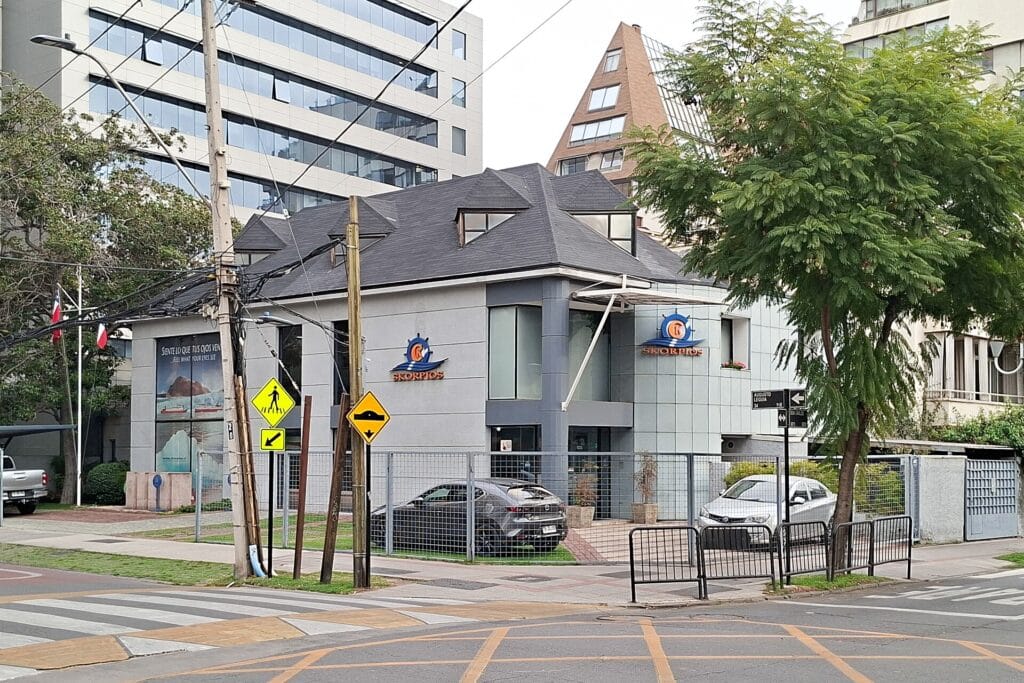
The smart move is to pick your timing around the one region you most want, because Chile spans roughly 4,300 km and its peaks rarely line up. The country’s headline summer (December to February) is genuinely the worst value almost everywhere except the far south: Santiago bakes near 30C in January, and Torres del Paine hits its windiest stretch then, with gusts that can top 100 km/h and rattle the W trek.
The shoulder windows pay off differently by zone:
- Patagonia and Torres del Paine: aim for late October to November or March, when daylight is still long, crowds thin, and the wind eases off the January peak.
- Atacama and Santiago: target March to May or September to November for clear skies and milder days; skip January and February in the Atacama, when ‘altiplanic winter’ afternoon thunderstorms can flood roads to the high lagoons and cancel altiplano tours.
- Skiing: the season at Valle Nevado and Portillo runs roughly late June to early October, with the deepest, most reliable snow in July and August.
Avoid the December-to-February rush unless Patagonia trekking or southern whale watching is the entire reason you are going.
Frequently Asked Questions
Are there major festivals in Chile?
Yes — Chile hosts notable events including: Fiestas Patrias (Independence Day) (Sep), Festival Internacional de la Canción de Viña del Mar (Feb), Tapati Rapa Nui Festival (Easter Island) (Feb), Fiesta de La Tirana (Jul), Carnaval Andino con la Fuerza del Sol (Arica) (Jan-Feb). Major festivals can spike hotel prices 50-200% — book 3-6 months ahead if attending.
What should I pack for Chile?
Pack for the season you’re visiting and the climate zone. Summer in Chile: lightweight breathable clothes, sunscreen, hat, comfortable walking shoes. Winter: layers, waterproof jacket, warm accessories. Check the 10-day forecast 1-2 weeks before departure and adjust.
Related Articles
- 15 Best Things to Do in Santiago
- Chile Visa Requirements: The Complete Guide
- How Much Does a Trip to Chile Cost?
- Argentina vs Chile: South America’s Best Trip
Torn between destinations? See our honest, first-hand comparisons: Chile vs Mexico, Chile vs Peru.
Chile weather & climate by month
Best months to visit: January, February, March, April, May, September, October, November, December. Chile’s warmest month is January (avg 30°C / 85°F), the coolest is July (low 7°C / 44°F). The wettest is June (80 mm) and the driest is January.
| Month | Avg high | Avg low | Rainfall | Rainy days |
|---|---|---|---|---|
| January | 30°C / 85°F | 15°C / 59°F | 1 mm | 0 |
| February | 30°C / 85°F | 15°C / 60°F | 1 mm | 0 |
| March | 28°C / 83°F | 14°C / 57°F | 4 mm | 1 |
| April | 24°C / 75°F | 12°C / 53°F | 18 mm | 2 |
| May | 20°C / 67°F | 10°C / 50°F | 43 mm | 4 |
| June | 15°C / 60°F | 7°C / 45°F | 80 mm | 5 |
| July | 15°C / 59°F | 7°C / 44°F | 50 mm | 4 |
| August | 17°C / 62°F | 8°C / 46°F | 44 mm | 3 |
| September | 19°C / 65°F | 8°C / 47°F | 25 mm | 3 |
| October | 23°C / 73°F | 10°C / 50°F | 12 mm | 1 |
| November | 26°C / 80°F | 12°C / 53°F | 5 mm | 1 |
| December | 30°C / 85°F | 14°C / 57°F | 3 mm | 0 |
Climate source: Open-Meteo / WMO climate normals (WMO 1991–2020, or ERA5 2019–2023 where unavailable). Compare destinations in the Best Time to Visit Index.
You Might Also Love



Written by
John Morrison is the founder and lead travel writer at Packzup. Over the past decade he has explored destinations across Africa, the Americas, Asia, Europe, the Middle East, and Oceania — always self-funded, never on a press trip.
