
Last updated August 29, 2026 · Editorial policy
- Best time to visit Argentina: at a glance
- Best Time to Visit Argentina: Month-by-Month Guide
- Best Months to Visit Argentina
- Argentina Travel Seasons at a Glance
- Weather in Argentina
- Festivals & Events in Argentina
- When to Visit by Travel Goal
- What to Avoid
- Booking Tips
- There Is No Single Best Time – It Depends on Which Argentina You Came For
- Frequently Asked Questions
- Related Argentina Travel Guides
- Related Articles
Best time to visit Argentina: at a glance
Short answer: October–April overall; November–March for Patagonia.
| Season | Months | What to expect |
|---|---|---|
| Peak | Dec–Feb | Southern summer, Patagonia open; busiest |
| Shoulder (best value) | Oct–Nov, Mar–Apr | Mild, fewer crowds, wine-country harvest |
| Low | Jun–Aug | Winter; ski in the Andes, whales off Península Valdés |
Best Time to Visit Argentina: Month-by-Month Guide
Quick take: Argentina has a clear sweet spot — But the ‘wrong’ months aren’t always wrong. It depends on what you’re after.
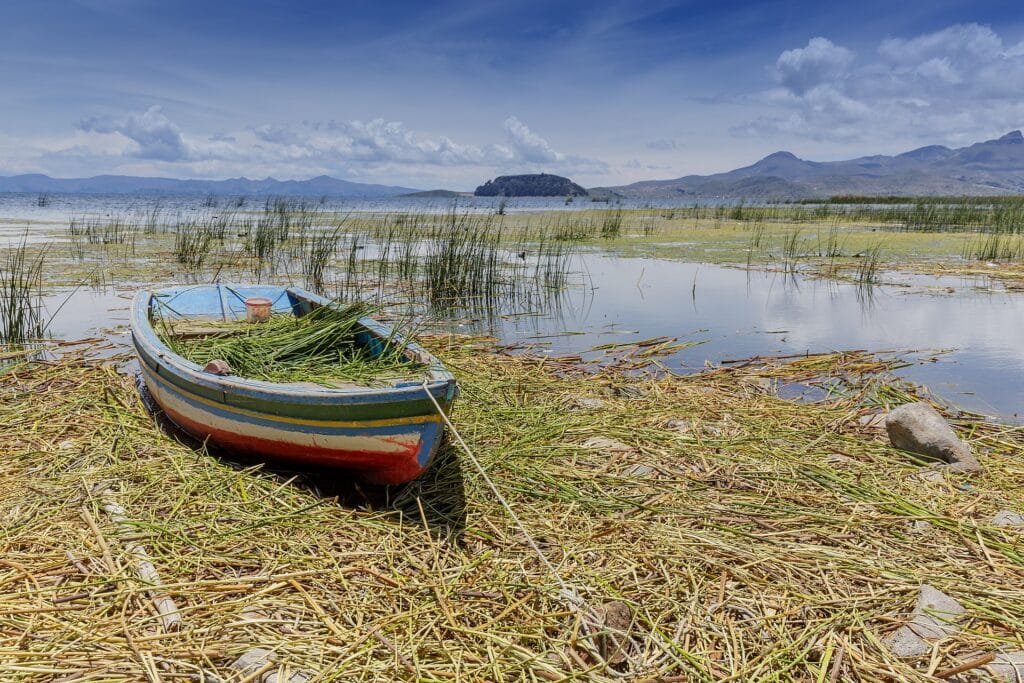
Peak: December-February · Off-season: June-August (winter)
Knowing the best time to visit Argentina can transform your trip — saving you hundreds on flights and hotels while putting you in better weather with fewer crowds. This guide breaks down each season, key events, and what to expect month by month so you can pick the right travel dates.
Best Months to Visit Argentina
Top pick: October-April (Patagonia Nov-Mar). You get the best balance of weather, crowds, and price. Hotels and flights typically run 15-30% below peak season, the weather is comfortable, and major attractions are open without the high-summer chaos.
Argentina Travel Seasons at a Glance
| Season | Months | What to Expect |
|---|---|---|
| Peak | December-February | Best weather (for that region), highest prices, biggest crowds. Book hotels 3-6 months ahead. |
| Shoulder | October-April (Patagonia Nov-Mar) | Sweet spot: good weather, moderate crowds, 15-30% lower prices than peak. |
| Off-season | June-August (winter) | Cheapest, quietest. Some sights may be closed. Best for budget travelers and shoulder-month flexibility. |
Weather in Argentina
Reverse seasons; vast climate variation. Typical peak season highs: 80-95°F summer.
Festivals & Events in Argentina
The single most booking-critical window is Mendoza’s Fiesta Nacional de la Vendimia, held around the first weekend of March: city and wine-country hotels typically sell out months ahead of harvest weekend. If Vendimia anchors your trip, lock in Mendoza lodging and flights the moment your dates firm up.
- Tango Buenos Aires Festival (Aug)
- Carnival (Feb)
- Ushuaia winter sports
When to Visit by Travel Goal
- Best weather: Visit during October-April (Patagonia Nov-Mar). Comfortable temperatures, low rainfall, manageable crowds.
- Lowest prices: June-August (winter). Hotels and flights cut 30-50%. Trade weather for savings.
- Fewest crowds: May, June and September are Argentina’s quietest months. Cities feel local again, though most of southern Patagonia is shut. Within trekking season, early November and late March typically offer Patagonia’s trails without the January crush. Avoid late July, when winter school holidays fill Bariloche.
- Festivals & culture: Mendoza’s Fiesta Nacional de la Vendimia crowns the wine harvest around the first weekend of March with parades and an amphitheater finale; Buenos Aires hosts its Tango Festival and world championship each August. Both fill their host cities’ hotels, so reserve rooms months ahead.
- Outdoor activities: Avoid peak rain/hurricane months. October-April (Patagonia Nov-Mar) is generally optimal.
- Budget travelers: Winter is Argentina’s cheap window. May, June and August-September see city hotels and flights drop sharply while Buenos Aires, Mendoza and Iguazu stay fully open. Skip the second half of July, when Argentine school holidays send Bariloche and ski-town prices soaring.
What to Avoid
- Peak crowds: December-February brings 2-3x the visitors. Major sites require ticket reservations weeks ahead.
- Major holidays: Argentines vacation en masse in January, packing beach towns and Patagonia; the Carnival long weekend in February and Semana Santa around Easter both spark domestic travel surges; and the mid-to-late July winter school break fills Bariloche and the Andes ski towns. Book ahead if your dates overlap these.
- Closures: Buenos Aires, Mendoza and Iguazu run year-round, but southern Patagonia largely shuts for winter: most El Chalten hotels and refugios close around May-September, and mountain trails turn weather-dependent. Whale-watching boats off Peninsula Valdes typically operate only from June to mid-December.
Booking Tips
- Argentina’s peak is December-February, when Christmas, New Year and Patagonia’s trekking season collide; long-haul fares for those dates are typically best booked around three to five months out. Lock in domestic legs to El Calafate or Ushuaia once dates are set, since summer seats go first.
- Argentina’s shoulder runs October-November and March-April. November brings Buenos Aires’ jacaranda bloom and the opening of Patagonia’s trekking season; March-April delivers Mendoza’s grape harvest and Iguazu at near-full flow in gentler heat. You trade a little late-summer rain for near-peak conditions at noticeably lower prices than December-February.
- Argentine school calendars matter most here: the domestic summer break from mid-December through February drives the national high season, and the two-week winter recess around mid-to-late July packs Bariloche’s slopes. Brazilian and Chilean summer holidays add regional crowds in January, and Brazil’s July break typically swells ski-town numbers too.
- Argentina has no hurricane or monsoon season, but insurance still matters here: Patagonia’s wind routinely delays flights and cancels glacier excursions, trekking around El Chalten is far from major hospitals, and the northwest around Salta and Jujuy reaches altitudes where sickness can strike. Prioritize trip-disruption and medical-evacuation cover for Patagonia itineraries.
There Is No Single Best Time – It Depends on Which Argentina You Came For
The honest answer is that Argentina is too long to optimize in one window, so anchor your dates to the one experience you most want rather than chasing a country-wide sweet spot. The shoulder months of October-November and March-April carry the generic value advantage, but each region rewards a different slice of the calendar.
For Buenos Aires, time it to November: the jacarandas start flowering in the first week and peak around November 15-20, turning Palermo and Recoleta purple for roughly four weeks while temperatures sit comfortably in the low-to-mid 20s C. Wine travelers should target the first weekend of March for Mendoza’s Fiesta Nacional de la Vendimia, which crowns the harvest with parades and the main show at the Frank Romero Day amphitheater. Patagonia’s classic trekking holds best from late November through March. If wildlife is the draw, the southern right whales gather off Peninsula Valdes from June to mid-December, with calves visible from the Puerto Madryn shoreline in July and August and the strongest boat trips around September-October.
- Avoid Iguazu Falls in the December-March peak: heat and humidity climb to around 30-35 C, afternoon storms are routine, holiday crowds spike, and high water can close trails such as Isla San Martin. April runs the falls nearly full at far gentler temperatures.
Frequently Asked Questions
What is the best month to visit Argentina?
The single best time to visit Argentina depends on your priorities. For ideal weather plus reasonable crowds, target October-April (Patagonia Nov-Mar). Peak season is December-February (busiest, highest prices). Off-season is June-August (winter) (cheapest, least crowded — but check what’s open).
What’s the cheapest time to visit Argentina?
The cheapest time to visit Argentina is during the off-season: June-August (winter). Flights and hotels drop 30-50%. Trade-offs: some sights/restaurants may close, weather may be less favorable, fewer events.
What is the weather like in Argentina?
Reverse seasons; vast climate variation. Summer highs and winter lows vary by altitude, coast vs. inland, and exact location within Argentina. Always check the specific city forecast a week before departure.
Are there major festivals in Argentina?
Yes — Argentina hosts notable events including: Tango Buenos Aires Festival (Aug), Carnival (Feb), Ushuaia winter sports. Major festivals can spike hotel prices 50-200% — book 3-6 months ahead if attending.
What should I pack for Argentina?
Pack for the season you’re visiting and the climate zone. Summer in Argentina: lightweight breathable clothes, sunscreen, hat, comfortable walking shoes. Winter: layers, waterproof jacket, warm accessories. Check the 10-day forecast 1-2 weeks before departure and adjust.
Related Argentina Travel Guides
- Things to Do in Argentina: 10 Best Experiences (2026)
- Best Food in Argentina: Asado, Empanadas & More (2026)
Related Articles
- Argentina Visa Requirements: The Complete Guide
- How Much Does a Trip to Argentina Cost?
- 15 Things to Know Before Visiting Argentina
- Argentina vs Chile: South America’s Best Trip
Torn between destinations? See our honest, first-hand comparisons: Argentina vs Portugal, Uruguay vs Argentina, Argentina vs Spain, Argentina vs Mexico, Argentina vs Colombia, Argentina vs Peru, Argentina vs Brazil.
Plan the practical side: Best Food in Argentina.
Timing your trip? See our data study: Best Time to Travel the World 2026 — the best (and worst) months to travel, from 26 top destinations.
Argentina weather & climate by month
Best months to visit: January, February, March, April, October, November, December. Argentina’s warmest month is January (avg 28°C / 83°F), the coolest is July (low 8°C / 46°F). The wettest is January (134 mm) and the driest is June.
| Month | Avg high | Avg low | Rainfall | Rainy days |
|---|---|---|---|---|
| January | 28°C / 83°F | 21°C / 69°F | 134 mm | 8 |
| February | 27°C / 81°F | 19°C / 67°F | 129 mm | 7 |
| March | 25°C / 77°F | 19°C / 66°F | 120 mm | 7 |
| April | 21°C / 71°F | 15°C / 59°F | 130 mm | 7 |
| May | 18°C / 64°F | 11°C / 52°F | 94 mm | 5 |
| June | 15°C / 59°F | 9°C / 47°F | 62 mm | 5 |
| July | 14°C / 57°F | 8°C / 46°F | 74 mm | 6 |
| August | 16°C / 60°F | 9°C / 47°F | 70 mm | 5 |
| September | 18°C / 64°F | 11°C / 51°F | 81 mm | 6 |
| October | 21°C / 70°F | 13°C / 55°F | 123 mm | 8 |
| November | 25°C / 77°F | 17°C / 62°F | 118 mm | 7 |
| December | 27°C / 81°F | 19°C / 66°F | 123 mm | 7 |
Climate source: Open-Meteo / WMO climate normals (WMO 1991–2020, or ERA5 2019–2023 where unavailable). Compare destinations in the Best Time to Visit Index.
You Might Also Love

Written by
John Morrison is the founder and lead travel writer at Packzup. Over the past decade he has explored destinations across Africa, the Americas, Asia, Europe, the Middle East, and Oceania — always self-funded, never on a press trip.
