
Last updated August 29, 2026 · Editorial policy
- Best time to visit Colombia: at a glance
- Best Time to Visit Colombia: Month-by-Month Guide
- Festivals & Events in Colombia
- When to Visit by Travel Goal
- What to Avoid
- Booking Tips
- The Honest Verdict: When the Dry Season Actually Pays Off
- Frequently Asked Questions
- Related Colombia Travel Guides
- Related Articles
Best time to visit Colombia: at a glance
Short answer: December–March and July–August — the drier stretches.
| Season | Months | What to expect |
|---|---|---|
| Peak | Dec–Jan | Dry, festive; busiest |
| Shoulder (best value) | Feb–Mar, Jul–Aug | Drier, good value |
| Low | Apr–May, Oct–Nov | Wetter ‘green’ months |
Best Time to Visit Colombia: Month-by-Month Guide
Quick take: Colombia has a clear sweet spot — But the ‘wrong’ months aren’t always wrong. It depends on what you’re after.
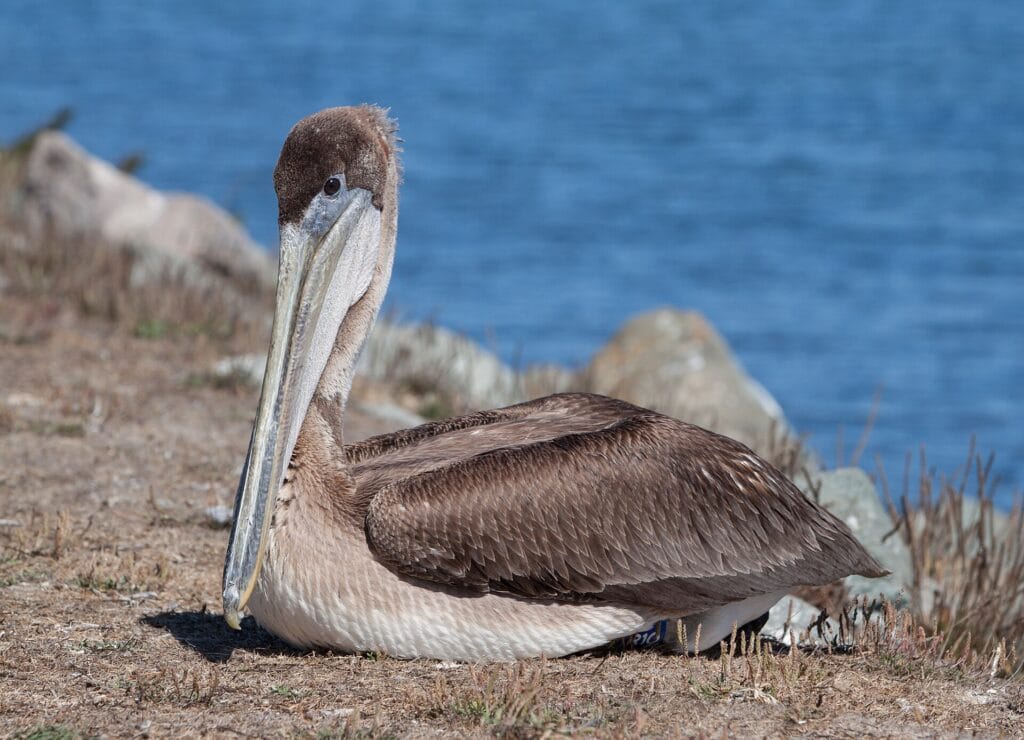
Knowing the best time to visit Colombia can transform your trip — saving you hundreds on flights and hotels while putting you in better weather with fewer crowds. This guide breaks down each season, key events, and what to expect month by month so you can pick the right travel dates.
| Season | Months | What to Expect |
|---|

Festivals & Events in Colombia
Continue planning your Colombia trip
Carnaval de Barranquilla is the one to plan around: hotels in Barranquilla and nearby Cartagena sell out months ahead of the pre-Lent weekend (main parades fall in mid-February for 2026). Lock rooms and domestic flights around 3-6 months out; the same applies to Medellin during Feria de las Flores.
- Carnaval de Barranquilla (Feb-Mar)
- Carnaval de Negros y Blancos (Jan)
- Feria de las Flores (Aug)
- Feria de Cali (late Dec)
- Festival de la Leyenda Vallenata (Apr-May)
When to Visit by Travel Goal
- Fewest crowds: April-May and October-November are Colombia’s quietest months, after Semana Santa empties out and before the December rush builds. Cartagena’s old town and Tayrona feel noticeably calmer; just sidestep the October receso school-break week, when Colombian families travel. Afternoon showers are the trade-off.
- Festivals & culture: Carnaval de Barranquilla – typically the four days before Ash Wednesday in February – is Colombia’s biggest event, and Medellin’s Feria de las Flores lights up early August. Feria de Cali (late December) and Pasto’s Carnaval de Negros y Blancos (early January) round out the season.
- Budget travelers: April-May and October-November are Colombia’s green-season bargain windows, with the lowest hotel rates and softest flight demand outside Easter week. October is typically the wettest month, so plan flexible mornings; Bogota and the coffee region stay very workable between afternoon showers.
What to Avoid
- Major holidays: Colombia packs in around 18 public holidays a year, many moved to Mondays as puente long weekends, plus Semana Santa (Holy Week) and the mid-December-to-mid-January break, when Colombians travel en masse. Coastal towns, Medellin, and the coffee region book solid on those dates.
- Closures: Little shuts down seasonally in Colombia’s cities, but Tayrona National Park typically closes for roughly two-week ecological pauses around February, June, and October-November, and rainy-season downpours in April-May and October-November can close trails and rural roads. Check Tayrona’s closure calendar before locking coastal dates.
Booking Tips
- Colombia’s peak runs mid-December through mid-January, when fares to Bogota, Medellin, and Cartagena spike; book those dates around three to four months out. For the February-March and July-August shoulder windows, 6-8 weeks ahead is typically enough, and green-season fares often stay soft until closer to departure.
- Colombia’s shoulder is late January through March and again July-August: still dry on the Caribbean coast, but without the Christmas-to-mid-January crush or its prices. Late January into early March is the sweet spot – near-peak weather, thinner crowds – though Barranquilla’s Carnival week briefly spikes coastal rates in February.
- Domestic demand rules here: Colombian school breaks run roughly mid-June to mid-July and mid-December to late January, plus a receso week in early October, and beach towns fill with local families. Among foreign markets, US summer and Christmas breaks matter most; European holidays add to the July-August bump.
- Colombia’s mainland lies outside the hurricane belt (San Andres island is the exception), so the practical risks are rainy-season landslides and road closures in April-May and October-November, plus altitude – Bogota sits around 2,640 m. A policy covering trip delays and medical evacuation beats storm-season coverage here.
The Honest Verdict: When the Dry Season Actually Pays Off
Colombia sits on the equator, so it has no spring or autumn, only wetter and drier stretches that shift by region. The country’s primary dry window runs December through March, which is also when prices climb and Cartagena’s old town fills up. The smarter pick is late January into early March: still firmly dry on the Caribbean coast, yet quieter and cheaper than the Christmas-to-mid-January crush.
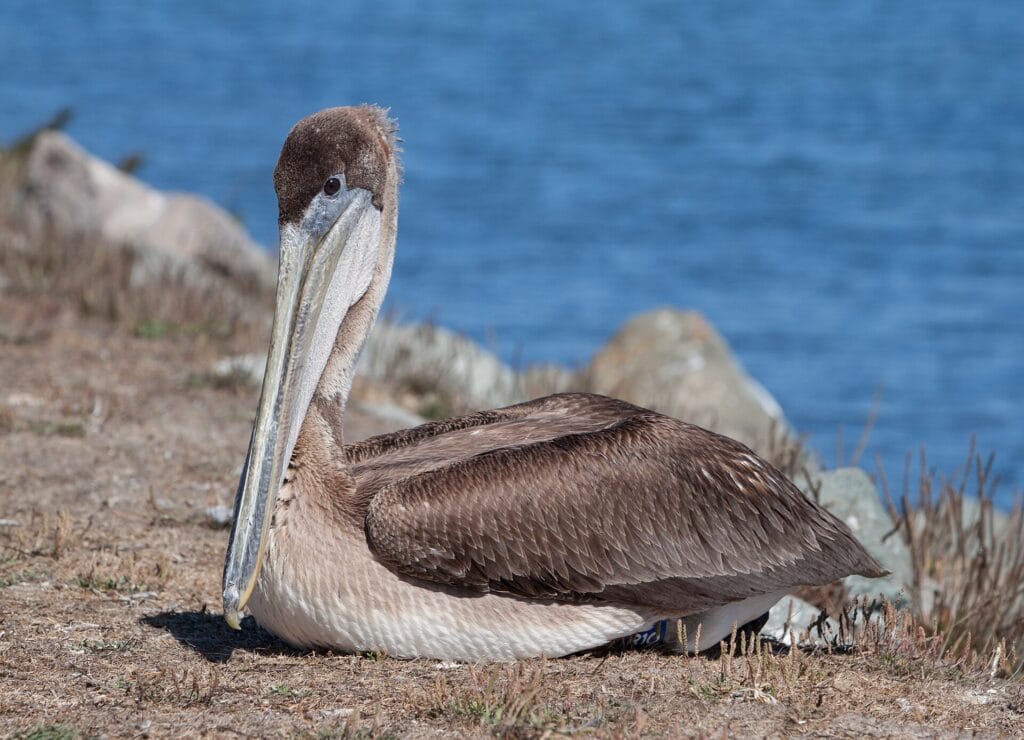
What each stretch actually delivers:
- December to March: reliable sun coast-wide; Cartagena holds a humid 76-88F (about 25-31C) most of the year, so ‘dry’ here means less rain, not cooler.
- July to August: a short second dry spell, and the window for Medellin’s Feria de las Flores (July 31 to August 9 in 2026), which runs roughly ten days and pushes hotel rates up.
- February: book early if you want Barranquilla’s Carnival, with its main parades February 14-17, 2026.
Skip late September through November if you can. October is typically the wettest month on the coast and across the Andes, with afternoon downpours that close trails in Tayrona. Bogota stays mild year-round regardless, with daytime highs near 66F (about 19C) and chilly nights, so the capital is a safe rainy-season fallback.
Frequently Asked Questions
Are there major festivals in Colombia?
Yes — Colombia hosts notable events including: Carnaval de Barranquilla (Feb-Mar), Carnaval de Negros y Blancos (Jan), Feria de las Flores (Aug), Feria de Cali (late Dec), Festival de la Leyenda Vallenata (Apr-May). Major festivals can spike hotel prices 50-200% — book 3-6 months ahead if attending.
What should I pack for Colombia?
Pack for the season you’re visiting and the climate zone. Summer in Colombia: lightweight breathable clothes, sunscreen, hat, comfortable walking shoes. Winter: layers, waterproof jacket, warm accessories. Check the 10-day forecast 1-2 weeks before departure and adjust.
Related Colombia Travel Guides
Related Articles
- 15 Best Things to Do in Cartagena, Colombia (Real Local Guide)
- Colombia Visa Requirements: The Complete Guide
- How Much Does a Trip to Colombia Cost?
- Peru vs Colombia: South American Showdown
🗺️ More Colombia guides: Safety Guide · Budget Guide
Key Takeaways
- Best months: June, August, December
- Avoid: Peak tourist season for lower prices and fewer crowds
- Budget tip: Shoulder months offer the best value — good weather at 30-50% lower costs
- Book ahead: Flights and hotels are cheapest 6-8 weeks before travel
Torn between destinations? See our honest, first-hand comparisons: Brazil vs Colombia, Argentina vs Colombia, Colombia vs Costa Rica, Colombia vs Mexico, Peru vs Colombia.
Colombia weather & climate by month
Best months to visit: January, February, March, June, July, August, September, October, November, December. Colombia’s warmest month is August (avg 27°C / 80°F), the coolest is January (low 15°C / 60°F). The wettest is April (117 mm) and the driest is January.
| Month | Avg high | Avg low | Rainfall | Rainy days |
|---|---|---|---|---|
| January | 26°C / 78°F | 15°C / 60°F | 33 mm | 5 |
| February | 26°C / 79°F | 16°C / 61°F | 51 mm | 7 |
| March | 25°C / 78°F | 16°C / 61°F | 83 mm | 11 |
| April | 26°C / 78°F | 16°C / 62°F | 117 mm | 13 |
| May | 26°C / 79°F | 17°C / 62°F | 109 mm | 14 |
| June | 26°C / 78°F | 16°C / 61°F | 57 mm | 10 |
| July | 26°C / 80°F | 16°C / 60°F | 49 mm | 10 |
| August | 27°C / 80°F | 16°C / 61°F | 44 mm | 9 |
| September | 27°C / 80°F | 16°C / 61°F | 57 mm | 9 |
| October | 25°C / 77°F | 16°C / 61°F | 108 mm | 12 |
| November | 25°C / 77°F | 16°C / 61°F | 107 mm | 12 |
| December | 26°C / 78°F | 16°C / 61°F | 61 mm | 8 |
Climate source: Open-Meteo / WMO climate normals (WMO 1991–2020, or ERA5 2019–2023 where unavailable). Compare destinations in the Best Time to Visit Index.
You Might Also Love



Written by
John Morrison is the founder and lead travel writer at Packzup. Over the past decade he has explored destinations across Africa, the Americas, Asia, Europe, the Middle East, and Oceania — always self-funded, never on a press trip.
