
Last updated August 29, 2026 · Editorial policy
- Best time to visit Brazil: at a glance
- Best Time to Visit Brazil: Month-by-Month Guide
- Best Months to Visit Brazil
- Brazil Travel Seasons at a Glance
- Weather in Brazil
- Festivals & Events in Brazil
- When to Visit by Travel Goal
- What to Avoid
- Booking Tips
- September-October: the sweet spot most Brazil itineraries miss
- Frequently Asked Questions
- Related Brazil Travel Guides
Best time to visit Brazil: at a glance
Short answer: December to March for summer and beaches (Carnival in Feb/Mar).
| Season | Months | What to expect |
|---|---|---|
| Peak | Dec–Mar | Hot, beach season, Carnival; busiest & priciest |
| Shoulder (best value) | Apr–May, Sep–Nov | Pleasant, fewer crowds, lower rates |
| Low | Jun–Aug | Cooler southern winter; dry for the Pantanal & Amazon |
Best Time to Visit Brazil: Month-by-Month Guide
Quick answer: The best time to visit Brazil is December-March (Rio summer) or May-September (Amazon, less rain) — ideal weather, fewer crowds than peak, and reasonable prices.
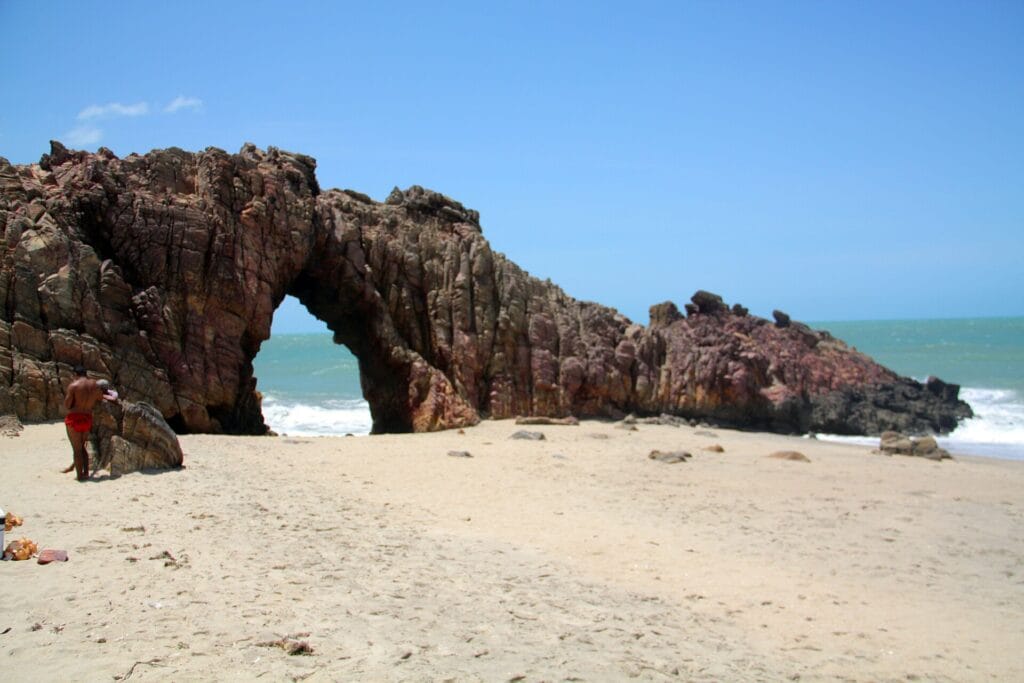
Peak: December-February (Carnival) · Off-season: June-August (cooler south)
Knowing the best time to visit Brazil can transform your trip — saving you hundreds on flights and hotels while putting you in better weather with fewer crowds. This guide breaks down each season, key events, and what to expect month by month so you can pick the right travel dates.
Best Months to Visit Brazil
Top pick: April to June, Brazil’s autumn. Southern Hemisphere seasons run opposite the north, so the December to March summer and Carnival crush has passed, Rio and most of the coast stay warm around 22 to 27 C with far less rain, and flights and hotels drop well below peak-season rates. August to October is a good second window.
Brazil Travel Seasons at a Glance
| Season | Months | What to Expect |
|---|---|---|
| Peak | December-February (Carnival) | Best weather (for that region), highest prices, biggest crowds. Book hotels 3-6 months ahead. |
| Shoulder | December-March (Rio summer) or May-September (Amazon, less rain) | Sweet spot: good weather, moderate crowds, 15-30% lower prices than peak. |
| Off-season | June-August (cooler south) | Cheapest, quietest. Some sights may be closed. Best for budget travelers and shoulder-month flexibility. |
Weather in Brazil
Tropical north, subtropical south. Typical peak season highs: 80-95°F.
Festivals & Events in Brazil
Carnival is Brazil’s one non-negotiable booking deadline: Rio hotels for the February 16-17, 2026 window fill many months out, often with multi-night minimums, and Sambadrome tickets sell well in advance. If Carnival is the goal, lock accommodation and flights around six months ahead.
- Carnival Rio (Feb)
- New Year’s Copacabana
- Sao Joao (Jun)
When to Visit by Travel Goal
- Best weather: Visit during December-March (Rio summer) or May-September (Amazon, less rain). Comfortable temperatures, low rainfall, manageable crowds.
- Lowest prices: June-August (cooler south). Hotels and flights cut 30-50%. Trade weather for savings.
- Fewest crowds: May, June, and August are typically Brazil’s quietest months — after Carnival’s wake fades and outside the July school break when Brazilian families travel. Rio’s beaches feel almost local, though June brings Sao Joao crowds to the Northeast and the Pantanal draws safari-goers by August.
- Festivals & culture: Rio Carnival is the marquee event, falling February 16-17 in 2026, with parades and blocos consuming the week around it. Copacabana’s Reveillon fireworks on New Year’s Eve draw enormous crowds, and June’s Sao Joao festivals light up the Northeast, especially Campina Grande and Caruaru.
- Outdoor activities: Avoid peak rain/hurricane months. December-March (Rio summer) or May-September (Amazon, less rain) is generally optimal.
- Budget travelers: June through August is typically Brazil’s cheapest stretch: southern winter cools Rio only mildly while flights and hotels drop well below summer rates. The April-May and September-November shoulders also run cheaper than peak; just avoid Carnival week and the Christmas-to-New-Year rush.
What to Avoid
- Peak crowds: December-February (Carnival) brings 2-3x the visitors. Major sites require ticket reservations weeks ahead.
- Major holidays: Carnival (February 16-17 in 2026) and the Christmas-to-New-Year run are Brazil’s biggest travel surges, with Reveillon packing Copacabana. Watch long-weekend feriadao dates too: Easter, Corpus Christi in early June, and Independence Day on September 7, when Brazilians flood beach towns.
- Closures: Brazil rarely shuts down for winter, but many Pantanal lodges close or scale back during the December-March wet season when roads flood. During Carnival week and between Christmas and New Year, banks, offices, and some restaurants close while cities shift into holiday mode.
Booking Tips
- Brazil’s peak runs December through March, so book flights around 3-5 months ahead for those dates; Carnival week in February sells out earliest. For the June-August low season or the April-May and September-November shoulders, booking 4-6 weeks out typically works fine.
- Brazil’s shoulder months are April-May and September-November. Late September and October are the standout weeks: Rio warms toward summer before the December rains and crowds arrive, and the Pantanal’s dry-season wildlife viewing is still near its best, all at rates well under Carnival-season levels.
- Brazilian school holidays drive the crowds that matter here: the long summer break from mid-December through January and a winter recess covering much of July. January also typically brings Argentine and Chilean families on their own summer holidays, filling southern beach towns like Florianopolis.
- Brazil has no hurricane season, so weather rarely wrecks whole trips, but summer downpours from December to March can flood roads and delay flights around Rio and Sao Paulo. Insurance with medical evacuation cover is most worthwhile for remote Amazon or Pantanal legs, where clinics are far away.
September-October: the sweet spot most Brazil itineraries miss
The honest answer is that Brazil rewards a narrow window the standard ‘peak vs off’ framing glosses over: September and October. By then Rio’s summer downpours have eased (December through February each bring around 135 mm spread over roughly 11 wet days), spring warms the coast to highs near 26-27C, and rates still sit well under Carnival-season prices because the crowds have not returned. It is also the back half of the Pantanal’s dry season, when shrinking waterholes concentrate jaguars and caiman around the rivers; sightings peak from August into early October.
What each season actually delivers depends on which Brazil you mean:
- June-August: southern winter. Rio cools to highs around 25C with only about 40-45 mm of rain a month, and the Amazon enters its drier stretch (roughly June-November) for better trail and river access.
- December-February: hot, festive, and the wettest, busiest, costliest run of the year.
The period to avoid is region-specific. Skip the Northeast coast around Salvador from April to June, when its inverted rainy season peaks; May alone averages roughly 195 mm and can deliver several grey, cool days in a row, gutting a beach trip.
Frequently Asked Questions
What is the best month to visit Brazil?
The single best time to visit Brazil depends on your priorities. For ideal weather plus reasonable crowds, target December-March (Rio summer) or May-September (Amazon, less rain). Peak season is December-February (Carnival) (busiest, highest prices). Off-season is June-August (cooler south) (cheapest, least crowded — but check what’s open).
What’s the cheapest time to visit Brazil?
The cheapest time to visit Brazil is during the off-season: June-August (cooler south). Flights and hotels drop 30-50%. Trade-offs: some sights/restaurants may close, weather may be less favorable, fewer events.
When should I avoid Brazil?
Avoid Brazil during peak season (December-February (Carnival)) if you want fewer crowds and lower prices. Also consider local school holidays (when domestic travel surges) and weather extremes (80-95°F during peak heat).
What is the weather like in Brazil?
Tropical north, subtropical south. Summer highs and winter lows vary by altitude, coast vs. inland, and exact location within Brazil. Always check the specific city forecast a week before departure.
Are there major festivals in Brazil?
Yes — Brazil hosts notable events including: Carnival Rio (Feb), New Year’s Copacabana, Sao Joao (Jun). Major festivals can spike hotel prices 50-200% — book 3-6 months ahead if attending.
What should I pack for Brazil?
Pack for the season you’re visiting and the climate zone. Summer in Brazil: lightweight breathable clothes, sunscreen, hat, comfortable walking shoes. Winter: layers, waterproof jacket, warm accessories. Check the 10-day forecast 1-2 weeks before departure and adjust.
Related Brazil Travel Guides
- Best Things to Do in Brazil
- Where to Stay in Brazil
- Best Food in Brazil
- How Much Does a Trip to Brazil Cost?
- Brazil Itinerary Guide
Torn between destinations? See our honest comparisons: Brazil vs Spain, Brazil vs Portugal, Brazil vs Mexico, Brazil vs Colombia, Argentina vs Brazil.
Plan the practical side: Brazil Visa Guide, IS Brazil Safe to Visit.
Climate data source: monthly temperature and rainfall figures on this page come from Open-Meteo’s Historical Weather API, which serves the ECMWF ERA5 reanalysis (Copernicus Climate Change Service). Five-year averages, 2019–2023. See our data methodology.
Brazil weather & climate by month
Best months to visit: January, March, May, June, July, August, September. Brazil’s warmest month is January (avg 30°C / 86°F), the coolest is July (low 18°C / 65°F). The wettest is February (155 mm) and the driest is July.
| Month | Avg high | Avg low | Rainfall | Rainy days |
|---|---|---|---|---|
| January | 30°C / 86°F | 24°C / 75°F | 124 mm | 12 |
| February | 29°C / 84°F | 24°C / 74°F | 155 mm | 16 |
| March | 29°C / 84°F | 23°C / 74°F | 115 mm | 11 |
| April | 27°C / 80°F | 22°C / 71°F | 104 mm | 14 |
| May | 25°C / 78°F | 20°C / 67°F | 72 mm | 9 |
| June | 25°C / 77°F | 19°C / 66°F | 38 mm | 9 |
| July | 25°C / 77°F | 18°C / 65°F | 42 mm | 7 |
| August | 25°C / 77°F | 18°C / 65°F | 75 mm | 10 |
| September | 26°C / 79°F | 20°C / 67°F | 86 mm | 10 |
| October | 26°C / 80°F | 21°C / 69°F | 92 mm | 16 |
| November | 26°C / 80°F | 21°C / 70°F | 117 mm | 16 |
| December | 28°C / 82°F | 22°C / 72°F | 147 mm | 16 |
Climate source: Open-Meteo ERA5 reanalysis (2019–2023). Compare destinations in the Best Time to Visit Index.
You Might Also Love





Written by
John Morrison is the founder and lead travel writer at Packzup. Over the past decade he has explored destinations across Africa, the Americas, Asia, Europe, the Middle East, and Oceania — always self-funded, never on a press trip.