
Quick answer: This classic south-to-north route runs Rome (with a Naples and Pompeii day trip) to Florence (with a Cinque Terre day trip) to Venice and finishes in Milan, all linked by fast, direct Frecciarossa high-speed trains. Best months: May-June and September-October. Avoid August (heat + Italian Ferragosto + crowds). July is peak chaos. Total cost: US$3000-4500 for solo / US$5000-7500 for couple. Includes flights, all internal trains, mid-range accommodation, food, attractions.
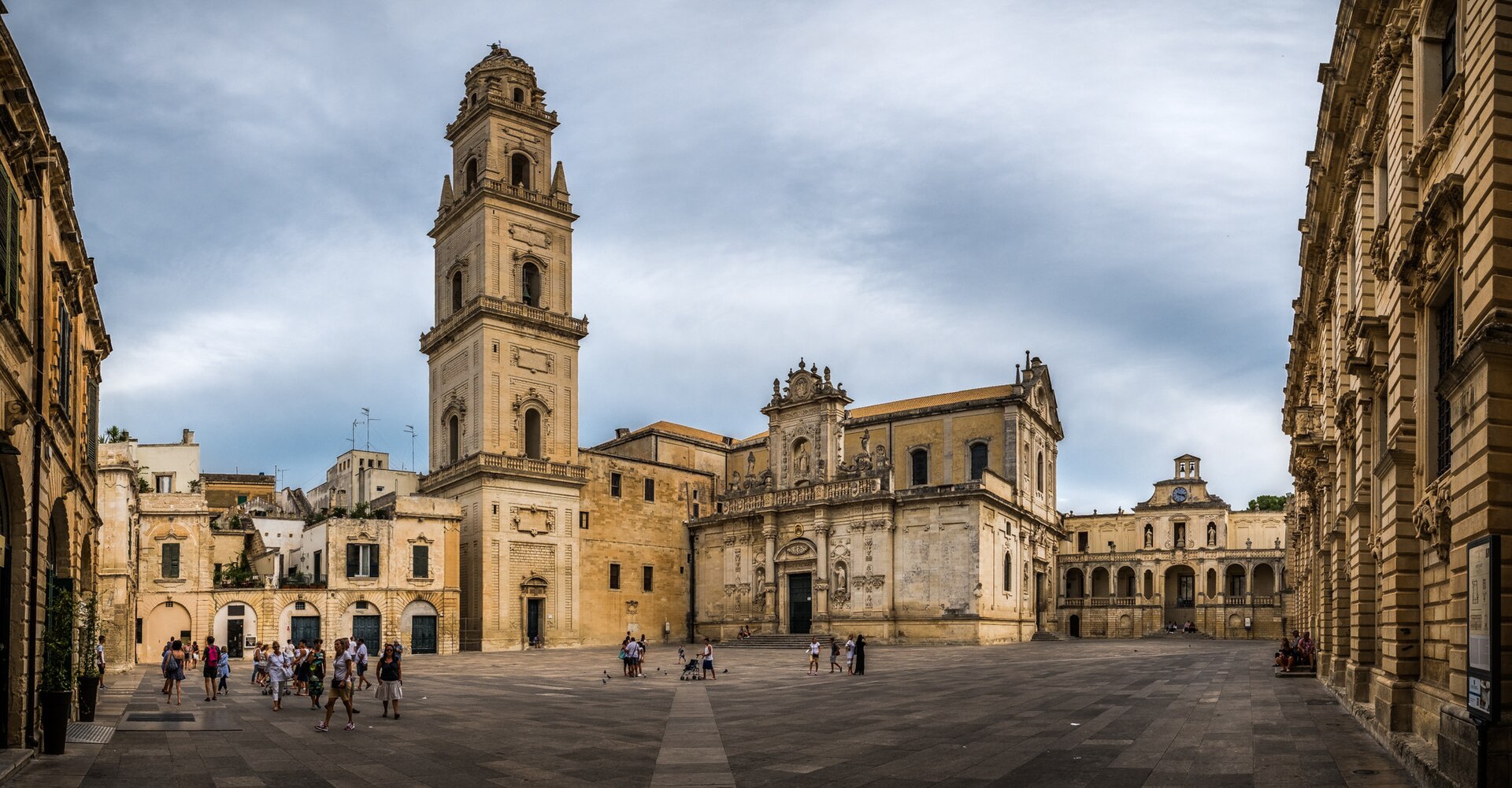
Ten days is the right length to see Italy’s classic four — Rome, Florence, Venice, and one beach/coast experience. This itinerary uses high-speed trains between cities (no rental car) and includes specific restaurant + booking recommendations refined across 5 personal trips.
Still deciding? Compare: Portugal vs Italy · Italy vs France Which To Visit
Day-by-day breakdown
Day 1 — Ancient Rome Landing
Land at Rome Fiumicino and take the Leonardo Express to Termini (about €14 / roughly $15, 32 minutes) rather than fighting taxi traffic. Drop bags near the historic center and walk straight into the ancient core. Book a timed Colosseum ticket in advance (combined Colosseum, Roman Forum and Palatine Hill runs about €18 / roughly $19); the same pass gets you into the Roman Forum and Palatine Hill next door, so budget three unhurried hours. Toss a coin at the Trevi Fountain in the early evening when the harshest light softens, then wander to the Pantheon, which now charges a small entry fee (about €5 for non-residents, a little more from mid-2026). For dinner, head to the Monti neighborhood just uphill from the Forum — order cacio e pepe, Rome’s pillar dish of pecorino and black pepper. Insider tip: buy the Colosseum ticket for a late-afternoon slot so you sightsee as the crowds thin and the stone glows.
Day 2 — Vatican & St. Peter’s
Start early at the Vatican Museums; a skip-the-line online ticket costs about €25 / roughly $27 including the booking fee, and the first entry slots around 8 a.m. spare you the worst crush before the Sistine Chapel. Give yourself two to three hours to reach Michelangelo’s ceiling, then exit toward St. Peter’s Basilica, which is free to enter — the dome climb costs about €10 / roughly $11 by elevator-plus-stairs and rewards you with the best panorama in Rome. Afterward, stroll across the Ponte Sant’Angelo with its Bernini angels to Castel Sant’Angelo. Spend the afternoon in atmospheric Trastevere, crossing the Tiber to lose yourself in ivy-draped lanes. Dinner here should be supplì, the fried rice-and-mozzarella croquette, at a casual spot on the cobbles. Insider tip: dress code at the Vatican is enforced — cover shoulders and knees or you will be turned away at security.
Day 3 — Naples & Pompeii
Take an early Frecciarossa high-speed train from Roma Termini to Napoli Centrale (about 1 hour 10 minutes; tickets from roughly €20–40 / about $22–44 if booked ahead). From Naples’ lower-level Garibaldi platforms, hop the Circumvesuviana regional line to Pompeii (about 38 minutes, under €3 / roughly $3). Entry to the excavations is about €22 / roughly $24; the plaster casts, frescoed Villa dei Misteri and rutted stone streets need a solid three hours. Back in Naples, walk the Spaccanapoli, the dead-straight lane slicing the old town, and eat a proper wood-fired Margherita — this is the city where pizza was born, and a classic pie runs about €6–9 / roughly $7–10. Return to Rome by evening high-speed train. Insider tip: wear real shoes for Pompeii’s uneven ancient paving, carry water, and start at the Porta Marina entrance to beat tour groups.
Day 4 — Renaissance Florence
Catch a morning Frecciarossa from Roma Termini to Firenze Santa Maria Novella (about 1 hour 20 minutes; roughly €25–45 / about $27–50 booked ahead). Check in and head straight to the Galleria dell’Accademia to stand before Michelangelo’s David — reserve a timed slot (about €16 / roughly $17) as walk-up lines are brutal. Afterward, walk to the Mercato Centrale for lunch; the upstairs food hall is a reliable, well-priced place to try a schiacciata sandwich or ribollita, the Tuscan bread-and-bean soup. Spend the afternoon in Piazza della Signoria, an open-air sculpture gallery, and peek into the courtyard of the Palazzo Vecchio. As sunset nears, cross the Ponte Vecchio, the medieval bridge lined with goldsmiths. Insider tip: Florence’s center is compact and walkable — skip taxis entirely, and note that most museums close Mondays, so plan the Accademia for a Tuesday-to-Sunday day.
Day 5 — Duomo & Oltrarno
Devote the morning to the Uffizi Gallery, home to Botticelli’s Birth of Venus and Primavera; book a timed ticket (about €25–29 / roughly $27–32 online in peak season, with a cheaper late-afternoon slot from 4 p.m.). Climb the Duomo complex next: Brunelleschi’s brick dome demands a separately reserved slot and a fit pair of legs for the 463 steps, while Giotto’s Campanile offers a similar view with fewer restrictions. Cross the Arno into the Oltrarno, the artisan quarter, where leather workshops and frame gilders still ply their trades along Via Maggio. Climb to Piazzale Michelangelo for the postcard skyline at golden hour — it is a free 20-minute uphill walk. For dinner, try a bistecca alla Fiorentina, the towering T-bone sold by weight (about €45–60 per kilo / roughly $50–66). Insider tip: gelato is best where it is stored in covered metal tins, not piled in neon mounds.
Day 6 — Cinque Terre Coast
Make today a coastal escape to the Cinque Terre, the five fishing villages strung along the Ligurian cliffs. Take an early train from Florence to La Spezia Centrale (about 2 to 2.5 hours, often with one change; roughly €15–30 / about $16–33). At La Spezia, buy a Cinque Terre Card (about €18–20 / roughly $20–22) for unlimited local trains between the villages and trail access. Base your rhythm on the little regional shuttle: Riomaggiore and Manarola for tumbling pastel houses, Vernazza for its natural harbor, and Monterosso al Mare for the only real beach. Lunch on trofie al pesto — Liguria invented pesto — or a paper cone of fried anchovies. Insider tip: check trail-closure status before you go, as landslides sometimes shut the famous Blue Path; the coastal ferry (weather permitting) is a gorgeous alternative to the train between villages.
Day 7 — Venice by Water
Travel from Firenze SMN to Venezia Santa Lucia by Frecciarossa (about 2 hours 5 minutes; roughly €30–50 / about $33–55 booked ahead), often via Bologna and Padua. Step out of the station directly onto the Grand Canal — there are no cars in Venice, so orient yourself and consider a vaporetto water-bus pass (a single ride is about €9.50 / roughly $10, so a day or multi-day pass pays off quickly). Ride vaporetto Line 1 down the Grand Canal, then walk to Piazza San Marco for St. Mark’s Basilica (a small timed-entry fee applies) and the Doge’s Palace. As evening falls, get deliberately lost in the quiet Cannaregio sestiere, sipping a spritz and grazing on cicchetti, Venice’s small bar snacks. Insider tip: a gondola ride has a fixed official rate (about €90 for 30 minutes / roughly $99 daytime) — agree on it before boarding, and share the cost among up to five people.
Day 8 — Islands of the Lagoon
Spend the morning island-hopping across the Venetian Lagoon by vaporetto. Ride out to Murano, famed for centuries of glassblowing, where you can watch a furnace demonstration and browse workshops. Continue to Burano, the fishermen’s island of brilliantly painted houses and hand-made lace — it is the most photogenic corner of the lagoon and about 40 minutes by boat. If time allows, pause at quiet, atmospheric Torcello to see Venice’s oldest surviving structure, the mosaic-clad basilica of Santa Maria Assunta. Back in the city, climb the Campanile di San Marco (about €12 / roughly $13) for a lagoon-wide view, or visit the Rialto market when the fish stalls are still lively. Dinner should feature sarde in saor, sweet-and-sour sardines, a true Venetian dish. Insider tip: eat lunch on Burano rather than San Marco — prices near the main piazza carry a heavy tourist premium.
Day 9 — Milan Arrival
Take a Frecciarossa from Venezia Santa Lucia to Milano Centrale (about 2 hours 15 minutes; roughly €25–45 / about $27–50 booked ahead), arriving in Italy’s design and fashion capital. Milano Centrale itself is worth a look — a monumental early-20th-century station. Head to the Castello Sforzesco, the vast Renaissance fortress that now holds museums including a late Michelangelo Pietà, then walk through the leafy Parco Sempione behind it. In the afternoon, shop or window-shop the Quadrilatero della Moda, the luxury fashion grid around Via Montenapoleone. Come evening, join the aperitivo ritual along the Navigli canals, where a drink (about €10–15 / roughly $11–17) comes with a generous spread of nibbles. Insider tip: if you want to see Leonardo da Vinci’s The Last Supper at Santa Maria delle Grazie, book weeks ahead — the roughly €15 timed tickets (about $17) sell out faster than almost any sight in Italy.
Day 10 — Duomo & Departure
On your final morning, see the Duomo di Milano, the pink-marble Gothic cathedral bristling with spires. The real highlight is the rooftop terraces: a combined cathedral-and-terrace ticket runs about €16–20 / roughly $17–22, and walking among the flying buttresses with the Alps sometimes visible on the horizon is unforgettable. Step into the adjacent Galleria Vittorio Emanuele II, the glass-roofed 19th-century arcade, and spin your heel on the mosaic bull for luck as locals do. Grab a final espresso standing at the bar — sitting doubles the price — and a last panzerotto or slice of panettone if the season is right. When it is time to fly home, take the Malpensa Express train from Milano Centrale or Cadorna to Malpensa Airport (about 50 minutes, roughly €13 / about $14). Insider tip: reserve Duomo rooftop entry online for a morning slot to dodge both queues and midday heat before your transfer.
What to book ahead
- Vatican Museums: Skip-the-line tickets online — book 1-2 months ahead for peak season. Friday night Vatican Museums special opening is magical (US$50).
- Uffizi Gallery: Book online at minimum 2 weeks ahead — same-day tickets sell out by 9am in season.
- Italo or Trenitalia trains: Book online 60+ days ahead for 50% off. Italo (purple) is often cheaper than Trenitalia (red).
- Gondola ride: Skip the touristy ones near St. Mark’s. Book at less-visited Fondamenta del Vin (Rio Marin) for half the cost.
A local insider tip
Eat dinner at 9pm minimum in Italy. Anywhere serving dinner before 7pm caters to tourists, not locals. Family-run trattorias open for ‘dinner service’ at 7:30pm and locals arrive after 9pm. The same restaurant at 7:30pm vs 9pm is essentially two different experiences.
Best time for this trip
May-June and September-October. Avoid August (heat + Italian Ferragosto + crowds). July is peak chaos.
The backtracking trap and how an open-jaw flight fixes it
The classic 10-day loop returns Venice to Rome on the final day, a 3 hour 45 minute Frecciarossa ride that hands a wasted travel day back to the airline. The fix is an open-jaw ticket: fly into Rome, work north to Florence then Venice, and fly home from Venice Marco Polo. Every leg in between stays under two hours and you never retrace a route.
- Book the high-speed fares early. Trenitalia’s non-refundable Super Economy fares start around 19.90 euros Rome to Florence and 29.90 euros Rome to Venice, but they vanish if you book inside the final two weeks, when prices can triple.
- Do not slot Cinque Terre as a day trip. There is no direct train, it sits roughly 250 km off the Rome-Florence-Venice spine, and the five villages cannot absorb a flying visit. Give it two nights based in Monterosso or Levanto, or leave it out entirely.
- Validate regional tickets. Frecciarossa seats are date-stamped, but a local Florence-to-Pisa ticket must be stamped at the green platform machines or you risk a 50 euro fine.
Frequently asked questions
Is 10 days enough for Italy?
Right amount for Rome + Florence + Venice + one day-trip region. 14 days adds Amalfi Coast or Sicily. 21 days for a complete circuit.
How much does a 10-day Italy trip cost?
Backpacker: US$1500-2200. Mid-range: US$3000-4500 per person. Luxury: US$8000+ per person.
Train or rental car in Italy?
Trains for the classic four cities. Rental car only if you’re doing Tuscany + Amalfi Coast (driving Italian autostrada is intense).
When to visit Italy?
Late April-June and September-October are ideal — warm but not overcrowded. Avoid August (Ferragosto + heat).
How much do I need to tip in Italy?
Service is usually included as ‘coperto’. Round up at trattorias (1-2 EUR per person extra). Pricier restaurants: 10% if no service charge.
Plan your Italy trip
You Might Also Love

Written by
John Morrison is the founder and lead travel writer at Packzup. Over the past decade he has explored destinations across Africa, the Americas, Asia, Europe, the Middle East, and Oceania — always self-funded, never on a press trip.