
Last updated September 16, 2026 · Editorial policy
- 10-day Tulum itinerary at a glance
- Days 1–2 — Tulum: ruins, beach and the first cenotes
- Day 3 — Coba and jungle cenotes
- Day 4 — Sian Ka’an Biosphere Reserve
- Day 5 — The great cenote day
- Day 6 — Valladolid, colonial Yucatan
- Day 7 — Chichen Itza
- Days 8–9 — Akumal, Playa del Carmen and Cozumel
- Day 10 — A last swim
- How to get around
- Where to stay and when to go
- Tulum, day by day: the local-level plan
- The routing traps that eat your Tulum days
- Tulum Itinerary FAQ
- Frequently asked questions
- More trip itineraries
Quick answer: Ten days is perfect for using Tulum as a base to explore the whole Riviera Maya and inland Yucatan. Spend three days on Tulum’s ruins, beach and cenotes, then day-trip to Coba, Sian Ka’an, Valladolid, Chichen Itza, Akumal and Cozumel. Renting a car makes the cenotes and ruins far easier.
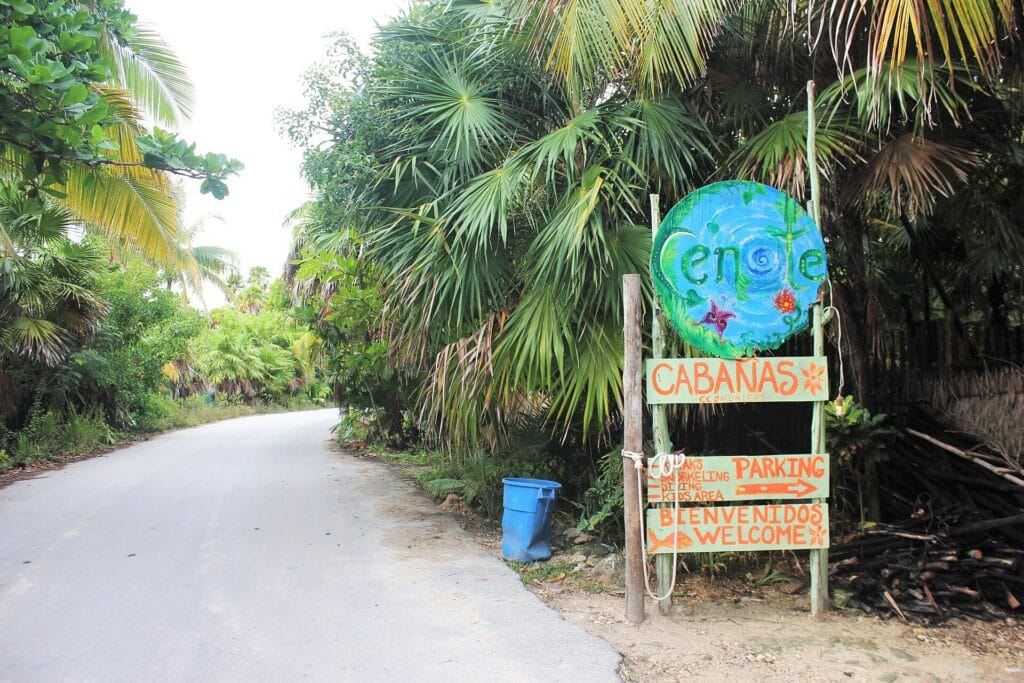
Tulum itself is a two or three day town — the clifftop Mayan ruins, a few headline cenotes and the beach. But ten days lets you reach everything the region is famous for without backtracking, from the second-tallest Mayan pyramid to turtle snorkelling and a Caribbean reef. This itinerary keeps Tulum as your base for the first half, then shifts north.
10-day Tulum itinerary at a glance
| Day | Focus | Highlights |
|---|---|---|
| 1 | Arrive, Tulum | Beach, town, sunset |
| 2 | Ruins + cenotes | Tulum ruins, Gran Cenote, Calavera |
| 3 | Coba | Climb Nohoch Mul, jungle cenotes |
| 4 | Sian Ka’an | Biosphere lagoon + wildlife tour |
| 5 | Cenote day | Dos Ojos, Casa Cenote, snorkel |
| 6 | Valladolid | Colonial town, Cenote Suytun |
| 7 | Chichen Itza | Pyramid at opening, Ik Kil cenote |
| 8 | Akumal + Playa | Turtles, Quinta Avenida |
| 9 | Cozumel | Reef snorkel or dive |
| 10 | Slow day | Last cenote/beach, depart |
Days 1–2 — Tulum: ruins, beach and the first cenotes
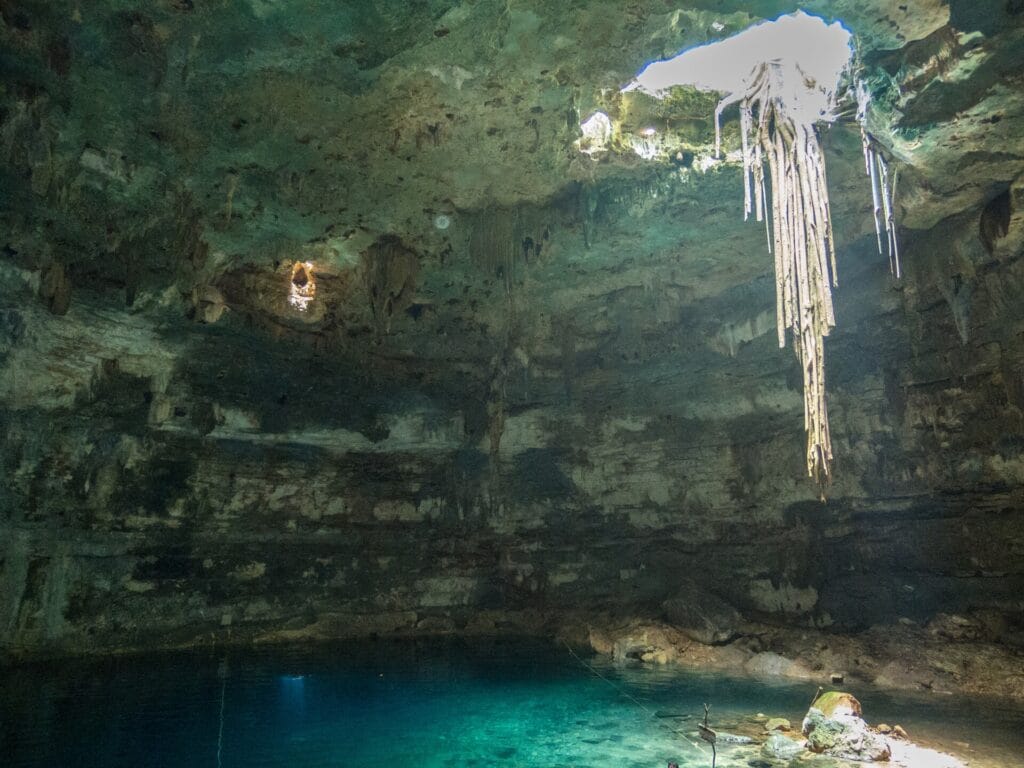
Settle into Tulum and find your rhythm on the beach. The next morning, get to the Tulum ruins early — it is the only Mayan site perched on a Caribbean cliff, and it gets hot and crowded by mid-morning. Cool off afterwards at the Gran Cenote or the dramatic Cenote Calavera, both minutes from town.
Day 3 — Coba and jungle cenotes
Drive 45 minutes inland to Coba, where you can still climb Nohoch Mul, one of the tallest Mayan pyramids, for a view over the jungle canopy. Rent a bike or pedal-taxi to cover the site, then swim in the quiet, cathedral-like cenotes nearby (Choo-Ha and Tamcach-Ha).
Day 4 — Sian Ka’an Biosphere Reserve
A UNESCO-listed wilderness of lagoons, mangroves and reef just south of Tulum. Take a guided boat tour to float the natural channels, spot dolphins, turtles and birdlife, and see the region as it was before the resorts.
Day 5 — The great cenote day
The Riviera Maya sits on the world’s largest network of underground rivers. Spend a full day at the show-stoppers: Dos Ojos for crystal caverns, Casa Cenote for an open mangrove swim, and a dive or snorkel if you are certified.
Day 6 — Valladolid, colonial Yucatan
Head inland to Valladolid, a pastel-coloured colonial town and a calmer base than the coast. Wander the main square, swim in Cenote Suytun (the one with the famous light beam) or Cenote Zaci right in town, and eat proper Yucatecan food.
Day 7 — Chichen Itza
Be at the gates of Chichen Itza when they open to beat the tour buses and the midday heat. El Castillo pyramid is one of the New Seven Wonders. Cool down afterwards at the cliff-ringed Ik Kil cenote nearby.
Days 8–9 — Akumal, Playa del Carmen and Cozumel
Shift north up the coast. Snorkel with sea turtles in Akumal bay, then stroll Playa del Carmen’s Quinta Avenida. The next day, take the ferry from Playa to Cozumel for some of the Caribbean’s best reef snorkelling and diving.
Day 10 — A last swim
Use your final morning for whatever you loved most — one more cenote, a quiet beach, or a market for hammocks and Mexican chocolate — before flying out of Cancun (about two hours from Tulum). With an extra day or two, add the lagoon town of Bacalar to the south.
How to get around
A rental car is the single best decision for this trip — cenotes and ruins are spread out and poorly served by transit. Otherwise, ADO buses link the main towns and shared colectivos run the coast road cheaply. Carry cash (pesos) for cenote entry fees.
Where to stay and when to go
Base in Tulum town (cheaper, walkable) or the beach zone (pricier, scenic) for the first half, then optionally one night in Valladolid. The dry season, November to April, has the best weather; sargassum seaweed can affect the beaches from roughly May to October, though cenotes and ruins are unaffected. See our Mexico weather by month guide to time it.
Tulum, day by day: the local-level plan
Day 1 — Pueblo & Beach Road
Ease in around Tulum Pueblo, the workaday town west of Highway 307 where prices stay honest. Grab breakfast tacos and a marquesita near the Parque Dos Aguas plaza, then rent a bicycle for the day — expect roughly 150–200 MXN (about US$8–10), the most reliable way to reach the coast since the taxi union keeps colectivos off the beach road. Pedal the flat 4 km down Avenida Cóba to the Tulum Beach Zone, a single jungle-fringed lane of boho beach clubs. Claim a lounger for the afternoon at a club along the northern stretch (day-bed minimums often run 500–1,000 MXN, so ask before sitting). Planning note: cycle at first light or after 4pm — midday sun on the unshaded road is brutal, and a taxi back to town after dark runs about 150–200 MXN if your legs give out.
Day 2 — Ruins & Cenotes
Set an alarm and reach the Tulum Archaeological Zone right at the 8am opening, before tour buses and heat arrive. This clifftop Maya walled city — the only one built on the Caribbean — frames the Templo del Dios del Viento above a turquoise cove. Combined entry (INAH ticket, national-park bracelet and Jaguar Park access) totals roughly 515 MXN, about US$27, and it is cash-only, so bring pesos. By late morning, cool off at a cenote: Gran Cenote on the Cobá road is a semi-open swimming cave with resident turtles (entry around 500 MXN, roughly US$25, gear included), or the dramatic sinkhole at Cenote Calavera nearby (about 250 MXN). Cycle or take a short taxi between them. Planning note: shower off all sunscreen before entering — it is enforced to protect the water, so pack biodegradable lotion or none at all.
Day 3 — Cobá Jungle Day
Devote today to Cobá, the sprawling jungle-swallowed Maya city about 44 km northwest — roughly a 45-minute drive. A morning colectivo from Tulum Pueblo runs around 70–100 MXN each way, or split a taxi. The archaeological zone spans several kilometres of shaded sacbe causeways, so rent a bicycle or hire a pedal-taxi at the gate (about 50–60 MXN) to reach the far groups efficiently. The centerpiece is Nohoch Mul, at 42 metres the tallest pyramid in the Yucatán; after years closed, climbing reopened in late 2025, though access rotates — confirm on arrival. Entry runs about 100–120 MXN plus the local ejido fee. Planning note: go by 8–9am, both to beat the heat under the canopy and because the ticketed group climbs fill fast; pair lunch at rustic Coba Pueblo, on the lagoon, before heading back.
Day 4 — Sian Ka’an Reserve
Spend your last full day inside the Sian Ka’an Biosphere Reserve, the UNESCO-listed wetland just south of town where the paved beach road turns to sand. Book a guided boat tour in advance (the Muyil ruins-and-float trip or a Punta Allen lagoon excursion typically runs about 1,500–2,500 MXN, roughly US$80–130, and legitimate operators must be community-licensed). The signature experience is drifting the freshwater canal between ancient Maya-dug channels, life jacket as a natural raft. Access is by 4×4 or your tour van, since ordinary cars struggle on the rough entry road. Planning note: bring cash, reef-safe sunscreen and a dry bag — there are no shops inside, and phone signal vanishes. Back in town, close the trip with fresh Yucatán-style ceviche or cochinita pibil at a Tulum Pueblo taqueria rather than the pricier beach zone.
Logistics (2026)
Stay in the Beach Zone (boho-chic, pricey, patchy wifi/power) or Tulum Town (cheaper, local, taxi to beach). Rent a bike for the beach road; colectivos and taxis cover the rest. Best months: Nov–Apr (dry; watch for sargassum seaweed May–Aug).
The routing traps that eat your Tulum days
Two mistakes burn the most time here. First, basing your Chichen Itza day in Tulum. The direct ADO bus is about 2.5 hours each way (around 300 pesos) and arrives near 10:30am, dropping you into the 10am-to-2pm crowd crush. Far smarter: sleep a night in Valladolid, 45 minutes from the ruins, where ADO and colectivos run roughly hourly from 6am. You walk in at opening, beat the tour buses, and tick off Cenote Suytun and the colonial center the same day. Second, renting a car and parking it in the beach Hotel Zone. That single road clogs solid in high season (December to April), and people lose two hours just crawling to dinner. Note that town colectivos run the main highway but do not go down to the beach, so plan a bike or a short taxi for the coast.
What to skip: the overpriced beach-club lunch scene that has little to do with Mexico. Add instead a morning at quieter cenotes like Calavera or Casa Cenote, and carry pesos in cash, since cenote entry fees are rarely card-friendly.
Tulum Itinerary FAQ
How many days do you need in Tulum?
Three to four — ruins and beach, a cenote day, Cobá, and Sian Ka’an or Akumal.
What’s the best way to get around Tulum?
A bike for the beach road; colectivos and taxis for ruins and cenotes further out.
Frequently asked questions
Is 10 days too long for Tulum?
Do you need a car in Tulum?
When is the best time to visit?
Planning costs? See our guide to the cost of a week in Mexico.
More trip itineraries
Keep planning: where to stay (beach vs pueblo) · Tulum vs Cancun · Cancun airport → Tulum · is Tulum expensive? · best time to visit
FAQ
Is 10 days too long for Tulum? Not with cenote days, Sian Ka'an, Coba and a Bacalar or Holbox side trip: Tulum is a base, not just a beach.
Tulum beach zone or town? Beach for the boho splurge: town (pueblo) for value and tacos: see the area guide below.
How do you get to Tulum? Fly Tulum (TQO) or Cancun + the new Maya Train or ADO bus/2h transfer.
Best months? November-April: watch sargassum forecasts May-September.
The Tulum toolkit: where to stay (beach vs pueblo) · Tulum vs Cancun · airport transfer guide
Best time to visit Tulum (real climate data)
Best months: March, April.
Tulum’s warmest month is July (avg 31°C / 88°F), the coolest is January (low 21°C / 70°F). The wettest is June (220 mm) and the driest is April.
Source: Open-Meteo / WMO climate normals (WMO 1991–2020, or ERA5 2019–2023 where unavailable). See the full month-by-month weather →
You Might Also Love


Written by
John Morrison is the founder and lead travel writer at Packzup. Over the past decade he has explored destinations across Africa, the Americas, Asia, Europe, the Middle East, and Oceania — always self-funded, never on a press trip.
Trip prep: before you travel, plan what to wear, check the tap water, sort your mobile data, and see if it is a cash or card country, and skim local etiquette.
