
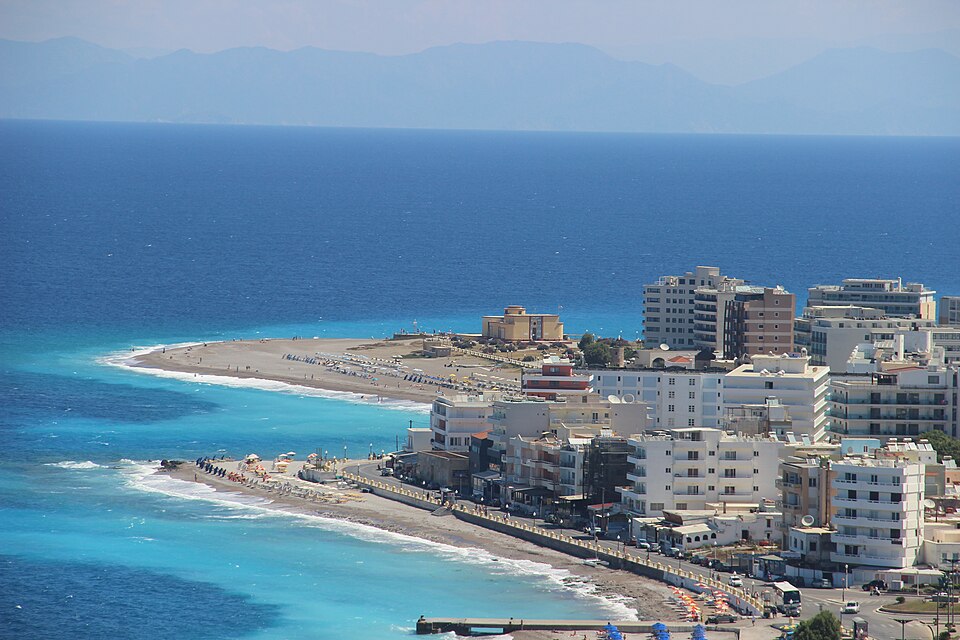
Greece on a budget is absolutely doable at $50-75/day. This isn't a "survive on rice" guide — it's how to experience Greece fully without overspending. Real prices, tested strategies, and one thing worth splurging on.
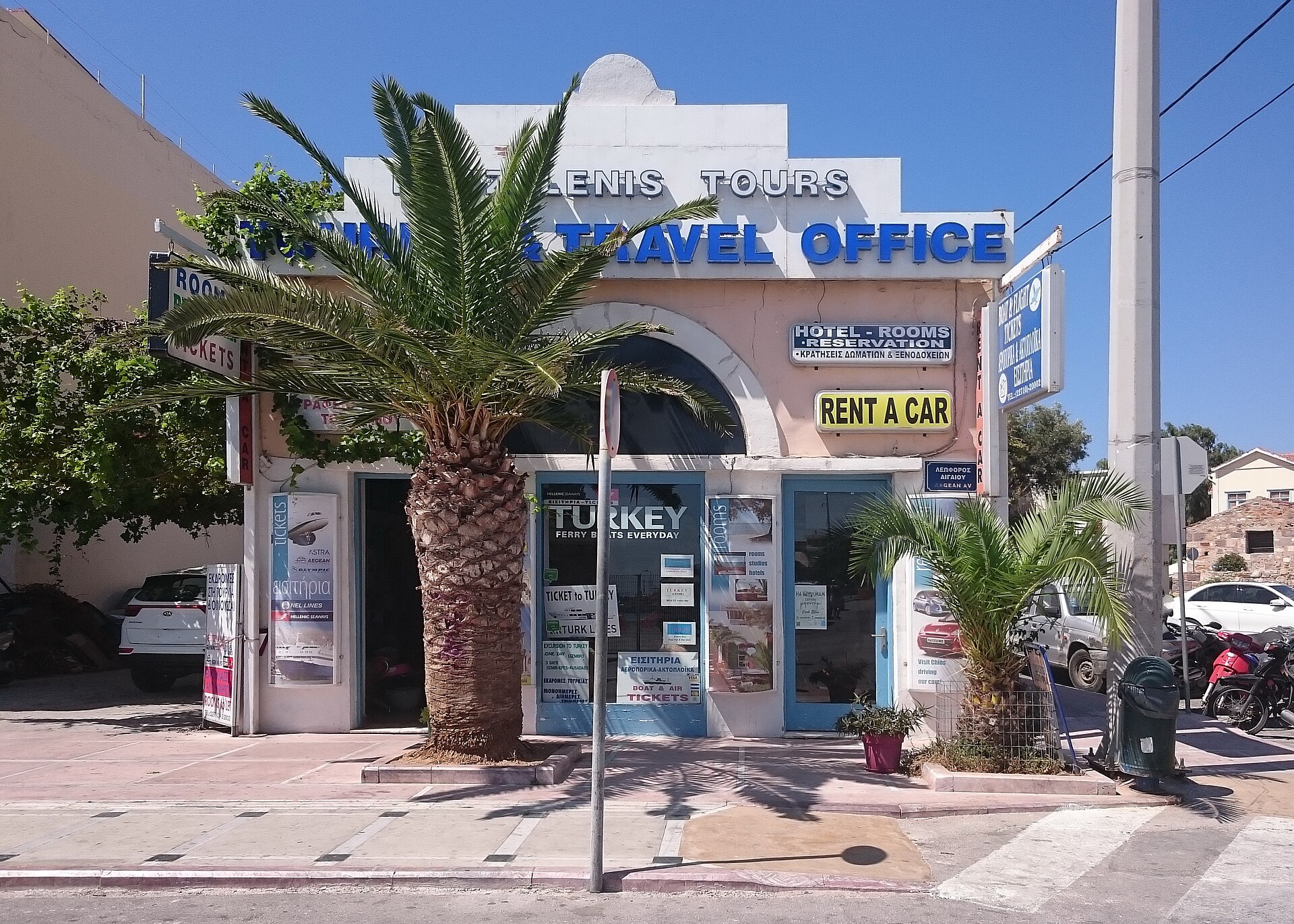
What You'll Actually Spend
Accommodation: $18-30/night (hostels, guesthouses, budget hotels)
Food: $10-15/day (eating like locals, not at tourist traps)
Transport: $8-15/day (public transit, walking, occasional taxi)
Total: $50-75/day — comfortable, not suffering.
Things That Cost Nothing
Archaeological sites (some free), beach days, monastery visits, sunset watching, village walking, hiking trails.
The best travel experiences are often free. Greece has plenty of them — you just need to know where to look beyond the tourist trail.
Where the Savings Are
Continue planning your Greece trip
Visit smaller islands (Naxos, Milos instead of Santorini/Mykonos — 50% cheaper). Eat gyros ($3-4) and bakery pastries. Take deck-class ferries. Travel in May/October (shoulder = 30% off). Stay in rooms-to-let on islands. Cook at accommodation.
The One Thing Worth Paying For
Sailing day trip to volcanic islands ($50-70) — seeing the caldera from the water is transformative.
Budget travel doesn't mean denying yourself everything. Pick one memorable experience and allocate budget specifically for it. You'll remember it long after you've forgotten the savings on bus tickets.
Spend vs. Save
Save on: Accommodation (you're there to sleep, not live), intercity transport (overnight = save a night), food in tourist zones (walk 5 minutes in any direction for 50% savings).
Spend on: One unique experience (the splurge above), good travel insurance (non-negotiable), and quality walking shoes (your feet will thank you).
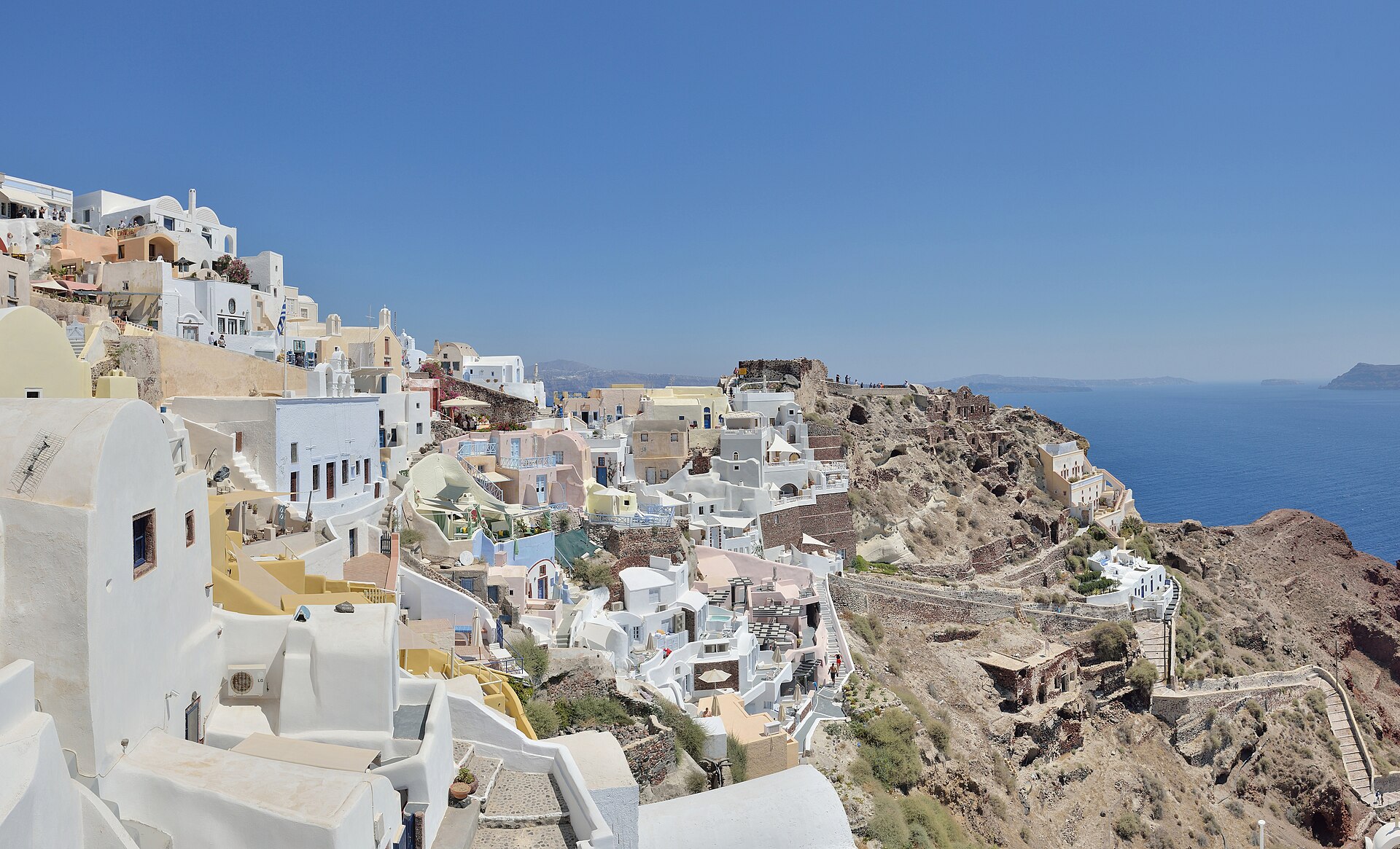
Greece's Two-Tier Daily Budget and the Costs That Sneak Up on You
Past the bare-bones daily already covered above, here is the honest split. A real shoestring sits near EUR 50-65 a day once you factor a hostel dorm at around EUR 20-30 a night, taverna and street-food meals around EUR 3-5 to EUR 15, and a museum or archaeological site at roughly EUR 10-20. A comfortable mid-range pace runs about EUR 115-165 a day: a private room or budget hotel around EUR 60-120 a night, sit-down meals, ferries and a couple of paid activities. Over a typical 7-night trip that lands near EUR 380-450 shoestring or around EUR 1,000-1,150 mid-range, before flights.
The costs travelers miss add up fast:
- The Climate Crisis Resilience Fee, charged per room per night and collected at checkout, runs about EUR 0.50 to EUR 15 (roughly EUR 8 a night for a peak-season short-term rental, up to EUR 15 at 5-star hotels).
- The EUR 20 EU ETIAS authorization, expected to start late 2026, so budget for it on future trips.
- Tipping of about 5-10% at tavernas and 10-15% at upscale spots, never mandatory but expected for good service.
Three swaps that move the needle: use a Greek bank ATM (Alpha, Eurobank, Piraeus) instead of a Euronet machine to skip its EUR 1.50 per-withdrawal cap; book ferry deck seats early at around EUR 20 rather than EUR 48-plus high-speed fares; and eat one tier off the tourist square to cut a EUR 25 dinner closer to EUR 12.
FAQ
How much does Greece cost per day on a budget?
Budget travelers can expect to spend $50-75/day in Greece, covering accommodation, meals, and transport.
Is Greece expensive for tourists?
Greece is moderately priced. Not the cheapest destination, but very manageable with the strategies above.
What's the cheapest time to visit Greece?
Shoulder seasons (just before or after peak) offer 20-40% savings on accommodation and flights while still having good weather. Avoid school holidays and major local festivals for best prices.
Related Greece Guides
Visit in May · Visit in September · Airport Transfer
📖 Read our Complete Travel Guide to Greece for the full picture.
🗺️ More Greece guides: Best Time to Visit · Complete Guide
Best time to visit Greece (real climate data)
Best months: April, May, June, September, October, November.
Greece’s warmest month is July (avg 34°C / 92°F), the coolest is January (low 5°C / 42°F). The wettest is December (110 mm) and the driest is July.
Source: Open-Meteo ERA5 climate normals (2019–2023). See the full month-by-month weather →
You Might Also Love




Written by
John Morrison is the founder and lead travel writer at Packzup. Over the past decade he has explored destinations across Africa, the Americas, Asia, Europe, the Middle East, and Oceania — always self-funded, never on a press trip.