- Plan Your Athens Trip
- What’s in This Guide
- Why Athens
- The Acropolis & Ancient Agora
- Plaka & Monastiraki
- Psyrri, Exarchia & the New Athens
- Greek Food: A Practical Guide
- Island-Hopping from Athens
- Getting Around
- Realistic Budget Breakdown
- Things Nobody Tells You
- More Travel Guides You’ll Love
- Frequently Asked Questions
- More from Packzup
📅 Updated Aug 2026
Athens has a reputation problem that is entirely outdated. For years, travel advice treated the city as a layover, the place you spent one night before catching a ferry to the islands. The 2010s debt crisis and the resulting media coverage cemented an image of a city in decline. That image is wrong, and it is spectacularly wrong.
What has happened in Athens over the last five years is one of the most dramatic urban revivals in Europe. Abandoned neoclassical buildings in the centre have been converted into boutique hotels and rooftop cocktail bars with Acropolis views. The food scene has exploded from taverna-only to a spectrum that includes natural wine bars, neo-Greek tasting menus, and some of the best Middle Eastern food outside Beirut (courtesy of the city’s immigrant communities). A new metro line has connected the airport to Piraeus. And the fundamental Athens advantage remains: you can eat extraordinarily well, drink excellent wine, and sleep in a centrally located hotel for roughly half of what the same experience costs in Rome or Barcelona.
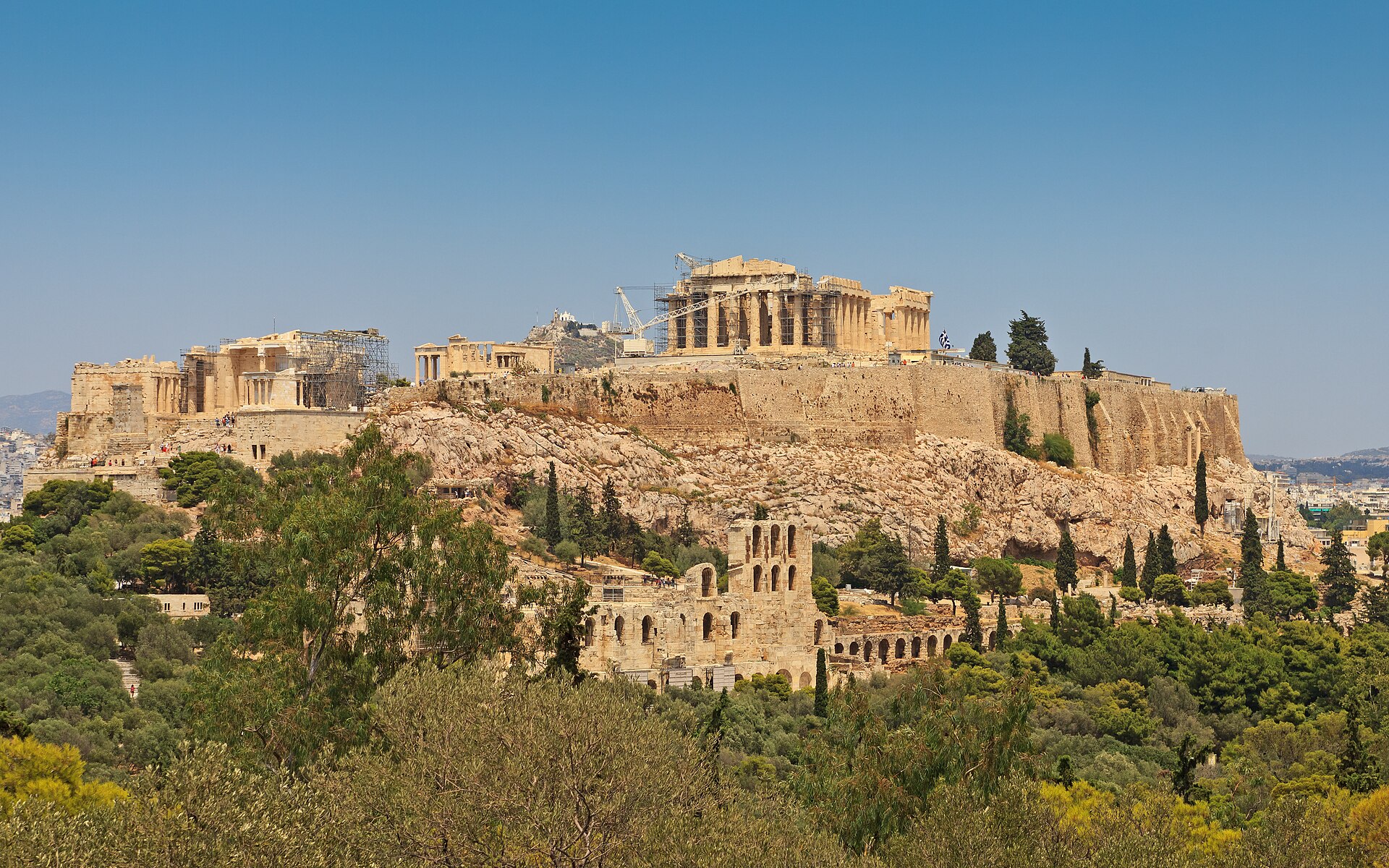
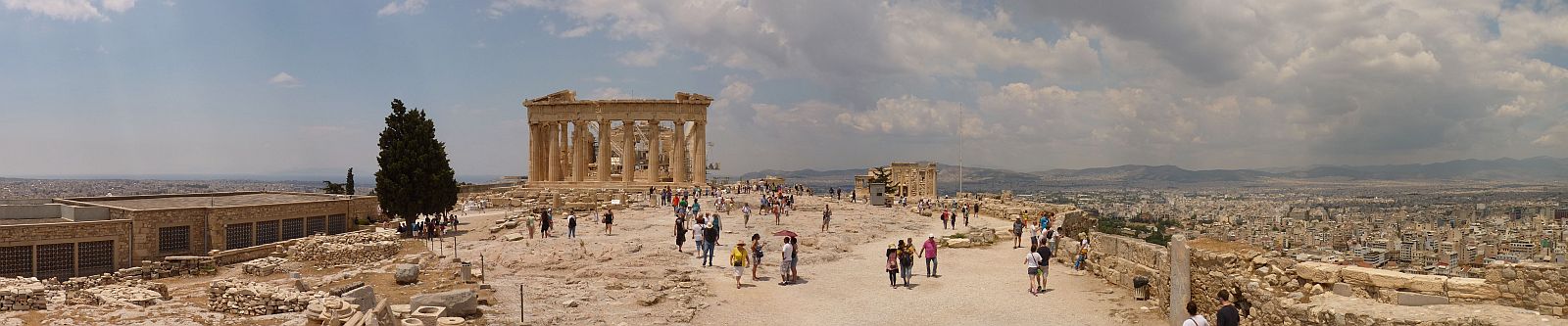
The Acropolis itself, the reason Athens exists on every travel list, is simply one of the most powerful places on earth. Standing on the Parthenon’s platform at sunset, looking across a city of four million people that has been continuously inhabited for 3,400 years, produces a feeling that no photograph can replicate.
Plan Your Athens Trip
What’s in This Guide
- Why Athens
- The Acropolis & Ancient Agora
- Plaka & Monastiraki
- Psyrri, Exarchia & the New Athens
- Greek Food: A Practical Guide
- Island-Hopping from Athens
- Getting Around
- Realistic Budget Breakdown
- Things Nobody Tells You
- FAQ
Why Athens
Greece recorded 36 million tourist arrivals, surpassing pre-pandemic records. Athens has directly benefited, with hotel investment accelerating — new openings include the Acropolis-adjacent Athens Capital Hotel, the Ergon House food-focused concept hotel, and several boutique conversions in Psyrri and Koukaki. Flight connectivity has expanded, with new direct routes from North American cities.
The Athens Riviera, the coastal stretch from Faliro to Vouliagmeni: has undergone major development, with new beach clubs, restaurants, and the Stavros Niarchos Foundation Cultural Center providing top cultural programming for free. Athens is no longer a one-day stopover; it is a destination that rewards a week.
Skip-the-line tickets, guided walks, food tours. Vetted by GetYourGuide with free cancellation.
Browse Athens Experiences →
The Acropolis & Ancient Agora
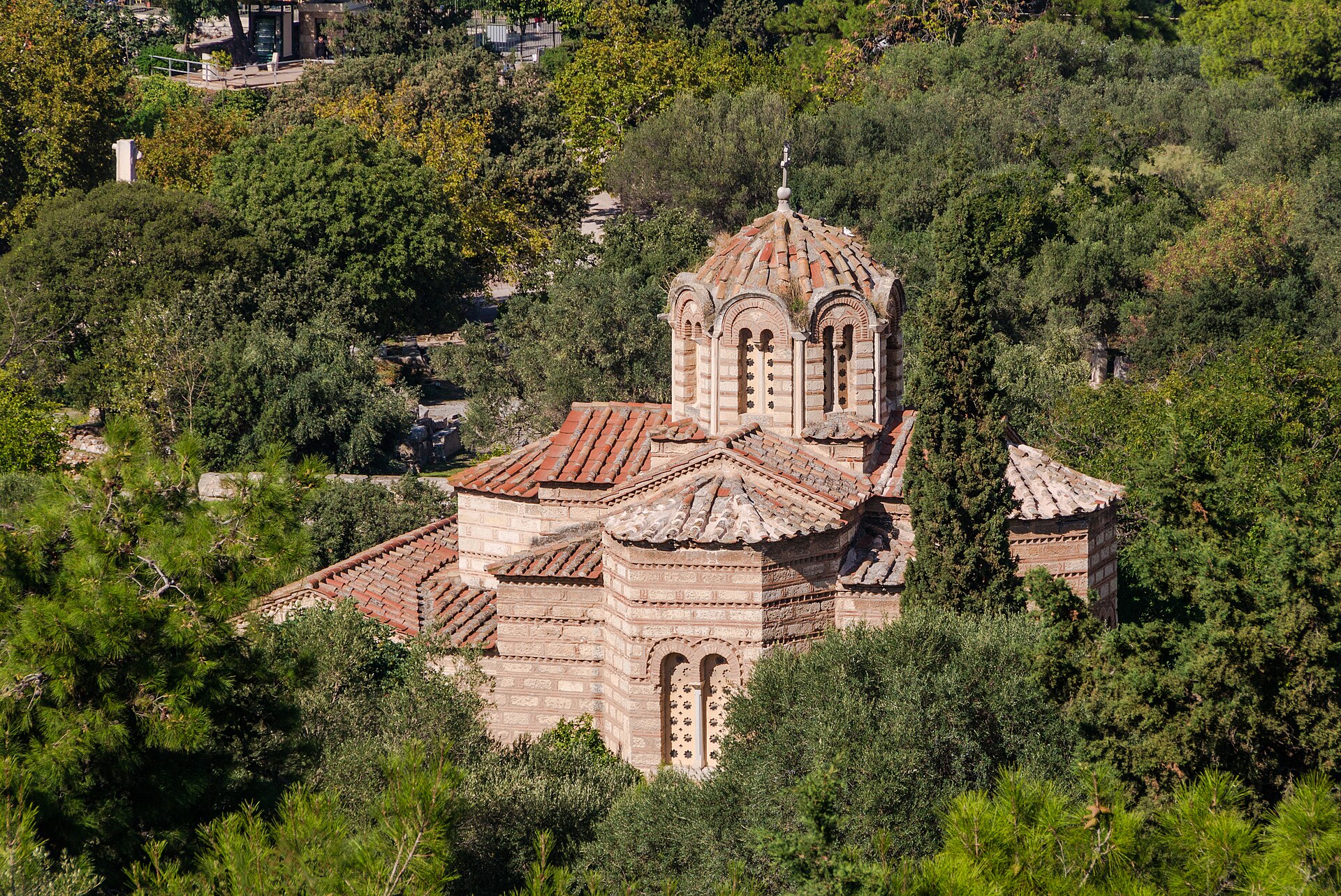
The Acropolis ticket (€20, €30 in peak season April-October) includes access to the Parthenon plateau, the Erechtheion, the Temple of Athena Nike, and the Theatre of Dionysus. A combined ticket (€30) adds the Ancient Agora, Roman Agora, Temple of Olympian Zeus, Kerameikos, and Hadrian’s Library, valid for five days and excellent value if you plan to visit more than two sites.
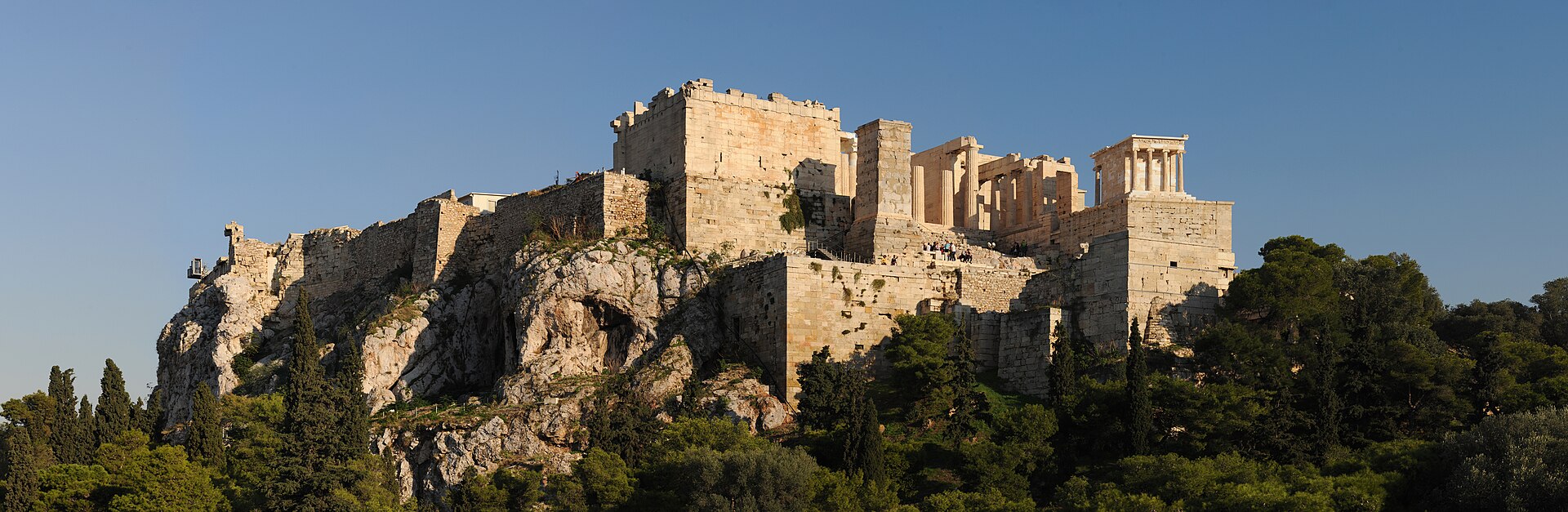
Timing strategy: arrive at the gate at 8 a.m. (opening time) or after 5 p.m. Mid-day in summer is brutally hot with zero shade on the hilltop. The south slope entrance (from the Acropolis Museum side) is less crowded than the main west entrance. Allow 90 minutes for the Acropolis itself, then walk downhill to the Ancient Agora, the civic heart of classical Athens, with the remarkably intact Temple of Hephaestus and the reconstructed Stoa of Attalos.
The Acropolis Museum (separate €15 ticket) is essential — it houses the original Caryatids, the Parthenon frieze panels, and a glass floor revealing excavated ruins beneath. The top-floor gallery is aligned to face the Parthenon directly through floor-to-ceiling windows.
Plaka & Monastiraki
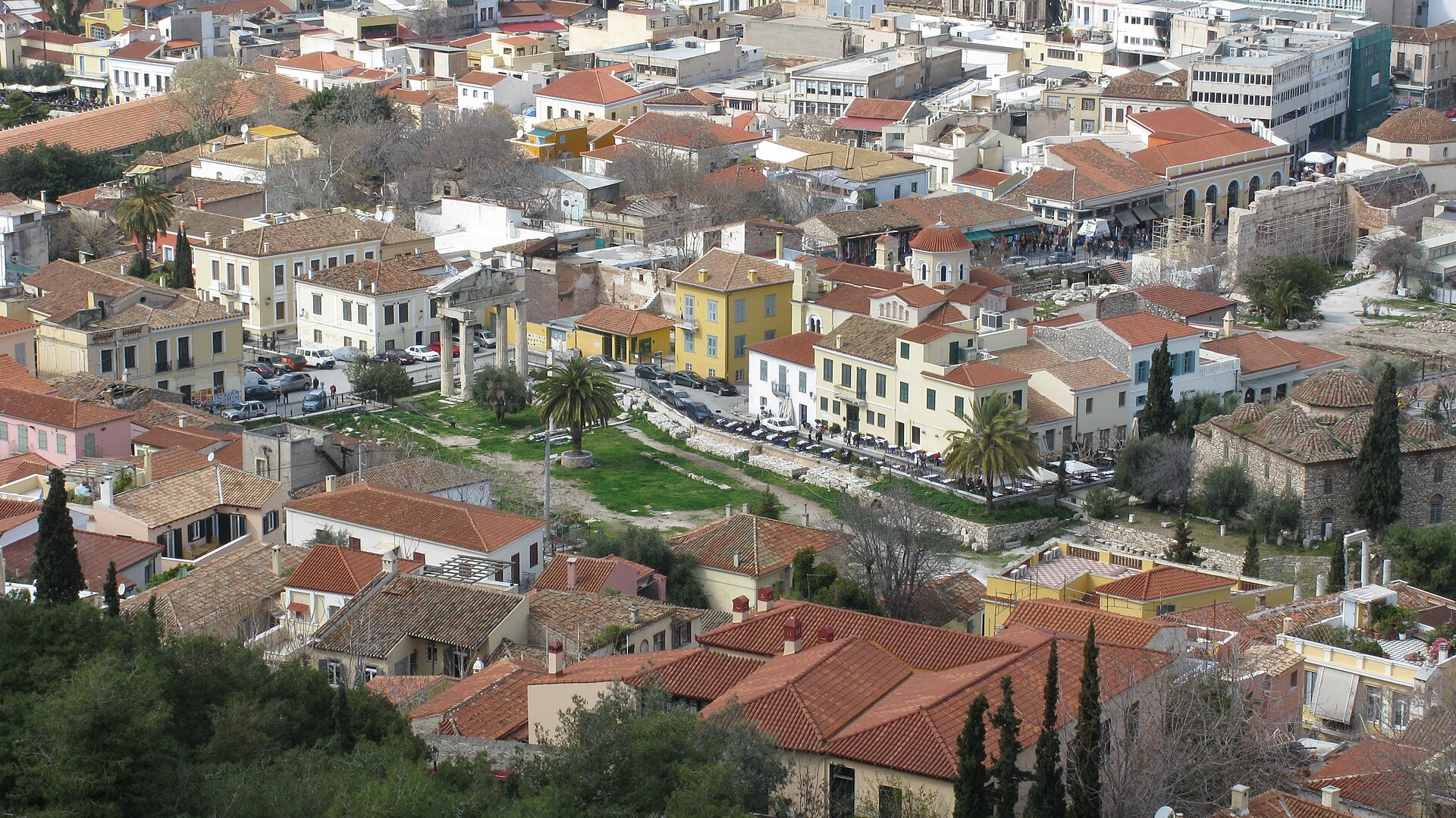
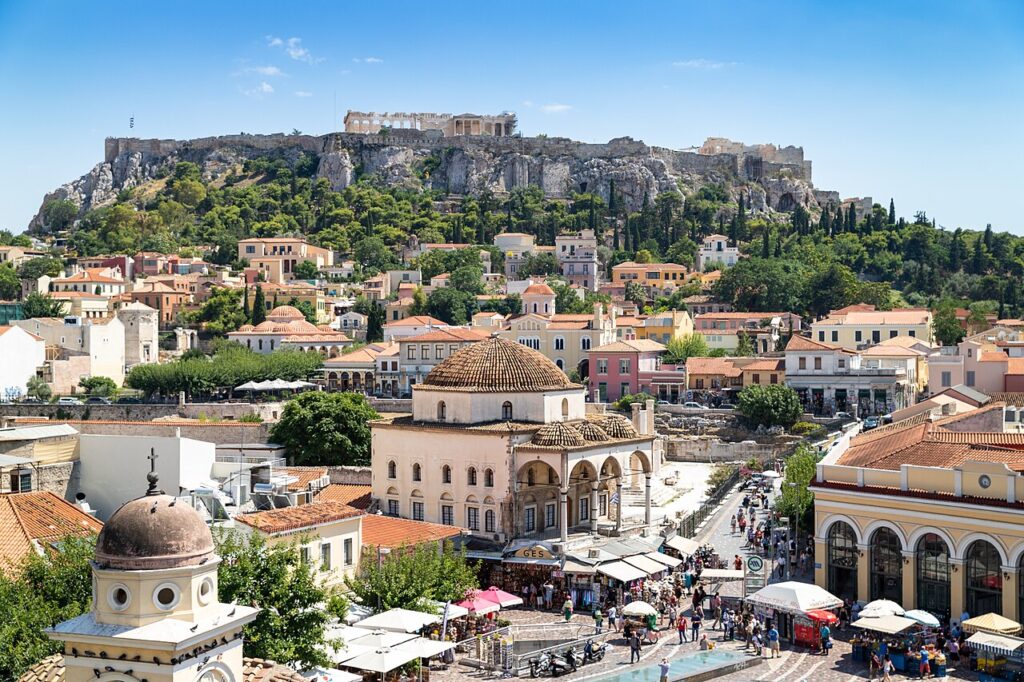
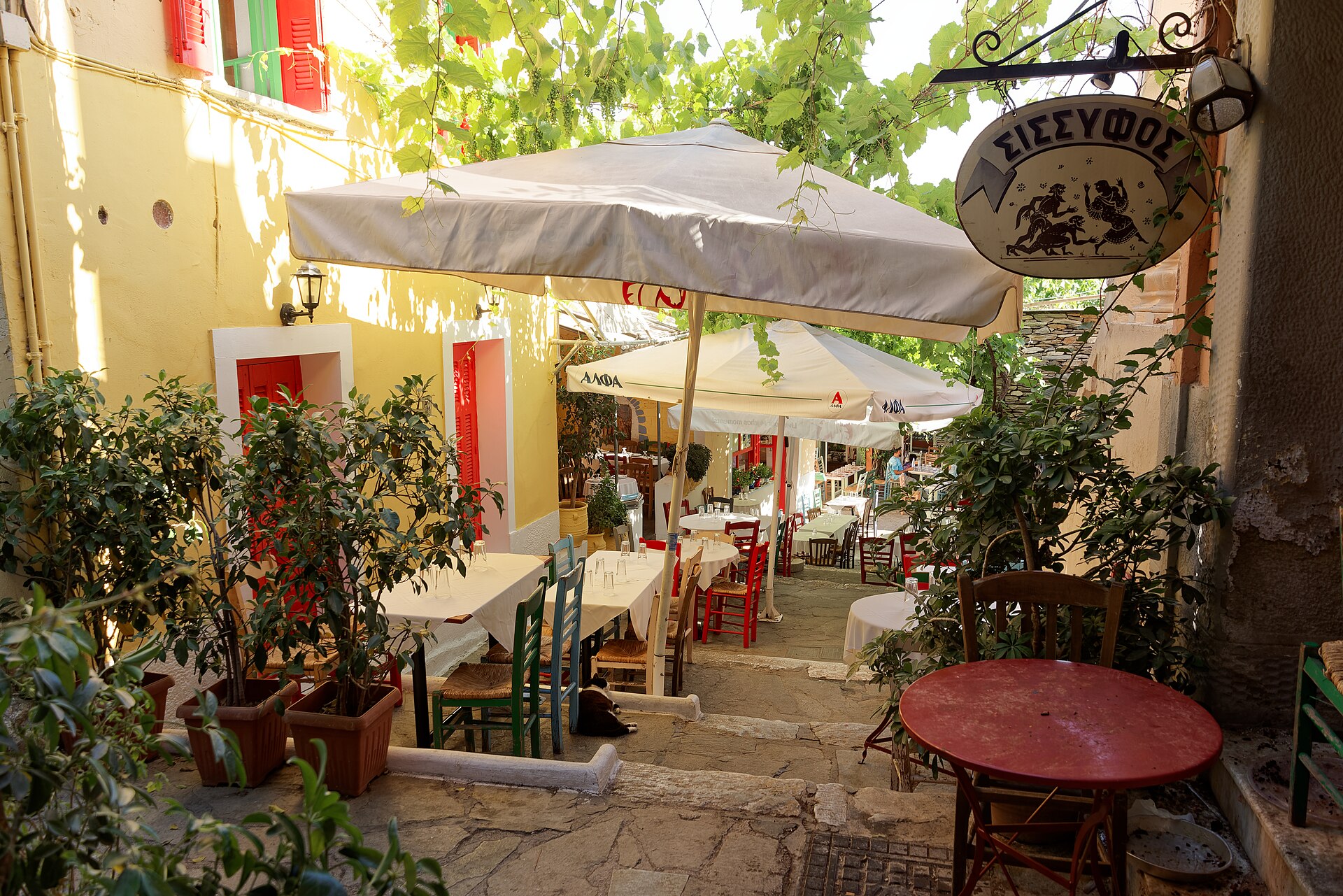
Plaka is the oldest neighbourhood in Athens, a cascade of neoclassical houses, bougainvillea-draped stairways, and Byzantine churches tucked between the Acropolis north slope and the cathedral. It is touristy in parts (Adrianou Street is wall-to-wall souvenir shops), but the upper streets: Anafiotika. Are a whitewashed village transplanted from the Cycladic islands by 19th-century construction workers, and genuinely magical.
Monastiraki Square is the city’s busiest crossroads: the metro station, the flea market (Sunday mornings for the full experience), the Tzistarakis Mosque, and the view corridor up to the Acropolis. The surrounding streets house the best souvlaki in Athens, Kostas on Plateia Agia Irini (pork souvlaki, tomato, onion, nothing else, perfection at €2.50) and O Thanasis on Mitropoleos (the lamb kebab benchmark).
Psyrri, Exarchia & the New Athens
Psyrri was a warehouse district ten years ago. Now it is the epicentre of Athens’ creative revival: street art murals, natural wine bars (Heteroclito, Oinoscent), craft breweries, and restaurants that are redefining Greek cuisine for a global audience. The streets around Plateia Iroon are packed on weekend evenings.
Exarchia, the anarchist quarter north of the Polytechnic, is Athens’ most intellectually alive neighbourhood — bookshops, vinyl record stores, cheap student tavernas, and a political energy that is unique in Europe. It is safe for visitors despite its reputation; just be aware that protests occasionally occur around the Polytechnic. Koukaki, south of the Acropolis, is the boutique hotel boom zone: quiet residential streets with excellent restaurants and Acropolis views from rooftop bars.
Greek Food: A Practical Guide
Greek food is the original Mediterranean diet, and in Athens it is served with a generosity and quality that embarrasses most tourist-facing European cities. The essentials: Souvlaki: pork or chicken on a skewer, wrapped in pita with tomato, onion, and tzatziki. €2.50-4. The best fast food in Europe. Horiatiki: the Greek salad (tomato, cucumber, onion, pepper, olives, feta, olive oil). No lettuce. €7-10. Moussaka: aubergine, minced meat, and béchamel baked into layers. Heavy, satisfying, €8-12.
Grilled octopus: charred and dressed with lemon and olive oil. €10-14 in tavernas, one of the great dishes of the Mediterranean. Spanakopita: spinach and feta in filo pastry. €2-3 from bakeries. Loukoumades: Greek doughnuts drizzled with honey and cinnamon. €5-7.
Where to eat: Karamanlidika (Psyrri) for deli-style meze and cured meats. Avocado (Monastiraki) for vegetarian Greek food. Ta Karamanlidika tou Fani for Asia Minor-influenced cuisine. Central Market (Varvakeios) for the most authentic, chaotic, and rewarding lunch experience in the city, the fish tavernas in the basement serve the catch of the morning.
Island-Hopping from Athens
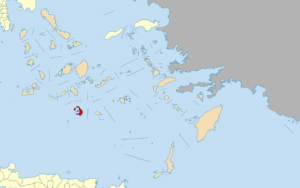
Athens’ port of Piraeus (30 minutes by metro from Syntagma) is the gateway to the Aegean. The most accessible island groups
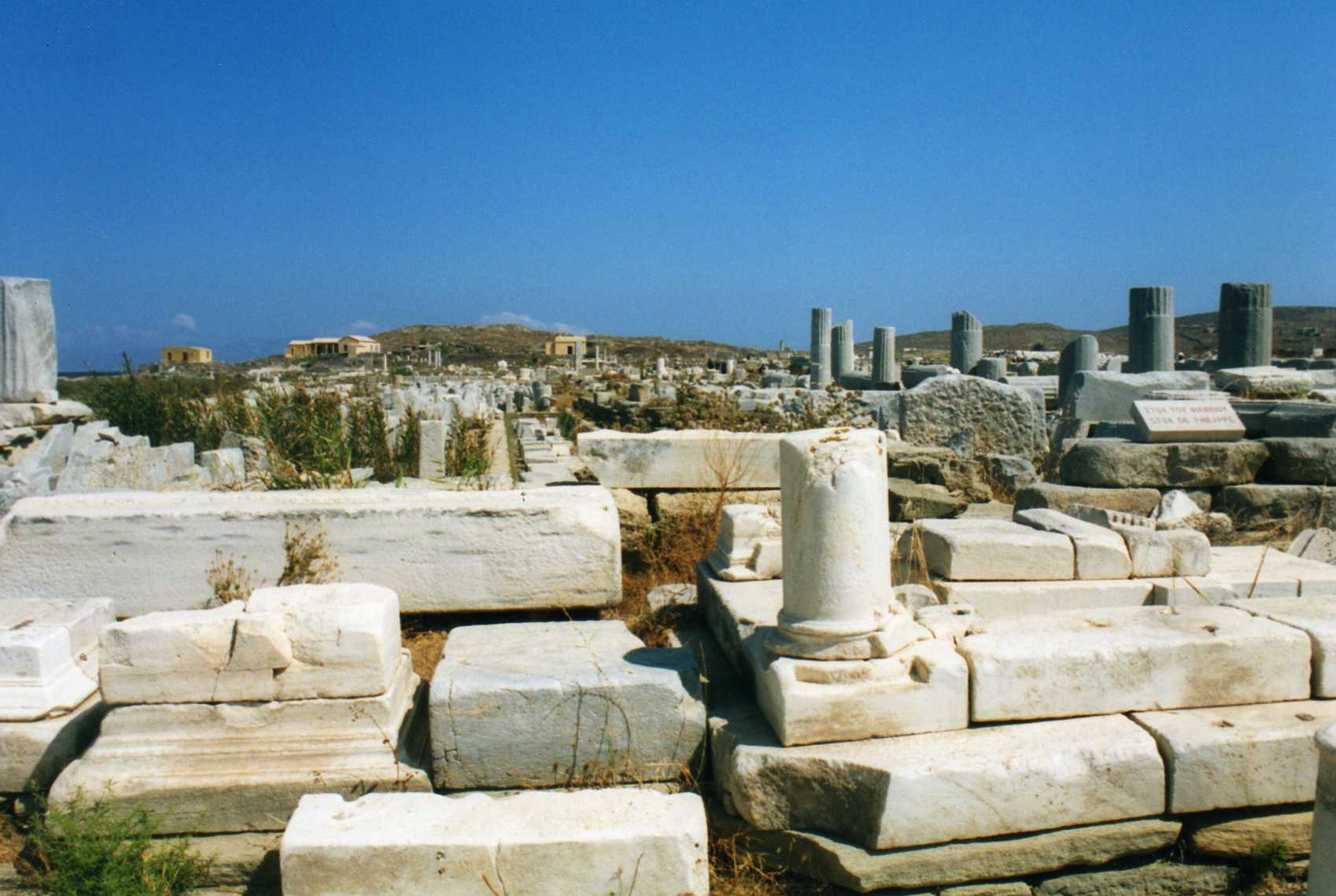
Saronic Islands (1-2 hours): Hydra (no cars, donkey transport, artists’ colony), Aegina (pistachio farms, the Temple of Aphaia), Spetses (pine-forested, bicycle-friendly). Perfect for a day trip or overnight. Cyclades (4-8 hours by ferry, 30-50 minutes by plane): Santorini (the caldera views), Mykonos (beaches and nightlife), Naxos (the best Cycladic beach, less crowded), Paros (the local favourite, excellent food). Book Blue Star or SeaJets ferries on ferryhopper.com.
Crete (9 hours by overnight ferry, 1 hour by plane): Greece’s largest island deserves a minimum of five days: Chania’s Venetian harbour, Samaria Gorge, the Minoan palace of Knossos, and beaches that rival the Caribbean. The overnight ferry from Piraeus is an experience in itself. Book a cabin for €40-60.
Getting Around
Metro: Three lines covering the centre, Piraeus, and the airport. Single ride €1.20 (€9 from airport). 5-day tourist pass €9. Clean, efficient, with archaeological displays in several stations. Walking: Central Athens is extremely walkable. The pedestrianised Dionysiou Areopagitou promenade connects the Acropolis Museum to the Ancient Agora, one of the best urban walks in Europe. Airport: Metro line 3 direct to Syntagma (40 minutes, €9). Express bus X95 runs 24 hours (€5.50).
Realistic Budget Breakdown
| Item | Daily Cost (Budget / Mid-Range) |
|---|---|
| Accommodation | €15-30 (hostel) / €60-140 (boutique hotel) |
| Food | €12-20 (souvlaki + tavernas) / €30-55 (restaurants) |
| Transport | €3-6 (metro) / €10-20 (metro + taxis) |
| Attractions | €20-30 (Acropolis + combined ticket) |
| DAILY TOTAL | €50-86 budget / €120-245 mid-range |
Things Nobody Tells You
Athenians eat late. Dinner reservations before 9 p.m. Mark you as a tourist. Many restaurants don’t fill up until 10 p.m. Lunch is 2-4 p.m. Adjust or eat alone.
The heat is serious. July-August Athens hits 38-42°C regularly. The Acropolis has no shade. Carry two litres of water, wear a hat, and schedule outdoor sightseeing for early morning or late afternoon. The city effectively shuts down between 2-5 p.m. In summer. Follow the Greek lead and take a siesta.
Strike culture is real. Public transport strikes happen with little warning, typically lasting 24 hours. Check local news on the morning of your travel day. Taxi apps (Beat, Uber) function during metro strikes.
Receipts matter. Greek tax law requires businesses to provide receipts. If a taverna doesn’t offer one, or the bill seems unusually cash-focused, you are within your rights to ask. Tourist-area restaurants occasionally add undisclosed cover charges, check the bill carefully.
Frequently Asked Questions
Is Athens safe for tourists?
Athens is safe for tourists. Petty theft (pickpocketing on the metro, bag-snatching in Monastiraki) is the main risk. Exarchia has occasional protest activity but is generally safe for visitors. Avoid Omonia Square late at night. Violent crime against tourists is very rare.
How many days should I spend in Athens?
Three days covers the Acropolis, the main neighbourhoods, and the food scene. Four to five days allows a day trip to an island (Hydra or Aegina) and time for the Athens Riviera beaches. A week works if you combine Athens with a two-day island excursion.
Is Athens a good base for Greek island hopping?
Excellent. Piraeus port is 30 minutes by metro, with daily ferries to the Saronic Islands (1-2 hours), Cyclades (4-8 hours), and overnight ferries to Crete. The airport also has direct flights to Santorini, Mykonos, and Crete (30-50 minutes, often €40-80 each way with Aegean Airlines).
When is the best time to visit Athens?
April-May and September-October: warm weather (20-28°C), manageable crowds, reasonable prices. July-August is extremely hot (38°C+) and crowded but has the liveliest atmosphere. November-March is mild, cheap, and uncrowded — Athens is a viable winter city break at 12-16°C.
More from Packzup
Related guide: Getting from Athens Airport to the city centre — metro, bus, taxi and transfer options with times and costs.
Ancient capitals compared: Athens vs Rome
Still deciding on Athens?
More guides: Day trips from Athens
Best time to visit Athens (real climate data)
Best months: April, May, June, September, October, November.
Athens’s warmest month is July (avg 34°C / 92°F), the coolest is January (low 5°C / 42°F). The wettest is December (110 mm) and the driest is July.
Source: Open-Meteo ERA5 climate normals (2019–2023). See the full month-by-month weather →
You Might Also Love


Written by
Founder of Packzup. Independent travel writer covering offbeat destinations across six continents since 2018. Every guide is independently researched and self-funded — no press trips, never sponsored.
Before you go: see whether they speak English in Athens and what to wear, check the tap water, sort your mobile data, and find out if it is a cash or card destination, and brush up on local etiquette.
Wondering about safety? Read the honest answer: Is Athens safe in 2026?