Quick verdict: Both promise tropical paradise, both deliver beaches and cheap massages, both flood your Instagram. But under the surface they’re playing different games. Bali is a culture-soaked, surf-and-yoga, rice-terrace dream. Phuket is a beach-bar party island with serious island-hopping potential. Here’s the real comparison.
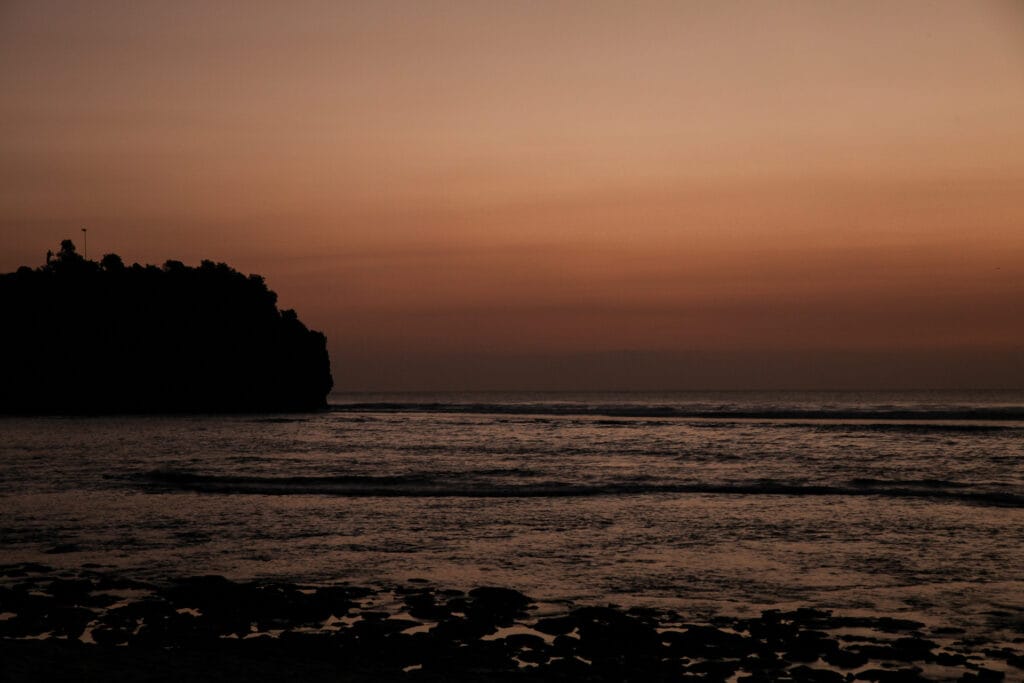
Bali
Bali
Best time: Apr-Oct Daily cost: $40-80/day
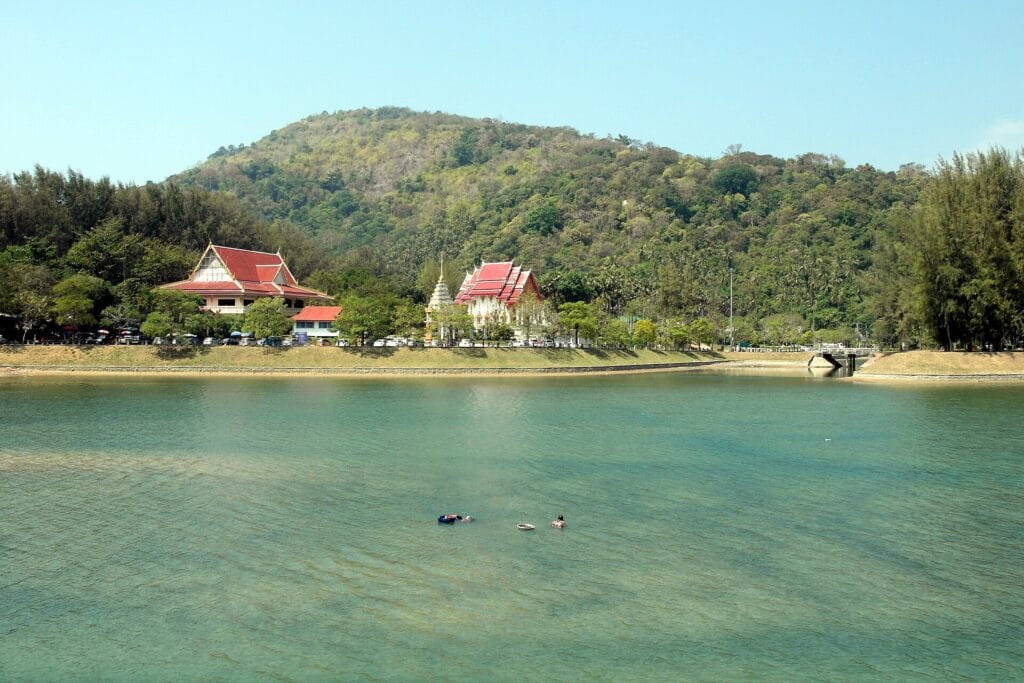
Phuket
Best time: Nov-Apr Daily cost: $50-100/day
When to go: Bali vs Phuket
Measured, not guessed — five years of ERA5 reanalysis (2019–2023). Months are ranked by how close the average high sits to 25°C, penalised by wet days.
Bali
Best month
July
Then expect
27°C · 18 wet days
Next best
June, September
Wettest month
January (28 wet days)
J29°January: average high 28.9 degrees Celsius, 28 wet daysF29°February: average high 29 degrees Celsius, 26 wet daysM29°March: average high 29.2 degrees Celsius, 27 wet daysA29°April: average high 29.1 degrees Celsius, 22 wet daysM29°May: average high 28.9 degrees Celsius, 19 wet daysJ28°June: average high 28.1 degrees Celsius, 19 wet daysJ27°July: average high 27 degrees Celsius, 18 wet daysA27°August: average high 27.1 degrees Celsius, 21 wet daysS28°September: average high 27.7 degrees Celsius, 20 wet daysO29°October: average high 28.9 degrees Celsius, 19 wet daysN30°November: average high 29.5 degrees Celsius, 24 wet daysD30°December: average high 29.6 degrees Celsius, 26 wet days
Phuket
Best month
January
Then expect
30.1°C · 9 wet days
Next best
February, March
Wettest month
October (29 wet days)
J30°January: average high 30.1 degrees Celsius, 9 wet daysF32°February: average high 31.5 degrees Celsius, 8 wet daysM32°March: average high 32.4 degrees Celsius, 11 wet daysA32°April: average high 31.7 degrees Celsius, 19 wet daysM30°May: average high 30.3 degrees Celsius, 26 wet daysJ30°June: average high 29.7 degrees Celsius, 24 wet daysJ30°July: average high 29.7 degrees Celsius, 21 wet daysA30°August: average high 29.5 degrees Celsius, 22 wet daysS29°September: average high 29.1 degrees Celsius, 24 wet daysO29°October: average high 28.9 degrees Celsius, 29 wet daysN29°November: average high 28.8 degrees Celsius, 27 wet daysD29°December: average high 29 degrees Celsius, 16 wet days
Different windows — Bali peaks in July, Phuket in January. If your dates are fixed, that is the deciding factor.
Phuket is the drier bet at its peak — 9 wet days vs 18.
Biggest split is March — Phuket is 3.2°C warmer that month.
Source: ERA5 reanalysis (2019–2023) via Open-Meteo, CC BY 4.0 — Packzup Travel Climate Dataset (open data).
Bali vs Phuket at a glance
Bali
Phuket
Best for
Culture, surf, wellness
Beaches, island-hopping, nightlife
Vibe
Spiritual, lush
Resort, beachy, party
Daily budget (budget)
$40–90
$35–80
Best time
Apr–Oct (dry)
Nov–Mar (dry)
Don’t miss
Ubud, temples, surf breaks
Phi Phi, Old Town, the beaches
The catch
Southern traffic
Patong can feel tacky; rainy season
How Bali and Phuket compare on what matters
Beaches
BaliUluwatu, Padang Padang, Nusa Penida — dramatic cliffs and surf beaches; not all are swim-friendly.
PhuketPatong, Kata, Karon, Surin — wider sandy beaches, more swimmable, more developed.
PhuketPhi Phi, Krabi, Similan, Phang Nga — arguably world-class island-hopping.
Edge: Phuket
Wellness & Yoga
BaliUbud is the global yoga capital — retreats, ashrams, vegan cafes, healers, juice bars.
PhuketResort spas yes; serious yoga/wellness retreat scene no.
Edge: Bali
Bali or Phuket: the honest verdict
Bali if you want culture + wellness + surf + photogenic rice terraces. Phuket if you want better swimmable beaches, easier island-hopping access, and bigger nightlife. Honeymoon? Bali. Family beach vacation? Phuket. Solo wellness trip? Bali. Boys/girls trip? Phuket.
Ready to book? Compare tours and tickets for both.
The deciding factor: island-hopping reach versus a single surf-and-wellness base
Choose Phuket if your trip is built around swimmable beaches and easy day-trips to other islands. The Phi Phi group sits just 46km out, a 45-minute speedboat or a 90-minute catamaran from the west coast, and Patong puts the biggest nightlife strip within walking distance of those boat piers. From one Phuket hotel you can be snorkeling Maya Bay by mid-morning and back for dinner.
Choose Bali if the draw is consistent surf, rice-terrace scenery and a deep wellness scene rather than turquoise day-cruises. Uluwatu and Canggu deliver reef and beach breaks for every level, and Ubud’s yoga-and-retreat culture has no real Phuket equivalent. The trade-off is reach: Bali’s nearest island add-ons, the Gilis or Nusa Penida, are a 30-to-45-minute fast-boat away and need their own overnight to be worth it, so island-hopping is a separate mini-trip rather than a casual outing. In short, Phuket is the better launchpad for sampling several islands in a week, while Bali is the stronger single base if you would rather surf, decompress and stay put.
Frequently asked questions
Can I visit both Bali and Phuket on one trip?
Yes — fly Bali to Phuket via Singapore or Kuala Lumpur (4-5h total). Plan minimum 14 days. Better still: extend the trip — do Bali + Gili Islands (10 days) then Phuket + Phi Phi (7 days). 17-day Southeast Asia island combo.
Which is safer?
Both are safe by Southeast Asia standards. Bali has more scooter accidents (rent at your own risk, wear helmet). Phuket has more petty scams and aggressive jet-ski operators on Patong beach. Pickpocketing is rare in both.
Which has better food?
Phuket edges it for Thai food authenticity and the southern Thai seafood. Bali wins for the wider international cafe scene, vegan/healthy food, and breakfast culture. Both have excellent street food.
When is each cheapest?
Bali: rainy season Jan-Feb (50% off many hotels). Phuket: green season May-Oct (40-50% off; expect some rainy afternoons). Both stay warm year-round.
Which is more romantic?
Bali, generally. Ubud’s jungle villas, Uluwatu’s cliff resorts, and the Gili Islands offer better honeymoon villa product. Phuket has resorts but feels more group/family oriented.
Some links on Packzup are affiliate links. We may earn a small commission at no extra cost to you. We only recommend partners we trust.
Founder of Packzup. Independent travel writer covering offbeat destinations across six continents since 2018. Every guide is independently researched and self-funded — no press trips, never sponsored.