Last updated July 26, 2026 · Editorial policy
Quick answer: 10-day Morocco itinerary. Best months: March-May and September-October. Avoid July-August Marrakech heat (45°C+) and December-February cold desert nights. Total cost: US$1500-2400 mid-range / US$5000+ luxury per person. Includes riads, Sahara tour, all transport.
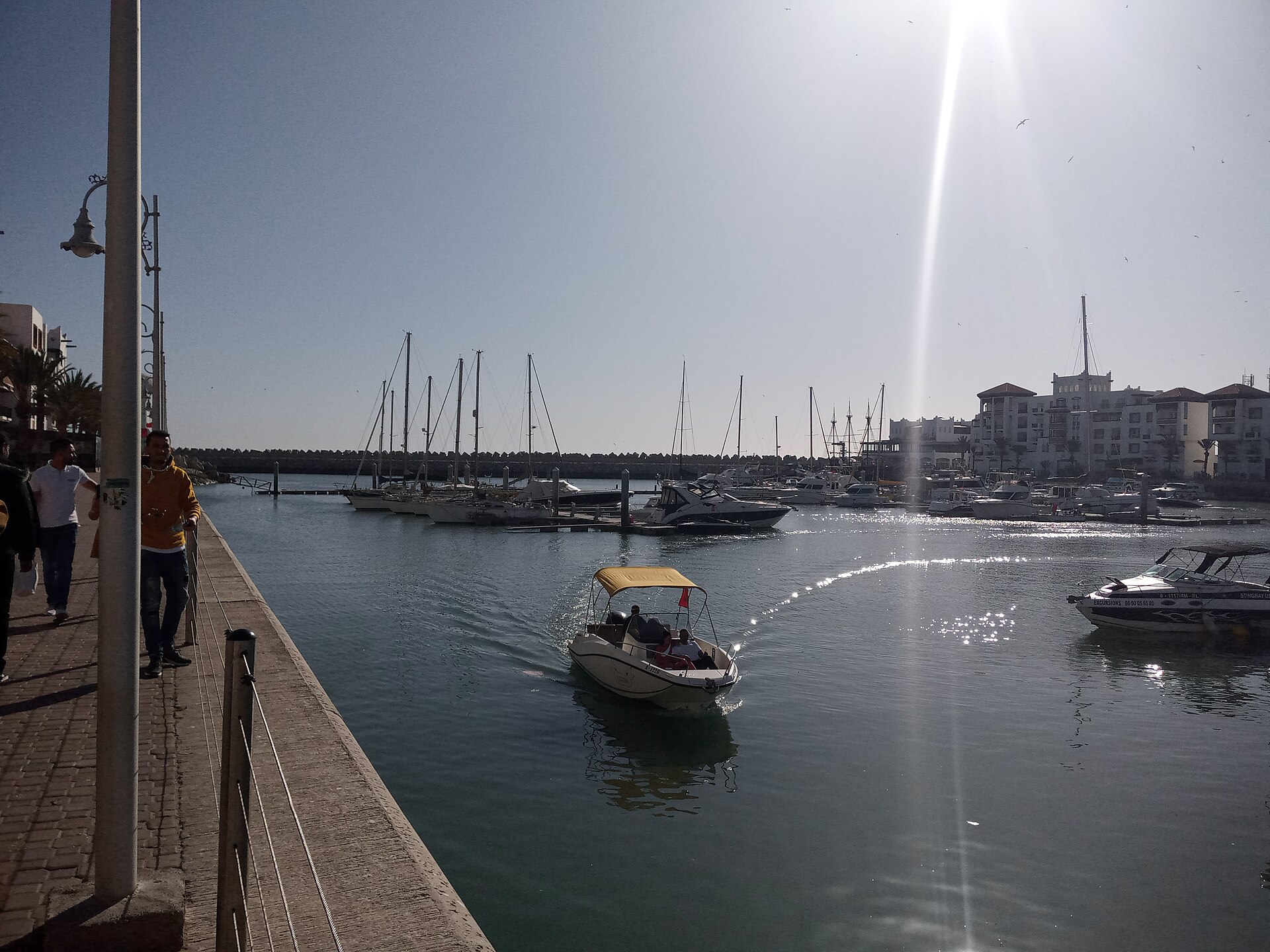
Ten days lets you cover Morocco’s classic four — Marrakech, Fes (the spiritual capital), the Atlas Mountains, and the Sahara dunes at Merzouga. This itinerary uses ONCF trains between cities and a guided 3-day Sahara excursion. Built across 2 personal Morocco trips.
Morocco itineraries by trip length
Still deciding? Compare: Morocco vs Egypt · Morocco vs South Africa
Day-by-day breakdown
Day 1 — Land in Casablanca
Fly into Casablanca Mohammed V Airport, Morocco’s main international gateway and the easiest arrival point from most US and European connections. Grab an ONCF train straight from the airport station to Casa-Voyageurs (about 45 minutes, roughly 40 MAD / about $4), then taxi to your riad. Shake off the flight with a stroll along the Corniche in the Ain Diab district, where locals gather for sunset over the Atlantic. The unmissable sight is the Hassan II Mosque, one of the largest in the world, its minaret rising 210 metres above the sea; the interior is only accessible by guided tour (tickets about 140 MAD / roughly $14, several sessions daily except Friday mornings). Insider tip — skip the tourist-trap seafood on the Corniche and eat where taxi drivers do, ordering a bowl of harira soup and fresh grilled sardines in the working-class Habous quarter.
Day 2 — Marrakech Medina Magic
Take a morning train south — the high-speed Al Boraq as far as Casablanca, then the conventional Al Atlas service on to Marrakech (the direct conventional service runs about 3 hours, roughly 140–220 MAD / about $14–22 depending on class). Drop bags at a riad inside the medina and dive into the sensory chaos of Jemaa el-Fnaa, the UNESCO-listed square that transforms at dusk into a theatre of snake charmers, storytellers and smoking food stalls. Wander the neighbouring souks, losing yourself among the leather, lantern and spice sellers of Souk Semmarine. As the light fades, climb to a rooftop terrace overlooking the square for mint tea. Insider tip — agree a price before any henna artist touches your hand, and for dinner seek out a tangia, Marrakech’s own slow-cooked beef speciality traditionally prepared by the city’s workmen, quite distinct from tagine.
Day 3 — Gardens & Palaces
Spend a full day on Marrakech’s monuments before the mountains. Start early at the Bahia Palace, a 19th-century masterpiece of carved cedar, zellij tilework and tranquil courtyards (entry about 100 MAD / roughly $10, opens around 9am — arrive at opening to beat coach groups). Walk to the Ben Youssef Madrasa, a beautifully restored Quranic school whose central courtyard is among the country’s finest examples of Marinid craftsmanship (entry about 50–70 MAD / about $5–7). In the afternoon, taxi out to Jardin Majorelle, the cobalt-blue garden restored by Yves Saint Laurent (entry about 150 MAD / roughly $15; book a timed slot online, as walk-up queues are long). Insider tip — combine your Majorelle visit with the adjacent Yves Saint Laurent Museum, then walk five minutes to the calmer, less-crowded gardens of Le Jardin Secret back inside the medina for late-afternoon photos without the crush.
Day 4 — Over the High Atlas
Today you head south by private 4×4 or a shared tour, the classic overland way to reach the desert. The road climbs the dramatic switchbacks of the Tizi n’Tichka pass (2,260 metres), the highest paved pass in Morocco, crossing the High Atlas amid Berber villages (allow 4–5 hours of driving with photo stops). Descend to the fortified earthen village of Ait Ben Haddou, a UNESCO World Heritage ksar of stacked mud-brick kasbahs that has starred in countless films; cross the river and climb through its car-free lanes to the granary at the summit for sweeping views. Continue to Ouarzazate, the so-called gateway to the desert and home to Atlas Film Studios, for the night. Insider tip — a small tip (about 20–30 MAD) to a resident family in Ait Ben Haddou often earns you a genuine look inside a traditional kasbah home, far better than the souvenir stalls.
Day 5 — Dades & Todra Gorges
Follow the N10 eastward through the string of kasbahs the French dubbed the Road of a Thousand Kasbahs. Turn up into the Dades Gorge, where the river has carved dramatic red-rock cliffs and the road twists through hairpin bends locals call the “monkey fingers” rock formations. Push on to the towering limestone walls of the Todra Gorge near Tinghir, where cliffs rise some 300 metres and narrow to a canyon barely wide enough for the road and river — walk the flat gorge floor in the cool of late afternoon. Overnight in a guesthouse near Tinghir or push toward the desert edge (the full day involves roughly 5–6 hours driving). Insider tip — the Dades and Todra roads see rockfall and occasional flash floods after rain; if storms threaten, ask your driver about conditions, and pause in a Berber tea house where a pot of mint tea costs only about 15–20 MAD.
Day 6 — Into the Sahara
A shorter drive today brings you across the stony hammada to the sand sea of Erg Chebbi, the great dune field near Merzouga that rises up to 150 metres from flat desert. Arrive mid-afternoon at your camp’s staging point, where camels (technically dromedaries) wait for the sunset trek into the dunes (a camel ride and overnight desert camp typically costs around 400–900 MAD / roughly $40–90 per person depending on comfort level). Ride out over the crests as the light turns the sand deep orange, then dine on tagine by candlelight at a Berber camp beneath an enormous field of stars, often to the beat of live drumming. Insider tip — nights in the Sahara are genuinely cold outside high summer, so bring a fleece even in spring; and skip the sunset camel photos crowding the first ridge by walking ten minutes further into the dunes for solitude.
Day 7 — Sunrise Dunes to Fes
Rise before dawn for the desert’s finest hour, watching the sun break over the dunes from a high crest — the camels head back to camp for breakfast around this time. Then begins the long, scenic drive north toward Fes, retracing the Ziz Valley with its ribbon of date palms, crossing the Middle Atlas, and passing through the incongruously Alpine-looking town of Ifrane and its cedar forests, where you may spot Barbary macaques (expect a full travel day, roughly 7–8 hours with stops). Arrive in Fes by evening and settle into a riad in the old medina. Insider tip — break the drive with lunch at a roadside grill in Midelt, the apple-growing town roughly midway, where a plate of lamb brochettes and bread runs about 60–90 MAD / roughly $6–9 and is far better value than the tourist restaurants nearer Fes.
Day 8 — Fes el-Bali Deep Dive
Devote a full day to Fes el-Bali, the world’s largest car-free urban area and a UNESCO-listed labyrinth of some 9,000 lanes founded in the 9th century. Begin at the Bou Inania Madrasa, a 14th-century Marinid school of extraordinary carved plaster and cedar (entry about 20–70 MAD). Glimpse the green-tiled courtyard of the Al Quaraouiyine, founded in 859 and often cited as the oldest continuously operating university in the world (non-Muslims view from the doorways). Then climb to a leather shop’s balcony above the Chouara Tannery, where hides are still dyed in stone vats of natural pigment as they have been for centuries. Insider tip — hire a licensed local guide for the morning (about 200–350 MAD for a half-day); the medina genuinely defeats maps, and a good guide steers you past the aggressive faux-guides while explaining the fondouks and guild quarters you’d otherwise walk straight past.
Day 9 — The Blue City
Take an early CTM bus north to Chefchaouen, the famous Blue City tucked into the Rif Mountains (about 4 to 4.5 hours, tickets roughly 90–130 MAD / about $9–13; the 8am departure maximises your time). Spend the day wandering the powder-blue lanes of the medina, where nearly every wall, step and doorway is washed in shades of indigo and sky. Climb the alleys to the restored Kasbah and its garden in the main Plaza Uta el-Hammam, then hike twenty minutes up to the Spanish Mosque viewpoint for the classic panorama of the blue town spilling down the mountainside at sunset. Overnight here to enjoy the quiet after day-trippers leave. Insider tip — Chefchaouen is a centre of goat’s cheese production, so try the local fresh cheese, and remember the light is softest and the lanes emptiest for photos just after sunrise before the tour groups arrive.
Day 10 — Rabat & Farewell
Return south toward the coast; a bus or grand taxi from Chefchaouen connects you to Rabat, the relaxed royal capital (allow most of the morning to travel). Spend your last full day exploring its handsome, uncrowded monuments: the riverside Kasbah of the Udayas, a serene 12th-century fortress of blue-and-white lanes and Andalusian gardens overlooking the Bou Regreg estuary; and the Hassan Tower, the unfinished minaret of a vast mosque begun in the 12th century, standing beside the marble Mausoleum of Mohammed V (both free to enter). In the evening, take the short train hop to Casablanca to be near the airport for departure. Insider tip — Rabat’s medina is calm and hassle-free compared with Fes or Marrakech, making it the ideal place for last-minute souvenirs at fair, low-pressure prices; and confirm your onward train, as Rabat-to-Casablanca services run frequently until late evening.
What to book ahead
- Sahara desert tour: Book 1-2 weeks ahead. Standard 3-day tour ~$100-150. Luxury Sahara camp (Erg Chebbi Luxury): $300+.
- Riad accommodations: Book 2-3 months ahead for peak season. Riad Yasmine, Riad El Fenn in Marrakech; Riad Idrissy in Fes.
- Marrakech-Fes train: ONCF first class US$25-30 advance. Book 1 week ahead online.
- Fes medina guide: Required (medina is unnavigable alone). Book reliable guide via riad. Standard rate ~$50/day.
A local insider tip
Skip the Marrakech-only loops popular with first-timers. Combine Marrakech + Fes + Sahara via the southern desert circuit. The Atlas Mountain drive through Tizi n’Tichka pass + Aït Benhaddou + Todra Gorge gives you 80% of Morocco’s beauty in 3 days. Marrakech alone is overwhelming and not representative of the rest of the country.
Best time for this trip
March-May and September-October. Avoid July-August Marrakech heat (45°C+) and December-February cold desert nights.
Why you cannot take a train to the Sahara
The routing mistake that derails Morocco plans is assuming the rail network reaches the desert. It does not. ONCF trains stop at the cities, and there is no train to Merzouga or the Erg Chebbi dunes. From Marrakech the drive is roughly 560 km and around nine hours over the Tizi n’Tichka pass, which is exactly why a multi-day private or shared 4×4 tour, not a day trip, is the only sensible way to do it.
A few facts that change the plan:
- Zagora’s dunes sit about 350 km (six hours) from Marrakech and tempt time-pressed travelers, but they are low and underwhelming next to Erg Chebbi, so do not trade the long drive away cheaply.
- From Fes, Supratours runs an overnight bus to Merzouga (about eight hours, roughly 160 to 200 dirham), a useful link if you end the desert leg heading north.
- Al Boraq, the high-speed line, still does not reach Marrakech; the Casablanca-Marrakech leg is a conventional ONCF train of about three hours, with the high-speed extension to Marrakech not due until 2029.
Frequently asked questions
Is 10 days enough for Morocco?
Yes for the classic Marrakech + Fes + Sahara + Atlas circuit. 14 days adds the Atlantic Coast (Essaouira, Casablanca, Tangier).
How much does 10 days in Morocco cost?
Backpacker: US$700-1100. Mid-range: US$1500-2400. Luxury: US$5000+. Excellent value.
Best time for Morocco?
March-May (peak weather) and September-October. Avoid summer heat and winter cold desert nights.
Is Morocco safe for women travelers?
Yes for the touristed routes with sensible precautions. Solo female travelers report harassment in souks; group/couple travel is easier.
Do I need a guide for Marrakech medina?
No (well-signposted). YES for Fes medina (9,000 alleys, easy to get lost).
Plan your Morocco trip
Best time to visit Morocco (real climate data)
Best months: March, April, November.
Morocco’s warmest month is July (avg 39°C / 103°F), the coolest is January (low 5°C / 42°F). The wettest is March (55 mm) and the driest is June.
Source: Open-Meteo ERA5 climate normals (2019–2023). See the full month-by-month weather →
You Might Also Love

Written by
John Morrison is the founder and lead travel writer at Packzup. Over the past decade he has explored destinations across Africa, the Americas, Asia, Europe, the Middle East, and Oceania — always self-funded, never on a press trip.
Trip prep: before you travel, plan what to wear, check the tap water, sort your mobile data, and see if it is a cash or card country, and skim local etiquette.