
Last updated August 21, 2026 · Editorial policy
Quick Answer
The best ski resorts in the USA cluster in the Rockies and the Sierra: Vail, Aspen, Breckenridge, Steamboat and Telluride in Colorado; Park City and Deer Valley in Utah; Jackson Hole in Wyoming; Big Sky in Montana; and Mammoth in California. Here is a real ranking of 10, with the terrain each is known for and when the snow is best.
The United States has some of the biggest and most reliable ski resorts on the planet, from powder-soaked Utah to the high, sunny Rockies and the storm-fed Sierra. This is a real ranking of 10 of the best — what each is known for, who it suits and when to go for the deepest snow.
The best US ski resort for every type of skier
- Biggest mountain: Vail, Colorado — around 5,300 skiable acres.
- Best for experts & off-piste: Jackson Hole, Wyoming.
- Deepest, most reliable snow: the Utah resorts of Little Cottonwood Canyon (Alta & Snowbird), and Steamboat’s famous “champagne powder”.
- Best for families & beginners: Park City, Utah and Breckenridge, Colorado.
- Best après-ski & scene: Aspen, Colorado.
- Most scenic: Telluride, Colorado.
- Quietest luxury: Deer Valley, Utah (ski-only, capped daily tickets).
- Longest season: Mammoth Mountain, California — often into June.
- Easiest to reach: Park City, 40 minutes from Salt Lake City airport.
10 Best Ski Resorts in the USA, Ranked
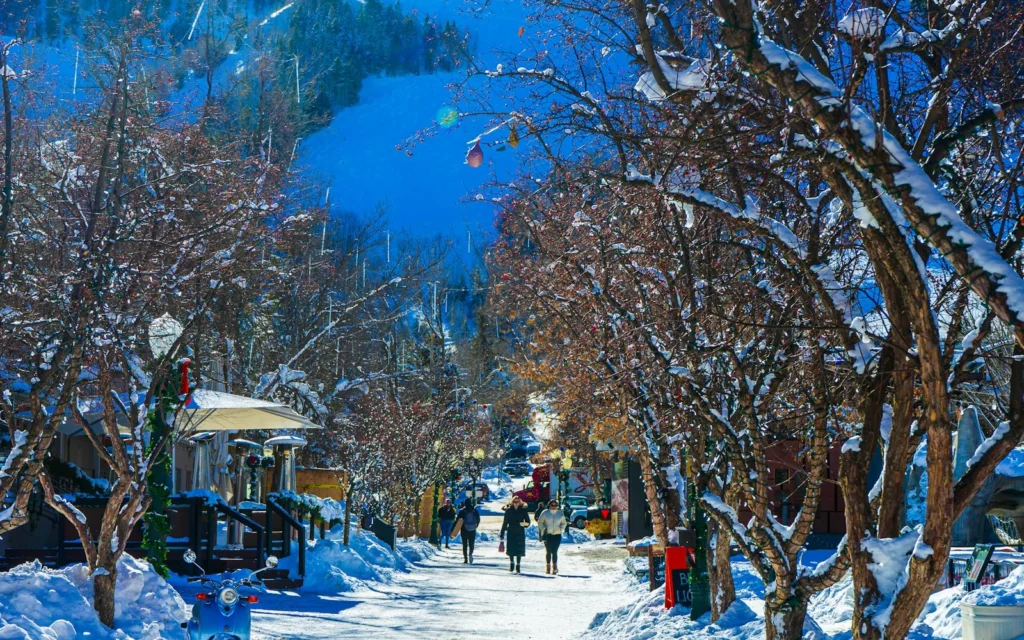
1. Aspen Snowmass, Colorado
Four mountains, a glamorous historic town and reliable Rockies snow make Aspen the most famous name in American skiing. Aspen Mountain suits experts, while nearby Snowmass has the family-friendly acreage. Peak snow lands from January to March.
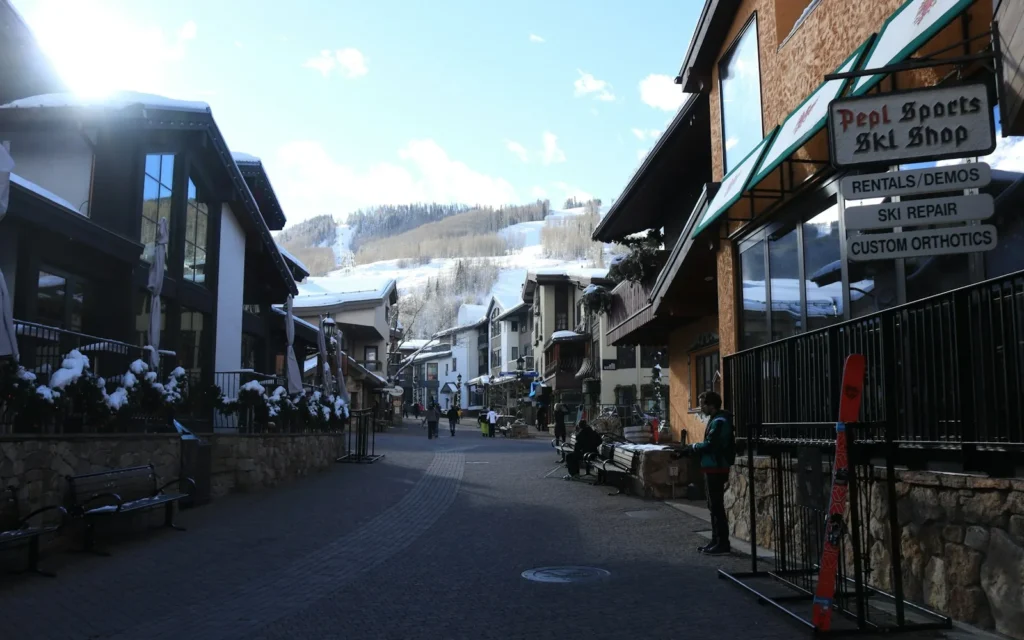
2. Vail, Colorado
The largest single ski mountain in the US, Vail is legendary for its Back Bowls — miles of open, above-treeline powder — plus a car-free Alpine village. It skis huge, so visit midweek in January or February to beat the crowds.
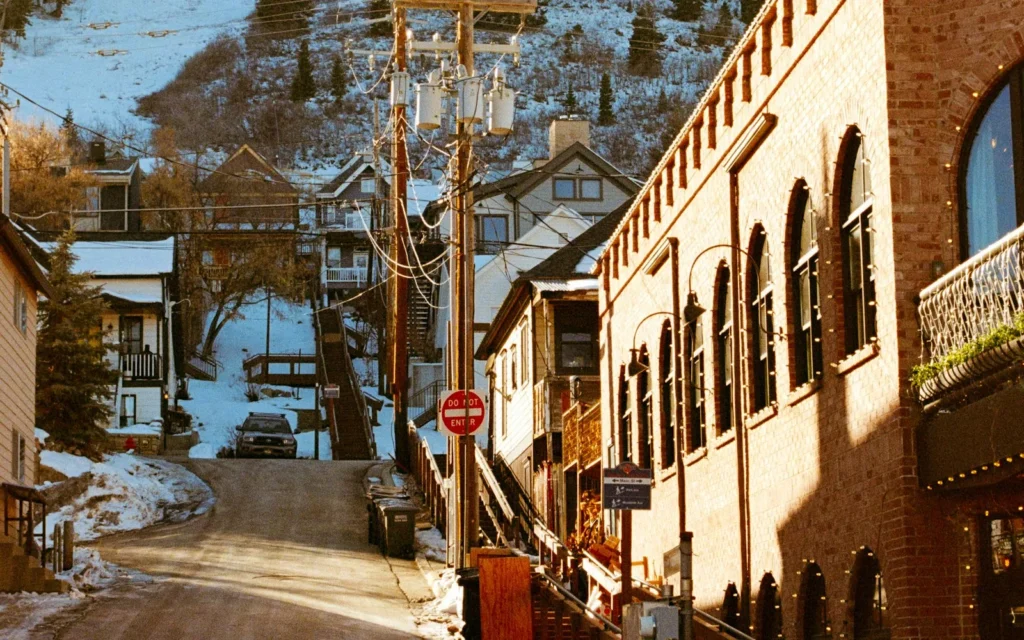
3. Park City, Utah
Utah’s biggest resort rises above a historic silver-mining town just 40 minutes from Salt Lake City airport, making it the easiest major resort to reach. The light, dry snow falls heaviest from January to March.
4. Jackson Hole, Wyoming
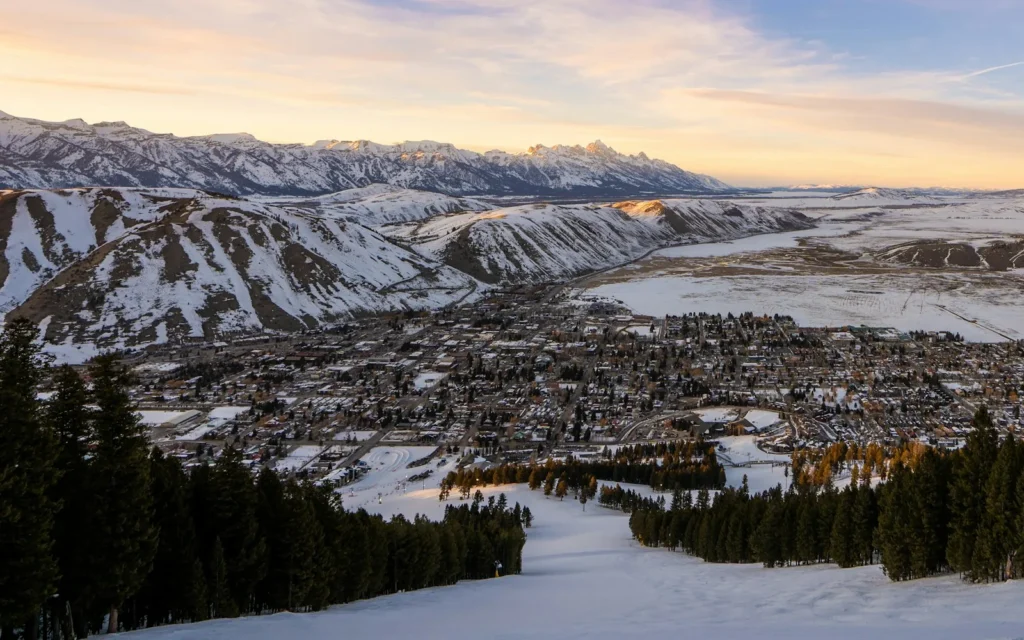
Famous for steep, serious terrain beneath the Tetons — including the infamous Corbet’s Couloir — Jackson Hole is a rite of passage for advanced skiers, and the frontier town of Jackson adds Western character. Deep snow arrives January to March.
5. Breckenridge, Colorado
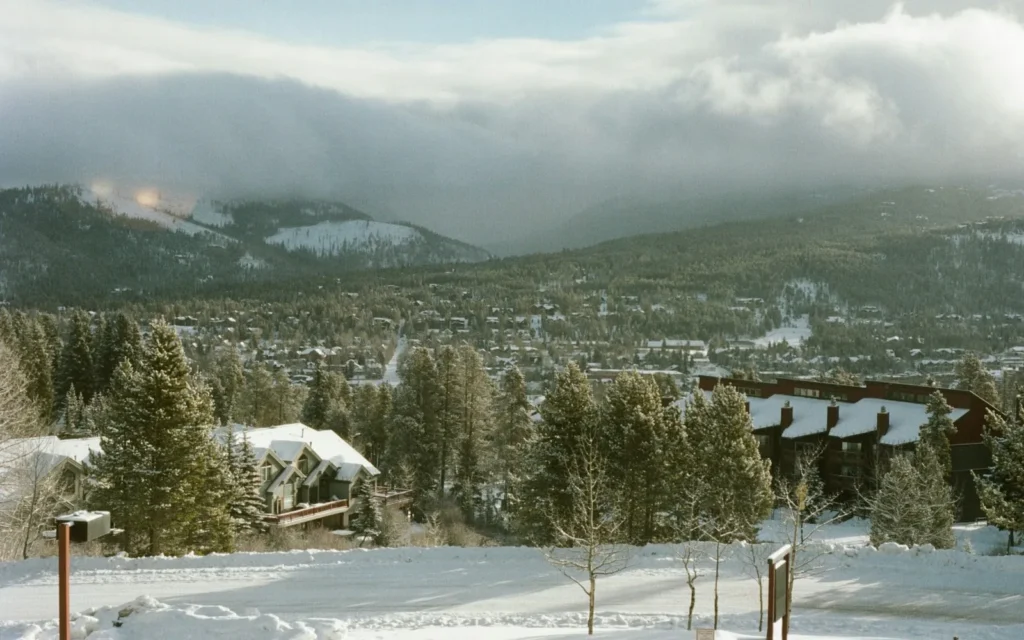
One of the most-visited resorts in the country, ‘Breck’ pairs high, wide-open bowls with a lively Victorian Main Street. Its base sits high, so the season runs long — often into April or May.
6. Telluride, Colorado
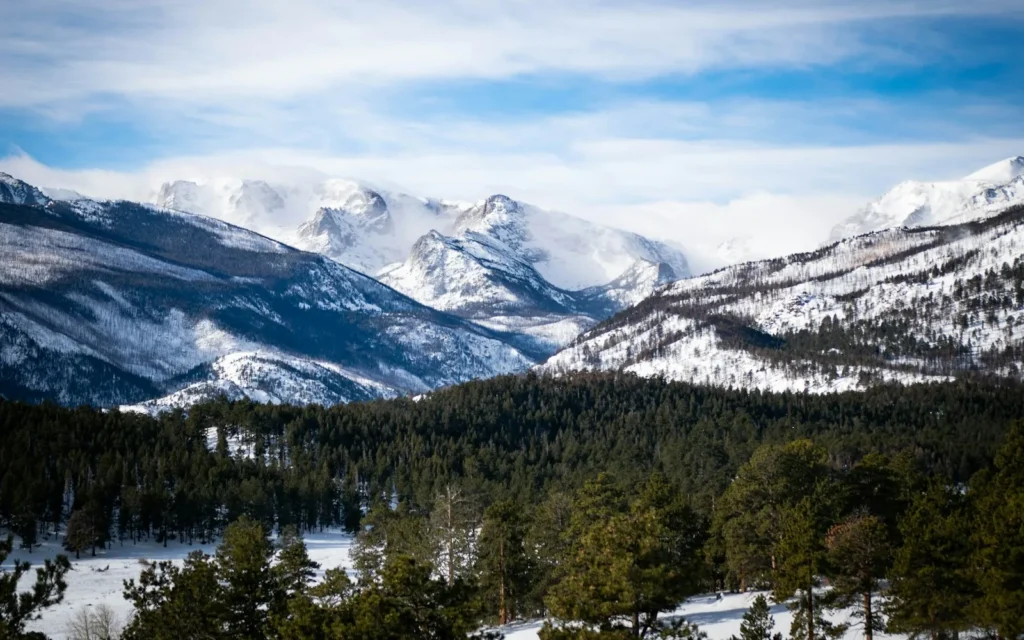
Tucked in a dramatic box canyon in the San Juan Mountains, Telluride combines expert steeps with a beautifully preserved old mining town and short lift lines. February and March bring the deepest, most reliable snow.
7. Mammoth Mountain, California
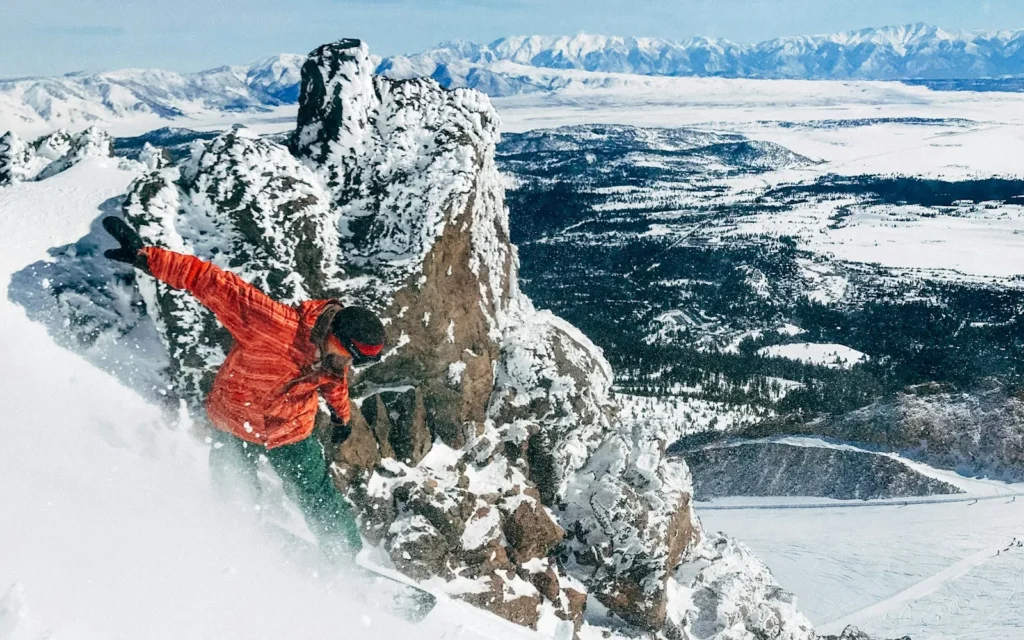
California’s high-altitude giant catches huge Sierra Nevada storms and holds snow later than almost anywhere — often into June. Sunny days and vast, varied terrain make it the West Coast favourite.
8. Steamboat, Colorado
Home of legendary ‘champagne powder’ and a genuine ranching-town atmosphere, Steamboat is one of the friendliest big resorts, with superb tree skiing and hot springs nearby. Peak powder falls from January to March.
9. Big Sky, Montana
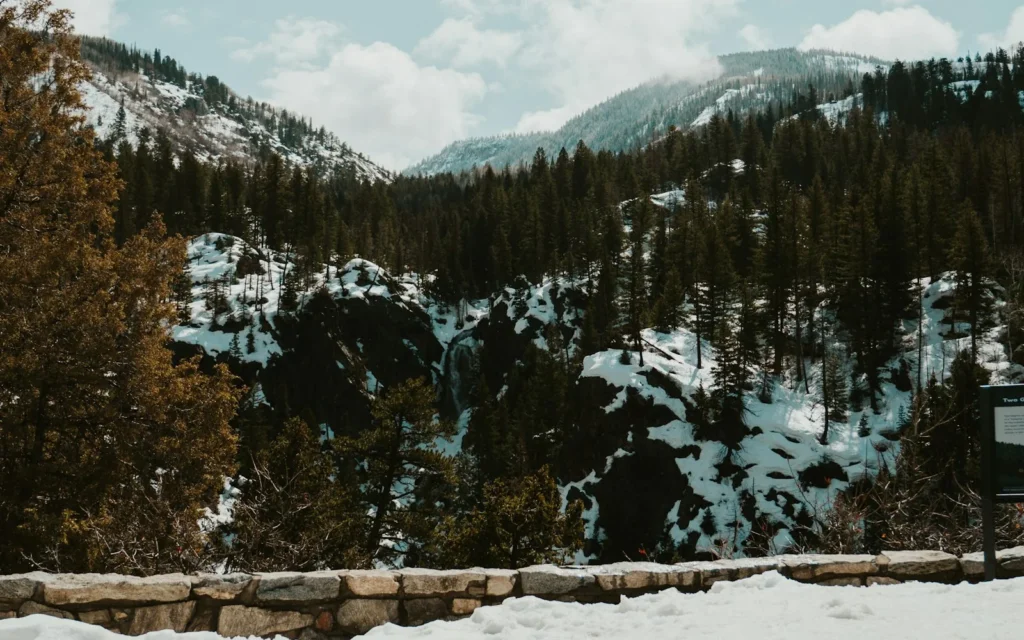
One of the largest ski areas in the US, Big Sky offers thousands of acres of terrain — from mellow cruisers to the steep Lone Peak tram — with famously short lift lines. Reliable cold snow lasts from December to April.
10. Deer Valley, Utah
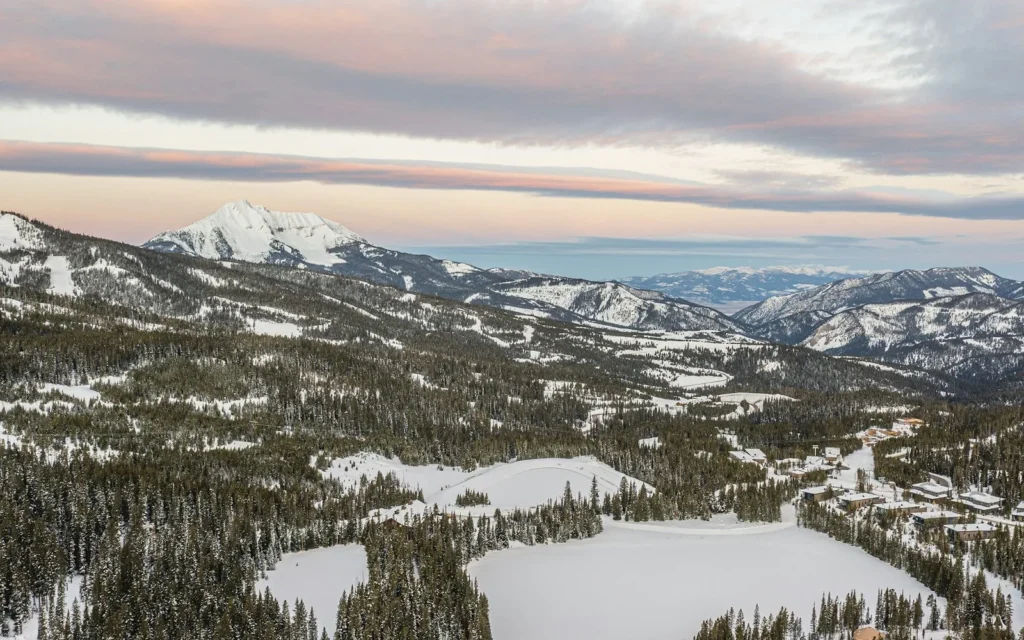
Ski-only and famous for immaculate grooming, top-tier service and capped daily tickets that keep crowds away, Deer Valley is the luxury choice near Park City. The dry Utah snow is best from January to March.
US ski resorts by the numbers
A few figures put these mountains in context. For sheer size, Vail is the giant, with roughly 5,300 skiable acres. For steep, expert terrain, Jackson Hole has about 4,100 feet of continuous vertical — one of the biggest drops in the country. And for snow, nothing in the US beats the Utah resorts at the top of Little Cottonwood Canyon, where Alta and Snowbird average well over 500 inches a season. If you plan to ski more than about six days across several mountains, a multi-resort season pass — Epic (which includes Vail and Park City) or Ikon (Steamboat, Mammoth and more) — usually costs less than buying lift tickets day by day.
How to pick a US ski resort
Match the mountain to your level and your travel style. Beginners and families do well at Park City, Breckenridge and Snowmass; experts gravitate to Jackson Hole, Telluride and Vail’s Back Bowls; and if grooming and service matter more than nightlife, Deer Valley is unmatched. For the easiest logistics, Utah’s resorts are closest to a major airport, while high-altitude Breckenridge and Mammoth run the longest seasons. Book flights and lodging well ahead for the prime January-to-March window, and consider a multi-resort pass such as Epic or Ikon if you plan to ski several.
Frequently Asked Questions
What is the best ski resort in the USA?
When is the best time to ski in the USA?
Which US state has the best skiing?
Related Articles
You Might Also Love



Written by
John Morrison is the founder and lead travel writer at Packzup. Over the past decade he has explored destinations across Africa, the Americas, Asia, Europe, the Middle East, and Oceania — always self-funded, never on a press trip.
